Introduction
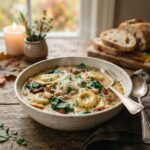
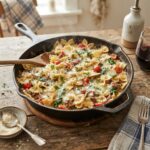
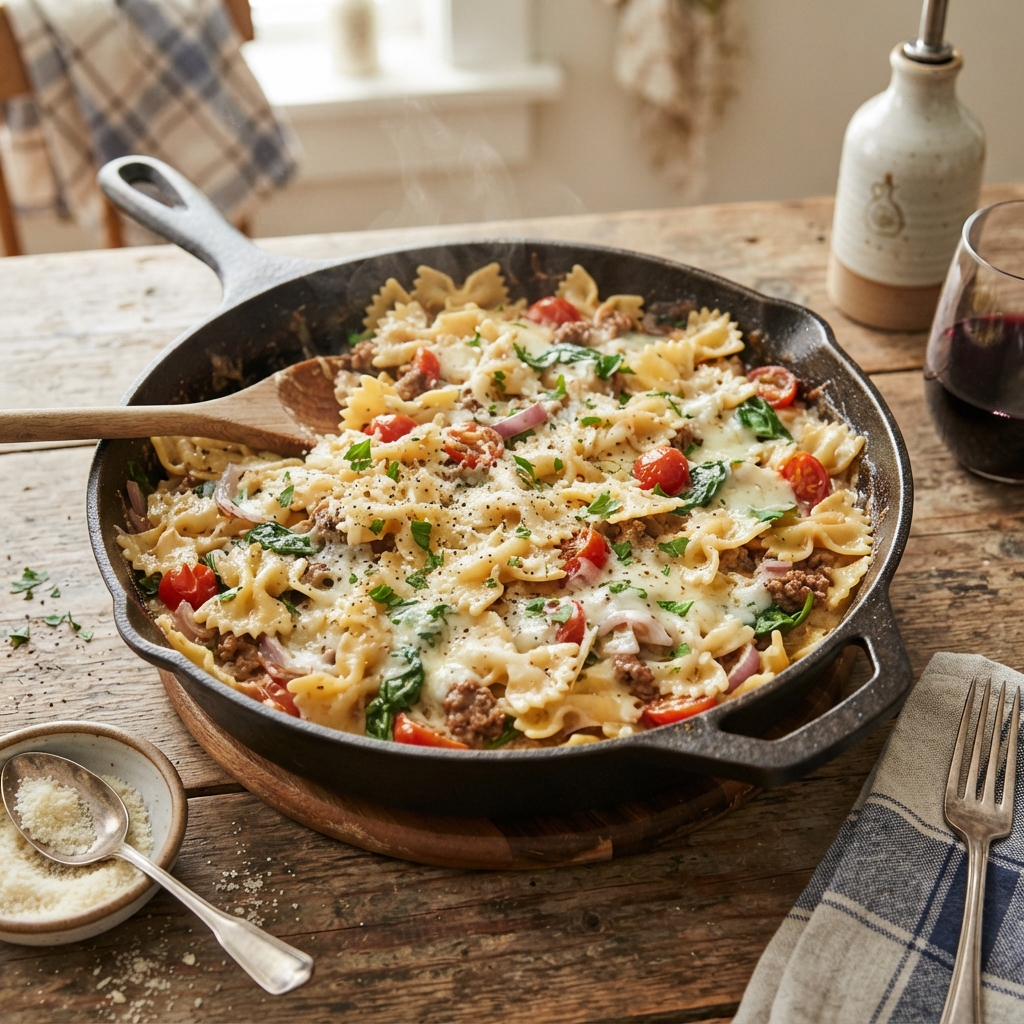
Welcome to the ultimate culinary comfort experience with our Cheesy Garlic Butter Beef Bowtie Pasta. This dish is not merely a meal; it is a warm embrace on a plate, designed to satisfy the deepest cravings for rich, savory, and indulgent flavors. Imagine tender bowtie pasta, perfectly cooked to al dente perfection, tossed in a luxurious sauce made from melted butter, aromatic garlic, and a blend of cheeses that stretch and sing with every forkful. Added to this symphony is seasoned ground beef, providing a hearty protein base that grounds the dish with umami richness. Whether you are cooking for a busy weeknight family dinner, hosting a casual gathering with friends, or simply treating yourself to a decadent solo meal, this recipe promises to deliver consistent, restaurant-quality results in the comfort of your own kitchen. The combination of textures—the chewiness of the pasta, the crumble of the beef, and the creaminess of the sauce—creates a multisensory experience that is hard to replicate. Throughout this guide, we will explore every facet of this dish, from its historical roots to the nutritional breakdown, ensuring you become a master of this classic comfort food.
The History
To truly appreciate Cheesy Garlic Butter Beef Bowtie Pasta, one must understand the lineage of its individual components, which come together to form a modern classic. The star of the show, the bowtie pasta, is known internationally as farfalle, which translates to “butterflies” in Italian. Historical records suggest that farfalle dates back to the 1500s in the Lombardy and Emilia-Romagna regions of Northern Italy. Originally, these shapes were created by pinching small squares of pasta dough in the middle, mimicking the shape of a bow tie or a butterfly, and were often served at special occasions and festivals due to the extra effort required to shape them by hand. Over centuries, the production became mechanized, making this playful shape accessible to households everywhere.
The concept of garlic butter sauce, while often associated with French cuisine (beurre maître d’hôtel), has deep roots in Italian cooking as well, particularly in the form of aglio e olio. However, the addition of heavy cream and cheese to create a velvety garlic butter sauce is a more modern innovation, likely emerging from American-Italian fusion cuisine in the mid-20th century. This style of cooking prioritized richness and comfort, blending the aromatic pungency of garlic with the fat content of butter and dairy to create a coating that clings to pasta. The incorporation of ground beef transforms the dish from a side or light main into a substantial entrée, reflecting the American preference for protein-heavy meals. Today, this dish stands as a testament to culinary evolution, marrying Old World pasta shapes with New World indulgence.
Ingredients Breakdown
Understanding the quality and function of each ingredient is crucial for elevating this dish from good to extraordinary. Below is a detailed analysis of what goes into this recipe and why each component matters.
The Pasta
Bowtie (Farfalle): The unique shape of the bowtie is not just aesthetic; it is functional. The ridges and the pinched center provide excellent surface area for the sauce to cling to. Unlike smooth tubular pasta, the nooks and crannies of the farfalle trap the garlic butter and cheese, ensuring every bite is flavorful. It is important to choose high-quality durum wheat semolina pasta, which holds its shape better during boiling and provides a firmer bite.
The Protein
Ground Beef: The choice of beef impacts the richness of the sauce. An 80/20 blend (80% lean, 20% fat) is often recommended because the rendered fat adds flavor to the butter sauce. However, leaner blends can be used if you drain the excess grease thoroughly. The beef should be browned until deeply caramelized to develop Maillard reaction flavors, which add complexity beyond simple meatiness.
The Fat and Aromatics
Butter: Unsalted butter is preferred so you can control the sodium levels exactly. The butter acts as the emulsifier base for the sauce. European-style butter with a higher fat content will yield a silkier texture. Fresh Garlic: Pre-minced jarred garlic lacks the pungency and sweetness of fresh cloves. Fresh garlic should be minced finely to distribute evenly throughout the sauce without creating large, overpowering chunks.
The Dairy
Cheese Blend: A combination of cheeses works best. Sharp cheddar provides a tangy depth, while mozzarella offers the desired stretch and meltability. Parmesan adds a salty, nutty umami kick. Using pre-shredded cheese is convenient, but block cheese shredded at home melts more smoothly because it lacks the anti-caking agents found in bagged varieties.
Step-by-Step Recipe
This narrative guide walks you through the cooking process with a focus on technique and timing to ensure optimal results.
Phase 1: Preparation and Mise en Place
Before turning on the stove, ensure all ingredients are prepped. Measure out your spices, mince your garlic, and shred your cheese if you are using blocks. Having everything ready prevents burning the garlic while searching for a spatula. Fill a large pot with water and add a generous amount of salt; the water should taste like the sea to properly season the pasta from the inside out.
Phase 2: Cooking the Pasta
Bring the water to a rolling boil. Add the bowtie pasta and stir immediately to prevent sticking. Cook according to the package directions but aim to remove the pasta one minute before it reaches al dente. This is because the pasta will finish cooking in the sauce, absorbing the flavorful liquids without becoming mushy. Reserve at least one cup of the starchy pasta water before draining; this liquid gold is essential for adjusting the sauce consistency later.
Phase 3: Browning the Beef
While the pasta boils, heat a large skillet or Dutch oven over medium-high heat. Add the ground beef, breaking it up with a wooden spoon. Season lightly with salt and pepper. Allow the beef to sear without stirring too frequently to encourage browning. Once browned, drain excess fat if necessary, but leave a little for flavor. Add the minced garlic during the last minute of cooking the beef so it becomes fragrant without burning.
Phase 4: Creating the Sauce
Reduce the heat to low. Add the butter to the beef and garlic mixture, allowing it to melt and combine with the beef fats. Pour in the heavy cream or milk, stirring gently. Gradually introduce the cheeses, stirring constantly to prevent clumping. The heat should be low enough to melt the cheese without causing the dairy to separate or curdle.
Phase 5: Combining and Finishing
Add the drained pasta directly into the skillet with the sauce. Toss gently to coat every piece. If the sauce appears too thick, add the reserved pasta water a splash at a time until the desired consistency is reached. Garnish with fresh parsley and serve immediately while hot and cheesy.
Tips
- Reserve Pasta Water: Never drain all the water away. The starch in the pasta water helps emulsify the fat and cheese, creating a smoother sauce that binds to the noodles.
- Low Heat for Cheese: High heat is the enemy of cheese sauces. Always melt cheese over low heat to prevent it from becoming grainy or oily.
- Fresh vs. Dry Herbs: Add dried herbs during the beef browning phase to bloom their flavors. Add fresh herbs like parsley at the very end to maintain their bright color and fresh taste.
- Room Temperature Dairy: Let your cream and cheese sit out for 15 minutes before cooking. Cold dairy added to a hot pan can shock the mixture and cause separation.
- Don’t Overcook the Garlic: Burnt garlic tastes bitter and can ruin the entire dish. Add it late in the beef cooking process or sauté it briefly in the butter before adding liquids.
- Resting Time: Let the pasta sit for 2-3 minutes after mixing. This allows the sauce to thicken slightly and adhere better to the pasta.
Variations and Customizations
One of the greatest strengths of this recipe is its adaptability. You can modify it to suit dietary restrictions, seasonal availability, or personal taste preferences.
Protein Swaps
If beef is not an option, ground turkey or chicken works well for a lighter version. For a seafood twist, substitute the beef with cooked shrimp or scallops, adding them at the end to prevent toughness. Vegetarians can omit the meat entirely and add sautéed mushrooms or lentils for a meaty texture.
Vegetable Additions
To increase the nutritional density, stir in steamed broccoli florets, spinach, or peas during the final mixing stage. Roasted red peppers or sun-dried tomatoes can add a sweet and tangy contrast to the rich butter sauce.
Spice Levels
For those who enjoy heat, add red pepper flakes during the garlic sautéing phase. A dash of cayenne pepper or a swirl of sriracha can transform this into a spicy beef pasta dish. Alternatively, a smoky paprika can add depth without overwhelming heat.
Cheese Variations
Experiment with different cheese profiles. Gouda adds smokiness, while Fontina offers exceptional meltability. For a blue cheese lover, a small crumble of Gorgonzola can add a sophisticated pungency, though it should be used sparingly.
Health Considerations and Nutritional Value
While this dish is inherently indulgent, understanding its nutritional profile allows for mindful consumption and modification.
| Nutrient | Approximate Value per Serving |
|---|---|
| Calories | 650 – 750 kcal |
| Protein | 25 – 30 g |
| Carbohydrates | 45 – 55 g |
| Fat | 35 – 45 g |
| Sodium | 800 – 1000 mg |
Health Modifications: To reduce calories, substitute heavy cream with half-and-half or evaporated milk. Use whole wheat or legume-based bowtie pasta to increase fiber content and lower the glycemic index. Increasing the volume of vegetables while reducing the portion size of pasta and beef can also create a more balanced meal. For those monitoring sodium, use low-sodium beef broth and reduce added salt, relying on herbs and garlic for flavor enhancement.
Ingredients
- 1 pound (16 oz) bowtie pasta (farfalle)
- 1 pound ground beef (80/20 blend recommended)
- 4 tablespoons unsalted butter
- 6 cloves fresh garlic, minced
- 1 cup heavy cream (or half-and-half for lighter version)
- 1 cup sharp cheddar cheese, shredded
- 1 cup mozzarella cheese, shredded
- 1/2 cup Parmesan cheese, grated
- 1 teaspoon dried Italian seasoning
- 1/2 teaspoon black pepper
- 1/2 teaspoon salt (adjust to taste)
- 1/4 teaspoon red pepper flakes (optional)
- 2 tablespoons fresh parsley, chopped (for garnish)
- 1 cup reserved pasta water
Directions
- Bring a large pot of salted water to a boil. Add the bowtie pasta and cook until al dente, usually 10-12 minutes. Before draining, reserve 1 cup of pasta water.
- While the pasta cooks, heat a large skillet over medium-high heat. Add the ground beef and cook until browned, breaking it into crumbles with a spoon.
- Drain excess grease from the beef if desired, leaving about 1 tablespoon in the pan. Reduce heat to medium.
- Add the minced garlic and dried Italian seasoning to the beef. Sauté for 1 minute until fragrant, being careful not to burn the garlic.
- Stir in the butter until melted. Pour in the heavy cream and bring to a gentle simmer.
- Gradually add the cheddar, mozzarella, and Parmesan cheeses, stirring constantly until the sauce is smooth and melted.
- Add the drained pasta to the skillet. Toss to coat evenly. If the sauce is too thick, add reserved pasta water a little at a time until desired consistency is reached.
- Season with salt, black pepper, and red pepper flakes to taste.
- Remove from heat, garnish with fresh parsley, and serve immediately.
FAQ
Can I freeze this pasta dish?
Yes, but with caution. Dairy-based sauces can sometimes separate when frozen and reheated. To freeze, cool completely, store in an airtight container for up to 3 months. Reheat slowly on the stove with a splash of milk to restore creaminess.
What can I use instead of heavy cream?
You can substitute heavy cream with whole milk, half-and-half, or even a roux-based sauce (butter and flour cooked together with milk) for a lighter texture. Coconut milk is a dairy-free alternative, though it will alter the flavor profile.
Why is my sauce grainy?
Grainy sauce usually results from high heat causing the cheese to break. Always melt cheese over low heat and use freshly shredded cheese instead of pre-packaged shreds which contain anti-caking agents.
How do I make this gluten-free?
Simply swap the regular bowtie pasta for a high-quality gluten-free alternative made from brown rice or corn. Be sure to rinse the pasta well after cooking to remove excess starch.
Can I make this ahead of time?
It is best served fresh. However, you can prep the ingredients and cook the beef ahead. Reheat gently with extra liquid to prevent the pasta from absorbing all the sauce and becoming dry.
Summary
Cheesy Garlic Butter Beef Bowtie Pasta is a rich, comforting dish combining tender farfalle, seasoned ground beef, and a velvety garlic cheese sauce.
Perfect for weeknight dinners, it offers customizable variations and indulgent flavors that satisfy every appetite.