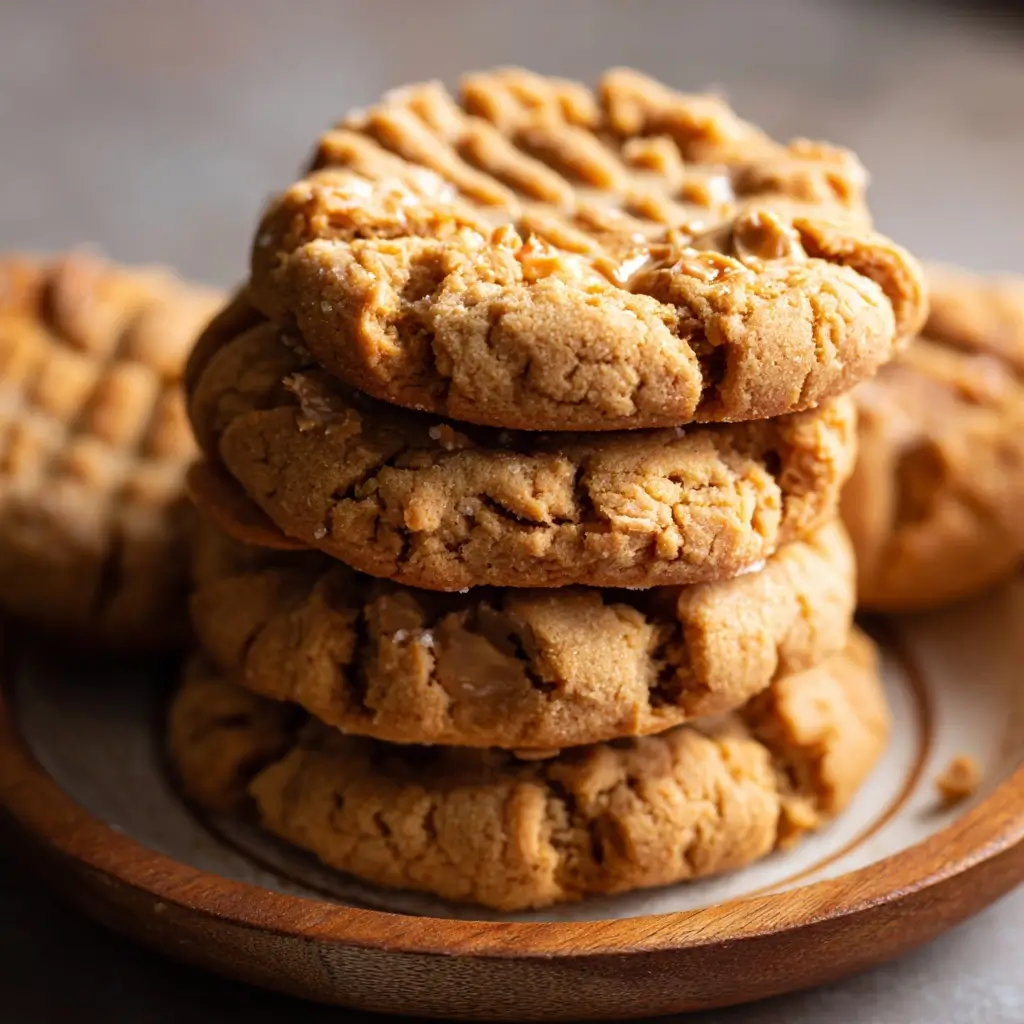
Thick Bakery-Style Peanut Butter Cookies
If you’ve ever walked into a cozy neighborhood bakery and been instantly captivated by the rich, nutty aroma of freshly baked peanut butter cookies—thick, soft-centered, and perfectly golden around the edges—you know what true comfort tastes like. These Thick Bakery-Style Peanut Butter Cookies are crafted to replicate that very experience, bringing the warmth and indulgence of a professional pastry shop straight to your kitchen. With their dense, chewy texture, deep peanut butter flavor, and that iconic crisscross fork pattern, these cookies aren’t just treats—they’re edible nostalgia.
The History
Peanut butter cookies have a storied past that dates back to the early 20th century. Though peanuts had long been used in various cuisines, it wasn’t until the invention of peanut butter around the late 1800s—credited to figures like Dr. John Harvey Kellogg and others—that this creamy spread found its way into baking. The first known peanut butter cookie recipe was published in 1916 in “The Boston Cooking-School Cook Book” by Fannie Merritt Farmer. However, it wasn’t until the Great Depression that peanut butter cookies gained widespread popularity due to their affordability and shelf-stable ingredients. Over time, bakers refined the recipe, emphasizing thickness, chewiness, and rich flavor—hallmarks of the modern “bakery-style” version we love today. The iconic fork-cross pattern not only adds visual appeal but also ensures even baking, making it a signature touch passed down through generations.
Ingredients Breakdown
Every exceptional cookie starts with quality ingredients. Here’s a detailed look at what goes into these thick, bakery-style peanut butter cookies and why each component matters:
- Unsalted Butter (1 cup, softened): Provides richness, moisture, and structure. Using unsalted butter allows precise control over salt levels. Softened butter blends smoothly with sugars for a creamy batter.
- Brown Sugar (1 cup, packed): Adds deep molasses notes, moisture, and chewiness. The moisture content in brown sugar helps create a soft center while contributing to caramelization during baking.
- Granulated Sugar (1/2 cup): Balances sweetness and promotes slight crispness on the edges without drying out the interior.
- Smooth Peanut Butter (1 cup, no-stir type): The star ingredient. Choose a high-quality brand without added oils or sugars for maximum flavor. Natural peanut butter can be used but may alter texture due to oil separation.
- Large Eggs (2): Bind the ingredients together, add structure, and contribute to the cookie’s rise and tenderness.
- Pure Vanilla Extract (2 teaspoons): Enhances overall flavor depth and complements the nuttiness of peanut butter.
- All-Purpose Flour (2 1/4 cups): Forms the backbone of the dough. Measured correctly (spooned and leveled), it prevents dryness while supporting thickness.
- Baking Soda (1 teaspoon): A leavening agent that helps the cookies puff slightly during baking, contributing to their soft, airy interior.
- Baking Powder (1/2 teaspoon): Works with baking soda to give a little extra lift, ensuring the cookies stay thick without collapsing.
- Coarse Sea Salt (1/2 teaspoon): Balances sweetness and intensifies the peanut flavor. Fine table salt can substitute, but coarse salt offers a more nuanced taste.
- Kosher Salt (for sprinkling, optional): A light sprinkle on top before baking enhances flavor contrast and gives a gourmet finish.
- Extra Peanut Butter (for topping, optional): A small dollop in the center after shaping adds an intense burst of flavor.
Step-by-Step Recipe
- Preheat Oven & Prepare Baking Sheets: Preheat your oven to 350°F (175°C). Line two large baking sheets with parchment paper or silicone baking mats. This prevents sticking and ensures even browning.
- Cream Butter and Sugars: In a large mixing bowl, use a hand mixer or stand mixer fitted with a paddle attachment to beat the softened unsalted butter, brown sugar, and granulated sugar on medium speed for 2–3 minutes until light, fluffy, and pale in color.
- Incorporate Wet Ingredients: Add the smooth peanut butter and mix until fully combined. Scrape down the sides of the bowl as needed. Then add the eggs one at a time, mixing well after each addition. Stir in the vanilla extract until evenly incorporated.
- Mix Dry Ingredients: In a separate bowl, whisk together the all-purpose flour, baking soda, baking powder, and coarse sea salt until thoroughly blended.
- Combine Wet and Dry Mixtures: Gradually add the dry ingredients to the wet mixture, mixing on low speed just until the dough comes together. Do not overmix; stop as soon as no flour streaks remain. The dough will be thick, soft, and slightly sticky.
- Chill the Dough (Optional but Recommended): For thicker cookies with less spread, cover the bowl and refrigerate the dough for 30–60 minutes. Chilling firms up the butter, which delays melting in the oven and preserves shape.
- Scoop and Shape: Use a cookie scoop or tablespoon to portion the dough into balls about 2 tablespoons in size (roughly 1.5 ounces each). Roll them smoothly between your palms and place them 2 inches apart on the prepared baking sheets.
- Create the Classic Crisscross Pattern: Take a fork and dip the tines in granulated sugar to prevent sticking. Press down firmly on each ball to flatten it into a disk, then rotate the fork 90 degrees and press again to form the classic crosshatch design. For extra flair, gently press a small amount of additional peanut butter into the center of each cookie.
- Sprinkle with Salt (Optional): Lightly sprinkle each cookie with a pinch of flaky kosher salt before baking for a sweet-and-salty finish.
- Bake Until Golden: Bake one sheet at a time in the center rack of the oven for 10–12 minutes. The cookies should appear set around the edges but still soft in the center. They’ll continue to firm up as they cool. Avoid overbaking to maintain chewiness.
- Cool on the Sheet: Remove the pan from the oven and let the cookies rest on the baking sheet for 5 minutes to finish setting. Then transfer them carefully to a wire rack to cool completely.
Tips
- Use Room-Temperature Ingredients: Ensure your butter and eggs are at room temperature for even mixing and a smoother dough.
- Measure Flour Correctly: Spoon flour into your measuring cup and level it off with a knife. Scooping directly packs the flour, leading to dry cookies.
- Don’t Skip the Chill Time: Even a short chill makes a big difference in preventing excessive spreading.
- Uniform Sizing = Uniform Baking: Use a cookie scoop to ensure all dough balls are the same size so they bake evenly.
- Avoid Overbaking: Pull cookies out when they’re just starting to turn golden at the edges. They’ll firm up as they cool.
- Rotate the Pan (if needed): If your oven has hot spots, rotate the baking sheet halfway through baking for even color.
- Let Them Rest: Allowing cookies to sit on the baking sheet post-bake helps them set without becoming too hard.
Variations and Customizations
While these thick peanut butter cookies are delicious on their own, feel free to get creative:
- Chocolate Chip Peanut Butter Cookies: Fold in 1 to 1.5 cups of semi-sweet or milk chocolate chips for a decadent twist.
- Double Chocolate Version: Replace 1/4 cup of flour with cocoa powder and add chocolate chips for a rich, fudgy variation.
- Reese’s-Inspired Cookies: Press a mini peanut butter cup into the center of each dough ball before baking.
- Oatmeal Peanut Butter Cookies: Add 3/4 cup of old-fashioned oats for a heartier texture and subtle chew.
- Gluten-Free Option: Substitute the all-purpose flour with a 1:1 gluten-free baking blend. Make sure your peanut butter is certified gluten-free if needed.
- Vegan Adaptation: Replace butter with vegan margarine, eggs with flax eggs (1 tbsp ground flax + 2.5 tbsp water per egg), and use a plant-based peanut butter.
- Spiced Peanut Butter Cookies: Add 1/2 teaspoon of cinnamon or a pinch of cayenne for warmth and complexity.
- Stuffed Cookies: Hide a surprise inside—try a chunk of caramel, a piece of chocolate, or a dollop of jam.
Health Considerations and Nutritional Value
These cookies are undeniably indulgent, but understanding their nutritional profile can help with mindful enjoyment:
- Calories: Approximately 220–250 calories per cookie (based on 24 cookies per batch).
- Fat Content: Around 14–16g total fat per cookie, mostly from healthy monounsaturated fats in peanut butter and butter. Saturated fat makes up about half of this amount.
- Carbohydrates: ~22–25g per cookie, primarily from sugars and refined flour.
- Protein: About 4–5g per cookie, thanks to peanut butter and eggs—higher than most standard cookies.
- Sodium: Ranges from 150–200mg depending on peanut butter and added salt.
Considerations:
- Sugar Intake: High in added sugars; best enjoyed in moderation, especially for those monitoring blood sugar.
- Allergens: Contains peanuts, tree nuts (if cross-contaminated), dairy, eggs, and wheat—common allergens. Always label accordingly when sharing.
- Dietary Modifications: Can be adapted for gluten-free or vegan diets using appropriate substitutes, though texture may vary slightly.
- Portion Control: Due to richness and density, one cookie often satisfies a craving. Store extras in an airtight container to avoid overindulgence.
Ingredients
- 1 cup (2 sticks / 227g) unsalted butter, softened
- 1 cup (200g) packed light brown sugar
- 1/2 cup (100g) granulated sugar
- 1 cup (250g) smooth peanut butter (no-stir preferred)
- 2 large eggs, room temperature
- 2 teaspoons pure vanilla extract
- 2 1/4 cups (280g) all-purpose flour
- 1 teaspoon baking soda
- 1/2 teaspoon baking powder
- 1/2 teaspoon coarse sea salt
- Granulated sugar (for rolling fork)
- Flaky kosher salt (optional, for topping)
Directions
- Preheat oven to 350°F (175°C). Line baking sheets with parchment paper.
- In a large bowl, cream together butter, brown sugar, and granulated sugar until light and fluffy (2–3 minutes).
- Add peanut butter and mix until smooth. Beat in eggs one at a time, then stir in vanilla.
- In a separate bowl, whisk flour, baking soda, baking powder, and salt.
- Gradually mix dry ingredients into wet until just combined. Do not overmix.
- (Optional) Chill dough for 30–60 minutes for thicker cookies.
- Roll dough into 2-tablespoon balls and place on baking sheets, 2 inches apart.
- Dip a fork in sugar and press down to flatten, creating a crisscross pattern.
- Sprinkle lightly with flaky salt if desired.
- Bake for 10–12 minutes until edges are golden and centers still soft.
- Cool on baking sheet for 5 minutes, then transfer to a wire rack.
FAQ
Can I use natural peanut butter?
Yes, but natural peanut butter tends to make cookies flatter and drier due to higher oil content and lack of stabilizers. If using, chill the dough longer and consider reducing added butter slightly.
Why did my cookies spread too much?
Common causes include warm dough, melted butter, incorrect flour measurement, or overcreaming. Always chill the dough and measure flour accurately.
How do I make them thicker?
Chill the dough, use room-temperature (not melted) butter, and avoid overbaking. Also, don’t skimp on flour—measure it properly.
Can I freeze the dough?
Absolutely! Portion into balls and freeze on a tray, then transfer to a bag. Bake from frozen, adding 1–2 minutes to baking time.
How long do they last?
Store in an airtight container at room temperature for up to 5 days. For longer storage, freeze baked cookies for up to 3 months.
Can I double the recipe?
Yes, this recipe scales well. Just make sure your mixer can handle the volume, and bake in batches to avoid overcrowding.
Are these cookies supposed to be soft in the middle?
Yes! These are meant to be soft, chewy, and slightly underbaked in the center for that authentic bakery texture.
Summary
These Thick Bakery-Style Peanut Butter Cookies deliver rich, nutty flavor with a soft, chewy center and golden edges—just like your favorite bakery’s version. Perfectly balanced, easy to customize, and irresistibly comforting, they’re destined to become a household favorite.