Introduction
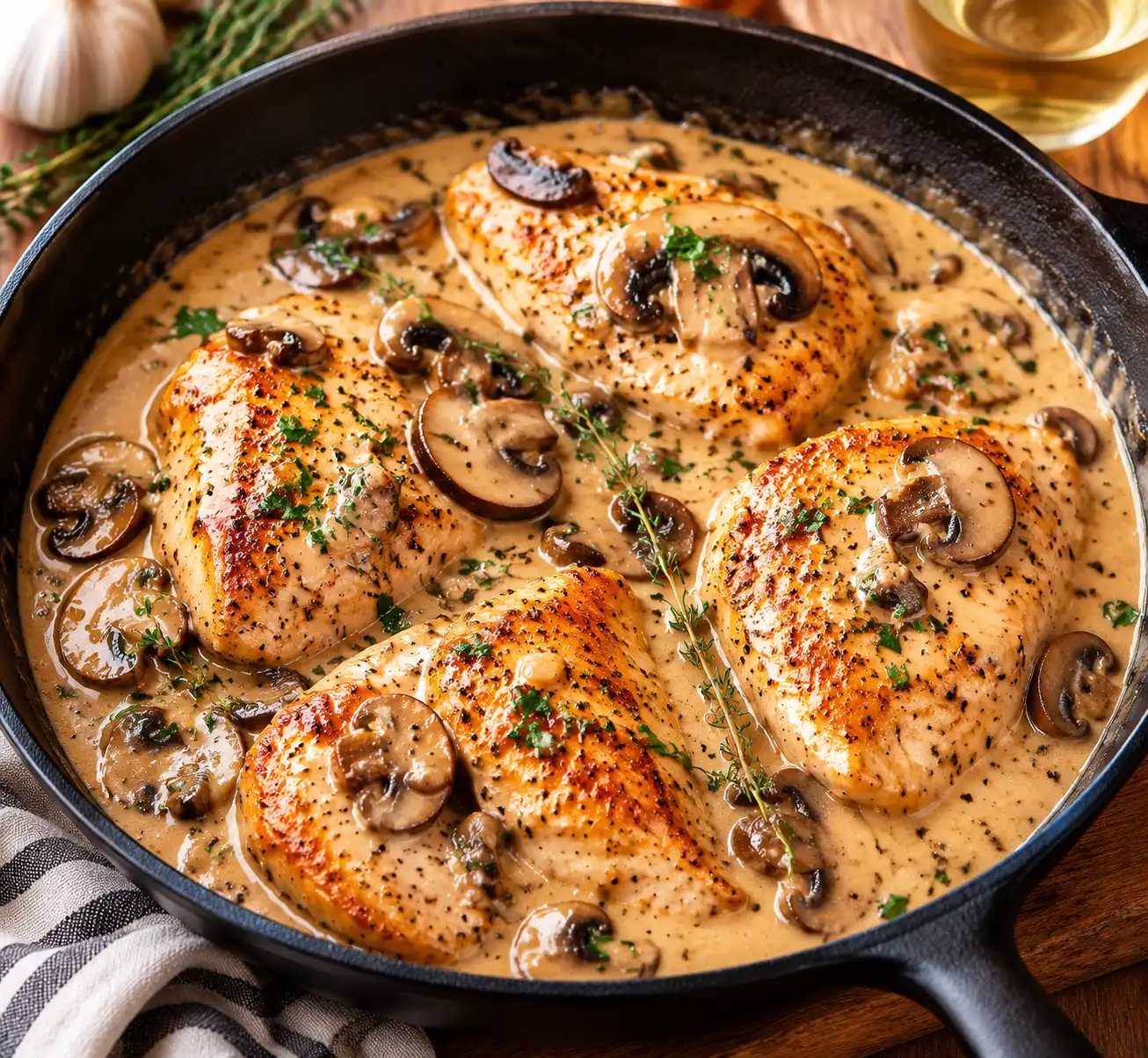
There is something undeniably comforting yet sophisticated about a meal that comes together in a single skillet, filling the kitchen with aromas of seared poultry, earthy fungi, and reduced wine. Skillet Chicken and Mushroom Wine Sauce is a quintessential example of home cooking elevated to restaurant quality. This dish strikes a perfect balance between ease of preparation and depth of flavor, making it an ideal choice for busy weeknights or intimate dinner parties alike. The beauty of this recipe lies in its simplicity; it does not require obscure ingredients or advanced culinary techniques, yet the result is a luxurious sauce that clings tenderly to perfectly cooked chicken.
When you bite into a piece of this chicken, you experience a symphony of textures: the slight crispness of the seared exterior, the juicy tenderness of the interior, and the velvety smoothness of the mushroom wine reduction. The sauce itself is the star of the show, built upon a foundation of fond—the caramelized bits left in the pan after searing the meat—which are deglazed with wine to create a complex, savory liquid gold. Whether served over creamy mashed potatoes, fluffy rice, or al dente pasta, this dish promises satisfaction in every bite. It is a testament to the idea that great food does not need to be complicated; it simply needs quality ingredients and a little bit of patience.
The History
The origins of skillet-cooked chicken with wine sauce are deeply rooted in European culinary traditions, particularly those of France and Italy. In French cuisine, the technique of deglaçage—using liquid to loosen browned food particles from the bottom of a pan—is a fundamental method for creating pan sauces. This technique was formalized in the 19th century by renowned chefs who sought to maximize flavor and minimize waste. The concept of pairing poultry with mushrooms also has a long history in French cooking, evident in classic dishes like Coq au Vin, although that dish typically involves braising rather than quick skillet cooking.
In Italian-American cuisine, similar profiles are found in Chicken Marsala, which utilizes Marsala wine instead of dry white or red wine. However, the generic Skillet Chicken and Mushroom Wine Sauce represents a fusion of these traditions, adapted for the modern home cook. It emerged prominently in mid-20th-century cookbooks as home kitchens became equipped with better stovetops and cookware that could handle high-heat searing. The dish gained popularity as a way to bring bistro-style dining into the suburban home. Over the decades, it has evolved, with variations incorporating cream, different herbs, and alternative proteins, but the core principle remains unchanged: sear, deglaze, reduce, and serve.
The use of wine in cooking dates back thousands of years, originally serving as a way to preserve food and add acidity to balance rich fats. In the context of this skillet dish, the wine serves a chemical purpose as well as a flavor one. The acidity helps tenderize the meat slightly while cutting through the richness of the butter and mushrooms. Historically, cooks would use whatever wine was available on the table, leading to the adage “never cook with a wine you wouldn’t drink.” This recipe honors that tradition, emphasizing the importance of ingredient quality in creating a historically grounded yet contemporary meal.
Ingredients Breakdown
To achieve the best possible result, understanding the role of each component is crucial. This is not merely a list of items to throw together; each ingredient contributes specific chemical and flavor properties to the final dish.
The Chicken
Chicken Breasts vs. Thighs: While boneless, skinless chicken breasts are the most common choice for their lean profile and quick cooking time, chicken thighs offer more flavor and moisture due to their higher fat content. For this recipe, breasts are recommended for a lighter presentation, but they must be pounded to an even thickness to ensure uniform cooking. If you prefer juicier meat that is more forgiving to cook, boneless thighs are an excellent alternative.
The Mushrooms
Cremini vs. Button: Standard white button mushrooms are mild and absorbent, making them a safe choice. However, cremini (baby bella) mushrooms offer a deeper, earthier flavor profile that stands up better to the robustness of the wine sauce. For a truly gourmet experience, a mix of cremini and shiitake mushrooms can add layers of umami. The key is to slice them evenly so they cook at the same rate and achieve a consistent golden brown color.
The Wine
Dry White vs. Red: The choice of wine dictates the character of the sauce. A dry white wine, such as Sauvignon Blanc or Pinot Grigio, creates a lighter, brighter sauce that complements the chicken without overpowering it. A dry red wine, like Pinot Noir or Merlot, will result in a richer, darker sauce with more tannic structure. Avoid cooking wines that contain added salt and preservatives, as they can impart a metallic taste. The alcohol will evaporate during cooking, leaving behind the concentrated flavor of the grapes.
The Aromatics and Fat
Garlic and Shallots: These provide the pungent, savory backbone of the sauce. Shallots are sweeter and more subtle than onions, making them ideal for fine sauces. Garlic should be added later in the process to prevent burning, which can introduce bitterness. Butter and Oil: A combination is best. Oil has a higher smoke point for searing the chicken, while butter added at the end (monter au beurre) gives the sauce a glossy finish and rich mouthfeel.
Step-by-Step Recipe
Creating this dish is a journey through temperature control and timing. Follow this narrative guide to understand the flow of the cooking process before diving into the specific measurements.
Phase 1: Preparation
Begin by preparing your mise en place. This French term means “everything in its place.” Slice your mushrooms uniformly, mince your garlic and shallots, and measure out your wine and broth. Pat the chicken completely dry with paper towels; moisture is the enemy of a good sear. Season the chicken generously with salt and pepper on both sides. If using breasts, place them between plastic wrap and pound them to an even half-inch thickness. This ensures they cook quickly and evenly without drying out.
Phase 2: The Sear
Heat a large skillet over medium-high heat. Add a combination of olive oil and butter. Once the fat is shimmering and hot, lay the chicken pieces in the pan without overcrowding. Overcrowding steams the meat rather than searing it. Let the chicken cook undisturbed for about 5-6 minutes per side until a deep golden-brown crust forms. This crust is essential for flavor. Remove the chicken to a plate and cover it loosely with foil to keep it warm while you build the sauce.
Phase 3: Building the Sauce
In the same pan, do not wipe out the browned bits. Add a bit more butter if needed, then toss in the mushrooms. Cook them until they release their water and begin to brown deeply. Add the shallots and cook until translucent. Add the garlic for the last minute to avoid burning. Pour in the wine carefully; it will steam and hiss. Use a wooden spoon to scrape the bottom of the pan, dissolving the fond into the liquid. Let this reduce by half to concentrate the flavor and cook off the raw alcohol taste.
Phase 4: Finishing
Stir in the chicken broth and any fresh herbs like thyme or rosemary. Let the sauce simmer until it thickens slightly. Return the chicken to the pan to warm through and absorb some of the sauce flavors. Finally, turn off the heat and swirl in a tablespoon of cold butter to emulsify the sauce, making it shiny and rich. Taste and adjust seasoning with salt and pepper before serving immediately.
Tips
- Temperature Matters: Ensure your chicken is not ice cold when it hits the pan. Let it sit at room temperature for 15 minutes before cooking to promote even searing.
- Don’t Rush the Mushrooms: Mushrooms contain a lot of water. If you crowd them, they will steam. Give them space in the pan to ensure they brown rather than boil.
- Deglazing Technique: When adding the wine, pour it around the edges of the pan rather than directly onto the hot metal center to prevent immediate evaporation before scraping.
- Sauce Consistency: If the sauce is too thin, mix a teaspoon of cornstarch with a tablespoon of water and stir it in during the simmering phase. If it is too thick, add a splash more broth.
- Resting the Meat: Even though the chicken goes back into the sauce, letting it rest initially after searing allows the juices to redistribute, preventing them from leaking out into the pan prematurely.
- Acidity Balance: If the sauce tastes too flat, add a small squeeze of lemon juice at the very end. The acid brightens the rich flavors of the wine and butter.
Variations and Customizations
This recipe is highly adaptable to suit different dietary needs and flavor preferences. Here are several ways to customize the dish:
Creamy Mushroom Sauce
For a richer, indulgent version, stir in heavy cream or crème fraîche during the final simmering stage. This creates a velvety texture that pairs exceptionally well with egg noodles or fettuccine. Reduce the heat when adding cream to prevent curdling.
Gluten-Free Adaptation
This dish is naturally gluten-free provided you use gluten-free chicken broth and ensure your wine does not contain any gluten additives. Serve it over roasted potatoes, rice, or gluten-free pasta to maintain the dietary requirement.
Dairy-Free Option
To make this dairy-free, omit the butter used for finishing. Instead, use high-quality olive oil or a vegan butter substitute to swirl into the sauce at the end. Ensure the chicken is seared in oil only.
Herb Infusions
While thyme is classic, you can experiment with tarragon for a slight anise flavor, or sage for a more autumnal profile. Fresh parsley chopped over the top before serving adds color and a fresh grassy note.
Protein Swaps
This sauce works beautifully with pork chops, turkey cutlets, or even firm white fish like cod or halibut. Adjust the cooking time accordingly, as fish will cook much faster than chicken.
Health Considerations and Nutritional Value
Skillet Chicken and Mushroom Wine Sauce can be part of a balanced diet when portion sizes are managed. Chicken breast is an excellent source of lean protein, essential for muscle repair and satiety. Mushrooms are low in calories but high in nutrients, including selenium, potassium, and B vitamins. They also contain antioxidants that support immune health.
However, attention should be paid to the sodium content, particularly if using store-bought chicken broth or salted butter. To reduce sodium, use low-sodium broth and control the amount of added salt during seasoning. The alcohol content in the wine is largely evaporated during the cooking process, but trace amounts may remain. For those avoiding alcohol entirely, substitute the wine with additional broth and a splash of white wine vinegar or lemon juice to mimic the acidity.
The fat content comes primarily from the cooking oil and butter. Using heart-healthy olive oil and limiting the finishing butter can reduce saturated fat intake. Serving the dish with a side of steamed vegetables or a fresh green salad increases the fiber content and nutritional density of the meal, making it a well-rounded option for health-conscious eaters.
Ingredients
- 4 boneless, skinless chicken breasts (pounded to even thickness)
- Salt and freshly ground black pepper (to taste)
- 2 tablespoons olive oil
- 3 tablespoons unsalted butter (divided)
- 1 pound cremini mushrooms (sliced)
- 1 shallot (minced)
- 3 cloves garlic (minced)
- 1 cup dry white wine (such as Sauvignon Blanc)
- 1 cup chicken broth (low sodium preferred)
- 1 teaspoon fresh thyme leaves (or 1/2 teaspoon dried)
- 1 tablespoon fresh parsley (chopped, for garnish)
- 1 teaspoon lemon juice (optional, for finishing)
Directions
- Season the chicken breasts generously on both sides with salt and black pepper.
- Heat olive oil and 1 tablespoon of butter in a large skillet over medium-high heat.
- Add the chicken to the skillet and cook for 5-6 minutes per side until golden brown and cooked through (internal temperature of 165°F).
- Remove chicken from the pan and set aside on a plate, covering loosely with foil.
- Add the remaining 2 tablespoons of butter to the same skillet.
- Add the sliced mushrooms and cook for 5-7 minutes until browned and liquid has evaporated.
- Stir in the minced shallot and cook for 2 minutes until softened.
- Add the garlic and cook for 1 minute until fragrant, being careful not to burn.
- Pour in the white wine, scraping the bottom of the pan with a wooden spoon to release browned bits.
- Simmer the wine for 3-4 minutes until reduced by half.
- Stir in the chicken broth and thyme, simmering for another 5 minutes until the sauce slightly thickens.
- Return the chicken to the skillet and spoon the sauce over the top to warm through for 2 minutes.
- Remove from heat, stir in lemon juice if using, and garnish with fresh parsley before serving.
FAQ
Can I make this recipe ahead of time?
Yes, you can prepare the sauce ahead of time and reheat it gently. However, for the best texture, sear the chicken fresh just before serving. If reheating, do so over low heat to prevent the chicken from becoming tough.
What can I use instead of wine?
If you prefer not to cook with alcohol, substitute the wine with an equal amount of chicken broth mixed with one tablespoon of white wine vinegar or lemon juice to replicate the acidity.
How do I store leftovers?
Store leftovers in an airtight container in the refrigerator for up to 3 days. Reheat in a skillet over low heat or in the microwave, adding a splash of broth to loosen the sauce if it has thickened too much.
Can I freeze this dish?
While you can freeze the sauce, the texture of the chicken may change upon thawing due to the moisture content. It is generally recommended to consume this dish fresh, but if freezing, do so for no longer than one month.
Why is my sauce bitter?
Bitterness usually comes from burnt garlic or reducing the wine too aggressively. Ensure you add garlic late in the process and monitor the heat level during the reduction phase.
Summary (in two lines)
Skillet Chicken and Mushroom Wine Sauce is a sophisticated yet simple dish featuring seared chicken topped with a rich, earthy reduction of mushrooms, wine, and herbs.
Perfect for weeknight dinners or special occasions, it delivers restaurant-quality flavor with minimal effort and customizable ingredients for any dietary preference.