Introduction
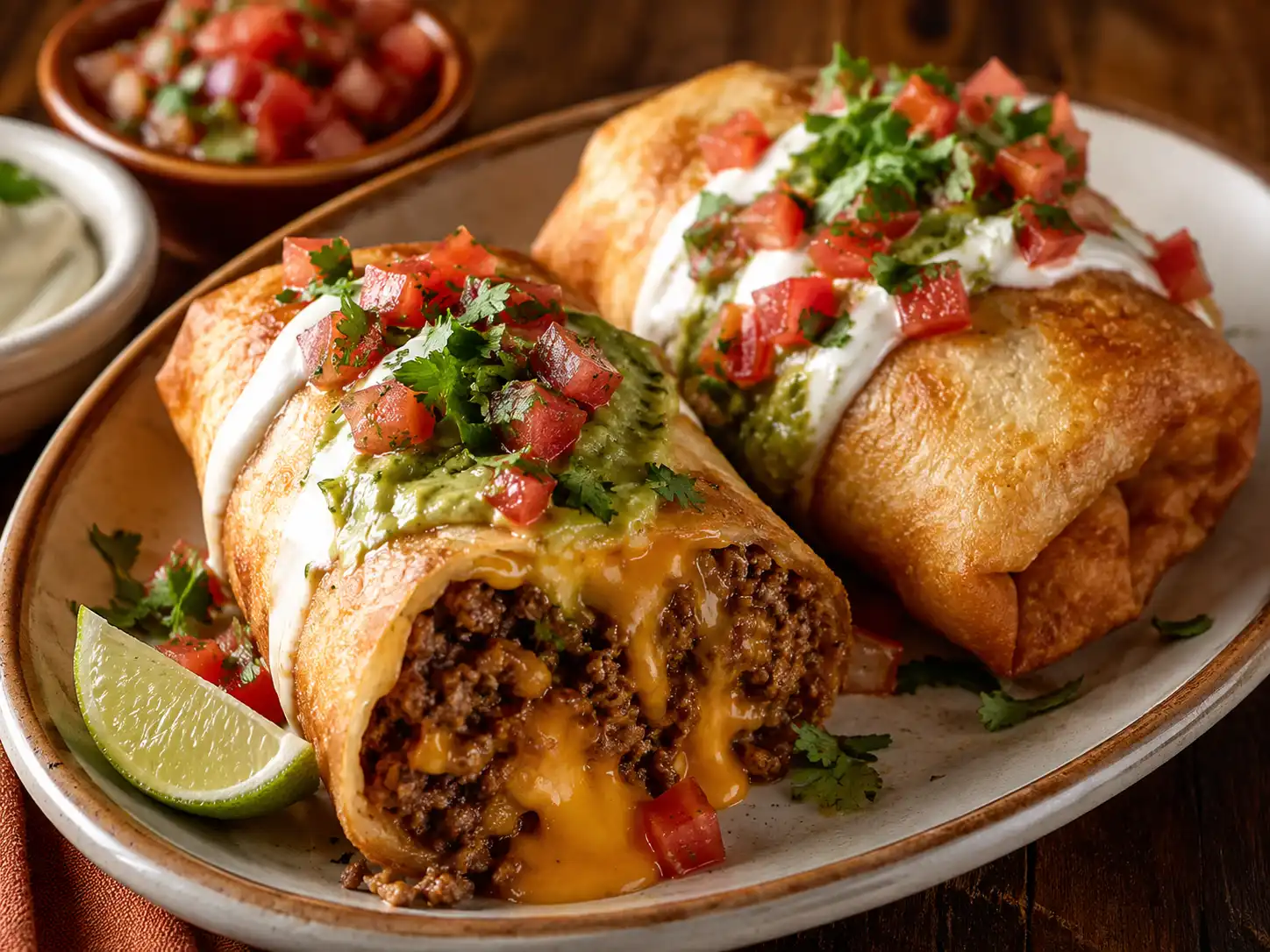
There are few culinary experiences quite as satisfying as biting into a perfectly golden, crispy Beef and Cheese Chimichanga. A staple of Tex-Mex and Northern Mexican cuisine, this dish represents the ultimate comfort food: a hearty, savory filling of seasoned ground beef and melted cheese, tightly wrapped in a flour tortilla and deep-fried to crunchy perfection. Often served smothered in enchilada sauce or accompanied by cool sour cream and fresh guacamole, the chimichanga is a textural masterpiece. The contrast between the shattering crispness of the exterior shell and the gooey, warm interior creates a flavor profile that has captivated appetites for decades. Whether you are hosting a festive dinner party or seeking a robust meal for a chilly evening, mastering the art of the chimichanga is a rite of passage for any home cook looking to elevate their Mexican-inspired repertoire.
The History
The origins of the chimichanga are shrouded in delicious folklore, with the most popular legend tracing its roots to Tucson, Arizona, in the 1950s. The story goes that Woody Johnson, the founder of the famous Macayo’s Mexican Kitchen, accidentally dropped a burrito into a deep fryer. Upon retrieving the fried parcel, he tasted it and was so delighted by the result that he added it to the menu. When asked what it was, he supposedly replied with a nonsense word, “chimichanga,” which is often cited as a euphemism for a swear word (similar to “thingamajig”) to avoid offending customers.
However, culinary historians suggest the dish likely originated earlier in Sonora, Mexico. The name itself is derived from the Spanish word chimi, a colloquial term for a child or a mischievous person, and changa, referring to a monkey or something tangled. Over time, the dish migrated north across the border, evolving from a regional specialty into an icon of American-Mexican fusion cuisine. Today, it stands as a testament to the creativity of border cooking, where simple ingredients are transformed through technique into something extraordinary.
Ingredients Breakdown
To create an exceptional chimichanga, one must understand the role each component plays in the final structure and flavor profile.
The Beef
The foundation of the filling is the beef. While lean ground beef is often touted as healthier, an 80/20 blend (80% lean meat, 20% fat) is superior for chimichangas. The fat renders down during the cooking process, carrying the fat-soluble flavors of the spices and keeping the meat moist. If you use meat that is too lean, the filling can become dry and crumbly once fried. For a more rustic texture, some cooks prefer chuck roast that has been slow-cooked and shredded, but ground beef remains the classic standard for its ability to pack tightly into the tortilla.
The Cheese
Cheese is the binding agent that holds the chimichanga together. A blend is often best. Monterey Jack offers a mild, creamy melt, while sharp Cheddar provides a tangy kick that cuts through the richness of the fried dough. Queso Quesadilla or Asadero cheese are authentic Mexican melting cheeses that provide a stringy, elastic texture. Avoid pre-shredded bagged cheese if possible, as the anti-caking agents (usually potato starch) can prevent the cheese from melting into a smooth, cohesive pool.
The Tortilla
The vessel is just as important as the cargo. You need large, burrito-sized flour tortillas (10 to 12 inches). Corn tortillas will shatter if deep-fried in this manner. The tortilla must be pliable; if it is cold or stale, it will crack when you attempt to roll it. Warming the tortillas slightly before assembly makes them elastic and easier to seal, ensuring no oil leaks into the filling during the frying process.
The Seasoning
A robust seasoning blend is non-negotiable. Cumin provides the earthy backbone, chili powder adds heat and color, garlic powder and onion powder offer savory depth, and a touch of oregano adds a herbal note. Many cooks also add a splash of beef broth or tomato sauce to the meat mixture to create a slight gravy that keeps the interior succulent.
Step-by-Step Recipe Narrative
Creating the perfect chimichanga is a process of layering flavors and mastering heat. It begins with the browning of the beef. In a large skillet over medium-high heat, you will crumble the ground beef, cooking it until it loses its raw pink color and develops a nice sear. This is the moment to drain excess grease, leaving just enough to coat the pan. Next comes the aromatics; adding diced onions and garlic to the meat allows them to soften and sweeten without burning.
Once the aromatics are translucent, you introduce the spices. Toasting the cumin and chili powder in the hot fat of the pan for thirty seconds before adding liquids “blooms” the spices, releasing their essential oils. You then simmer the mixture with a small amount of liquid—beef broth or salsa—until the mixture is moist but not soupy. A wet filling will make the tortilla soggy and prone to bursting.
The assembly phase requires precision. Lay your warmed tortilla flat. Place a generous scoop of the beef mixture slightly off-center, followed by a heavy hand of shredded cheese. The folding technique is crucial: fold the sides in, then roll from the bottom up, creating a tight cylinder. The seam must be placed face-down on the plate to seal it with the heat of the filling.
Finally, the fry. Heat your oil to 350°F (175°C). This temperature is the sweet spot; too hot, and the tortilla burns before the cheese melts; too cool, and the chimichanga absorbs oil and becomes greasy. Fry seam-side down first to seal the package, then turn to brown all sides. The result should be a uniform golden brown. Drain on a wire rack rather than paper towels to maintain crispness on all sides.
Tips for Perfection
- The Double Fry Method: For extra crunch, fry the chimichangas until lightly golden, let them rest for 5 minutes, and then flash fry them again for 30 seconds. This ensures the interior is piping hot and the exterior is shatteringly crisp.
- Seal the Deal: If you are worried about your chimichangas unraveling in the oil, use a toothpick to secure the seam before frying. Just remember to remove it before serving!
- Oil Temperature Control: Use a candy or deep-fry thermometer. Visual cues can be deceiving. Maintaining 350°F is critical for a non-greasy result.
- Don’t Overstuff: It is tempting to fill the tortilla to the brim, but overstuffing makes rolling difficult and increases the risk of the tortilla bursting under the pressure of the expanding hot air and melting cheese.
- Rest the Meat: Let your beef filling cool slightly before assembling. If the meat is boiling hot, it will steam the tortilla from the inside, making it gummy and difficult to roll tightly.
Variations and Customizations
While beef and cheese is the gold standard, the chimichanga is a versatile canvas for culinary creativity.
Protein Swaps
Chicken: Shredded rotisserie chicken or poached breast mixed with green chiles and a cream cheese base makes for a lighter, “White Chicken Chimichanga.”
Carnitas: Slow-cooked pulled pork with orange and lime notes pairs beautifully with a sharp cheddar and a drizzle of chipotle crema.
Vegetarian: Swap the meat for a mixture of black beans, corn, roasted bell peppers, and zucchini. Add extra cheese or a scoop of rice to bulk up the filling.
Flavor Profiles
Breakfast Chimichanga: Fill with scrambled eggs, chorizo, hash browns, and cheese for a hearty morning meal.
Spicy Kick: Add diced jalapeños to the beef mixture or use Pepper Jack cheese. Serve with a spicy salsa verde instead of red sauce.
The “Wet” Chimichanga: Instead of serving it dry and crispy, place the fried chimichanga in a baking dish, smother it with red enchilada sauce and more cheese, and bake until bubbly. This transforms the texture from crunchy to soft and saucy.
Health Considerations and Nutritional Value
It is important to acknowledge that a traditional deep-fried chimichanga is an indulgent meal. A single large chimichanga can range from 600 to 900 calories, depending on the size of the tortilla, the fat content of the beef, and the amount of oil absorbed during frying. They are typically high in saturated fats and sodium.
However, they do offer a significant amount of protein from the beef and cheese, which can be satiating. Calcium is also present in good quantities due to the dairy. To make this dish healthier without sacrificing too much flavor, consider the following modifications:
- Baking: Brush the assembled chimichangas with a light layer of olive oil or cooking spray and bake at 400°F (200°C) for 20-25 minutes, flipping halfway through. This reduces the fat content significantly while still providing a browned exterior.
- Leaner Meat: Using 90/10 ground beef or ground turkey reduces the calorie count, though you may need to add a teaspoon of oil to the pan to prevent sticking.
- Whole Wheat Tortillas: Swapping white flour tortillas for whole wheat adds fiber, though the texture will be slightly denser and less prone to blistering.
- Portion Control: Make “mini” chimichangas using taco-sized tortillas. This allows for portion control and makes for excellent appetizers.
Ingredients
- 1 lb (450g) ground beef (80/20 blend recommended)
- 1 medium yellow onion, finely diced
- 3 cloves garlic, minced
- 1 packet (1 oz) taco seasoning mix (or homemade blend)
- 1/2 cup beef broth or salsa
- 4 large (10-12 inch) flour tortillas
- 2 cups shredded cheese (Monterey Jack and Cheddar blend)
- Vegetable oil or canola oil, for frying (about 4-6 cups)
- Optional Garnishes: Sour cream, guacamole, pico de gallo, shredded lettuce, cilantro
Directions
- Prepare the Filling: In a large skillet over medium-high heat, cook the ground beef and diced onion until the beef is browned and the onions are soft, about 7-8 minutes. Break up the meat with a wooden spoon as it cooks. Drain excess fat, leaving about 1 tablespoon in the pan.
- Season: Add the minced garlic and cook for 1 minute until fragrant. Stir in the taco seasoning and beef broth (or salsa). Reduce heat to low and simmer for 5 minutes until the liquid has mostly evaporated but the meat remains moist. Remove from heat and let cool slightly.
- Warm Tortillas: Wrap the flour tortillas in a damp paper towel and microwave for 30 seconds, or heat them briefly in a dry skillet. This makes them pliable and prevents cracking.
- Assemble: Lay a tortilla flat on a clean surface. Spoon about 1/4 of the beef mixture slightly below the center of the tortilla. Top with a generous 1/2 cup of shredded cheese.
- Roll: Fold the left and right sides of the tortilla inward over the filling. Fold the bottom edge up over the filling, tucking it in tightly. Roll the bundle upward to form a cylinder. Place the chimichanga seam-side down on a plate.
- Heat Oil: In a deep skillet, Dutch oven, or deep fryer, heat 2 inches of oil to 350°F (175°C).
- Fry: Carefully place the chimichangas into the hot oil, seam-side down first. Fry for 2-3 minutes per side, turning carefully with tongs, until all sides are golden brown and crispy.
- Drain and Serve: Remove from oil and place on a wire rack set over a baking sheet to drain excess oil. Serve immediately with your favorite toppings.
FAQ
Can I make chimichangas ahead of time?
Yes. You can assemble the chimichangas and freeze them before frying. Wrap them individually in plastic wrap and freeze for up to 3 months. When ready to eat, you can fry them directly from frozen (adding a few minutes to the cooking time) or bake them from frozen at 375°F for about 25-30 minutes.
Why did my chimichanga burst open in the oil?
This usually happens for two reasons: the tortilla wasn’t sealed tightly enough, or the filling was too wet. Ensure you roll them tightly and let the meat mixture cool and thicken before assembling. Also, always place the seam side down in the oil first to let the heat seal it shut.
What oil is best for frying?
You want an oil with a high smoke point. Canola, vegetable, peanut, or avocado oil are excellent choices. Avoid olive oil or butter, as they will burn at the high temperatures required for frying.
Can I use an Air Fryer?
Absolutely. Brush the assembled chimichangas generously with oil on all sides. Place them in the air fryer basket (do not overcrowd) and cook at 380°F for 10-12 minutes, flipping halfway through, until golden and crisp.
Summary
Beef and Cheese Chimichangas are a crispy, deep-fried delight featuring seasoned ground beef and melted cheese wrapped in a flour tortilla. Master the technique of tight rolling and proper oil temperature to achieve the perfect golden crunch every time.