Introduction
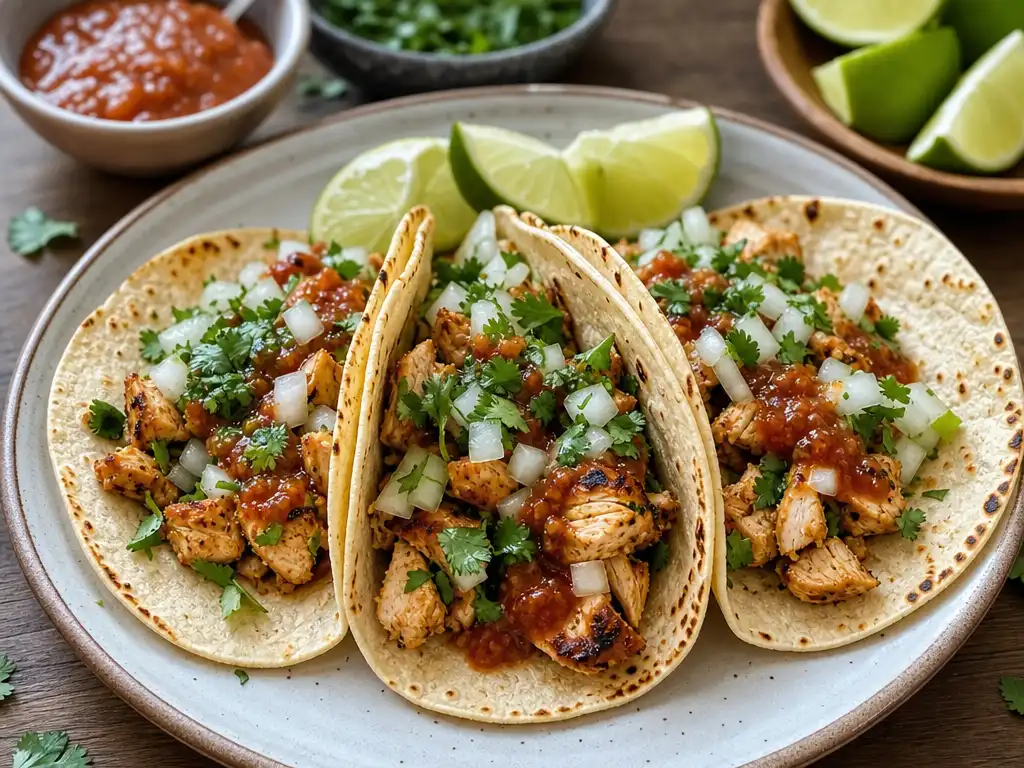
There is perhaps no culinary experience quite as visceral and satisfying as biting into an authentic chicken street taco. These compact bundles of flavor represent the heartbeat of Mexican street food culture, offering a perfect harmony of textures and tastes that transcend mere sustenance to become a cultural event. Unlike the hard-shell, cheese-laden versions often found in fast-food chains, authentic street tacos are built on a foundation of simplicity and quality. They rely on soft corn tortillas, succulent marinated chicken, and a vibrant garnish of fresh cilantro and diced onions, all tied together with a squeeze of lime and a dash of spicy salsa. The appeal lies in their accessibility and their intensity; each bite is concentrated with the smoky char of the grill, the brightness of citrus, and the earthy depth of maize. Whether you are navigating the bustling corners of Mexico City or recreating the experience in your home kitchen, mastering the art of the chicken street taco is a journey into one of the world’s most beloved culinary traditions. This guide will walk you through every aspect of creating this dish, ensuring that your result is not just a meal, but an authentic tribute to the taquerías of Latin America.
The History
The origins of the taco are deeply rooted in the history of Mexico, predating the arrival of the Spanish conquistadors. Indigenous peoples of the Valley of Mexico used tortillas as edible utensils, filling them with small fish and other available proteins. However, the specific concept of the “street taco” as we know it today evolved significantly during the 19th and 20th centuries. As urbanization swept through Mexico City, the need for quick, affordable, and portable meals for the working class gave rise to the taquería stands that line the streets today. The chicken taco, specifically, gained prominence as poultry became more accessible and affordable compared to beef or pork. In regions like Veracruz and Puebla, distinct marinades using local chilies and spices began to define regional variations. The term “street taco” distinguishes these smaller, authentic versions from the larger, Americanized Tex-Mex varieties. Historically, street tacos were served on two small corn tortillas to prevent breaking and to soak up the juices, a tradition that persists to this day. The culture of the “taquero,” the taco maker, is central to this history. These artisans stand over large comals or vertical spits, skillfully assembling tacos with speed and precision. The chicken street taco is a testament to this heritage, representing a fusion of indigenous maize culture and Spanish livestock farming, refined by centuries of street-side innovation.
Ingredients Breakdown
Understanding the role of each component is crucial to elevating your chicken street tacos from good to exceptional. The foundation is the corn tortilla. Unlike flour tortillas, corn tortillas undergo nixtamalization, a process where maize is treated with an alkaline solution, which unlocks nutrients and provides a distinct earthy flavor and pliable texture essential for street tacos. Look for tortillas made with just maize and lime, without preservatives. The chicken itself should ideally be thigh meat rather than breast. Thighs contain more fat and connective tissue, which ensures the meat remains juicy and tender even under high heat, whereas breast meat can easily dry out. The marinade is the soul of the dish. Acidic components like lime or orange juice help tenderize the meat, while oils carry fat-soluble flavors. Spices such as cumin, oregano, and chili powder provide the aromatic backbone. Fresh cilantro adds a necessary herbaceous brightness that cuts through the richness of the meat, while raw white onions provide a sharp, crunchy contrast. Finally, the salsa should not be an afterthought; it is a primary ingredient that adds heat, acidity, and complexity, balancing the entire profile of the taco.
Step-by-Step Recipe
Creating the perfect chicken street taco requires attention to timing and temperature. The process begins with the preparation of the marinade. In a large bowl, whisk together your citrus juices, minced garlic, chopped spices, and oil. Ensure the chicken is cut into uniform, bite-sized pieces to guarantee even cooking. Submerge the chicken completely in the marinade, cover, and refrigerate. This step is non-negotiable; allow at least two hours for the flavors to penetrate, though overnight marination yields superior results. When you are ready to cook, preheat your cooking surface. A cast-iron skillet or a flat-top griddle works best to mimic the comal used in street stalls. Heat the surface until it is smoking slightly to ensure a good sear. Cook the chicken in batches to avoid overcrowding, which steams the meat rather than searing it. You want a dark, caramelized char on the exterior. While the chicken rests, warm your tortillas directly over a gas flame or on the hot skillet until they are pliable and slightly charred. To assemble, place a small portion of chicken on the tortilla, top immediately with diced onions and cilantro, and finish with a squeeze of fresh lime and your chosen salsa. Serve immediately while hot.
Tips
- Double Up on Tortillas: Authentic street tacos are almost always served with two corn tortillas per taco. This prevents the taco from breaking apart when you pick it up and allows the bottom tortilla to absorb the flavorful juices from the meat.
- High Heat is Key: Do not be afraid of high heat when cooking the chicken. You want a Maillard reaction to occur, creating a browned crust that adds significant flavor depth. Low and slow cooking will result in boiled-tasting chicken.
- Rest the Meat: After cooking, let the chicken rest for a few minutes before chopping or serving. This allows the juices to redistribute throughout the meat, ensuring every bite is moist.
- Warm Tortillas Properly: Cold tortillas are brittle and will crack. Always warm them until they are soft and aromatic. Keeping them wrapped in a clean kitchen towel after warming helps retain steam and pliability.
- Balance the Acidity: If your salsa is very spicy, increase the amount of lime juice. If the meat is very rich, add more raw onion. Tasting as you assemble helps you find the perfect balance for your palate.
Variations and Customizations
While the classic chicken street taco is magnificent on its own, there is ample room for customization to suit different tastes and dietary needs. For a smoky variation, try marinating the chicken with chipotle peppers in adobo sauce, creating a Taco al Pastor inspired flavor profile without the pork. For those who prefer a creamier texture, a drizzle of crema or sliced avocado can add richness, though this deviates from the strict street style. Regional variations abound; in Baja California, tacos might be topped with a cabbage slaw and a creamy white sauce, while in Yucatán, achiote paste is used for a vibrant red color and distinct earthy flavor. For a low-carb option, you can substitute the corn tortilla with large lettuce leaves, though this changes the traditional experience significantly. Spice levels can be adjusted by changing the type of salsa; use a roasted tomato salsa for mild heat, or a habanero salsa for intense heat. Vegetarians can substitute the chicken with grilled mushrooms or cauliflower florets marinated in the same spice blend to achieve a similar texture and flavor absorption.
Health Considerations and Nutritional Value
Chicken street tacos can be a surprisingly healthy meal option when prepared with mindful ingredients. Chicken is an excellent source of lean protein, essential for muscle repair and satiety. Corn tortillas are generally lower in calories and fat than flour tortillas and provide a good amount of dietary fiber, which aids in digestion. The fresh toppings, including cilantro, onions, and tomatoes in the salsa, contribute vitamins C and K, as well as antioxidants. However, sodium content can be a concern, particularly in the marinade and the salsa. To manage this, prepare your salsa at home where you can control the salt levels, and use low-sodium soy sauce or spices instead of salt in the marinade. The fat content depends largely on the cut of chicken used; using breast meat reduces saturated fat, while thighs provide healthier monounsaturated fats but at a higher calorie count. Portion control is also important, as it is easy to consume multiple tacos in one sitting. Overall, compared to many fast-food alternatives, homemade chicken street tacos offer a nutrient-dense, whole-food meal that supports a balanced diet.
Ingredients
- 1.5 lbs boneless, skinless chicken thighs, trimmed and cut into bite-sized pieces
- 12 small corn tortillas (authentic maize preferred)
- 1/2 cup fresh lime juice (about 4-5 limes)
- 1/4 cup fresh orange juice
- 4 cloves garlic, minced
- 1 tablespoon ground cumin
- 1 tablespoon dried oregano (Mexican oregano preferred)
- 1 teaspoon chili powder
- 1/2 teaspoon smoked paprika
- 1/4 cup vegetable oil or avocado oil
- 1 cup white onion, finely diced
- 1 cup fresh cilantro, chopped
- Salt and black pepper to taste
- Lime wedges for serving
- Your favorite salsa (verde or roja)
Directions
- In a large mixing bowl, combine the lime juice, orange juice, minced garlic, cumin, oregano, chili powder, smoked paprika, oil, salt, and pepper. Whisk vigorously until the spices are well incorporated and the emulsion is stable.
- Add the chicken pieces to the bowl and toss thoroughly to ensure every piece is coated in the marinade. Cover the bowl with plastic wrap or transfer to a sealed bag.
- Refrigerate the chicken for at least 2 hours, preferably overnight, to allow the flavors to penetrate the meat and the acids to tenderize the protein.
- When ready to cook, heat a large cast-iron skillet or griddle over medium-high heat. Add a small amount of oil to prevent sticking.
- Remove the chicken from the marinade, shaking off excess liquid. Place the chicken in the hot skillet in a single layer. Do not overcrowd the pan; cook in batches if necessary.
- Cook the chicken for 5-7 minutes, turning occasionally, until the meat is cooked through and has developed a dark, caramelized char on the edges.
- While the chicken cooks, warm the corn tortillas. You can do this on a separate dry skillet for 30 seconds per side or directly over a gas flame for a few seconds until pliable.
- Keep the warmed tortillas wrapped in a clean kitchen towel to keep them soft and warm until serving.
- To assemble, take two tortillas per taco. Place a generous portion of the cooked chicken in the center.
- Top immediately with the diced white onion and chopped fresh cilantro.
- Serve with lime wedges and salsa on the side, encouraging diners to squeeze lime and add salsa to their preference.
FAQ
Can I use chicken breast instead of thighs?
Yes, you can use chicken breast, but be careful not to overcook it as it lacks the fat content of thighs and will dry out quickly. Reduce the cooking time by a minute or two.
How do I store leftover tacos?
It is best to store the components separately. Keep the cooked chicken in an airtight container in the refrigerator for up to 3 days. Store tortillas separately to prevent them from becoming soggy. Reheat the chicken in a skillet to restore texture.
Are corn tortillas gluten-free?
Traditional corn tortillas made from maize and lime are naturally gluten-free. However, always check the packaging if you have Celiac disease, as some commercial brands may process wheat in the same facility.
Can I freeze the marinated chicken?
Absolutely. You can freeze the chicken in the marinade for up to 3 months. Thaw it in the refrigerator overnight before cooking.
What salsa goes best with chicken tacos?
Salsa Verde (green salsa) made with tomatillos is a classic pairing that offers a tangy contrast to the chicken. Salsa Roja (red salsa) made with roasted tomatoes and chilies is also an excellent choice for a smokier flavor.
Summary (in two lines)
Authentic chicken street tacos combine marinated, char-grilled poultry with soft corn tortillas and fresh toppings.
This dish offers a vibrant, healthy, and culturally rich meal that is quick to prepare and bursting with flavor.