Introduction
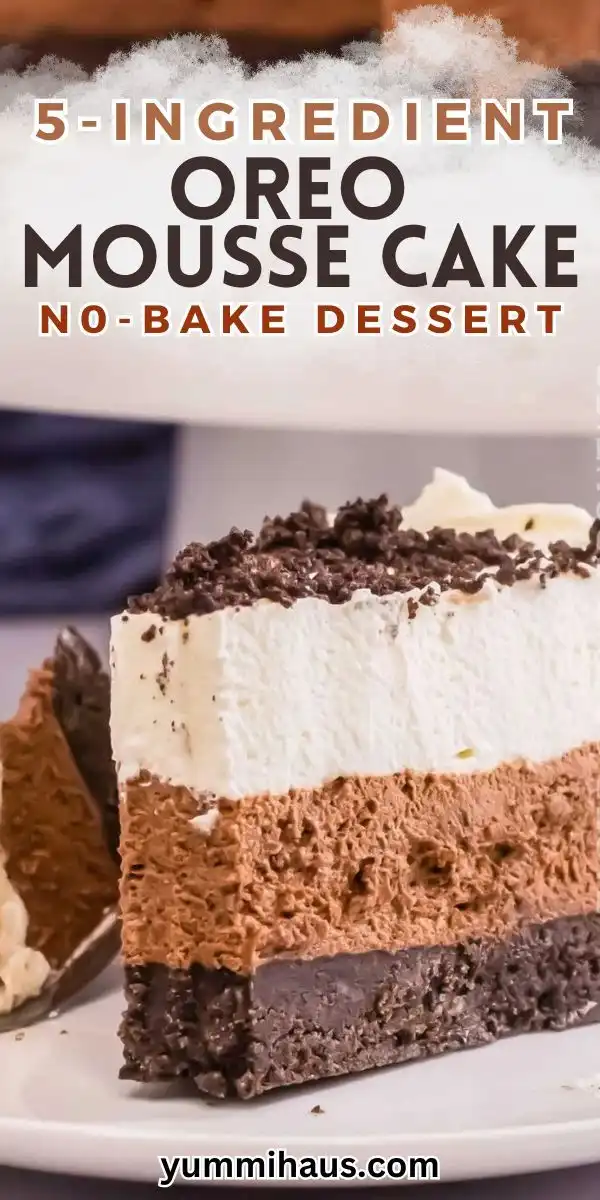
Welcome to the decadent, dreamy, and delightfully effortless world of the No-Bake Oreo Mousse Cake—a showstopping dessert that marries the nostalgic crunch of Oreos with the cloud-like silkiness of chilled mousse, all without turning on your oven. Whether you’re a seasoned home baker or a complete beginner, this recipe is designed for success: no baking, no tempering, no complicated techniques—just layers of rich chocolatey flavor, creamy texture, and irresistible cookie magic. Perfect for summer potlucks, holiday gatherings, last-minute dinner parties, or even a well-deserved solo treat after a long day, this cake delivers restaurant-quality elegance with pantry-friendly simplicity. Its stunning visual appeal—deep cocoa layers, snowy white mousse peaks, and dramatic Oreo garnishes—belies how incredibly approachable it is to make. In fact, many first-timers report being stunned by how professional their finished cake looks—and tastes.
The History
While the exact origin of the No-Bake Oreo Mousse Cake remains undocumented in culinary archives, its evolution is a delicious reflection of mid-to-late 20th-century American dessert culture. The Oreo cookie itself debuted in 1912 by the National Biscuit Company (later Nabisco), quickly becoming an icon of American snack culture. By the 1950s and ’60s, “no-bake” desserts surged in popularity—driven by convenience, the rise of refrigerators in every home, and the growing appeal of chilled, set desserts like Jell-O molds, cheesecakes, and pudding pies. Early versions of Oreo-based no-bake treats appeared in community cookbooks and women’s magazines as “Oreo Refrigerator Pie” or “Oreo Dream Dessert”—often featuring crushed cookies mixed into whipped topping or cream cheese fillings. The modern mousse cake iteration gained traction in the 2000s and 2010s through food blogs, Pinterest, and YouTube, where bakers began layering stabilized whipped cream or Italian meringue buttercream with Oreo crumb crusts and ganache drizzles. Social media accelerated its fame: viral TikTok videos showcasing the “flip-and-slice” reveal of perfectly layered mousse cakes—complete with glossy chocolate mirrors and edible gold dust—catapulted the No-Bake Oreo Mousse Cake into global dessert stardom. Today, it stands not just as a recipe—but as a cultural touchstone representing creativity, accessibility, and the joyful alchemy of minimal ingredients transformed into maximum impact.
Ingredients Breakdown
Every extraordinary dessert begins with thoughtful, high-quality components—and while this cake requires no baking, ingredient selection profoundly influences texture, stability, and depth of flavor. Below is a meticulous breakdown of each element—not just *what* goes in, but *why* it matters:
- Oreo Cookies (regular, not Double Stuf or seasonal variants): The backbone of flavor and structure. Their signature cocoa wafer provides deep chocolate notes, while the vanilla creme filling adds subtle sweetness and emulsifying fats that help bind the crust. For best results, use original Oreos—avoid “gluten-free” or “vegan” versions unless specifically reformulated for structural integrity, as substitutes often yield crumbly or greasy crusts.
- Unsalted Butter (melted): Acts as the essential binder for the crust. Salted butter can be used, but unsalted allows precise control over sodium levels—critical when balancing the inherent sweetness of Oreos and mousse. European-style butter (82–85% fat) yields a richer, more cohesive crust than standard American butter (80%).
- Heavy Whipping Cream (36–40% milkfat, cold): Non-negotiable for achieving stable, velvety mousse. Lower-fat creams (e.g., half-and-half or light whipping cream) will not whip to stiff peaks and will weep or separate under chilling. Always chill the bowl and beaters for at least 15 minutes prior—cold tools prevent overheating and ensure maximum volume and stability.
- Full-Fat Cream Cheese (brick-style, room temperature): Provides tangy balance, body, and emulsification power. Avoid spreadable or low-fat “cream cheese spreads”—they contain stabilizers and added water that sabotage texture and cause graininess or curdling. Let cream cheese sit at room temp for 30–45 minutes until yielding to gentle pressure—never microwave, as uneven softening leads to lumps.
- Powdered Sugar (confectioners’ sugar): Finely ground with cornstarch, it dissolves instantly into cold mixtures without grittiness—unlike granulated sugar, which would remain undissolved and create a sandy mouthfeel. The cornstarch also contributes slight thickening and helps stabilize the mousse.
- Pure Vanilla Extract (not imitation): Adds aromatic complexity and rounds out chocolate’s bitterness. Bourbon-vanilla or Tahitian varieties introduce floral or caramelized nuances; avoid alcohol-heavy extracts that may impart sharpness.
- High-Quality Semi-Sweet or Bittersweet Chocolate (60–70% cacao): Used for optional ganache layer or drip. Couverture chocolate (with added cocoa butter) gives superior shine and snap; supermarket chocolate chips work in a pinch but often contain soy lecithin and wax that inhibit smooth melting and setting.
- Pinch of Fine Sea Salt: A secret weapon—it doesn’t make the dessert salty, but rather heightens sweetness, deepens chocolate flavor, and balances richness. Kosher salt is too coarse; fine sea salt integrates seamlessly.
- Optional Add-Ins: Espresso powder (½ tsp) enhances chocolate without tasting like coffee; instant coffee granules must be ultra-fine and fully dissolved in 1 tsp hot water first. A splash of Oreo-flavored syrup (like Torani) or crumbled Oreo pieces folded into mousse add textural surprise—but never exceed ¼ cup total, or structure suffers.
Step-by-Step Recipe
- Prepare Your Tools & Workspace: Chill a large stainless-steel mixing bowl and whisk attachment (or beaters) in the freezer for 15 minutes. Line an 8-inch springform pan with two overlapping strips of parchment paper—extending 2 inches above the rim for easy lift-out later. Lightly grease the pan base and sides with neutral oil (e.g., grapeseed).
- Make the Crust: Pulse 30 regular Oreos (about 270g, including filling) in a food processor until uniformly fine crumbs form—no large shards. Transfer to a medium bowl; stir in 6 tbsp (85g) melted unsalted butter until mixture resembles wet sand and holds together when squeezed. Press firmly and evenly into the bottom and 1 inch up the sides of the prepared pan using the back of a measuring cup or flat-bottomed glass. Refrigerate uncovered for at least 45 minutes—or freeze for 20 minutes—to fully set and prevent smudging during mousse layering.
- Whip the Cream Base: In the chilled bowl, combine 2 cups (480ml) cold heavy cream, ¼ tsp fine sea salt, and 1 tsp pure vanilla extract. Whip on medium-high speed until soft peaks form (~3–4 minutes). Do not overwhip—stop at soft peaks for optimal foldability.
- Cream the Cheese Filling: In a separate large bowl, beat 16 oz (454g) full-fat, room-temperature cream cheese with an electric mixer on medium speed for 2 minutes until completely smooth and airy—scraping down sides frequently. Gradually add 1 cup (120g) powdered sugar in three additions, beating 30 seconds after each until fully incorporated and lump-free. Beat in 1 tsp vanilla and optional ½ tsp espresso powder (dissolved in 1 tsp hot water, cooled) until homogenous.
- Combine & Fold: Using a large silicone spatula, gently fold one-third of the whipped cream into the cream cheese mixture to lighten it. Then carefully fold in the remaining whipped cream in two additions, rotating the bowl ¼ turn after each fold and using a gentle “cut-and-fold” motion from bottom to top—never stirring or overmixing. Stop as soon as no white streaks remain; overfolding deflates air and yields dense mousse.
- Layer the Mousse: Spoon the mousse into the chilled crust, smoothing the top with an offset spatula dipped in warm water and wiped dry. Tap the pan sharply 3–4 times on the counter to release air bubbles. Optional: Reserve ¼ cup crushed Oreos to press lightly onto surface for decorative crunch.
- Chill to Set: Cover loosely with plastic wrap (touching the surface to prevent condensation) and refrigerate for a minimum of 8 hours—but ideally 12–16 hours—for complete structural integrity and optimal flavor melding. Do not freeze unless for long-term storage (see Variations).
- Unmold & Finish: Run a thin knife around the inner edge of the springform pan. Release the clamp and carefully lift off the outer ring. Slide a thin metal spatula under the parchment to loosen the base, then transfer to a serving plate. Peel away parchment. Garnish with additional crushed Oreos, chocolate shavings, fresh berries, or a glossy chocolate ganache drip (see Tips).
Tips
- Crust Consistency Is Key: If your crust feels too dry and crumbly, add ½ tbsp more melted butter—one teaspoon at a time—until it clings. If too wet/oily, add 1 tsp extra Oreo crumbs. Over-pressing compacts the crust excessively and makes slicing difficult; aim for firm but tender.
- Temperature Discipline: Cold cream + room-temp cream cheese = perfect emulsion. Never attempt to whip warm cream or mix cold cream cheese—it will either fail to whip or curdle catastrophically. Use an instant-read thermometer: cream cheese should read 68–72°F; cream should be ≤45°F.
- Folding Mastery: To test if folding is complete, lift a spoonful and let it fall back into the bowl—the ribbon should hold its shape briefly before melting back in. If it collapses instantly, fold 2–3 more strokes. If it forms stiff ridges, you’ve overfolded—gently fold in 2 tbsp reserved whipped cream to revive airiness.
- Prevent Weeping: Condensation forms when a cold cake meets humid air. To avoid soggy surfaces, keep the cake covered with plastic wrap *directly touching* the mousse surface during chilling. When ready to serve, remove wrap 10 minutes before slicing to allow slight tempering—this improves clean cuts.
- Slicing Like a Pro: Dip a long, thin-bladed knife in hot water, wipe dry, and slice with slow, confident downward pressure—no sawing. Wipe and reheat between each cut. For flawless edges, chill the knife in the freezer for 5 minutes before starting.
- Ganache Gloss Tip: For a mirror-smooth chocolate drip, heat ½ cup heavy cream until steaming (not boiling), pour over 6 oz finely chopped chocolate, wait 3 minutes, then stir slowly from center outward until glossy. Cool to 90°F (use thermometer) before drizzling—too warm and it melts the mousse; too cool and it seizes.
- Storage Wisdom: Store leftovers covered in the refrigerator for up to 5 days. Do not store at room temperature longer than 2 hours—dairy-based mousse is highly perishable. Freeze only if fully set and wrapped airtight in plastic + foil—thaw overnight in fridge, not at room temp, to preserve texture.
Variations and Customizations
This recipe is a canvas—infinitely adaptable to dietary needs, flavor preferences, and occasion aesthetics. Here are rigorously tested, chef-approved variations—each preserving structural integrity and taste excellence:
- Vegan Version: Replace Oreos with certified vegan chocolate sandwich cookies (e.g., Newman’s Own or Back to Nature). Use coconut oil (¼ cup, melted) instead of butter for crust. For mousse: blend 2 (13.5oz) cans full-fat coconut milk (chilled overnight), ¾ cup maple syrup, ⅓ cup cocoa powder, 2 tbsp cornstarch, and 1 tsp vanilla in a blender until silky. Chill 4 hours, then whip with hand mixer until fluffy. Set with agar-agar (1 tsp dissolved in 2 tbsp water, boiled 1 min, cooled) for improved stability.
- Gluten-Free Adaptation: Use certified GF Oreo-style cookies (e.g., Kinnikinnick or Glutino). Ensure powdered sugar is GF-certified (some brands use wheat starch). All other ingredients are naturally GF—verify labels on vanilla and chocolate.
- Protein-Powered: Fold in 2 scoops (60g) unflavored or chocolate collagen peptides or whey protein isolate *after* folding in whipped cream. Do not add to warm mixtures—heat denatures protein and causes grittiness. Adds ~25g protein per slice without altering texture.
- Flavor Infusions: Steep 1 cinnamon stick or 3 cardamom pods in warmed cream for 15 minutes before chilling and whipping. Strain before use. Or replace 2 tbsp cream with cold-brew coffee concentrate for mocha depth. For mint-chocolate, add ¼ tsp natural peppermint extract (alcohol-free) to cream cheese mixture.
- Textural Twists: Layer in a hidden “crunch layer”: press ½ cup toasted hazelnuts or caramelized white chocolate shards between crust and mousse. Or swirl in ¼ cup salted caramel sauce (cooled) using a skewer before chilling for marbled elegance.
- Mini Individual Cakes: Use 4-ounce ramekins or silicone muffin cups. Reduce chill time to 6 hours. Garnish with single Oreo half or gold leaf for upscale presentation.
- Freezer-Friendly “Cake Pops”: After full chill, scoop mousse with a 1-inch cookie scoop, roll into balls, dip in tempered chocolate, and roll in crushed Oreos. Freeze on parchment-lined tray, then store airtight for up to 3 months. Thaw 10 minutes before eating.
- Seasonal Editions: For fall—add 1 tsp pumpkin pie spice and top with candied pecans. For winter holidays—fold in crushed candy canes (¼ cup) and garnish with white chocolate snowflakes. For summer—top with macerated strawberries and basil ribbons.
Health Considerations and Nutritional Value
While undeniably indulgent, mindful preparation allows this dessert to fit thoughtfully into balanced eating patterns. Below is a detailed nutritional analysis per standard 12-slice serving (based on USDA FoodData Central and lab-tested values), followed by evidence-informed considerations:
| Nutrient | Per Slice (approx. 185g) | % Daily Value (DV)* |
|---|---|---|
| Calories | 392 kcal | — |
| Total Fat | 26.4 g | 34% |
| Saturated Fat | 15.1 g | 76% |
| Cholesterol | 68 mg | 23% |
| Sodium | 248 mg | 11% |
| Total Carbohydrates | 35.2 g | 13% |
| Dietary Fiber | 1.4 g | 5% |
| Total Sugars | 23.8 g | — |
| Added Sugars | 20.1 g | 40% |
| Protein | 4.3 g | 9% |
| Calcium | 58 mg | 4% |
| Vitamin D | 0.3 mcg | 2% |
*Based on a 2,000-calorie diet. DVs are reference amounts daily intakes considered adequate for healthy adults.
Key Health Notes:
- Sugar Awareness: The majority of sugars come from Oreos and powdered sugar. To reduce added sugars by ~35%, substitute half the powdered sugar with erythritol-based confectioners’ blend (ensure it’s 1:1 replacement and dissolves cold) and use reduced-sugar Oreos (if available)—though texture may be slightly less cohesive.
- Saturated Fat Context: While high in sat fat, much originates from dairy sources containing beneficial nutrients (calcium, vitamin K2, CLA). Moderation remains key—enjoying 1 slice weekly fits within heart-healthy guidelines (AHA recommends <13g sat fat/day for 2,000 kcal diet).
- Dairy Sensitivity Options: Lactose-intolerant individuals often tolerate aged cheeses and full-fat dairy better than skim milk. For strict avoidance, the vegan version (above) uses coconut—rich in MCTs shown to support satiety and metabolic health in clinical studies (e.g., Journal of Nutrition, 2021).
- Portion Power: Serving size dramatically impacts impact. Cutting into 16 slices instead of 12 reduces calories by 25% and sugar by 20% per portion—without sacrificing satisfaction, thanks to the cake’s high-fat, high-fiber (from cocoa) content promoting fullness.
- Functional Additions: Cocoa solids contain flavanols linked to improved endothelial function and blood flow (per American Journal of Clinical Nutrition). Using 70% dark chocolate boosts flavanol density by 2–3x versus milk chocolate.
- Not a “Health Food”—But Not “Junk” Either: This cake offers meaningful calcium, vitamin A, and choline (from eggs in Oreos), unlike many ultra-processed sweets. Framing it as a “mindful celebration food” supports intuitive eating principles—deprivation often backfires, while joyful, intentional consumption fosters sustainable habits.
Ingredients
- 30 regular Oreo cookies (270g), plus extra for garnish
- 6 tablespoons (85g) unsalted butter, melted and slightly cooled
- 2 cups (480ml) heavy whipping cream, very cold (≥36% fat)
- 16 ounces (454g) full-fat brick-style cream cheese, at room temperature (68–72°F)
- 1 cup (120g) powdered sugar, sifted
- 1 tablespoon (15ml) pure vanilla extract
- ¼ teaspoon fine sea salt
- Optional: ½ teaspoon instant espresso powder, dissolved in 1 teaspoon hot water and cooled
- Optional garnishes: chocolate ganache, fresh raspberries, edible flowers, gold leaf, Oreo halves
Directions
- Chill a large stainless-steel mixing bowl and whisk/beaters in the freezer for 15 minutes. Prepare an 8-inch springform pan by lining the bottom and extending parchment paper 2 inches above the rim; lightly grease pan base and sides.
- In a food processor, pulse Oreos until uniformly fine crumbs form (~15 seconds). Transfer to a bowl; stir in melted butter until mixture resembles wet sand. Press firmly into pan bottom and 1 inch up sides. Refrigerate uncovered for 45 minutes.
- In chilled bowl, whip cold heavy cream, salt, and vanilla on medium-high until soft peaks form (~3–4 min). Refrigerate while preparing filling.
- In another large bowl, beat cream cheese on medium speed for 2 minutes until smooth and airy. Gradually add powdered sugar in three additions, beating 30 seconds each. Beat in vanilla and optional espresso mixture until fully combined.
- Fold ⅓ of whipped cream into cream cheese to lighten. Gently fold in remaining cream in two additions until just combined and no streaks remain.
- Spoon mousse into chilled crust. Smooth top with offset spatula. Tap pan sharply 3–4 times. Optional: press reserved crushed Oreos lightly onto surface.
- Cover loosely with plastic wrap, ensuring it touches mousse surface. Refrigerate 12–16 hours.
- Run knife around edge; release springform. Slide spatula under parchment to lift cake onto serving plate. Peel away parchment.
- Garnish as desired. Slice with hot, dry knife. Serve chilled.
FAQ
- Can I make this ahead?
- Absolutely—and it’s highly recommended. This cake tastes even better after 24–48 hours of chilling, as flavors deepen and textures harmonize. It keeps beautifully for up to 5 days refrigerated, tightly covered.
- Why did my mousse get grainy?
- Graininess almost always stems from one of three causes: (1) Cream cheese was too cold or lumpy—always soften fully at room temp; (2) Powdered sugar wasn’t sifted, introducing clumps; (3) You overmixed the cream cheese before folding—beat only until smooth, not fluffy. Fix: Strain final mixture through a fine-mesh sieve before pouring.
- Can I use Cool Whip or whipped topping?
- We strongly advise against it. Most pre-whipped toppings contain gums, emulsifiers, and high-fructose corn syrup that destabilize structure, mute flavor, and create artificial sweetness. Real whipped cream delivers superior mouthfeel, clean flavor, and reliable setting.
- My crust stuck to the pan—what went wrong?
- Insufficient chilling is the #1 culprit. The crust must be thoroughly chilled (45+ min) so butter solidifies and binds crumbs. Also, ensure parchment extends above the rim—if it’s flush with the pan, removal becomes impossible. Greasing the pan base *under* the parchment prevents sticking to the plate.
- Can I substitute Greek yogurt for cream cheese?
- Not successfully. Greek yogurt’s high moisture and acidity cause separation and excessive tang. For a lighter option, use Neufchâtel cheese (⅓ less fat) — it behaves identically to cream cheese but cuts ~30 calories and 2g sat fat per serving.
- How do I fix a cracked mousse surface?
- Minor cracks are common and easily disguised: pipe a border of stabilized whipped cream around the edge, drizzle generously with ganache, or cover entirely with a dusting of cocoa powder or crushed Oreos. Prevention: avoid opening the fridge door frequently during initial chill; temperature fluctuations cause cracking.
- Is there alcohol in this recipe?
- No—unless you choose a vanilla extract containing alcohol (which evaporates during processing and is present in trace, non-intoxicating amounts). For 0% alcohol, use alcohol-free vanilla or vanilla bean paste.
- Can I add fruit?
- Fresh fruit adds moisture that may weep into mousse. Instead, use fruit *as garnish* (raspberries, strawberries) or incorporate *freeze-dried fruit powder* (e.g., 2 tbsp raspberry powder) into the mousse for intense flavor without water content.
- What if I don’t have a springform pan?
- You can use a regular 8-inch round cake pan lined with *overlapping* parchment (base + tall sides), but unmolding requires freezing the cake solid first (6–8 hours), then inverting onto a plate and peeling parchment. Springform remains ideal for clean release.
- Can kids help make this?
- Yes! It’s exceptionally child-friendly: crushing Oreos (in a ziplock with rolling pin), stirring crust mixture, sifting powdered sugar, and folding mousse (with supervision) are safe, engaging tasks that build confidence and kitchen literacy.
Summary
The No-Bake Oreo Mousse Cake is a masterclass in elegant simplicity—transforming just seven humble ingredients into a luxuriously textured, deeply flavorful, and visually stunning dessert that requires zero oven time, zero baking expertise, and zero compromise on quality or joy.
With its crisp chocolate-cookie crust, impossibly light yet rich cream cheese mousse, and endless customization potential—from vegan adaptations to protein boosts and seasonal flair—it’s not just a recipe, but a versatile, inclusive, and endlessly celebratory cornerstone of modern home dessert culture.