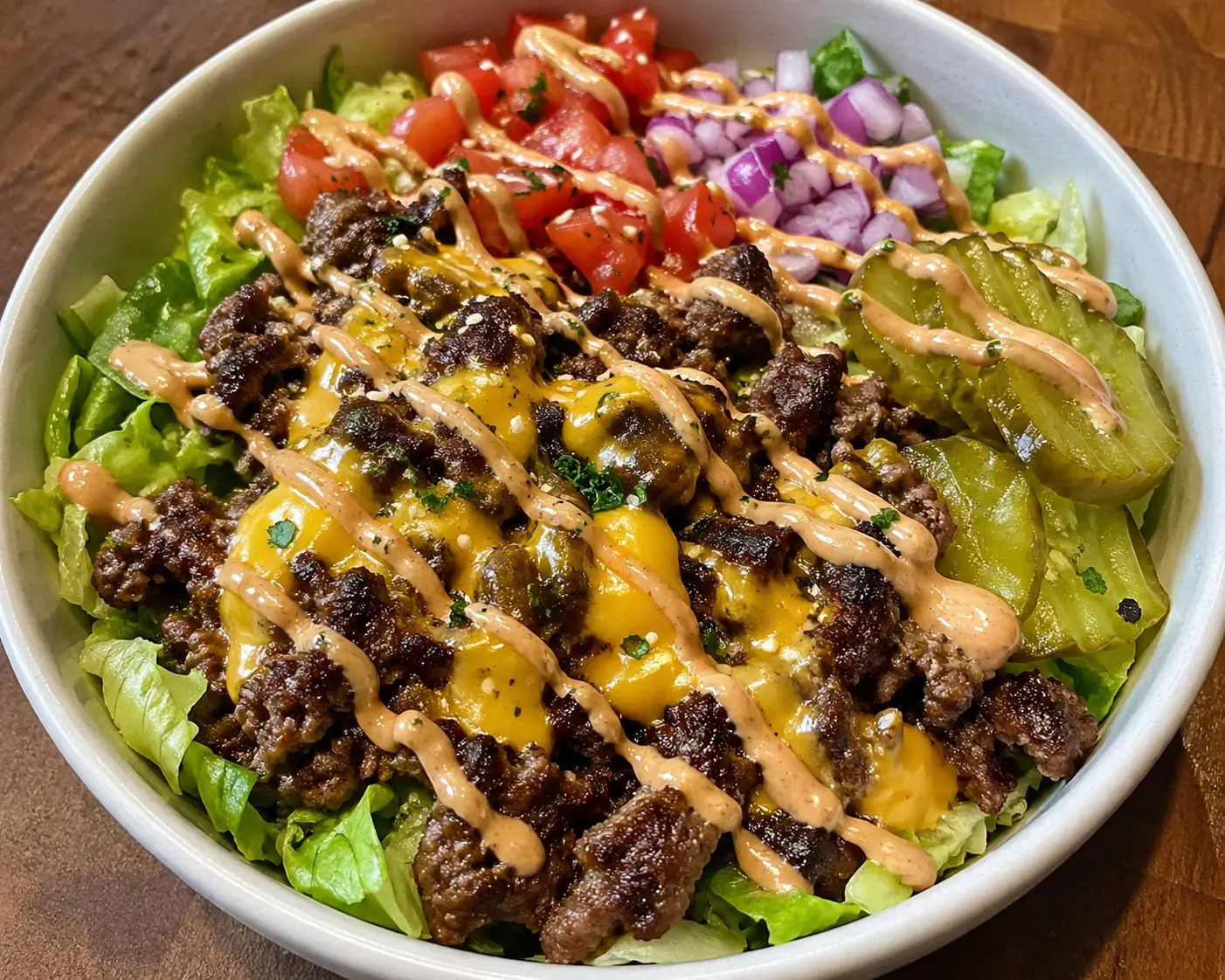
The Smash Burger Bowl is a modern take on one of the most iconic comfort foods: the burger. Instead of being stacked between buns, all the core elements are deconstructed and served in a bowl. This approach removes unnecessary carbs while preserving — and often enhancing — flavor, texture, and customization.
What makes this version stand out is the smash technique, which creates a deeply caramelized crust on the beef. Combined with fresh toppings and a well-balanced sauce, the result is a dish that delivers the full burger experience with more control and flexibility.
What Defines a Smash Burger Bowl
A smash burger bowl is not just a “burger without bread.” It is defined by three key elements:
- High-heat smashed beef that creates crispy edges
- Layered components that mimic the structure of a burger
- Balanced flavor profile (fat, salt, acid, freshness)
The smashing technique increases surface area, which enhances browning. This is critical because most of the flavor in beef comes from the Maillard reaction — the chemical process responsible for that rich, savory crust.
Core Ingredients
1. Ground Beef
- Ideal ratio: 80/20 (lean/fat)
- Provides flavor, juiciness, and proper crust formation
- Leaner beef works but sacrifices taste and texture
2. Cheese
- American cheese is the standard due to its melt quality
- Alternatives: cheddar, Swiss, pepper jack
- Should melt directly onto the hot patty
3. Base Layer
This replaces the bun:
- Shredded lettuce (most common)
- Mixed greens
- Cabbage slaw (adds crunch)
- Cauliflower rice (for a heavier bowl)
4. Toppings
- Tomatoes (freshness)
- Onions (sharpness)
- Pickles (acidity — essential)
- Optional: jalapeños, avocado, crispy onions
5. Sauce
The sauce is what connects everything:
- Classic: mayo + ketchup + mustard + pickle juice
- Variations: garlic aioli, chipotle mayo, yogurt-based sauces
Cooking Process
Step 1: Preparation
- Form loose balls of ground beef (do not compress)
- Chop all vegetables in advance
- Prepare sauce separately
Step 2: Smash Cooking
- Heat a cast iron pan or flat surface until very hot
- Place beef ball and immediately smash it flat
- Cook for 1–2 minutes without moving
- Flip once, add cheese, cook another minute
Key detail: do not press the patty again after flipping. This removes juices.
Step 3: Assembly
- Start with the base (lettuce or greens)
- Add fresh toppings
- Place chopped or whole smash patties on top
- Drizzle sauce evenly
Step 4: Final Touch
- Optional: sesame seeds for a “bun-like” flavor
- Optional: extra acidity (pickle juice or vinegar)
Why It Works
Flavor Concentration
The smashed beef creates maximum browning, which intensifies flavor.
Texture Contrast
- Crispy: beef edges, fresh vegetables
- Soft: cheese, interior of the patty
- Creamy: sauce
Customization
Without a bun, you control proportions precisely. Every bite can be optimized.
Nutritional Flexibility
You can easily adjust:
- Fat content (by changing beef ratio)
- Carbs (by modifying sauce and toppings)
- Protein (by adding more meat or eggs)
Nutritional Overview
A typical smash burger bowl:
- Calories: 500–700
- Protein: 25–40g
- Carbs: 5–15g
- Fat: moderate to high
It fits well into:
- Low-carb diets
- Keto plans
- High-protein meal strategies
Variations
Low-Carb Version
- Lettuce base
- Sugar-free sauce
- Add avocado for healthy fats
High-Protein Version
- Lean beef (90/10)
- Greek yogurt-based sauce
- Add extra patties or egg
Spicy Version
- Pepper jack cheese
- Jalapeños
- Chipotle or spicy mayo
BBQ Version
- BBQ sauce
- Cheddar cheese
- Crispy onions
Meal Prep Version
- Store components separately
- Reheat beef only
- Assemble fresh to maintain texture
Common Mistakes
- Using low heat → no crust develops
- Overworking the meat → dense texture
- Skipping acidity → dish feels heavy
- Too much sauce → overwhelms balance
- Mixing everything too early → soggy result
Practical Advantages
- Faster than traditional burgers
- No need for buns or baking
- Easier portion control
- Better for meal prep
- Scales easily for multiple servings
Conclusion
The Smash Burger Bowl is not just a substitute for a burger — it is a refined version of it. By focusing on high-heat cooking, balanced components, and flexible assembly, it delivers stronger flavor, better texture, and improved control over nutrition.
For anyone optimizing meals — whether for taste, performance, or convenience — this dish offers a high return with minimal complexity.