What Is a Dumpling Ramen Bowl?
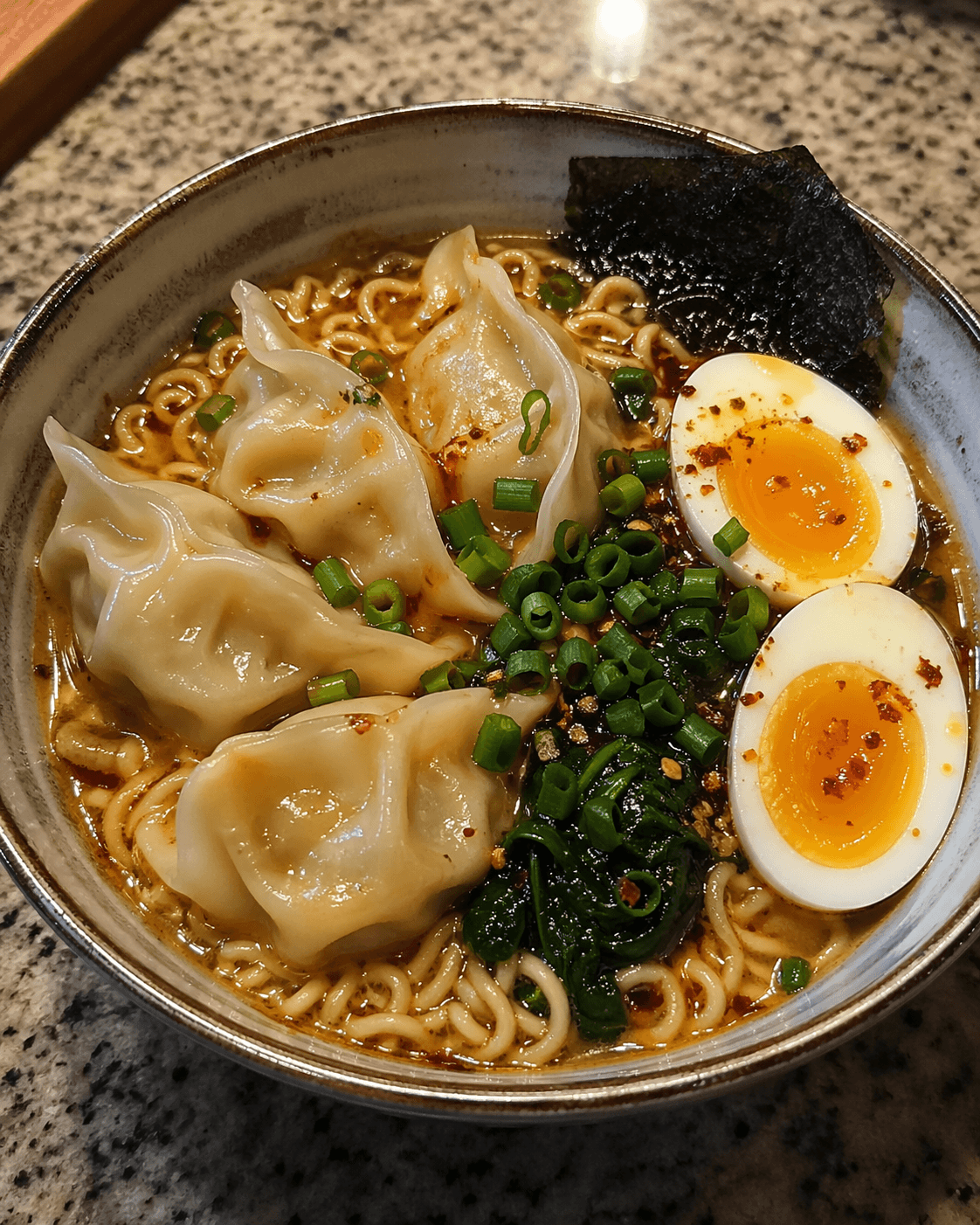
A dumpling ramen bowl is a fusion dish that combines two iconic elements of Asian cuisine: rich, flavorful ramen and tender, juicy dumplings (often known as gyoza or wontons). The result is a deeply satisfying meal that layers textures and flavors—savory broth, chewy noodles, and delicate dumplings—all in one bowl.
This dish has gained popularity in modern food culture because it delivers both comfort and variety, making it ideal for casual dining, home cooking, or even gourmet reinterpretations.
Why This Dish Works So Well
The appeal of a dumpling ramen bowl comes down to balance:
- Umami-rich broth: Typically made from chicken, pork, or miso bases
- Soft yet chewy noodles: Absorb and carry the broth’s flavor
- Dumplings: Add protein and a contrasting texture
- Toppings: Enhance depth (eggs, scallions, mushrooms, chili oil)
Each component complements the others, creating a complete, layered eating experience rather than a simple soup.
Key Ingredients
To build a high-quality dumpling ramen bowl, focus on these essentials:
1. Broth
- Tonkotsu (pork bone) for richness
- Miso for depth and slight sweetness
- Shoyu (soy sauce) for a lighter, balanced profile
2. Noodles
Fresh ramen noodles are ideal, but dried versions work if cooked properly (al dente, not mushy).
3. Dumplings
- Pork gyoza (most common)
- Chicken dumplings (lighter option)
- Vegetable dumplings (plant-based alternative)
Pan-fried dumplings add crispness, while boiled ones integrate more smoothly into the soup.
4. Toppings
- Soft-boiled eggs (jammy yolk preferred)
- Green onions
- Nori (seaweed)
- Mushrooms
- Chili oil or sesame oil
Step-by-Step Preparation
1. Prepare the Broth
Simmer your base (store-bought or homemade) and adjust seasoning with soy sauce, garlic, and ginger.
2. Cook the Dumplings
- Pan-fry for a crispy bottom
- Or boil/steam for a softer texture
3. Boil the Noodles
Cook separately to avoid overcooking in the broth.
4. Assemble the Bowl
- Add noodles to the bowl
- Pour hot broth over them
- Place dumplings on top
- Add toppings strategically
5. Finish with Oils or Garnish
A drizzle of chili oil or sesame oil elevates aroma and flavor.
Pro Tips for Better Flavor
- Do not overcook noodles — they continue cooking in hot broth
- Use layered seasoning — taste broth before serving
- Contrast textures — combine crispy dumplings with soft noodles
- Keep it hot — serve immediately for best experience
Variations to Explore
- Spicy Dumpling Ramen: Add chili paste or Sichuan oil
- Vegetarian Version: Use miso broth and veggie dumplings
- Seafood Fusion: Shrimp dumplings with light broth
- Street-Style Bowl: Simple toppings, bold seasoning