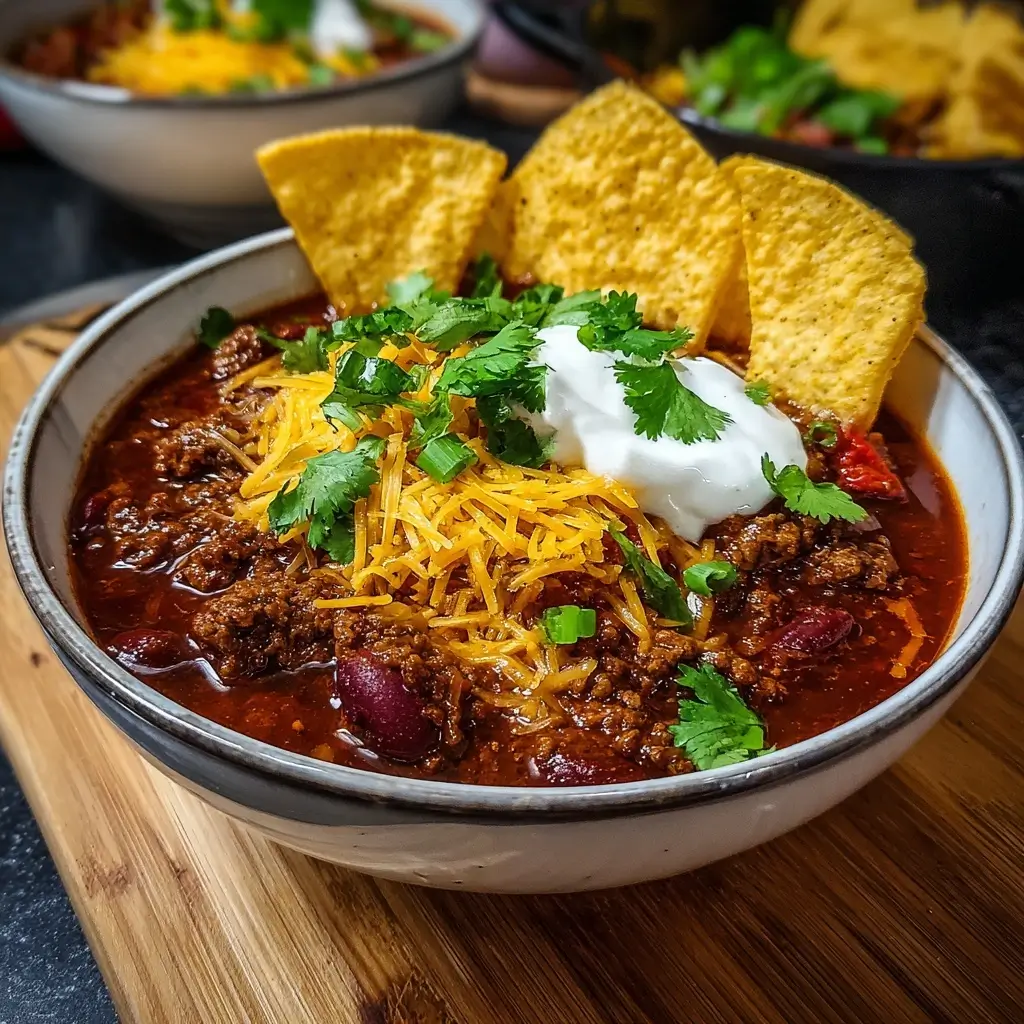
Classic Beef Chili: A Hearty, Time-Honored Comfort Dish
The History of Classic Beef Chili
The origins of classic beef chili trace back to the early 19th century in the American Southwest, particularly in Texas, where it emerged as a staple among cowboys and cattle drivers. These rugged workers needed a hearty, filling meal that could be cooked over an open fire with ingredients that were easy to carry and preserve. Dried beef, chili peppers, onions, and spices formed the foundation of what would become known as “chili con carne”—Spanish for “chili with meat.” Over time, this rustic dish evolved from simple frontier fare into a beloved national favorite.
By the late 1800s, chili had made its way to urban centers like San Antonio, where “chili queens” sold steaming pots of the dish from sidewalk stands, often garnished with oyster crackers and cheese. The popularity of chili exploded at the 1937 World’s Fair in Dallas, where it was served widely and celebrated as a symbol of Texan culinary pride. Today, regional variations abound—from thick, meaty Texas-style chili with no beans to Cincinnati-style with chocolate and cinnamon—but the classic beef chili remains a cornerstone of American comfort food, cherished for its rich flavor, versatility, and communal appeal.
Ingredients Breakdown: What Makes Classic Beef Chili So Flavorful?
The magic of classic beef chili lies in its balance of bold spices, savory meat, and slow-simmered depth of flavor. Each ingredient plays a crucial role in building layers of complexity:
- Ground Beef: Traditionally, chuck or round is used for its rich fat content and deep beefy flavor. Some recipes use a combination of ground and cubed beef for varied texture.
- Onions and Garlic: These aromatics form the flavor base, sautéed until golden to bring out their natural sweetness.
- Chili Powder: Not just heat—it’s a blend of ground chiles, cumin, garlic powder, and oregano, essential for authentic chili flavor.
- Canned Tomatoes: Whole or diced tomatoes (preferably fire-roasted) add acidity and body. Tomato paste deepens color and richness.
- Beans: While traditional Texas chili omits beans, many home cooks include kidney or pinto beans for added heartiness and fiber.
- Bouillon or Broth: Beef broth enhances umami, while some prefer water with bouillon cubes for concentrated flavor.
- Spices: Cumin is non-negotiable; smoked paprika, cayenne, and black pepper add warmth and complexity.
- Optional Enhancers: A splash of beer, coffee, or even dark chocolate can deepen flavor and create a luxurious mouthfeel.
The synergy between these components—especially the slow melding of spices with meat and tomatoes—is what transforms humble ingredients into a deeply satisfying dish.
Step-by-Step Recipe: How to Make Perfect Classic Beef Chili
- Brown the Beef: In a large Dutch oven or heavy pot over medium-high heat, cook 2 pounds of ground beef until well-browned, breaking it into small pieces. Drain excess fat if desired, but leave about 1–2 tablespoons for flavor.
- Sauté Aromatics: Add 1 large diced onion and 4 minced garlic cloves to the pot. Cook for 5–7 minutes until softened and fragrant.
- Bloom the Spices: Stir in 1/4 cup chili powder, 2 tablespoons ground cumin, 1 teaspoon smoked paprika, 1 teaspoon dried oregano, and 1/2 teaspoon cayenne (optional). Cook for 1–2 minutes to release essential oils and intensify flavor.
- Add Tomatoes and Liquids: Pour in two 14.5-ounce cans of diced tomatoes (with juice), 6 ounces of tomato paste, and 2 cups of beef broth. Stir well to combine.
- Incorporate Beans (Optional): Add one 15-ounce can of drained and rinsed kidney beans or pinto beans. Stir gently to avoid breaking them.
- Simmer Low and Slow: Bring the mixture to a boil, then reduce heat to low. Cover and simmer for at least 1 hour, preferably 2–3 hours, stirring occasionally. The longer it simmers, the richer the flavor becomes.
- Season and Adjust: Taste and adjust seasoning with salt, black pepper, and additional spices. For a touch of sweetness, stir in 1 teaspoon of brown sugar or honey.
- Rest Before Serving: Let the chili rest for 10–15 minutes off the heat. This allows flavors to settle and thicken slightly.
Tips for Making the Best Classic Beef Chili
- Browning Matters: Don’t rush browning the beef. Deep browning creates fond (the caramelized bits on the bottom of the pot), which adds incredible depth when deglazed with broth or tomatoes.
- Use Quality Spices: Old or stale spices lose potency. Freshly ground cumin and high-quality chili powder make a noticeable difference.
- Low and Slow Simmer: Rushing the process leads to flat flavor. A long, gentle simmer allows collagen to break down, fats to emulsify, and spices to marry beautifully.
- Degrease if Needed: After cooking, skim off excess fat with a spoon or chill briefly and remove the solidified layer.
- Acidity Balance: A splash of apple cider vinegar or lime juice at the end brightens flavors and cuts through richness.
- Thickening Options: If too thin, simmer uncovered. If too thick, add more broth. Mashed beans or a cornstarch slurry can also help adjust consistency.
- Make Ahead Magic: Chili tastes even better the next day. Cool completely, store in the fridge for up to 4 days, or freeze for up to 3 months.
Variations and Customizations
While classic beef chili has a traditional formula, countless adaptations reflect personal taste and regional influences:
- Texas-Style (No Beans): Purists insist true chili should contain only meat, chiles, and spices. Omit beans and focus on deep, meaty flavor with extra beef and long cooking.
- Cincinnati-Style: Inspired by Greek immigrants, this version includes cinnamon, cocoa, and sometimes even spaghetti. It’s sweet, spicy, and uniquely complex.
- White Chicken Chili: Swap beef for chicken and use white beans, green chiles, and cumin for a lighter twist.
- Vegetarian/Vegan Chili: Replace beef with lentils, mushrooms, or textured vegetable protein. Use vegetable broth and plant-based Worcestershire sauce.
- Smoky Chipotle Chili: Add 1–2 canned chipotle peppers in adobo sauce for a deep, smoky heat.
- Beer-Braised Chili: Substitute 1 cup of broth with a dark ale or stout for malty richness and tender meat.
- Green Chile Chili: Use roasted green chiles, tomatillos, and ground pork or turkey for a Southwestern flair.
- Slow Cooker Method: Brown beef and sauté aromatics first, then transfer to a slow cooker. Simmer on low for 6–8 hours for hands-off perfection.
- Instant Pot Version: Use the sauté function, then pressure cook for 20 minutes with quick release. Great for weeknights.
Health Considerations and Nutritional Value
Classic beef chili can be both nutritious and indulgent, depending on preparation:
- Protein Power: Ground beef provides high-quality protein, iron, zinc, and B vitamins, especially beneficial for muscle repair and energy metabolism.
- Fiber Boost: Beans (if used) add soluble fiber, aiding digestion and promoting satiety. One cup of kidney beans offers about 13g of fiber.
- Healthy Fats: Choose lean ground beef (90% lean or higher) to reduce saturated fat. Alternatively, use grass-fed beef for higher omega-3 content.
- Sodium Awareness: Canned tomatoes, broth, and beans can be high in sodium. Opt for low-sodium versions and season to taste.
- Antioxidant-Rich Spices: Chili powder, cumin, and garlic have anti-inflammatory properties and may support immune health.
- Portion Control: Serve with a side salad or cornbread to balance the meal. A typical serving (1.5 cups) ranges from 300–450 calories.
- Gluten-Free Friendly: Naturally gluten-free if using certified broths and spice blends without fillers.
- Dietary Tweaks: For keto, omit beans and thicken with cream cheese. For paleo, use coconut aminos instead of Worcestershire and skip legumes.
Ingredients
- 2 pounds ground beef (80/20 recommended)
- 1 large yellow onion, finely diced
- 4 cloves garlic, minced
- 1/4 cup chili powder (preferably ancho-based)
- 2 tablespoons ground cumin
- 1 teaspoon smoked paprika
- 1 teaspoon dried oregano
- 1/2 teaspoon cayenne pepper (optional, for heat)
- 2 (14.5 oz) cans diced tomatoes (fire-roasted preferred)
- 6 oz tomato paste (1 can or tube)
- 2 cups beef broth (low-sodium preferred)
- 1 (15 oz) can kidney beans, drained and rinsed (optional)
- 1 tablespoon Worcestershire sauce
- Salt and freshly ground black pepper, to taste
- 1 teaspoon brown sugar (optional, for balance)
- 2 tablespoons olive oil or vegetable oil (for sautéing)
Directions
- Heat oil in a large Dutch oven over medium-high heat. Add ground beef and cook, breaking it apart, until browned and crispy in spots, about 8–10 minutes. Drain excess fat if desired, leaving about 1 tbsp in the pot.
- Add diced onion and cook for 5 minutes until translucent. Stir in garlic and cook for 30 seconds until fragrant.
- Stir in chili powder, cumin, smoked paprika, oregano, and cayenne. Cook for 1–2 minutes, stirring constantly, to toast the spices.
- Add tomato paste and stir to coat the meat and onions. Cook for 2 minutes to deepen flavor.
- Pour in diced tomatoes with their juices, beef broth, Worcestershire sauce, and brown sugar (if using). Stir well to combine.
- Bring to a boil, then reduce heat to low. Cover and simmer for 1 hour, stirring occasionally.
- Add kidney beans (if using) after 45 minutes of simmering to prevent them from breaking down too much.
- After 1–2 hours of total simmering, taste and adjust seasoning with salt, pepper, or additional spices. For a tangier finish, stir in 1 teaspoon of apple cider vinegar.
- Let chili rest for 10 minutes before serving. Garnish as desired.
FAQ
Can I make beef chili ahead of time?
Yes! Chili often tastes better the next day. Store cooled chili in an airtight container in the refrigerator for up to 4 days or freeze for up to 3 months.
Why is my chili too watery?
Simmer uncovered to reduce liquid. Alternatively, mash some beans and stir them in, or let it cook longer to thicken naturally.
Can I use stew meat instead of ground beef?
Absolutely. Brown cubed stew meat in batches, then proceed. Simmer for 2–3 hours to tenderize. This yields a chunkier, more rustic chili.
Is classic beef chili gluten-free?
Yes, if all ingredients (especially broth and Worcestershire sauce) are certified gluten-free. Always check labels.
What can I use instead of kidney beans?
Pinto, black, or cannellini beans work well. Lentils are a great alternative for a different texture and earthy flavor.
How do I make chili less spicy?
Reduce or omit cayenne. Add a spoonful of sour cream, a pinch of sugar, or dairy (like milk) when serving to mellow heat.
Can I make this in a slow cooker?
Yes. Sauté beef, onions, and spices first, then transfer to a slow cooker with remaining ingredients. Cook on low for 6–8 hours or high for 3–4 hours.
Summary
Classic beef chili is a timeless, hearty dish rooted in Southwestern tradition, combining rich ground beef, aromatic spices, and slow-simmered tomatoes for deep, comforting flavor. Whether served plain or loaded with toppings, it remains a versatile favorite for family dinners, game days, and cozy nights alike.