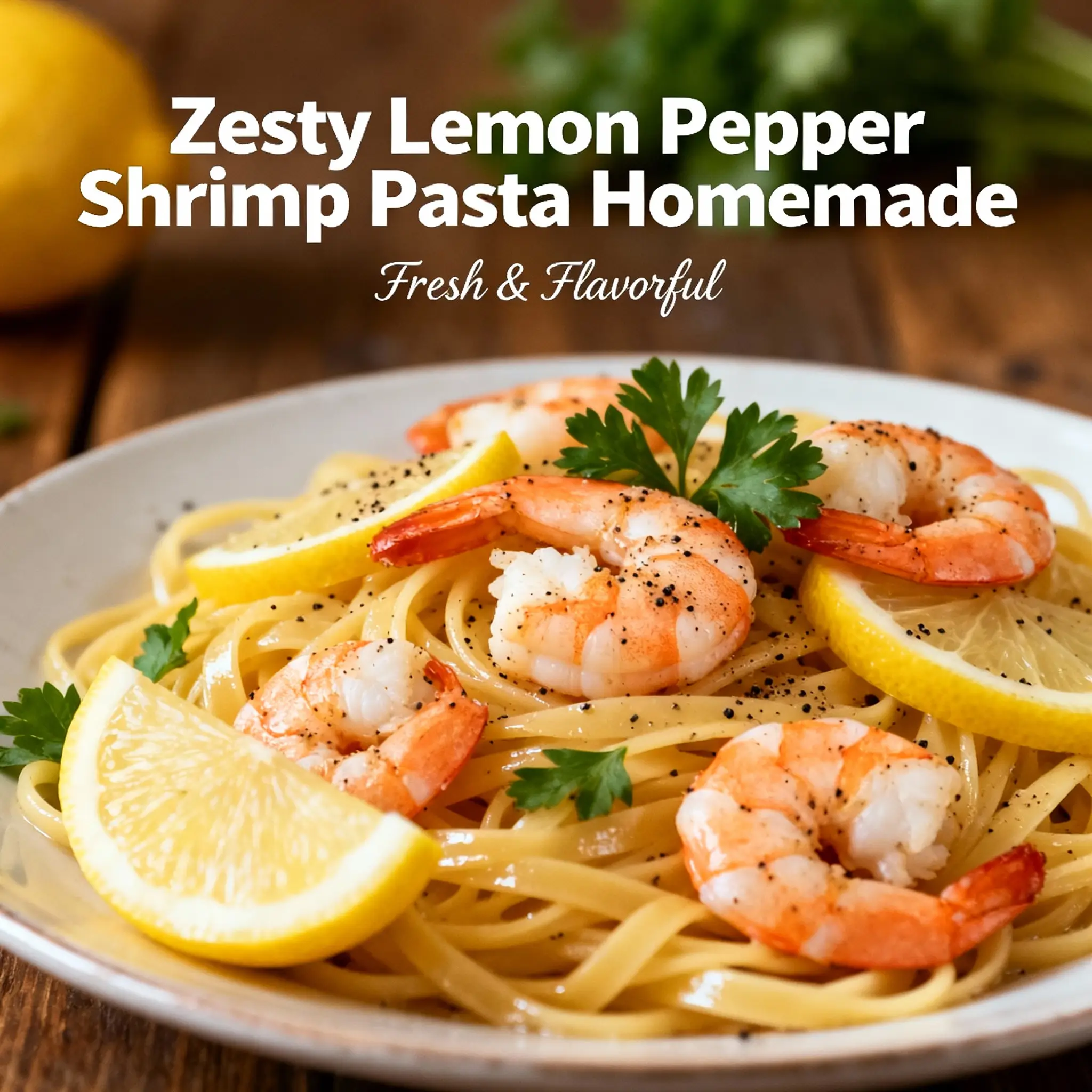
Zesty Lemon Pepper Shrimp Pasta: A Citrus-Infused Culinary Delight
Indulge in the vibrant flavors of the Mediterranean with this mouthwatering Zesty Lemon Pepper Shrimp Pasta. A perfect harmony of tangy citrus, bold black pepper, succulent shrimp, and al dente pasta creates a dish that’s as refreshing as it is satisfying. Whether you’re preparing a romantic dinner for two or a quick weeknight meal for the family, this recipe brings restaurant-quality elegance to your kitchen table without requiring professional skills. Light yet flavorful, this dish celebrates fresh ingredients and simple techniques, making it a go-to favorite for food lovers who appreciate bold taste without heaviness.
The History Behind the Dish
The roots of Zesty Lemon Pepper Shrimp Pasta can be traced back to coastal regions of Southern Italy and Greece, where seafood and citrus have long been staples of traditional cuisine. In these sun-drenched locales, fishermen would return with fresh catches and combine them with locally grown lemons, olive oil, garlic, and herbs—ingredients readily available and deeply woven into regional gastronomy. Over time, this rustic preparation evolved with the addition of black pepper, which not only enhanced flavor but also acted as a natural preservative in pre-refrigeration eras.
Lemon and seafood pairings are ancient, dating back to Roman times when citron (an early citrus fruit) was used to brighten fish dishes. However, the modern concept of lemon pepper seasoning gained popularity in the 20th century, particularly in American kitchens during the 1970s and 80s, when pre-mixed lemon pepper spice blends became commercially available. Today, the fusion of Italian pasta traditions with global seasoning trends has given rise to dishes like Zesty Lemon Pepper Shrimp Pasta—a contemporary classic that bridges old-world charm and modern culinary flair.
Ingredients Breakdown
The magic of this dish lies in its balance of high-quality, complementary ingredients. Each component plays a crucial role in building layers of flavor, texture, and aroma. Here’s a detailed look at what goes into every bite:
- Fettuccine or Linguine Pasta: These flat, ribbon-like pastas hold sauces exceptionally well, ensuring each strand is coated in the zesty lemon butter sauce.
- Large Shrimp (Peeled and Deveined): Fresh or frozen wild-caught shrimp add sweetness and a delicate oceanic essence. Opt for 16/20 or 21/25 count for ideal size and texture.
- Fresh Lemons: Two lemons are used—one for juice and one for zest. The zest contains essential oils that intensify citrus flavor, while the juice provides acidity and brightness.
- Unsalted Butter: High-fat European-style butter adds richness and helps emulsify the sauce, giving it a silky consistency.
- Extra Virgin Olive Oil: Adds a fruity undertone and prevents the butter from burning during sautéing.
- Garlic (Freshly Minced): A cornerstone of Mediterranean cooking, garlic infuses depth and warmth into the dish.
- Freshly Cracked Black Pepper: Not just for heat—freshly cracked pepper delivers floral, piney notes that elevate the entire flavor profile.
- Red Pepper Flakes (Optional): For those who enjoy a touch of heat, a pinch adds subtle spiciness without overpowering the citrus.
- Grated Parmesan Cheese: Adds umami and saltiness; use authentic Parmigiano-Reggiano for best results.
- Fresh Parsley (Flat-Leaf): Chopped finely, it brings color, freshness, and a mild herbal balance.
- Salt: Used sparingly to enhance all other flavors without dominating.
- Pasta Water: Reserved starchy water helps bind the sauce to the noodles, creating a cohesive, glossy finish.
Step-by-Step Recipe
- Cook the Pasta: Bring a large pot of salted water to a rolling boil (use about 1 tablespoon of salt per 4 quarts of water). Add 12 ounces of fettuccine or linguine and cook according to package instructions until al dente—usually 8–10 minutes. Before draining, reserve 1 cup of pasta water, then drain and set aside.
- Prepare the Shrimp: While the pasta cooks, pat 1 pound of shrimp dry with paper towels. Season lightly with salt and freshly cracked black pepper. Set aside at room temperature.
- Sauté the Aromatics: In a large skillet or sauté pan over medium heat, warm 2 tablespoons of extra virgin olive oil and 2 tablespoons of unsalted butter. Once the butter melts and begins to shimmer, add 4 cloves of minced garlic and ½ teaspoon red pepper flakes (if using). Sauté for about 30–60 seconds until fragrant but not browned—be careful not to burn the garlic.
- Cook the Shrimp: Increase the heat to medium-high. Add the seasoned shrimp in a single layer. Cook for 1–2 minutes per side, depending on size, until they turn opaque and pink with light golden edges. Avoid overcrowding the pan; work in batches if needed. Remove the shrimp and set aside on a plate.
- Build the Sauce: Reduce the heat to low. Add the zest of one lemon, followed by the juice of two lemons (about ⅓ cup). Stir gently to combine with the garlic-infused oil and butter. Let simmer for 1 minute to mellow the acidity.
- Combine Everything: Return the cooked shrimp to the pan. Add the drained pasta and toss thoroughly to coat. Begin adding reserved pasta water, one ladle at a time (start with ¼ cup), tossing continuously until the sauce clings smoothly to the noodles. The starch in the water will help create a velvety texture.
- Finish with Cheese and Herbs: Remove from heat. Stir in ½ cup grated Parmesan cheese and ¼ cup chopped fresh parsley. Adjust seasoning with additional salt, pepper, or lemon juice to taste.
- Serve Immediately: Plate the pasta hot, garnishing each serving with extra parsley, a sprinkle of Parmesan, a twist of black pepper, and optional lemon slices for presentation.
Tips for Perfection
- Use Fresh Ingredients: Fresh lemon juice and zest make a dramatic difference compared to bottled versions. Same goes for garlic and herbs.
- Don’t Overcook the Shrimp: Shrimp cook quickly and become rubbery if left too long on the heat. Remove them just as they curl into a “C” shape—overcooking makes them form an “O,” indicating toughness.
- Reserve Pasta Water: This starchy liquid is gold! It helps the sauce adhere to the pasta and improves mouthfeel significantly.
- Taste as You Go: Balance is key. Taste the sauce before adding cheese, then again after, adjusting lemon, salt, and pepper incrementally.
- Butter Temperature: Use cold butter cut into small cubes when finishing the sauce for better emulsification (a technique known as monter au beurre).
- Rest the Dish Briefly: Allow the pasta to sit for 1–2 minutes after mixing so flavors meld together before serving.
- Prep Ahead: Mince garlic, chop parsley, zest and juice lemons, and peel shrimp in advance to streamline cooking.
Variations and Customizations
This versatile recipe welcomes creativity. Try these delicious twists to suit dietary preferences or elevate the dish for special occasions:
- Creamy Version: Stir in ¼ to ½ cup heavy cream or mascarpone cheese for a richer, silkier sauce.
- White Wine Deglaze: After sautéing garlic, pour in ½ cup dry white wine (like Pinot Grigio or Sauvignon Blanc) and reduce by half before adding lemon juice. Enhances complexity and depth.
- Vegetable Boost: Add sautéed spinach, cherry tomatoes, roasted red peppers, or asparagus for added nutrition and color.
- Gluten-Free Option: Use gluten-free pasta made from rice, corn, or chickpeas. Cook separately and adjust sauce thickness accordingly.
- Spicier Kick: Double the red pepper flakes or add a dash of cayenne or harissa paste for more heat.
- Herb Swaps: Replace parsley with basil for a summery note, or dill for a briny, fresh twist.
- Protein Alternatives: Substitute shrimp with scallops, grilled chicken, or even chickpeas for a plant-based version.
- Dairy-Free: Skip butter and Parmesan; use olive oil, nutritional yeast, and a splash of cashew cream for creaminess.
- Lemon Alternative: Try lime or yuzu for a different citrus profile—especially great in tropical-inspired variations.
- Pasta Shape Swap: Try penne, farfalle, or bucatini for varied textures and sauce retention.
Health Considerations and Nutritional Value
Zesty Lemon Pepper Shrimp Pasta isn’t just delicious—it can be part of a balanced, nutrient-rich diet when prepared thoughtfully. Here’s a breakdown of its health benefits and considerations:
- Shrimp: Low in calories and high in protein (about 20g per 3 oz), shrimp also provide selenium, iodine, omega-3 fatty acids, and astaxanthin—an antioxidant responsible for their pink hue.
- Lemons: Rich in vitamin C, lemons support immune function, collagen production, and iron absorption. Their citric acid may also help prevent kidney stones.
- Olive Oil: A heart-healthy fat rich in monounsaturated fats and polyphenols, linked to reduced inflammation and improved cholesterol levels.
- Garlic: Contains allicin, which has antimicrobial and cardiovascular benefits.
- Pasta: Provides complex carbohydrates for sustained energy. Whole grain or legume-based alternatives increase fiber and protein content.
- Butter & Cheese: High in saturated fat and sodium—use in moderation. Opt for lower-fat cheeses or reduce quantities for lighter versions.
- Sodium Watch: Between salt, Parmesan, and store-bought shrimp (if pre-seasoned), sodium can add up. Control by using low-sodium ingredients and finishing with flaky sea salt only as needed.
- Allergens: Contains shellfish, dairy, wheat (gluten), and eggs (if pasta is egg-based). Modify accordingly for allergies.
A typical serving (1/4 of recipe) contains approximately:
- Calories: 520–580 kcal
- Protein: 28–32g
- Carbohydrates: 60–65g
- Fiber: 3–4g
- Fat: 20–25g (mostly unsaturated)
- Saturated Fat: 8–10g
- Sodium: 600–800mg (adjustable)
- Vitamin C: ~30% DV
- Calcium: ~20% DV
- Iron: ~15% DV
Ingredients
- 12 oz fettuccine or linguine pasta
- 1 lb large shrimp (16/20 or 21/25 count), peeled and deveined
- 2 medium lemons (1 zested and juiced, 1 juiced)
- 2 tbsp unsalted butter
- 2 tbsp extra virgin olive oil
- 4 cloves garlic, minced
- 1 tsp freshly cracked black pepper (plus more to taste)
- ½ tsp red pepper flakes (optional)
- ½ cup grated Parmesan cheese (plus extra for serving)
- ¼ cup fresh parsley, finely chopped
- 1 tbsp kosher salt (for pasta water)
- 1 cup reserved pasta water
Directions
- Bring a large pot of salted water to a boil. Add pasta and cook until al dente. Reserve 1 cup of pasta water, then drain and set aside.
- Pat shrimp dry and season lightly with salt and black pepper.
- In a large skillet over medium heat, warm olive oil and butter. Add garlic and red pepper flakes; sauté 30–60 seconds until aromatic.
- Increase heat to medium-high. Add shrimp in a single layer and cook 1–2 minutes per side until opaque and lightly golden. Transfer to a plate.
- Reduce heat to low. Stir in lemon zest, then add lemon juice. Simmer 1 minute.
- Add cooked pasta, shrimp, and ¼ cup reserved pasta water. Toss well, adding more water as needed to create a glossy sauce.
- Remove from heat. Stir in Parmesan and parsley. Adjust seasoning with salt, pepper, or additional lemon juice.
- Serve immediately with extra Parmesan, parsley, cracked pepper, and lemon wedges.
FAQ
Can I use frozen shrimp?
Yes, but thaw them properly in the refrigerator overnight or under cold running water. Pat dry before cooking to ensure proper searing.
Can I make this ahead of time?
Best served fresh. However, components can be prepped in advance. Cooked shrimp reheats well, but pasta may dry out—revive with a splash of water or broth when reheating.
Why is my sauce watery?
You may have added too much pasta water. Simmer briefly to reduce, or add a bit more cheese to thicken.
Is this dish keto-friendly?
Traditional pasta isn’t keto-compliant, but substitute with zucchini noodles (zoodles) or shirataki noodles for a low-carb version.
Can I double the recipe?
Absolutely! Just use a larger pot and pan to avoid crowding. Scale ingredients proportionally, but taste and adjust seasoning at the end.
What wine pairs well with this dish?
A crisp white like Sauvignon Blanc, Pinot Grigio, or Vermentino complements the citrus and seafood beautifully.
How do I store leftovers?
Store in an airtight container in the refrigerator for up to 3 days. Reheat gently on the stove with a splash of water to refresh the sauce.
Can I freeze this dish?
Not recommended. Freezing affects the texture of shrimp and pasta, making them mushy upon thawing.
What if I don’t have fresh lemons?
Bottled lemon juice works in a pinch, but expect less brightness and aroma. Avoid artificial lemon flavorings.
Can I use dried parsley?
Fresh is strongly preferred for both flavor and appearance. Dried parsley lacks vibrancy and can taste dusty.
Summary
Zesty Lemon Pepper Shrimp Pasta combines succulent shrimp, al dente noodles, and a vibrant lemon-garlic butter sauce elevated with cracked pepper and fresh herbs. Quick to prepare yet elegant enough for guests, it’s a healthy, flavorful dish that brings sunshine to your plate with every bite.