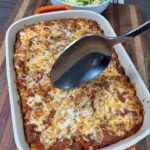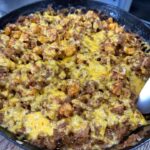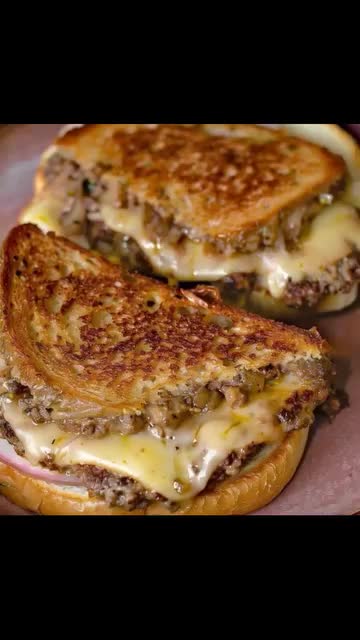
Wow! One bite and I could swear I heard angels singing—this is pure cheesy heaven!
Introduction
Imagine a dish so luxuriously creamy, so deeply comforting, and so flawlessly balanced that it doesn’t just satisfy hunger—it evokes nostalgia, sparks joy, and lingers in your memory like a cherished melody. This isn’t just macaroni and cheese. This is the Macaroni & Cheese—elevated, perfected, and soulfully crafted with reverence for tradition and audacity for innovation. Whether served piping hot from a cast-iron skillet, crowned with golden-brown panko and aged cheddar crumbles, or baked until the edges bubble with caramelized cheese ripples, every forkful delivers an orchestral harmony of textures and flavors: tender pasta swaddled in velvety béchamel, layered with sharp, nutty, buttery, and umami-rich cheeses that melt into seamless euphoria. It’s the kind of recipe that silences dinner tables, inspires spontaneous “mmms,” and earns its place on holiday menus, weeknight survival kits, and even gourmet dinner parties—because true magic doesn’t require complexity; it demands intention, quality, and love.
The History
Macaroni and cheese boasts a lineage as rich and layered as its signature sauce. Its earliest known ancestor appears in the 13th-century Italian cookbook Liber de Coquina, which features a dish called “de lasanis”—layers of pasta sheets alternated with grated cheese and spices. By the 14th century, the English manuscript The Forme of Cury included “makerouns,” a baked dish of fresh pasta, butter, and cheese. But the dish truly crossed the Atlantic—and entered American culinary legend—through Thomas Jefferson. After encountering pasta during his tenure as U.S. Minister to France (1784–1789), Jefferson was so enchanted by Italian pasta that he imported a pasta machine from Naples and commissioned one of the first known American pasta extruders. Upon returning home, he served “macaroni pie” at a White House state dinner in 1802—a bold, cosmopolitan statement that stunned Washington society. The dish gained wider traction after the Civil War, especially with the advent of processed cheese in the early 20th century. Kraft introduced its boxed version in 1937 during the Great Depression, offering affordability and convenience—but never quite capturing the soul of the original. Today’s renaissance of artisanal mac & cheese honors Jefferson’s vision while embracing regional twists—from Southern-style smoky Gouda and collard greens to New England’s sharp cheddar-and-ale infusions and West Coast truffle-infused iterations—all united by a singular truth: this dish is not food. It’s heritage, hearth, and heartfelt hospitality, simmered into one golden, bubbling embrace.
Ingredients Breakdown
Every extraordinary mac and cheese begins not with technique—but with reverence for ingredients. Each component plays a non-negotiable role in building depth, texture, and integrity:
- Pasta: Use short, ridged, tubular pastas like cavatappi, fusilli, or elbow macaroni—ideally bronze-die extruded for superior sauce adhesion. Avoid overcooked or slimy pasta; al dente is essential, as it will absorb sauce and finish cooking in the oven.
- Cheeses (The Holy Quartet):
- Sharp Cheddar (aged 18–24 months): Provides backbone acidity, tang, and robust flavor—never use pre-shredded (anti-caking agents inhibit melting).
- Gruyère: Adds nuttiness, earthy sweetness, and silky meltability—its lactose breakdown during aging enhances browning.
- Fontina Val d’Aosta: Brings buttery richness and exceptional stretch; melts into luxurious ribbons without greasiness.
- Pecorino Romano (freshly grated): Delivers salty, savory umami punch—used sparingly as a finishing layer or stirred in at the end for brightness.
- Dairy Foundation: Whole milk for creaminess, heavy cream for decadent body, and unsalted butter for aromatic depth and emulsification control.
- Roux Base: A slow-cooked roux of equal parts butter and all-purpose flour (or gluten-free blend) creates structural integrity—preventing separation and lending subtle toasted nuttiness.
- Aromatics & Seasonings: Yellow onion sautéed in butter until translucent, fresh garlic minced fine, dry mustard powder (not prepared), white pepper (for heat without visual specks), freshly grated nutmeg (a whisper only), and high-quality sea salt—not just for seasoning, but for balancing fat and enhancing cheese solubility.
- Umami Boosters (Optional but transformative): A splash of dry sherry or white wine deglazed into the roux, a spoonful of Dijon mustard, a pinch of smoked paprika, or a few drops of truffle oil stirred in post-bake.
- Topping: Panko breadcrumbs toasted in browned butter, mixed with extra sharp cheddar, thyme, and flaky Maldon salt—creates textural contrast and aromatic complexity.
Step-by-Step Recipe
- Prep & Preheat: Adjust oven rack to center position. Preheat oven to 375°F (190°C). Butter a 9×13-inch ceramic or enameled cast-iron baking dish generously.
- Cook Pasta with Purpose: Bring 6 quarts of well-salted water (2 Tbsp kosher salt) to a vigorous boil. Add 1 lb (450g) cavatappi pasta. Cook 2 minutes *less* than package instructions—about 6–7 minutes for al dente. Reserve 1½ cups starchy pasta water before draining. Rinse *only* if making stovetop version; for baked, skip rinsing to retain starch for binding.
- Build the Roux: In a heavy-bottomed Dutch oven or large saucepan, melt 6 Tbsp unsalted butter over medium-low heat. Add 6 Tbsp all-purpose flour. Whisk constantly for 3–4 minutes until pale blonde and fragrant—no raw flour taste. Do not brown unless aiming for nuttier profile (then cook 1–2 min longer).
- Infuse Aromatics: Add 1 finely diced yellow onion; sauté 5 minutes until soft. Stir in 3 minced garlic cloves; cook 1 minute until fragrant. Optional: add 2 Tbsp dry sherry, scraping up fond—simmer 1 minute until evaporated.
- Temper the Milk: Gradually whisk in 3 cups warm whole milk (heated gently in microwave or saucepan), ½ cup heavy cream, and ¼ tsp freshly grated nutmeg. Whisk continuously to prevent lumps. Increase heat to medium; bring to gentle simmer, stirring often. Cook 5–7 minutes until thickened enough to coat the back of a spoon (nappe consistency).
- Season the Béchamel: Remove from heat. Whisk in 1½ tsp dry mustard powder, 1 tsp white pepper, 1½ tsp fine sea salt, and ¼ tsp cayenne (optional, for warmth). Taste and adjust—remember cheese adds saltiness later.
- Melt the Cheeses: Gradually whisk in cheeses in stages: first Fontina (½ cup), then Gruyère (½ cup), then Sharp Cheddar (1 cup), stirring until each is fully melted and glossy before adding the next. Fold in remaining 1 cup shredded cheddar and ¼ cup grated Pecorino Romano. Avoid overheating—cheese sauces break above 170°F.
- Combine Pasta & Sauce: Pour drained pasta into cheese sauce. Gently fold with a silicone spatula until every nook is coated. Add reserved pasta water, ¼ cup at a time, until mixture is luxuriously moist but not soupy—ideal consistency should hold shape when scooped but flow slightly.
- Transfer & Top: Pour into prepared baking dish. Smooth top. Sprinkle evenly with topping: 1 cup panko, 3 Tbsp melted browned butter, ¼ cup extra-sharp cheddar, 1 tsp fresh thyme leaves, and flaky salt.
- Bake to Golden Perfection: Bake uncovered 25–30 minutes until edges bubble vigorously and top is deep golden brown. For extra crust, broil 1–2 minutes at end—watch closely! Let rest 12–15 minutes before serving (critical for sauce setting and clean slicing).
Tips
- Grate Your Own Cheese: Pre-shredded cheeses contain cellulose and potato starch that repel moisture and cause graininess or oil separation. Fresh grating ensures smooth, cohesive melting.
- Undercook Pasta Intentionally: Pasta continues to absorb liquid and soften during baking. Overcooked pasta turns mushy and disintegrates in the sauce.
- Warm Your Dairy: Cold milk shocks the roux, causing lumps. Warm milk integrates smoothly and reduces cooking time.
- Low & Slow Roux: Rushing the roux leads to raw flour taste or burnt bitterness. Patience yields silkiness and depth.
- Rest Before Serving: Allowing the casserole to rest lets starches relax and proteins rebind—resulting in cleaner slices, richer mouthfeel, and intensified flavor fusion.
- Sauce Consistency Test: Dip a spoon, lift, and run finger across back—if line holds cleanly, it’s ready. Too thin? Simmer 2 more minutes. Too thick? Add splash of pasta water or cream.
- Acid Is Your Ally: A final ½ tsp lemon juice or apple cider vinegar stirred in post-bake brightens richness and cuts through fat—without tasting “sour.”
- Batch Scaling Note: When doubling, use two separate pans—not one oversized dish—to ensure even heating and browning.
Variations and Customizations
This recipe is a canvas—bold, adaptable, and endlessly expressive:
- Truffle & Mushroom: Sauté 8 oz cremini mushrooms in butter and thyme; fold in with pasta. Finish with 1 tsp white truffle oil and 2 Tbsp grated black truffle.
- Smoky Southwest: Add 1 tsp chipotle powder + ½ cup roasted corn + ⅓ cup pickled jalapeños + crumbled cotija cheese topping.
- Green Goddess: Stir in 1 cup blanched and chopped asparagus, ½ cup spinach, and ¼ cup fresh basil pesto (swirled, not fully mixed).
- Breakfast Mac: Fold in 6 soft-scrambled eggs, crispy pancetta, and chives. Top with fried eggs before serving.
- Vegan Luxe: Swap cashew-based béchamel (soaked cashews, nutritional yeast, Dijon, turmeric, garlic powder) and smoked Gouda-style coconut oil cheese. Add miso paste for umami.
- Seafood Supremacy: Fold in 1 lb lump crabmeat (picked over) and ½ cup shrimp scampi—sautéed in garlic, lemon, and parsley—just before baking.
- Dessert Twist (“Mac & Maple”): Replace savory cheeses with mascarpone, sharp cheddar, and maple syrup reduction; add toasted pecans and cinnamon—baked in ramekins.
- Gluten-Free Grace: Use certified GF pasta (brown rice/corn blend), GF flour blend for roux, and ensure all cheeses are GF-certified (some blue cheeses use gluten-containing mold cultures).
Health Considerations and Nutritional Value
While undeniably indulgent, this mac and cheese can be thoughtfully adapted for wellness-conscious eaters—without sacrificing soul or satisfaction:
- Nutrient Highlights: Cheddar and Gruyère provide calcium, phosphorus, vitamin K2 (for bone and cardiovascular health), and bioactive peptides shown to support immune function. Pasta contributes B vitamins (especially if whole grain), and garlic/onion offer prebiotic inulin and allicin for gut and circulatory health.
- Portion Mindfulness: A standard 1-cup serving (baked) contains approx. 480–540 kcal, 22g protein, 28g carbs (3g fiber if whole grain), 32g fat (18g sat). Pair with a large arugula salad dressed in lemon-tahini to balance macros and add phytonutrients.
- Lower-Fat Options: Substitute half the heavy cream with evaporated skim milk; use 2% milk and reduce butter by 1 Tbsp (compensate with 1 tsp olive oil in roux). Increase cheese variety (more Gruyère, less cheddar) for flavor density per gram of fat.
- Protein Power-Up: Stir in 1 cup cooked lentils, white beans, or shredded rotisserie chicken—adds fiber, iron, and satiety without masking cheese essence.
- Sodium Savvy: Use low-sodium cheeses (like organic young Gouda), omit added salt in roux, and rely on herbs, lemon zest, smoked paprika, and nutritional yeast for flavor dimension.
- Allergen Awareness: Dairy-free versions using cashew-miso béchamel and fermented coconut yogurt cheese are increasingly sophisticated. Always verify cheese rennet sources (vegetarian vs. animal) for ethical alignment.
- Gut-Friendly Fermentation: Incorporate 2 Tbsp raw sauerkraut juice into the sauce pre-bake—or serve alongside fermented pickles—for probiotic synergy.
Ingredients
- 1 lb (450g) bronze-die cavatappi or elbow macaroni
- 6 Tbsp unsalted butter, divided
- 6 Tbsp all-purpose flour (or GF 1:1 blend)
- 1 medium yellow onion, finely diced
- 3 garlic cloves, minced
- 3 cups whole milk, warmed
- ½ cup heavy cream
- 1½ tsp dry mustard powder
- 1 tsp freshly ground white pepper
- 1½ tsp fine sea salt (plus more for pasta water)
- ¼ tsp freshly grated nutmeg
- ¼ tsp cayenne pepper (optional)
- 2 cups sharp cheddar cheese, freshly grated (18+ months aged)
- 1 cup Gruyère cheese, freshly grated
- 1 cup Fontina Val d’Aosta, freshly grated
- ¼ cup Pecorino Romano, freshly grated
- 1 cup panko breadcrumbs
- 1 tsp fresh thyme leaves, finely chopped
- Flaky sea salt (Maldon or Fleur de Sel), for finishing
Directions
- Preheat oven to 375°F (190°C). Butter a 9×13-inch baking dish.
- Bring 6 quarts water to boil; add 2 Tbsp kosher salt. Cook pasta 2 minutes shy of al dente. Reserve 1½ cups starchy water; drain (do not rinse for baked version).
- In Dutch oven, melt 4 Tbsp butter over medium-low. Whisk in flour; cook 3–4 min until fragrant and pale blonde.
- Add onion; sauté 5 min until soft. Stir in garlic; cook 1 min. Optional: add 2 Tbsp dry sherry; simmer 1 min.
- Gradually whisk in warm milk, cream, and nutmeg. Simmer 5–7 min until thickened (coats spoon).
- Off heat, whisk in mustard, white pepper, salt, cayenne. Taste and adjust.
- Whisk in cheeses in stages: Fontina → Gruyère → 1 cup cheddar → remaining 1 cup cheddar + Pecorino. Stir until smooth.
- Fold in hot pasta. Add reserved pasta water as needed for ideal creamy-but-structured consistency.
- Transfer to dish. Top with panko mixture (panko + 2 Tbsp melted butter + ¼ cup cheddar + thyme + flaky salt).
- Bake 25–30 min until golden, bubbly, and set. Rest 12–15 min before serving.
FAQ
- Can I make this ahead of time?
- Absolutely! Assemble up to 24 hours ahead—cover tightly and refrigerate unbaked. Add 5–8 minutes to bake time. For best results, let sit at room temp 30 min before baking.
- Why does my cheese sauce get grainy or oily?
- Three main culprits: (1) Using pre-shredded cheese with anti-caking agents; (2) overheating sauce above 170°F; (3) adding cold dairy to hot roux. Always grate fresh, warm dairy, and remove from heat before stirring in cheese.
- Can I freeze mac and cheese?
- Yes—but texture changes slightly. Freeze unbaked in portion-sized containers (up to 3 months). Thaw overnight in fridge, then bake covered 30 min, uncovered 15 min. Add splash of milk before baking if dry.
- What’s the best cheese substitute for someone with dairy sensitivity?
- For lactose intolerance: aged Gouda, Parmigiano-Reggiano, and Swiss have negligible lactose. For casein sensitivity: explore A2 milk cheddar or goat-milk Gouda. For full dairy-free: cashew-based béchamel with fermented coconut “cheese” and nutritional yeast provides uncanny depth.
- My topping didn’t brown—what went wrong?
- Ensure oven is fully preheated, use convection if available, and place dish on upper-middle rack. Browning butter for the panko adds Maillard magic—and don’t skip the flaky salt, which draws out moisture for crispness.
- How do I reheat leftovers without drying them out?
- Stovetop: Add 1–2 Tbsp milk or cream per cup, cover, and warm gently over low heat, stirring often. Oven: Cover with foil, bake at 325°F (165°C) for 20 min, uncover last 5 min. Never microwave uncovered—it steams pasta into rubber.
Summary
One bite of this macaroni and cheese transports you beyond mere sustenance—it’s a multisensory pilgrimage to comfort, craft, and culinary catharsis, where centuries of tradition meet modern precision and boundless creativity. From Jefferson’s Parisian inspiration to your own kitchen counter, this recipe honors the sacred alchemy of pasta, cheese, and care—transforming humble ingredients into something transcendent, unforgettable, and utterly, divinely cheesy.