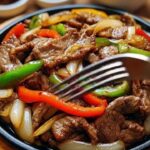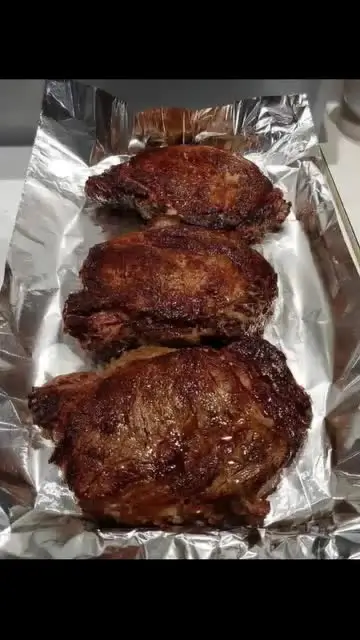
This Is Steak Night Done Right — Thick-Cut Ribeye, Kissed by a Hot Pan, Finished with Butter and Herbs. No Marinades. No Fluff. Just Pure Carnivore Bliss.
The History
The art of cooking a perfect ribeye steak is deeply rooted in culinary tradition, tracing back to the cattle ranches of the American Midwest and the grilling cultures of Argentina, Australia, and Japan. The rib section of the cow has long been prized for its rich marbling, tenderness, and deep beefy flavor—qualities that make it ideal for high-heat searing. In mid-20th century America, the rise of the backyard grill and indoor cast iron skillet elevated the ribeye from butcher-shop cut to gourmet centerpiece. Steak houses across New York, Chicago, and Texas perfected the technique: sear hot, rest right, serve simple. This method—relying on quality meat, intense heat, and minimal intervention—has stood the test of time. Today, the thick-cut ribeye remains a symbol of indulgence, craftsmanship, and carnivorous celebration. It’s not just dinner; it’s an event.
Ingredients Breakdown
Every great steak begins with exceptional ingredients—few in number, but critical in quality. Here’s what you need and why each matters:
- Ribeye Steak (1.5-inch thick, bone-in or boneless): Opt for USDA Prime or Choice grade with visible marbling. The fat melts during cooking, basting the meat from within and delivering unmatched juiciness and flavor. Thickness ensures a proper crust without overcooking the interior.
- Kosher Salt (preferably Diamond Crystal): Its coarse texture adheres well and seasons deeply. Salting ahead of time (dry-brining) enhances moisture retention and surface crispness.
- Freshly Cracked Black Pepper: Adds a subtle heat and aromatic complexity. Freshly ground pepper has more volatile oils and bite than pre-ground.
- High Smoke-Point Oil (like avocado, grapeseed, or clarified butter): Essential for achieving a sear without burning. These oils can withstand temperatures above 400°F (204°C).
- Unsalted Butter (2–3 tbsp): Adds richness, mouthfeel, and helps carry the flavors of herbs into every bite. Unsalted allows control over sodium levels.
- Fresh Thyme and Rosemary (a few sprigs): Earthy, pine-like notes complement beef without overpowering it. Their essential oils infuse beautifully into melted butter.
- Garlic Cloves (2–3, lightly crushed): Not for eating whole, but for flavor diffusion. Lightly crushing releases allicin, which melds with butter and coats the steak.
- Optional: Shallot slice or wedge of lemon: For additional aromatic depth or a hint of brightness at the end.
Step-by-Step Recipe
- Prep the Steak (1–2 hours before cooking): Remove the ribeye from the fridge and place it on a wire rack set over a tray. Season generously on all sides with kosher salt—about 1 tsp per pound. Let it sit uncovered at room temperature. This dry-brines the meat, draws out surface moisture, and primes it for an epic sear.
- Pat Dry and Pepper: About 30 minutes before cooking, pat the steak completely dry with paper towels. Moisture is the enemy of crust. Apply freshly cracked black pepper evenly on both sides.
- Heat the Pan: Place a heavy-bottomed skillet—cast iron is ideal—over medium-high heat. Allow it to warm gradually, then increase to high. Heat until shimmering hot, about 4–5 minutes. Add 1–2 tablespoons of high smoke-point oil and swirl to coat.
- Sear the First Side: Carefully lay the steak in the pan, laying away from you to avoid oil splatter. Press gently for even contact. Sear undisturbed for 3–4 minutes, until a deep mahogany crust forms. Resist the urge to move it!
- Flip and Sear Second Side: Flip with tongs and sear the other side for another 3–4 minutes. Use tongs to briefly sear the edges—hold the steak upright for 30–60 seconds per edge to render the fat cap.
- Add Aromatics and Baste: Reduce heat to medium. Add butter, thyme, rosemary, and garlic to the pan. Once butter melts, tilt the pan and spoon the foaming butter continuously over the steak for 1–2 minutes. This basting builds layers of flavor and gently finishes the cook.
- Check Temperature: Insert a meat thermometer into the thickest part, avoiding fat or bone. For medium-rare, aim for 125–130°F (52–54°C). Remember, temperature will rise 5–10 degrees during rest.
- Rest the Steak: Transfer the steak to a cutting board or warm plate, tent loosely with foil, and let rest for 8–10 minutes. This allows juices to redistribute—skip this, and you’ll bleed flavor onto the plate.
- Slice (if desired) and Serve: Slice against the grain for maximum tenderness, or serve whole with a final drizzle of pan butter. Garnish with flaky sea salt if desired.
Tips
- Buy the best meat you can afford. Marbling = flavor. Look for abundant white flecks throughout the muscle.
- Thickness matters. A 1.5-inch steak gives you margin for error. Thin steaks overcook before browning.
- Dry surface = better crust. Patience pays off. Letting the steak air-dry in the fridge overnight takes it to the next level.
- Don’t overcrowd the pan. Cook one steak at a time unless using multiple skillets. Steam kills sear.
- Use a thermometer. Guesswork leads to gray meat. Invest in an instant-read or leave-in probe.
- Baste aggressively. Spoon butter every 10–15 seconds. Watch the herb fragrance bloom in the kitchen.
- Let it rest. Resting isn’t passive—it’s active juiciness recovery. Don’t rush it.
- Keep the pan juices. That browned, buttery liquid gold is sauce enough. Drizzle over slices or serve on the side.
Variations and Customizations
While the classic preparation reigns supreme, there are elegant ways to personalize your ribeye without betraying its essence:
- Coffee-Chili Rub: Mix finely ground coffee, smoked paprika, chili powder, and brown sugar. Use sparingly—just enough to add depth, not mask beef.
- Blue Cheese Butter: Blend softened butter with crumbled blue cheese, chives, and a splash of Worcestershire. Top the hot steak with a slice for a creamy, tangy finish.
- Herb-Infused Finish: After resting, top with gremolata (chopped parsley, lemon zest, garlic) for brightness.
- Umami Boost: Add a splash of soy sauce or fish sauce to the butter baste for savory complexity.
- Red Wine Reduction: Deglaze the pan with a half-cup of Cabernet Sauvignon after removing the steak. Simmer with a shallot and thyme until syrupy, then strain and drizzle.
- Smoked Ribeye: Reverse-sear method: smoke at 225°F (107°C) until internal temp hits 110°F (43°C), then sear in a blazing hot pan.
- Steak Frites Style: Serve alongside crispy hand-cut fries and aioli for a Parisian twist.
- Kimchi Topper: For bold contrast, add a small pile of fermented kimchi on the side or atop the steak.
Health Considerations and Nutritional Value
A 12-ounce (340g) ribeye steak packs robust nutrition—but comes with caveats depending on dietary needs:
- Protein Powerhouse: Approximately 60–70g of high-quality complete protein, supporting muscle repair and satiety.
- Fat Content: Around 40–50g total fat, with significant monounsaturated fat (heart-healthy) and saturated fat (~15–20g). Moderation advised for those monitoring cholesterol.
- Calories: Roughly 700–900 kcal depending on marbling and added butter. Ideal for keto, low-carb, or athletic diets; may be excessive for calorie-restricted plans.
- Nutrient-Dense: Rich in heme iron (highly absorbable), zinc, selenium, vitamin B12, niacin (B3), and coenzyme Q10.
- Considerations: Red meat consumption should be balanced. The WHO suggests limiting intake to reduce potential long-term risks. Grass-fed options offer higher omega-3s and conjugated linoleic acid (CLA), though still contain saturated fat.
- To Lighten: Trim excess fat, use less butter, skip salt-heavy finishing salts, and pair with fiber-rich vegetables instead of starches.
Ingredients
- 1 ribeye steak, 1.5 inches thick (340–450g)
- 1½ tsp kosher salt (Diamond Crystal)
- 1 tsp freshly cracked black pepper
- 1 tbsp high smoke-point oil (avocado or grapeseed)
- 3 tbsp unsalted butter
- 2–3 sprigs fresh thyme
- 2–3 sprigs fresh rosemary
- 2–3 garlic cloves, lightly crushed
- Flaky sea salt (optional, for finishing)
Directions
- Season the steak with kosher salt and let it rest uncovered at room temperature for 1–2 hours.
- Pat the steak dry and season with black pepper.
- Heat a cast iron skillet over medium-high, then increase to high. Add oil and heat until shimmering.
- Sear the steak for 3–4 minutes per side, developing a deep crust.
- Sear the edges by holding the steak upright for 30 seconds per side.
- Reduce heat to medium, add butter, thyme, rosemary, and garlic.
- Baste the steak continuously with the foaming butter for 1–2 minutes.
- Check internal temperature—remove at 125°F (52°C) for medium-rare.
- Transfer to a plate, tent with foil, and rest for 8–10 minutes.
- Optionally slice against the grain and serve with pan drippings.
FAQ
Q: Do I really need to let the steak come to room temperature?
A: Yes—starting cold leads to uneven cooking. A 1–2 hour rest ensures the center heats gradually, preserving pinkness.
Q: Can I use a non-stick pan?
A: Not recommended. Non-stick pans can’t achieve the necessary heat for proper Maillard reaction. Cast iron or carbon steel are ideal.
Q: What if I don’t have a meat thermometer?
A: Use the finger test: compare the firmness of the steak to the fleshy part of your palm below the thumb. Rare feels soft, medium-rare yields slightly, well-done is very firm. But a thermometer is far more accurate.
Q: Should I trim the fat?
A: Leave it! The fat cap renders during cooking, self-basting the steak and adding flavor. You can eat it or leave it—your choice.
Q: Can I cook two steaks at once?
A: Only if your pan is large enough to avoid steaming. Otherwise, cook sequentially and keep the first warm in a low oven (200°F/93°C).
Q: Why use unsalted butter?
A: It gives you full control over seasoning. Salted butter varies in sodium content and may make the dish too salty when combined with pre-salted meat.
Q: Can I grill instead?
A: Absolutely. Preheat grill to 500°F+ (260°C+) and follow similar timing. Use indirect heat if flare-ups occur. Finish with butter basting in a pan if possible.
Summary
This is steak night elevated—thick-cut ribeye seared to perfection, bathed in herb-infused butter, served with nothing but confidence. No marinades, no distractions, just pure, unapologetic beef mastery.