Introduction
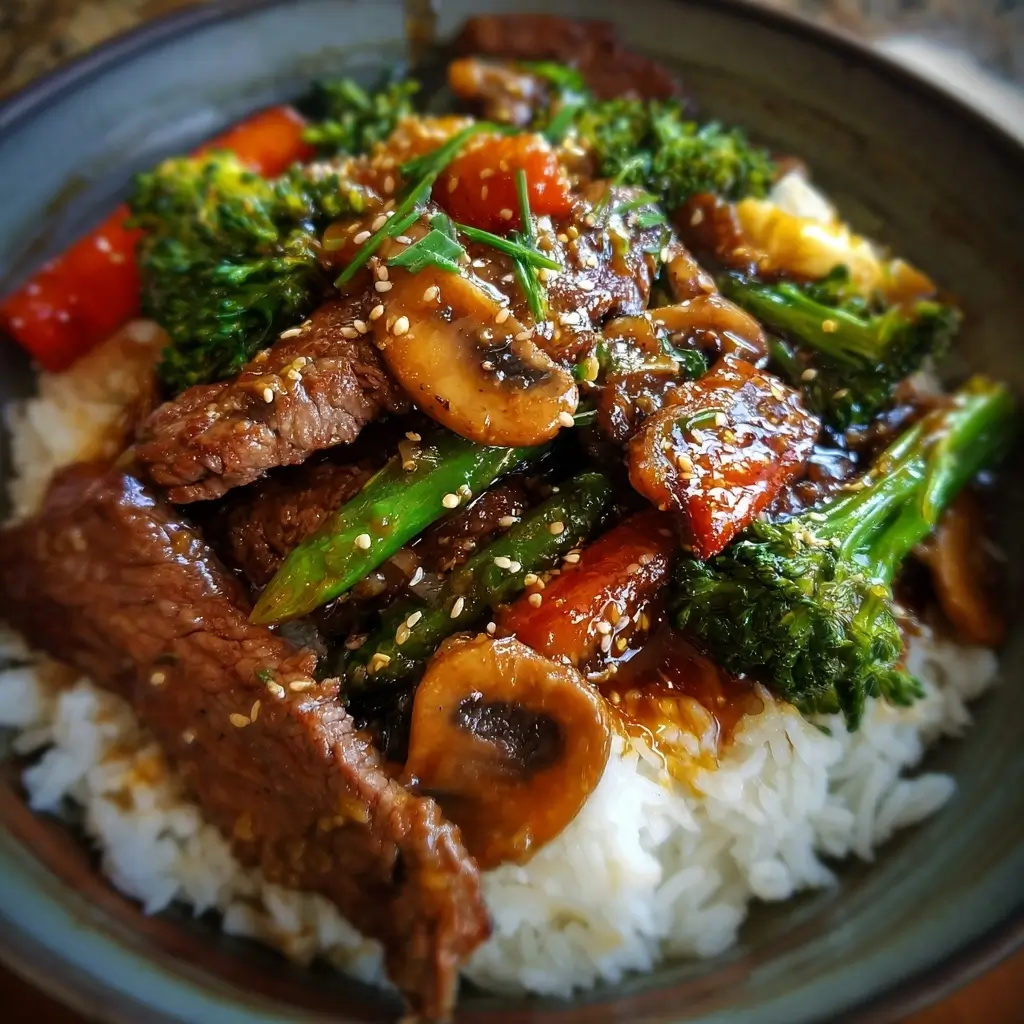
Teriyaki Steak Stir Fry is a mouthwatering fusion of Japanese-inspired flavors and Western culinary techniques, offering a perfect balance of sweet, savory, and umami-rich taste in every bite. This dish brings together tender slices of steak, vibrant vegetables, and a glossy homemade teriyaki sauce that clings beautifully to each ingredient. Ideal for a quick weeknight dinner or an impressive meal for guests, Teriyaki Steak Stir Fry combines ease of preparation with restaurant-quality results. Whether you’re a seasoned home cook or just beginning your culinary journey, this recipe is both accessible and deeply satisfying. With its bold colors, aromatic scents, and irresistible flavor profile, it’s no wonder this stir fry has become a staple in households across the globe.
The History
The roots of teriyaki trace back to Japan, where the term “teri” refers to the lustrous shine given by the sugar content in the glaze, and “yaki” means grilled or broiled. Originally, teriyaki was a cooking technique used to prepare fish—typically salmon or mackerel—by grilling or broiling it in a sweet soy-based sauce. The method dates back to at least the 17th century, when Japanese cooks began using a combination of soy sauce, mirin (sweet rice wine), and sake to enhance the natural flavors of seafood. As Japanese cuisine spread globally during the 20th century, particularly after World War II, teriyaki evolved beyond traditional preparations. In Hawaii and later on the U.S. mainland, chefs adapted the sauce to include ingredients like brown sugar and garlic, making it more robust and versatile. It wasn’t long before teriyaki was applied to meats such as chicken, pork, and especially beef. The stir-fry format, borrowed from Chinese cooking traditions, merged seamlessly with the teriyaki concept, creating dishes like Teriyaki Steak Stir Fry—a hybrid that celebrates speed, flavor, and visual appeal. Today, this dish stands as a symbol of East-meets-West gastronomy, beloved in homes, hibachi restaurants, and food trucks alike.
Ingredients Breakdown
The magic of Teriyaki Steak Stir Fry lies in its harmonious blend of high-quality proteins, crisp vegetables, and a richly layered sauce. Let’s break down the essential components:
- Steak: Typically flank steak, sirloin, or ribeye are used due to their tenderness and ability to absorb flavors. Thin slicing against the grain ensures maximum tenderness.
- Soy Sauce: The backbone of teriyaki, providing saltiness and depth. Low-sodium versions can be used to control salt levels.
- Mirin: A sweet Japanese rice wine that adds subtle sweetness and sheen to the sauce.
- Sake or Rice Vinegar: Sake enhances umami, while rice vinegar offers a mild tang if sake isn’t available.
- Brown Sugar: Adds caramelization and balances the saltiness of soy sauce.
- Fresh Garlic and Ginger: These aromatics bring warmth, spice, and complexity to the sauce.
- Vegetables: Common choices include bell peppers (red, yellow, or green), onions (yellow or red), broccoli florets, snap peas, carrots, and mushrooms. They contribute color, texture, and nutrition.
- Sesame Oil: Used sparingly for finishing, it imparts a nutty aroma and richness.
- Vegetable Oil: High smoke point oil ideal for high-heat stir-frying.
- Cornstarch: Acts as a thickening agent to give the sauce its signature glossy consistency.
- Sesame Seeds and Green Onions: For garnish, adding visual appeal and a burst of flavor.
- Rice or Noodles (Optional): Served on the side or mixed in, typically steamed jasmine rice, brown rice, or udon noodles.
Each ingredient plays a vital role in building the overall sensory experience—from the sizzle of steak hitting the wok to the fragrant steam rising from freshly chopped ginger.
Step-by-Step Recipe
- Prepare Ingredients: Slice 1 pound of steak thinly against the grain into ¼-inch strips. Cut 1 red bell pepper, 1 yellow bell pepper, 1 medium onion, 1 cup broccoli florets, and ½ cup snap peas into uniform pieces. Mince 3 cloves of garlic and grate 1 tablespoon of fresh ginger.
- Make Teriyaki Sauce: In a bowl, whisk together ½ cup soy sauce, ¼ cup mirin, ¼ cup water, 3 tablespoons brown sugar, 2 tablespoons sake (or rice vinegar), 1 tablespoon cornstarch, the minced garlic, and grated ginger. Set aside.
- Marinate Steak (Optional): For deeper flavor, marinate the steak in 2 tablespoons of the teriyaki sauce for 15–30 minutes in the refrigerator.
- Heat Wok or Skillet: Place a large wok or non-stick skillet over high heat. Add 1 tablespoon of vegetable oil and swirl to coat the surface evenly.
- Sear the Steak: Add the steak in a single layer (work in batches if needed to avoid overcrowding). Sear for 1–2 minutes per side until browned but not fully cooked. Remove and set aside.
- Stir-Fry Vegetables: In the same pan, add another teaspoon of oil if necessary. Toss in the onions and stir-fry for 1 minute. Add bell peppers, broccoli, snap peas, and any other vegetables. Cook for 3–4 minutes, stirring constantly, until crisp-tender.
- Combine and Simmer: Return the steak to the pan. Pour the prepared teriyaki sauce over the mixture. Stir well to combine. Bring to a simmer and cook for 2–3 minutes, stirring frequently, until the sauce thickens and coats everything evenly.
- Finish with Sesame Oil: Remove from heat. Drizzle with 1 teaspoon of toasted sesame oil for added fragrance.
- Garnish and Serve: Sprinkle with sliced green onions and toasted sesame seeds. Serve immediately over steamed rice or noodles.
Tips
- Slice Steak Cold: Partially freeze the steak for 20–30 minutes before slicing—it makes cutting thin, even strips much easier.
- High Heat is Key: Stir-frying requires high heat to achieve a good sear without overcooking. Make sure your pan is smoking hot before adding ingredients.
- Don’t Overcrowd the Pan: Cooking in batches prevents steaming and ensures proper browning.
- Prep Everything Ahead: Stir-fries move fast. Have all ingredients chopped, measured, and within reach before turning on the stove (mise en place).
- Thicken Sauce Properly: If the sauce is too thin, mix ½ teaspoon cornstarch with 1 tablespoon cold water and stir it in while simmering. Avoid adding dry cornstarch directly.
- Use Fresh Ginger and Garlic: Bottled substitutes lack the bright, zesty punch of freshly grated ginger and minced garlic.
- Adjust Sweetness: Taste the sauce before adding; some brands of soy sauce or mirin vary in sweetness. Adjust brown sugar accordingly.
- Add Veggies Gradually: Start with harder vegetables like carrots and broccoli, then add softer ones like bell peppers and snap peas later.
- Rest the Steak: If marinating, pat the steak dry before searing to promote better browning.
- Double the Sauce: Many love extra sauce—consider making a double batch to drizzle over rice.
Variations and Customizations
One of the greatest strengths of Teriyaki Steak Stir Fry is its adaptability. Here are several creative variations to suit different tastes and dietary needs:
- Protein Swaps: Replace steak with chicken breast, shrimp, tofu, or thinly sliced pork. Each absorbs the teriyaki sauce beautifully.
- Vegetarian/Vegan Version: Use extra-firm tofu or tempeh instead of meat. Ensure the teriyaki sauce uses maple syrup instead of honey (if applicable) and confirm that the soy sauce is vegan-friendly.
- Gluten-Free Option: Substitute regular soy sauce with tamari or a certified gluten-free soy sauce. Verify that all other ingredients (like mirin) are gluten-free.
- Spicy Kick: Add red pepper flakes, sriracha, or a sliced fresh chili (like Thai bird chili) to the sauce or stir-fry for heat lovers.
- Fruit Infusion: Pineapple juice can replace part of the water in the sauce for a tropical twist—great with chicken or shrimp.
- Noodle Bowl Style: Toss the stir-fry with cooked udon, soba, or ramen noodles for a heartier meal.
- Korean-Inspired Fusion: Add gochujang (Korean chili paste) to the teriyaki sauce for a deeper, spicier profile.
- Low-Carb/Keto Adaptation: Skip the rice and serve over cauliflower rice. Reduce sugar by using a low-carb sweetener like erythritol or monk fruit, though note that traditional teriyaki relies on sugar for gloss and texture.
- Extra Crunch: Top with crushed peanuts or cashews for added texture.
- Herb Boost: Stir in fresh cilantro or Thai basil at the end for a bright, herbal finish.
Health Considerations and Nutritional Value
While undeniably delicious, Teriyaki Steak Stir Fry can be tailored to support various health goals. A typical serving (without rice) contains approximately 350–450 calories, depending on the cut of steak and amount of oil used. The dish offers high-quality protein from the beef—about 30–35 grams per serving—which supports muscle maintenance and satiety. However, the traditional teriyaki sauce can be high in sodium (due to soy sauce) and sugar, so moderation is key for those managing blood pressure or diabetes.
To make a healthier version:
- Choose lean cuts like sirloin or flank steak trimmed of excess fat.
- Reduce sugar in the sauce by using less brown sugar or substituting with coconut sugar or a small amount of honey (though still calorie-dense).
- Use low-sodium soy sauce to cut down on salt without sacrificing flavor.
- Increase the vegetable-to-meat ratio to boost fiber, vitamins (especially A, C, and K), and antioxidants.
- Limitserving size and pair with brown rice or quinoa for complex carbs and additional fiber.
- Avoid deep-frying and use minimal oil—consider spritzing with oil spray instead.
The inclusion of ginger and garlic offers anti-inflammatory and immune-boosting properties. Omega-3 fatty acids may be present if using grass-fed beef. For heart health, balance this dish with leafy greens and limit consumption to 2–3 times per week if watching saturated fat intake.
Ingredients
- 1 lb (450g) flank steak or sirloin, thinly sliced
- 3 tbsp vegetable oil, divided
- 1 red bell pepper, sliced
- 1 yellow bell pepper, sliced
- 1 medium onion, sliced
- 1 cup broccoli florets
- ½ cup snap peas
- 3 cloves garlic, minced
- 1 tbsp fresh ginger, grated
- ½ cup soy sauce (low-sodium preferred)
- ¼ cup mirin (sweet rice wine)
- ¼ cup water
- 3 tbsp brown sugar (or coconut sugar)
- 2 tbsp sake or rice vinegar
- 1 tbsp cornstarch
- 1 tsp toasted sesame oil
- 2 green onions, sliced (for garnish)
- 1 tbsp sesame seeds (toasted, for garnish)
- Cooked rice or noodles (for serving)
Directions
- In a medium bowl, whisk together soy sauce, mirin, water, brown sugar, sake (or rice vinegar), cornstarch, garlic, and ginger until smooth. Set aside.
- Slice the steak thinly against the grain into ¼-inch strips. Pat dry with paper towels for better searing.
- Heat a large wok or heavy skillet over high heat. Add 1 tablespoon of vegetable oil.
- Add the steak in a single layer and sear for 1–2 minutes per side until browned. Remove and set aside.
- Add another teaspoon of oil to the pan. Stir-fry onions for 1 minute.
- Add bell peppers, broccoli, and snap peas. Stir-fry for 3–4 minutes until vegetables are crisp-tender.
- Return the steak to the pan. Pour in the teriyaki sauce and stir to combine.
- Simmer for 2–3 minutes, stirring frequently, until the sauce thickens and coats the ingredients.
- Remove from heat. Stir in sesame oil.
- Garnish with green onions and sesame seeds.
- Serve immediately over steamed rice or noodles.
FAQ
Q: Can I make teriyaki sauce ahead of time?
A: Absolutely! The sauce can be prepared up to 5 days in advance and stored in an airtight container in the refrigerator. Shake or stir well before using.
Q: What cut of steak is best for stir fry?
A: Flank steak, sirloin, ribeye, or flat iron work well. Choose well-marbled, tender cuts and always slice against the grain.
Q: Can I freeze leftover stir fry?
A: Yes, though the texture of vegetables may soften upon reheating. Store in an airtight container for up to 3 months. Reheat gently on the stovetop with a splash of water.
Q: Why is my sauce too thin/thick?
A: If too thin, simmer longer or add a cornstarch slurry (1 tsp cornstarch + 1 tbsp water). If too thick, stir in warm water, 1 tablespoon at a time.
Q: Can I use bottled teriyaki sauce?
A: Yes, but homemade sauce is fresher, less processed, and customizable. If using store-bought, reduce added sugar and check for preservatives.
Q: Is teriyaki stir fry healthy?
A: It can be! Opt for lean meat, load up on veggies, control portion sizes, and modify sugar/sodium levels for a balanced meal.
Q: How do I prevent soggy vegetables?
A: Use high heat, avoid overcrowding the pan, and don’t overcook. Stir-fry quickly and remove from heat once crisp-tender.
Q: Can I cook this in a regular frying pan?
A: Yes, a large cast-iron or non-stick skillet works well. A wok is ideal due to its shape and heat distribution, but not essential.
Summary
Teriyaki Steak Stir Fry is a flavorful, quick, and versatile dish that blends tender beef, colorful vegetables, and a glossy homemade teriyaki sauce for a meal that’s both satisfying and elegant. Perfect for busy nights or special dinners, it brings the taste of Japanese-inspired cuisine straight to your kitchen with minimal effort and maximum impact.