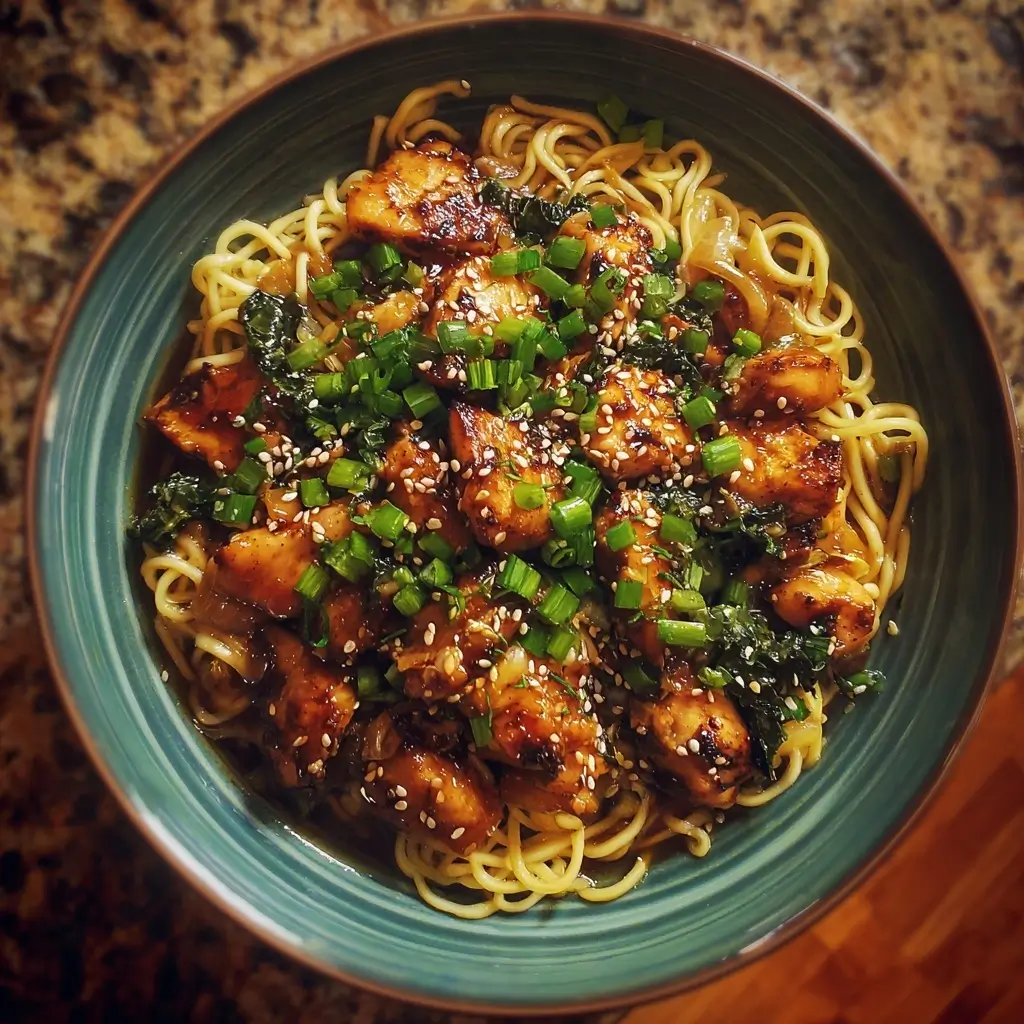
Teriyaki Chicken Noodle Bowls: A Flavorful Fusion of Sweet, Savory, and Satisfying
Imagine tender pieces of chicken glazed in a glossy, sweet-savory teriyaki sauce, nestled atop a bed of springy noodles and vibrant vegetables. That’s the magic of Teriyaki Chicken Noodle Bowls—a dish that combines Japanese-inspired flavors with the comforting heartiness of a well-balanced meal. Whether you’re preparing a quick weeknight dinner or impressing guests with an elegant yet simple presentation, these bowls deliver bold taste, beautiful colors, and endless customization options. From the aromatic sizzle of garlic and ginger to the rich umami depth of soy and mirin, every bite tells a story of culinary harmony.
The History Behind Teriyaki and Its Global Journey
The word “teriyaki” comes from two Japanese terms: teri, meaning luster or shine, and yaki, meaning grilled or broiled. Traditionally, teriyaki refers to a cooking technique where fish (often salmon or mackerel) is broiled or grilled with a glaze made from soy sauce, mirin, and sugar—giving it that signature glossy sheen. This method dates back to the Edo period (1603–1868), when Japanese cooks began using natural sugars and fermented sauces to enhance flavor and preserve food.
Over time, teriyaki evolved beyond its coastal roots. With the spread of Japanese cuisine across the globe—particularly in Hawaii and North America—the dish transformed significantly. In Hawaiian-Japanese fusion cooking, teriyaki became associated with marinated meats, especially chicken, beef, and pork, often served over rice with macaroni salad. In mainland U.S. restaurants during the 20th century, teriyaki chicken emerged as a staple of Japanese-American takeout menus, adapted to Western palates with sweeter sauces and bolder seasonings.
Today, teriyaki has transcended borders, inspiring countless variations—from stir-fried noodle bowls to grain-based Buddha bowls and even sandwiches. The Teriyaki Chicken Noodle Bowl represents a modern interpretation of this legacy, blending traditional elements with global ingredients like ramen, soba, or udon noodles, and fresh vegetables for a complete, nutritionally balanced meal.
Ingredients Breakdown: What Makes This Dish Shine
The beauty of Teriyaki Chicken Noodle Bowls lies in their balance of flavors and textures. Each ingredient plays a critical role in creating a harmonious dish that’s both satisfying and sophisticated.
- Chicken Breast or Thighs: Lean chicken breast offers a clean protein base, while dark meat (thighs) provides juicier, more flavorful results due to higher fat content. Both work beautifully when sliced thinly for quick cooking.
- Soy Sauce (or Tamari): The backbone of teriyaki sauce, soy sauce contributes saltiness and umami. For gluten-free versions, tamari (a wheat-free soy sauce alternative) works perfectly.
- Mirin: A sweet Japanese rice wine that softens the saltiness of soy sauce and adds a subtle fruity aroma. If unavailable, a mix of dry white wine and sugar can substitute, though authentic mirin yields superior depth.
- Brown Sugar or Honey: Adds sweetness and helps create the caramelized glaze when the sauce reduces. Brown sugar imparts a molasses note; honey brings floral complexity.
- Fresh Ginger and Garlic: These aromatics are non-negotiable. Grated ginger lends warmth and zing, while minced garlic deepens the savory profile.
- Rice Vinegar or Apple Cider Vinegar: A splash brightens the sauce and balances the sweetness, preventing cloying richness.
- Cornstarch Slurry: A mixture of cornstarch and water thickens the sauce into a velvety glaze that clings to the chicken and noodles.
- Noodles: Choose from udon (chewy wheat noodles), soba (buckwheat for nuttiness and fiber), ramen (springy and versatile), or even rice noodles for a gluten-free option. Fresh or dried both work, but fresh offer better texture.
- Vegetables: Common additions include bell peppers (red, yellow, or orange for color), broccoli florets, snap peas, carrots (julienned or spiralized), mushrooms, baby bok choy, and green onions. These add crunch, nutrients, and visual appeal.
- Sesame Oil and Seeds: Toasted sesame oil drizzled at the end enhances fragrance, while sesame seeds provide a nutty crunch and aesthetic finish.
- Garnishes: Sliced green onions, cilantro, nori strips, pickled ginger, chili flakes, or a soft-boiled egg elevate the bowl from simple to restaurant-quality.
Step-by-Step Recipe: Crafting Your Perfect Teriyaki Chicken Noodle Bowl
Follow this detailed guide to make a delicious, restaurant-worthy Teriyaki Chicken Noodle Bowl at home—ready in under 40 minutes.
- Prepare the Teriyaki Sauce: In a small saucepan, combine ½ cup soy sauce (or tamari), ¼ cup mirin, 3 tablespoons brown sugar, 2 tablespoons honey, 2 tablespoons rice vinegar, 1 tablespoon grated fresh ginger, and 2 cloves minced garlic. Whisk together over medium heat until the sugar dissolves. In a separate bowl, mix 1 tablespoon cornstarch with 2 tablespoons cold water to form a slurry. Slowly pour the slurry into the sauce while stirring continuously. Bring to a gentle simmer and cook for 3–5 minutes until the sauce thickens to a syrupy consistency. Remove from heat and set aside.
- Cook the Noodles: Bring a large pot of salted water to a boil. Cook your choice of noodles according to package instructions—udon and ramen typically take 7–9 minutes; soba may require less time. Drain and rinse under cold water to stop cooking and prevent sticking. Toss with a tiny bit of neutral oil (like vegetable or avocado oil) if not using immediately.
- Prepare the Vegetables: While the sauce simmers and noodles cook, slice all vegetables into uniform, bite-sized pieces. Heat 1 tablespoon of neutral oil in a large skillet or wok over medium-high heat. Add harder vegetables first (carrots, broccoli) and stir-fry for 2–3 minutes. Then add softer ones (bell peppers, snap peas, mushrooms) and cook another 2–3 minutes until crisp-tender. Remove from pan and set aside.
- Cook the Chicken: Slice chicken into thin strips. Pat dry with paper towels to ensure proper browning. Heat 1 tablespoon oil in the same skillet over medium-high heat. Add chicken in a single layer and sear for 3–4 minutes per side until golden and cooked through (internal temperature should reach 165°F). Remove and set aside.
- Combine and Glaze: Reduce heat to low. Return the chicken to the skillet and pour in about half of the prepared teriyaki sauce. Stir to coat evenly and warm through for 1–2 minutes. Add the stir-fried vegetables and toss gently to combine.
- Assemble the Bowls: Divide cooked noodles among serving bowls. Top generously with the teriyaki chicken and vegetable mixture. Drizzle additional warm teriyaki sauce over each bowl for extra flavor. Garnish with sliced green onions, toasted sesame seeds, a drizzle of sesame oil, and optional extras like a soft-boiled egg or pickled ginger.
Tips for Mastering the Perfect Teriyaki Chicken Noodle Bowl
- Don’t Overcook the Chicken: To keep it tender, avoid overcrowding the pan when searing. Cook in batches if necessary and resist the urge to stir too frequently—let it develop a nice crust.
- Balance the Sauce: Taste your teriyaki sauce before adding cornstarch. Adjust sweetness (more honey), saltiness (a splash of soy), or acidity (a dash of vinegar) to suit your palate.
- Use Fresh Aromatics: Pre-minced garlic and jarred ginger lack the brightness of freshly grated versions. Take the extra minute—it makes a difference!
- Prep Ahead: Chop vegetables and make the sauce up to 3 days in advance. Store separately in airtight containers. Reheat sauce gently before use.
- Avoid Mushy Noodles: After boiling, rinse noodles well with cold water to remove excess starch. If you plan to serve later, toss with a teaspoon of oil to prevent clumping.
- Boost Umami: Add a splash of fish sauce or a pinch of MSG (optional) to deepen the savory flavor without making it taste “fishy.”
- Control Thickness: If your sauce becomes too thick upon cooling, reheat it with a splash of water or broth to restore fluidity.
Variations and Customizations: Make It Your Own
One of the greatest strengths of Teriyaki Chicken Noodle Bowls is their adaptability. Here are creative ways to personalize your dish:
- Protein Swaps: Replace chicken with thinly sliced beef (flank steak), shrimp, tofu (extra-firm, pressed and pan-seared), tempeh, or even grilled salmon.
- Noodle Alternatives: Try zucchini noodles (zoodles) or spaghetti squash for a low-carb version. Shirataki noodles are another keto-friendly option.
- Vegan/Vegetarian Version: Use tamari, omit honey (replace with maple syrup), and substitute chicken with marinated tofu or seitan. Double up on mushrooms for meaty texture.
- Spicy Kick: Infuse the sauce with sriracha, chili garlic paste, or red pepper flakes. Top with sliced jalapeños or a spicy mayo drizzle.
- Pineapple Twist: Add chunks of fresh pineapple to the stir-fry for tropical sweetness that complements the teriyaki flavor.
- Korean-Inspired Fusion: Swap some soy sauce for gochujang (Korean chili paste) and garnish with kimchi and gochugaru (Korean chili flakes).
- Grain Bowls: Instead of noodles, serve over steamed jasmine rice, brown rice, or quinoa for a heartier base.
- Extra Crunch: Top with crushed peanuts, fried shallots, or crispy wonton strips.
Health Considerations and Nutritional Value
When prepared mindfully, Teriyaki Chicken Noodle Bowls can be a nutritious, well-rounded meal. However, there are important factors to consider for dietary goals.
Nutritional Highlights (per serving, approximate):
- Calories: 450–600 kcal (depending on portion size and oil usage)
- Protein: 30–40g (from chicken and optionally eggs or tofu)
- Carbohydrates: 50–70g (mainly from noodles and sugar in sauce)
- Fat: 10–18g (mostly unsaturated from oils and sesame)
- Sodium: Can range from 800–1500mg due to soy sauce—opt for low-sodium soy or tamari to reduce intake.
Health Tips:
- Reduce Sugar: Cut back on honey or brown sugar in the sauce by 1–2 tablespoons, or use a natural sugar substitute like monk fruit syrup for lower glycemic impact.
- Boost Fiber: Use whole-grain noodles (like whole wheat ramen or 100% buckwheat soba) and load up on colorful vegetables.
- Heart-Healthy Fats: Stick to moderate amounts of healthy oils (avocado, grapeseed) and limit added butter or shortening.
- Portion Control: Serve in standard-sized bowls and focus on a 50/25/25 ratio: 50% vegetables, 25% protein, 25% noodles or grains.
- Allergen Awareness: Soy and gluten are common allergens. Always check labels and consider substitutions (tamari for gluten-free, coconut aminos for soy-free).
Full Ingredient List
For the Teriyaki Sauce:
- ½ cup low-sodium soy sauce (or tamari for gluten-free)
- ¼ cup mirin (sweet rice wine)
- 3 tbsp packed brown sugar
- 2 tbsp honey (or maple syrup for vegan option)
- 2 tbsp rice vinegar (or apple cider vinegar)
- 1 tbsp freshly grated ginger
- 2 cloves garlic, finely minced
- 1 tbsp cornstarch
- 2 tbsp cold water
For the Bowl:
- 1 lb boneless, skinless chicken breasts or thighs, thinly sliced
- 8 oz noodles (udon, soba, ramen, or rice noodles)
- 2 tbsp neutral cooking oil (vegetable, canola, or avocado), divided
- 1 red bell pepper, thinly sliced
- 1 cup broccoli florets
- 1 carrot, julienned or shredded
- 1 cup snap peas or snow peas
- ½ cup sliced mushrooms (shiitake or cremini)
- 3 green onions, sliced (white and green parts separated)
- 1 tsp toasted sesame oil
- 1 tbsp sesame seeds (white or black)
- Optional: soft-boiled egg, pickled ginger, nori strips, chili oil
Detailed Directions
- Make the Sauce: Combine soy sauce, mirin, brown sugar, honey, rice vinegar, ginger, and garlic in a small saucepan. Heat over medium, whisking until sugar dissolves. Mix cornstarch and water in a small bowl, then slowly stir into the sauce. Simmer 3–5 minutes, stirring constantly, until thickened. Remove from heat and cover to keep warm.
- Cook Noodles: Boil noodles in salted water as directed. Drain, rinse under cold water, and toss with a bit of oil to prevent sticking. Set aside.
- Stir-Fry Vegetables: Heat 1 tbsp oil in a large skillet or wok over medium-high. Add white parts of green onions and harder veggies (broccoli, carrots). Stir-fry 2 minutes. Add softer vegetables (peppers, snap peas, mushrooms) and cook 2–3 minutes more until crisp-tender. Remove and set aside.
- Cook Chicken: Heat remaining oil in the same pan. Add chicken in a single layer; cook 3–4 minutes per side until golden and internal temperature reaches 165°F. Remove and set aside.
- Glaze and Combine: Reduce heat to low. Return chicken to pan, pour in half the teriyaki sauce, and toss to coat. Add vegetables and stir gently to combine. Warm through 1–2 minutes.
- Assemble Bowls: Divide noodles among 4 bowls. Top with teriyaki chicken and vegetables. Drizzle with extra sauce. Garnish with green onion tops, sesame seeds, sesame oil, and any desired toppings.
- Serve Immediately: Enjoy hot while the noodles are springy and the sauce is glossy.
Frequently Asked Questions (FAQ)
Can I make teriyaki sauce ahead of time?
Yes! The sauce can be made up to one week in advance and stored in an airtight container in the refrigerator. Reheat gently on the stove with a splash of water if too thick.
Can I freeze teriyaki chicken?
Absolutely. Cooked chicken in sauce freezes well for up to 3 months. Thaw overnight in the fridge and reheat on the stovetop or microwave. Noodles are best cooked fresh.
Is teriyaki sauce gluten-free?
Traditional soy sauce contains wheat. Use tamari or a certified gluten-free soy sauce to make this dish gluten-free.
How do I prevent soggy noodles?
Always rinse cooked noodles with cold water and drain thoroughly. Avoid adding sauce too early—add it just before serving.
Can I use store-bought teriyaki sauce?
You can, but homemade sauce is fresher, less sweet, and free of preservatives. Most bottled versions contain high fructose corn syrup and excessive sodium.
What vegetables work best?
Stick to quick-cooking varieties: bell peppers, broccoli, carrots, snap peas, mushrooms, spinach, bok choy, cabbage, zucchini, and bean sprouts.
Can I make this in a slow cooker?
Yes! Place chicken and sauce in the slow cooker and cook on low for 4–6 hours. Shred and serve over noodles with sautéed veggies.
Are these bowls kid-friendly?
Definitely! Kids love the sweet-savory flavor. Serve with chopsticks or forks, and let them customize their own bowl with favorite toppings.
Summary
Teriyaki Chicken Noodle Bowls blend rich, glossy teriyaki-glazed chicken with springy noodles and crisp vegetables for a satisfying, flavor-packed meal. Easy to customize and perfect for busy nights, this dish brings restaurant-quality taste to your kitchen with minimal effort.