Introduction
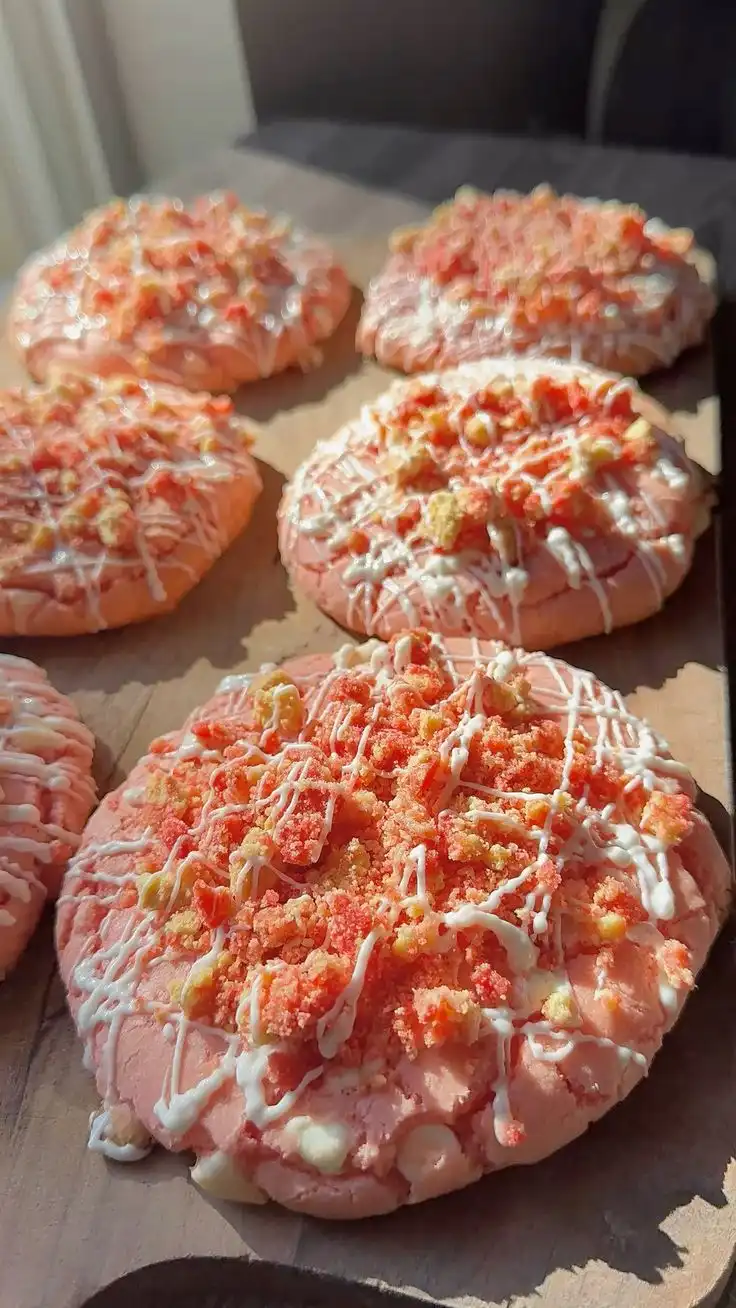
Strawberry shortcake cookies are a whimsical, nostalgic fusion of two beloved American classics: the tender, buttery charm of shortcake and the vibrant, summery sweetness of fresh strawberries. Unlike traditional layered strawberry shortcake served in bowls or on plates, these cookies transform that iconic flavor profile into a portable, shareable, and endlessly customizable handheld treat. Imagine the delicate crumb of a biscuit-like shortcake—lightly golden, subtly sweet, and tender—but baked into a soft, chewy-yet-crisp cookie format, studded with real diced strawberries and finished with a dreamy vanilla glaze or a dusting of powdered sugar. They’re perfect for spring picnics, summer barbecues, school lunches, bridal showers, or simply as an uplifting afternoon indulgence. More than just dessert, strawberry shortcake cookies evoke sun-dappled gardens, farmers’ market hauls, and the gentle joy of seasonal simplicity—reimagined with modern baking precision and heartfelt warmth.
The History
The origins of strawberry shortcake trace back to 16th-century England, where “shortcake” referred not to a specific cake but to any crisp, crumbly pastry made rich with fat—typically lard or butter—“shortening” the gluten strands to yield tenderness. Early versions were more like scones or biscuits, often served with stewed fruit or cream. By the 18th century, colonial Americans adopted and adapted the tradition, using locally abundant strawberries and newly accessible refined sugar and baking powder. The iconic trio—biscuit, macerated berries, and whipped cream—solidified in the late 1800s, especially after the 1876 Centennial Exposition in Philadelphia helped popularize it as a patriotic dessert.
Fast forward to the late 20th and early 21st centuries: home bakers began experimenting with “cookie-ifying” classic desserts—think brownie cookies, lemon bar cookies, and red velvet cookies. Strawberry shortcake entered this trend through culinary innovators who sought to capture its essence without the structural fragility of layered shortcake. Pioneering food bloggers, test kitchen editors at publications like Bon Appétit and Food & Wine, and artisanal bakeries across the Pacific Northwest and California led the charge—refining techniques to preserve strawberry’s freshness (via freeze-drying, dehydration, or careful folding), balancing acidity with buttermilk or sour cream, and engineering texture so the cookies stayed tender without spreading excessively. Today, strawberry shortcake cookies represent both reverence for tradition and joyful culinary evolution—a testament to how heritage flavors can be thoughtfully recontextualized for contemporary life.
Ingredients Breakdown
Every exceptional strawberry shortcake cookie begins with intentionality—not just in measurement, but in understanding *why* each ingredient matters. Below is a meticulous, chef-level breakdown:
- All-Purpose Flour (2 ½ cups / 315g): Provides structure and tender crumb. For optimal shortcake authenticity, we recommend unbleached flour with moderate protein (10–11.5%). Avoid bread flour (too chewy) or cake flour alone (too fragile); a small blend with 2 tbsp cornstarch may enhance tenderness if desired.
- Granulated Sugar (¾ cup / 150g): Balances acidity, aids browning, and contributes to crisp edges. A portion (¼ cup) is reserved for the strawberry maceration to draw out juices and intensify sweetness.
- Brown Sugar (½ cup / 100g, light or dark): Adds moisture, caramel notes, and subtle molasses depth—echoing the richness of traditional shortcake biscuits. Dark brown sugar yields a deeper, more complex flavor; light offers milder warmth.
- Unsalted Butter (1 cup / 227g, cold and cubed): The soul of shortcake texture. Cold butter creates steam pockets during baking, yielding flakiness within chewiness. European-style butter (82–84% fat) is ideal for richer flavor and superior browning.
- Full-Fat Sour Cream (⅓ cup / 80g) or Buttermilk: Adds tang, tenderness, and moisture while activating leaveners. Its acidity tenderizes gluten and enhances lift—directly channeling classic shortcake’s tender crumb.
- Large Egg (1, room temperature): Binds ingredients, adds richness, and contributes to structure and golden color. An extra yolk (optional) deepens richness and chew.
- Pure Vanilla Extract (2 tsp): Not optional—use Madagascar Bourbon or Tahitian for floral, creamy nuance that complements strawberry without competing.
- Baking Powder (2 tsp) & Baking Soda (¼ tsp): A dual-leavener system ensures reliable rise and airy tenderness. Baking powder provides primary lift; soda neutralizes acidity from sour cream/strawberries and encourages browning.
- Fine Sea Salt (1 tsp): Elevates all other flavors—essential for balancing sweetness and highlighting strawberry’s brightness.
- Fresh Strawberries (1 ¼ cups / 180g, hulled and finely diced): The star. Use peak-season, deeply red, fragrant berries. Pat *thoroughly* dry with paper towels after dicing—excess moisture causes cookies to spread and steam instead of bake. Reserve 2 tbsp for garnish.
- Lemon Zest (from 1 medium lemon): Bright, aromatic oil lifts the strawberry’s perfume and cuts through richness—non-negotiable for authenticity.
- Optional Additions: ¼ tsp almond extract (enhances berry notes), 2 tbsp finely chopped toasted white chocolate (for creamy contrast), or 1 tbsp freeze-dried strawberry powder (intensifies color and tart-sweet punch).
Note on Strawberry Prep: Never skip macerating the diced strawberries with ¼ cup granulated sugar and 1 tsp lemon juice for 15 minutes, then draining *and pressing gently* in a fine-mesh sieve. This step concentrates flavor, removes destabilizing water, and prevents soggy cookies—true shortcake integrity starts here.
Step-by-Step Recipe
- Prep & Chill (30 min): Line two baking sheets with parchment paper. In a medium bowl, whisk together flour, baking powder, baking soda, and salt. In a separate bowl, combine sour cream, egg, vanilla, and lemon zest—whisk until smooth. Cube butter and place in freezer for 10 minutes. Hull and dice strawberries; macerate with ¼ cup sugar and 1 tsp lemon juice for 15 minutes, then drain thoroughly and pat *completely dry* with paper towels.
- Cut in Butter (5 min): Add cold, cubed butter to the flour mixture. Using a pastry cutter or two forks, cut butter into pea-sized pieces—some slightly larger is fine. Do *not* overwork; visible butter flecks are essential for flakiness. Place mixture in freezer for 5 minutes to re-chill.
- Combine Wet & Dry (3 min): Make a well in the center of the flour-butter mixture. Pour in sour cream mixture. Using a silicone spatula or wooden spoon, gently fold *just until shaggy dough forms*—do not overmix. Dough will look crumbly and uneven. Fold in dried strawberries and lemon zest.
- Chill Dough (1 hour minimum, up to 48 hrs): Divide dough into two equal portions. Shape each into a 1½-inch-thick disc. Wrap tightly in plastic wrap and refrigerate for at least 1 hour (ideal: 2–3 hours). Chilling solidifies butter, prevents overspreading, and develops flavor.
- Preheat & Portion (10 min): Preheat oven to 350°F (175°C) with racks in upper and lower thirds. Line additional sheets if needed. Remove one dough disc from fridge. Let sit 5 minutes for slight softening. Using a 2-tbsp cookie scoop or spoon, portion dough into 12–14 balls (≈1.5 oz each). Roll gently between palms into smooth spheres—do not compress. Place 3 inches apart on sheets.
- Bake (12–14 min per batch): Bake for 12 minutes, then rotate pans top-to-bottom and front-to-back. Continue baking 1–2 minutes more until edges are golden brown and centers appear *just set* (they’ll firm as they cool). Do not overbake—cookies should be soft and slightly puffed when removed. Cool on sheets for 5 minutes, then transfer to wire racks to cool completely (≈30 min).
- Glaze & Finish (Optional but Recommended): While cookies cool, prepare vanilla glaze: whisk 1 cup powdered sugar, 2–3 tbsp heavy cream or whole milk, 1 tsp vanilla, and pinch of salt until smooth. Adjust thickness with more cream (thinner) or sugar (thicker). Drizzle generously over cooled cookies. Garnish with reserved fresh strawberry slices, a sprinkle of lemon zest, and a tiny pinch of flaky sea salt.
Tips
- Butter Temperature is Non-Negotiable: Cold butter = tender, layered crumb. If butter softens while mixing, pause and return dough to fridge for 10 minutes before proceeding.
- Dry Strawberries Relentlessly: Even 1 extra gram of moisture can cause greasiness or collapse. After draining, lay diced berries on triple-layered paper towels, press gently with another towel, and let air-dry 2 minutes.
- No Overmixing—Ever: Once wet and dry ingredients meet, mix only until no dry flour remains. Overmixing develops gluten = tough, dense cookies. Embrace shaggy dough—it’s perfect.
- Chill Twice, Bake Once: First chill (after mixing) hydrates flour and relaxes gluten. Second chill (after portioning) firms butter. Skipping either leads to flat, greasy cookies.
- Measure Flour Correctly: Spoon flour into measuring cup and level with a knife—don’t scoop! Too much flour = dry, crumbly cookies. For precision, use a kitchen scale.
- Rotate Pans Mid-Bake: Ovens have hot spots. Rotating ensures even browning and consistent texture from edge to center.
- Cool Completely Before Glazing: Warm cookies melt glaze into streaks. Patience yields pristine, glossy finish.
- Freeze Dough for Freshness: Unbaked dough balls freeze beautifully for up to 3 months. Bake straight from freezer—add 1–2 minutes to bake time.
- Use a Light-Colored Baking Sheet: Dark sheets absorb heat and over-brown bottoms. If using dark pans, reduce oven temp by 25°F.
- Underbake Slightly: Cookies continue cooking on the hot sheet. When edges are golden and centers look *barely set*, they’re done. They’ll firm perfectly as they cool.
Variations and Customizations
These cookies are a canvas—celebrating strawberry while inviting creativity. All variations maintain the core shortcake DNA: tender crumb, buttery richness, bright acidity, and seasonal fruit focus.
- Strawberry-Rhubarb Swirl: Replace ½ cup strawberries with finely diced, peeled rhubarb (tossed with 1 tbsp sugar and ½ tsp cornstarch). Swirl into dough before portioning for a tart, rosy marbling.
- White Chocolate & Basil: Fold in ⅔ cup finely chopped high-quality white chocolate and 2 tbsp finely chiffonaded fresh basil (added last, to preserve aroma).
- Oat-Infused Shortcake: Substitute ½ cup flour with old-fashioned rolled oats (pulse in blender first for finer texture). Adds heartiness and nutty depth—pair with maple glaze.
- Coconut-Lime Shortcake: Replace sour cream with full-fat coconut yogurt, add 2 tbsp unsweetened shredded coconut (toasted), and swap lemon zest for lime zest. Glaze with lime-vanilla glaze.
- Vegan Adaptation: Use cold coconut oil (solid) + 1 tbsp apple cider vinegar in plant-based milk for “buttermilk,” flax egg (1 tbsp ground flax + 2.5 tbsp water), and certified vegan white chocolate. Ensure sugar is beet-derived.
- Gluten-Free Version: Blend 1 cup brown rice flour, ½ cup tapioca starch, ¼ cup potato starch, 2 tsp xanthan gum, and 1 tsp psyllium husk powder. Add 1 extra tbsp cold butter substitute for binding.
- Mini Bite-Sized Cookies: Portion into 1-tsp balls. Bake at 375°F for 8–9 minutes. Perfect for tea parties or cookie platters.
- Dehydrated Strawberry Dust: Pulse ½ cup dehydrated strawberries into fine powder. Replace 2 tbsp flour with this powder for intense color, concentrated flavor, and natural pink hue.
- Earl Grey Infusion: Steep 2 Earl Grey tea bags in warm sour cream for 10 minutes, then strain. Adds sophisticated bergamot fragrance that harmonizes beautifully with strawberry.
- Maple-Bourbon Glaze: Replace cream in glaze with pure maple syrup (reduce to 1 tbsp) and add ½ tsp bourbon. Drizzle over cooled cookies and finish with candied pecans.
Health Considerations and Nutritional Value
While strawberry shortcake cookies are inherently a celebratory treat—not a health food—they can be approached with mindful intentionality, honoring both pleasure and wellness. A standard cookie (based on 14 cookies per batch) contains approximately:
- Calories: ~220–240 kcal
- Total Fat: 12–14g (7–8g saturated, primarily from butter)
- Carbohydrates: 28–30g (18–20g sugars, including natural strawberry sugars)
- Protein: 3–4g
- Fiber: 0.5–1g (increases with oat or GF flour variations)
- Vitamin C: ~15–20mg per cookie (≈25% DV) from fresh strawberries
- Manganese & Folate: Moderate amounts from whole strawberries and fortified flour
Considerations for Balanced Enjoyment:
- Sugar Awareness: The recipe uses less added sugar than many cookie recipes (1¼ cups total for 14 cookies ≈ 1 tbsp per cookie), relying on strawberries’ natural sweetness. Reducing granulated sugar by 2 tbsp is possible without sacrificing structure—but avoid eliminating entirely, as sugar aids browning and texture.
- Butter vs. Alternatives: While plant-based fats work in vegan versions, butter contributes unique shortcake flavor and mouthfeel. If reducing saturated fat, consider replacing *up to half* the butter with cold, unsalted avocado oil—but expect softer texture and less browning.
- Strawberry Benefits: Fresh berries add antioxidants (ellagic acid, anthocyanins), fiber, and vitamin C. Their inclusion makes these cookies nutritionally superior to many fruit-free counterparts.
- Portion Mindfulness: Their satisfying richness means smaller servings feel fulfilling. Serving 2–3 cookies alongside herbal tea or sparkling water supports mindful eating.
- Allergen Notes: Contains dairy, eggs, and wheat. Gluten-free, vegan, and nut-free options are achievable (see Variations section). Always verify ingredient labels for hidden allergens (e.g., some vanilla extracts contain corn syrup).
- Not Low-Carb or Keto: Due to flour and sugar content. For keto adaptations, explore almond/coconut flour blends with erythritol and butter alternatives—but note texture and flavor shift significantly from authentic shortcake.
Ultimately, these cookies honor the principle of *food as joy*. When made with quality ingredients, shared with love, and enjoyed intentionally—not guiltily—they contribute meaningfully to holistic well-being.
Ingredients
- 2 ½ cups (315g) unbleached all-purpose flour
- ¾ cup (150g) granulated sugar, divided
- ½ cup (100g) light or dark brown sugar, packed
- 1 cup (227g) cold unsalted butter, cubed
- ⅓ cup (80g) full-fat sour cream, cold
- 1 large egg, room temperature
- 2 tsp pure vanilla extract
- 1 tsp finely grated lemon zest (from 1 medium lemon)
- 2 tsp aluminum-free baking powder
- ¼ tsp baking soda
- 1 tsp fine sea salt
- 1 ¼ cups (180g) fresh strawberries, hulled and finely diced
- 1 tsp fresh lemon juice
- For Glaze (Optional): 1 cup (120g) powdered sugar, 2–3 tbsp heavy cream or whole milk, 1 tsp vanilla extract, pinch of salt
- For Garnish: Extra fresh strawberry slices, lemon zest, flaky sea salt
Directions
- Line two large baking sheets with parchment paper. Set aside.
- In a medium bowl, whisk together flour, ½ cup granulated sugar, brown sugar, baking powder, baking soda, and salt.
- In a small bowl, whisk sour cream, egg, vanilla, and lemon zest until smooth.
- Add cold, cubed butter to flour mixture. Using a pastry cutter or two forks, cut butter into mixture until it resembles coarse crumbs with some pea-sized pieces remaining. Place bowl in freezer for 5 minutes.
- Make a well in center of flour mixture. Pour in sour cream mixture. Gently fold with a silicone spatula until shaggy dough just comes together—about 12–15 folds. Do not overmix.
- Hull and dice strawberries. In a small bowl, combine diced strawberries, remaining ¼ cup granulated sugar, and lemon juice. Let macerate 15 minutes. Drain thoroughly in a fine-mesh sieve, then press gently with paper towels until *completely dry*.
- Fold dried strawberries into dough until evenly distributed. Dough will be soft and slightly sticky.
- Divide dough in half. Shape each half into a 1½-inch-thick disc. Wrap tightly in plastic wrap. Refrigerate for at least 1 hour, or up to 48 hours.
- Preheat oven to 350°F (175°C) with racks in upper and lower thirds.
- Remove one dough disc from refrigerator. Let sit 5 minutes. Scoop 12–14 portions (≈1.5 oz each) using a 2-tbsp cookie scoop. Roll each into a smooth ball—do not compact—and place 3 inches apart on prepared sheets.
- Bake for 12 minutes. Rotate pans top-to-bottom and front-to-back. Bake 1–2 minutes more until edges are golden brown and centers appear set but soft.
- Cool cookies on baking sheets for 5 minutes, then transfer to wire racks to cool completely (≈30 minutes).
- While cooling, prepare glaze: Whisk powdered sugar, 2 tbsp cream, vanilla, and salt. Add more cream (½ tsp at a time) until drizzling consistency. Drizzle generously over cooled cookies.
- Garnish with fresh strawberry slices, lemon zest, and a pinch of flaky sea salt. Serve same day for best texture, or store airtight for up to 3 days.
FAQ
- Can I use frozen strawberries?
- No—frozen strawberries release excessive water when thawed, causing cookies to spread, steam, and become gummy. Fresh, in-season berries are essential for texture and flavor integrity.
- Why do I need to macerate and dry the strawberries?
- Maceration draws out excess juice and concentrates sweetness and acidity. Drying prevents that liquid from interfering with dough hydration, ensuring proper structure, browning, and shelf life. Skipping this step risks flat, greasy, or soggy cookies.
- Can I make the dough ahead?
- Absolutely. Chilled dough discs keep for up to 48 hours in the fridge or 3 months in the freezer. For frozen dough, bake directly from freezer—add 1–2 minutes to bake time.
- My cookies spread too much—what went wrong?
- Most common causes: butter was too warm, strawberries weren’t dried thoroughly, dough wasn’t chilled long enough, or flour was measured incorrectly (too little). Also check oven temperature with an oven thermometer—many ovens run hot.
- Can I omit the sour cream?
- It’s strongly discouraged. Sour cream provides critical tang, moisture, tenderness, and leavening activation. Buttermilk is the only acceptable 1:1 substitute. Yogurt (full-fat, strained) works in a pinch but may yield denser texture.
- How do I store these cookies?
- Cool completely, then store in an airtight container at room temperature for up to 3 days. Do not refrigerate—cold air dries them out. For longer storage, freeze baked cookies for up to 2 months; thaw at room temperature.
- Can I add white chocolate chips?
- Yes! Fold in ⅔ cup high-quality white chocolate chips *after* adding strawberries. Toast them lightly first for deeper flavor, or use chopped bars for better melt resistance.
- Why is there both baking powder AND baking soda?
- Baking powder provides primary leavening. Baking soda neutralizes the acidity from sour cream and strawberries, enhances browning via Maillard reaction, and adds subtle lift—creating the tender, biscuit-like crumb true to shortcake.
- Can I make them dairy-free?
- Yes—with substitutions: cold coconut oil or vegan butter (stick form, not spread), coconut yogurt for sour cream, and flax or commercial egg replacer. Texture will be slightly denser, but flavor remains delightful.
- What’s the best way to serve them?
- At room temperature, ideally within 6 hours of baking. Pair with unsweetened herbal tea, cold sparkling water with lemon, or a dollop of lightly sweetened whipped cream for full shortcake nostalgia.
Summary
Strawberry shortcake cookies are a masterful, seasonally grounded reinvention—honoring centuries-old shortcake tradition through the joyful, accessible format of a tender, buttery, berry-studded cookie, elevated by smart technique and thoughtful ingredient choices.
With meticulous strawberry prep, precise chilling, balanced leavening, and optional glazes or garnishes, they deliver nostalgic elegance in every bite—making them as fitting for a garden party as they are for a quiet moment of self-care.