Introduction
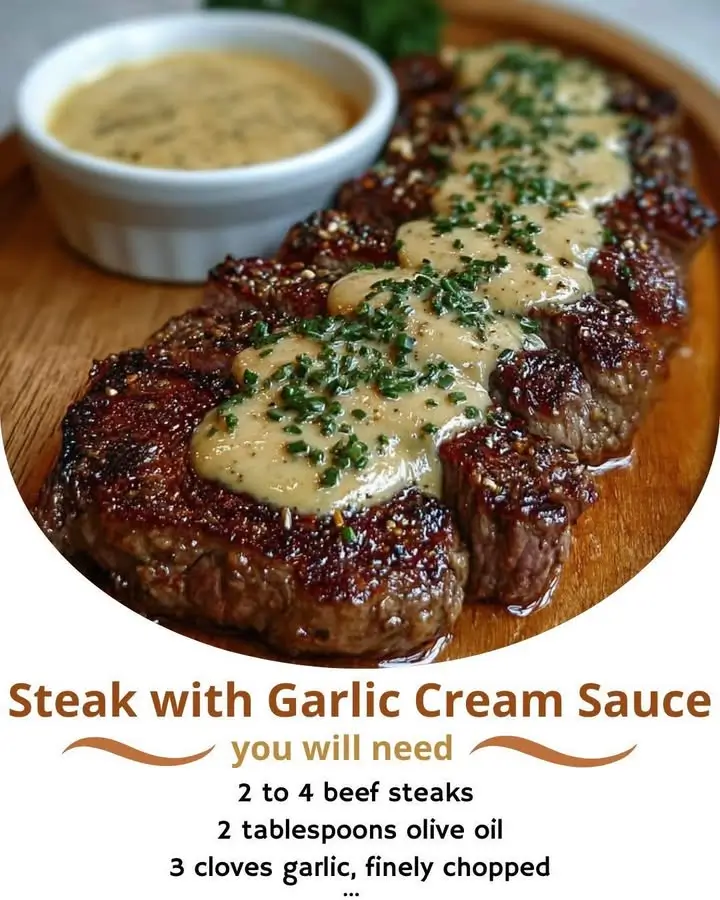
Steak with Garlic Cream Sauce is a luxurious, restaurant-quality dish that can be effortlessly recreated in the comfort of your own kitchen. This rich and savory entrée combines the deep, robust flavor of perfectly cooked steak with a velvety garlic-infused cream sauce that elevates every bite into a culinary masterpiece. Whether you’re preparing a romantic dinner for two, hosting a special occasion, or simply treating yourself to something indulgent, this dish delivers elegance and satisfaction on a plate. With its silky texture, aromatic garlic notes, and tender meat, it’s no wonder this recipe has become a favorite among home cooks and gourmet chefs alike.
The History
The origins of steak with creamy sauces trace back to French cuisine, particularly from the classic dishes developed in haute cuisine during the 19th century. The French have long been celebrated for their mastery of sauces, with techniques passed down through generations of skilled chefs. Dishes like steak au poivre and steak frites laid the foundation for combining premium cuts of beef with bold, flavorful accompaniments. Over time, variations incorporating dairy-based sauces—especially those enriched with cream and garlic—gained popularity across Europe and North America.
Garlic cream sauce, known as crème à l’ail in French cooking, was traditionally served with poultry or vegetables but eventually found its way onto steak menus in upscale bistros. The fusion of Anglo-American steakhouse culture with European saucing techniques gave rise to modern interpretations like Steak with Garlic Cream Sauce. Today, it stands as a symbol of culinary sophistication, blending rustic flavors with refined execution. Its enduring appeal lies in the harmonious balance between the meat’s natural savoriness and the sauce’s lush, aromatic complexity.
Ingredients Breakdown
Creating an exceptional Steak with Garlic Cream Sauce begins with selecting high-quality ingredients, each playing a crucial role in building depth, richness, and balance.
- Steak: A well-marbled cut such as ribeye, New York strip, or filet mignon ensures juiciness and intense beefy flavor. The fat content enhances both taste and tenderness when seared properly.
- Butter: Unsalted butter is preferred for better control over seasoning. It adds silkiness to the sauce and helps create a golden crust on the steak during searing.
- Olive Oil: Used in combination with butter to raise the smoke point, preventing burning while still achieving a beautiful sear.
- Garlic: Freshly minced garlic provides the signature aromatic punch. Cooking it gently prevents bitterness and allows its sweet, nutty essence to infuse the sauce.
- Heavy Cream: The backbone of the sauce, heavy cream lends a luxurious mouthfeel and smooth consistency, carrying the garlic and herbs beautifully.
- Dijon Mustard: Adds a subtle tang and depth, helping emulsify the sauce while enhancing overall flavor complexity without overpowering.
- Beef Broth: Deepens the umami profile and creates a more rounded base for the sauce. Preferably use low-sodium to manage salt levels.
- Fresh Herbs: Thyme and rosemary are ideal; they complement the earthiness of the meat and add fragrant layers to the sauce.
- Salt & Pepper: Essential seasonings applied at multiple stages—to the steak before cooking and adjusted in the sauce for perfect balance.
- Optional Additions: Shallots for sweetness, Worcestershire sauce for depth, or a splash of red wine for acidity and complexity.
Each ingredient contributes not only to flavor but also to texture and aroma, making this dish a symphony of sensory delight.
Step-by-Step Recipe
- Prepare the Steak: Remove the steaks from the refrigerator 30–45 minutes before cooking to bring them to room temperature. Pat dry thoroughly with paper towels—this ensures a proper sear. Season generously on both sides with kosher salt and freshly ground black pepper.
- Preheat the Pan: Place a heavy-bottomed skillet (preferably cast iron or stainless steel) over medium-high heat. Allow it to get very hot—this is critical for developing a flavorful crust.
- Sear the Steak: Add a tablespoon of olive oil, followed by 1 tablespoon of unsalted butter. Once the butter melts and begins to foam slightly, carefully place the steaks in the pan. Sear undisturbed for 3–4 minutes per side for medium-rare (adjust time based on thickness and desired doneness). For extra flavor, tilt the pan and spoon the hot butter over the top of the steaks as they cook (basting).
- Rest the Steak: Transfer the cooked steaks to a cutting board or warm plate, tent loosely with foil, and let rest for 8–10 minutes. This allows juices to redistribute, ensuring a moist, tender bite.
- Build the Sauce Base: In the same skillet (do not clean it—those browned bits are flavor gold), reduce heat to medium. Add another tablespoon of butter and swirl until melted. Add 3–4 cloves of minced garlic and sauté for about 30 seconds until fragrant but not browned.
- Deglaze the Pan: Pour in ½ cup of beef broth, using a wooden spoon to scrape up all the caramelized bits stuck to the bottom of the pan. These fond particles dissolve into the liquid, enriching the sauce with deep savory flavor.
- Simmer and Thicken: Stir in 1 teaspoon of Dijon mustard and a sprig each of fresh thyme and rosemary. Let the mixture simmer for 2–3 minutes to reduce slightly and concentrate flavors.
- Add Cream: Slowly pour in ¾ cup of heavy cream, stirring continuously. Bring to a gentle simmer and cook for 4–6 minutes until the sauce thickens enough to coat the back of a spoon.
- Finish the Sauce: Taste and adjust seasoning with salt and pepper. Remove herb sprigs. Optionally, stir in an additional tablespoon of cold butter off the heat for extra gloss and richness (a technique called monter au beurre).
- Serve: Slice the steak against the grain if desired, then return slices to the pan to warm briefly in the sauce, or drizzle the sauce generously over the plated steak. Garnish with chopped parsley or chives for freshness.
Tips
- Use a Meat Thermometer: For precise doneness, insert an instant-read thermometer into the thickest part of the steak: 125°F for rare, 135°F for medium-rare, 145°F for medium. Remember carryover cooking will raise the internal temperature by 5–10 degrees after removal from heat.
- Don’t Crowd the Pan: Cook one or two steaks at a time to maintain high heat and ensure even browning. Overcrowding causes steaming instead of searing.
- Let It Rest: Never skip resting the steak. Cutting too soon releases precious juices, leaving the meat dry.
- Control Garlic Burn: Garlic burns easily. Keep the heat moderate when sautéing and watch closely—it should soften and become aromatic, not turn brown or black.
- Enhance Flavor with Wine: For a deeper, more complex sauce, deglaze with ¼ cup of dry red wine (like Cabernet Sauvignon or Merlot) before adding the broth.
- Skim Excess Fat: After searing the steak, pour off excess fat from the pan before making the sauce to prevent greasiness.
- Warm Your Plates: Serve on pre-warmed plates to keep food hotter longer and enhance the dining experience.
- Make Ahead Tip: You can prepare the sauce base ahead of time and reheat gently while cooking the steak for faster service.
Variations and Customizations
This versatile recipe invites creativity and adaptation to suit various tastes, dietary needs, and cultural influences:
- Mushroom Garlic Cream Sauce: Sauté sliced cremini or wild mushrooms in the pan before adding garlic for an earthy twist reminiscent of steak Diane.
- Spicy Version: Add a pinch of red pepper flakes or a dash of hot sauce to give the sauce a warm kick.
- Herb Variations: Substitute thyme and rosemary with tarragon for a French bistro flair, or add sage for a fall-inspired variation.
- Lemon Zest Finish: Brighten the rich sauce with a bit of grated lemon zest or a squeeze of juice just before serving.
- Blue Cheese Infusion: Crumble in some high-quality blue cheese (like Gorgonzola) at the end for a bold, tangy contrast.
- Dairy-Free Option: Replace heavy cream with full-fat coconut milk and use vegan butter for a plant-based version. Nutritional yeast can mimic cheesy depth.
- Gluten-Free Friendly: Naturally gluten-free as written—just confirm that all broths and mustards used are certified GF.
- Seafood Swap: Use the same garlic cream sauce over seared scallops or grilled salmon for a luxurious alternative.
- Asian Fusion: Replace thyme and rosemary with ginger, soy sauce, and a touch of sesame oil for an umami-rich twist.
- Pasta Pairing: Toss the garlic cream sauce with fettuccine or pappardelle and top with sliced steak for a hybrid steak Alfredo dish.
Health Considerations and Nutritional Value
While Steak with Garlic Cream Sauce is undeniably decadent, understanding its nutritional components can help you enjoy it mindfully as part of a balanced diet.
- Protein Source: Beef is an excellent source of high-quality protein, providing all essential amino acids necessary for muscle repair, immune function, and hormone production.
- Iron and B Vitamins: Rich in heme iron (easily absorbed by the body), zinc, selenium, and B vitamins—especially B12 and niacin—which support energy metabolism and neurological health.
- Saturated Fat Content: The combination of marbled steak, butter, and heavy cream means this dish is high in saturated fats. Consuming in moderation is advised, especially for individuals managing heart health or cholesterol levels.
- Cream and Calories: Heavy cream significantly increases calorie and fat content. One cup contains approximately 800 calories and 88 grams of fat. Consider using half-and-half or whole milk for a lighter version, though texture and richness will be reduced.
- Sodium Awareness: Depending on seasoning and broth choice, sodium levels can be high. Opt for low-sodium beef broth and limit added salt to maintain cardiovascular wellness.
- Balancing the Meal: Pair with nutrient-dense sides like roasted Brussels sprouts, sautéed spinach, or a mixed green salad to increase fiber and antioxidants. Avoid pairing with other high-fat starches like loaded mashed potatoes unless portion-controlled.
- Dietary Modifications: For keto or low-carb diets, this dish fits well due to minimal carbohydrates. For paleo eaters, ensure mustard and broth are free from additives. Those following Mediterranean-style eating may prefer leaner cuts and olive oil emphasis.
Average nutritional estimate per serving (one 8 oz ribeye + full sauce): ~850–1000 calories, 70–85g fat (25–30g saturated), 45–50g protein, 5–8g carbohydrates, 400–600mg sodium.
Ingredients
- 2 (8 oz) ribeye or New York strip steaks
- Kosher salt and freshly ground black pepper (to taste)
- 2 tablespoons olive oil (divided)
- 3 tablespoons unsalted butter (divided)
- 4 cloves garlic, minced
- ½ cup low-sodium beef broth
- ¾ cup heavy cream
- 1 teaspoon Dijon mustard
- 1 sprig fresh thyme
- 1 sprig fresh rosemary
- Optional: ¼ cup dry red wine (for deglazing)
- Chopped fresh parsley (for garnish)
Directions
- Bring steaks to room temperature (about 30–45 minutes). Pat dry and season both sides liberally with salt and pepper.
- Heat a large skillet over medium-high heat. Add 1 tbsp olive oil and 1 tbsp butter. When butter foams, add steaks and sear for 3–4 minutes per side for medium-rare (adjust for thickness and preference).
- Transfer steaks to a plate, cover loosely with foil, and rest for 8–10 minutes.
- In the same pan, reduce heat to medium. Add 1 tbsp butter and swirl until melted. Add minced garlic and sauté for 30 seconds until fragrant.
- Pour in beef broth (and red wine, if using), scraping the bottom of the pan to release browned bits. Simmer 2–3 minutes.
- Stir in Dijon mustard, thyme, and rosemary. Simmer another minute.
- Slowly add heavy cream, stirring constantly. Bring to a gentle simmer and cook 4–6 minutes until sauce coats the back of a spoon.
- Remove herb sprigs. Taste and season with salt and pepper. Stir in remaining 1 tbsp cold butter for shine, if desired.
- Slice steak against the grain and serve with warm garlic cream sauce poured over the top. Garnish with parsley.
FAQ
Q: Can I make the garlic cream sauce ahead of time?
A: Yes, you can prepare the sauce base (without the final butter) up to a day in advance. Reheat gently over low heat, stir in cream if needed to loosen, and finish with butter before serving.
Q: What cut of steak is best for this recipe?
A: Ribeye, strip steak, and filet mignon are ideal due to their marbling and tenderness. Chuck eye or flat iron are budget-friendly alternatives with good flavor.
Q: My sauce is too thin—how do I thicken it?
A: Simmer longer to reduce and concentrate. Alternatively, mix ½ tsp cornstarch with 1 tsp water and whisk into the sauce, then cook 1–2 minutes until thickened.
Q: Can I use margarine instead of butter?
A: While possible, real butter provides superior flavor and texture. Margarine may alter taste and lacks the richness needed for a gourmet finish.
Q: Is there a non-alcoholic substitute for red wine?
A: Yes! Try balsamic vinegar, pomegranate juice, or extra beef broth with a splash of apple cider vinegar for acidity.
Q: Can I freeze leftovers?
A: Yes, but dairy-based sauces may separate upon thawing. Reheat slowly with a splash of broth or cream and whisk vigorously to re-emulsify.
Q: Why did my garlic burn?
A: Garlic burns quickly at high heat. Always cook it over medium or medium-low after removing the steak, and stir frequently.
Q: How do I store leftover steak and sauce?
A: Store in an airtight container in the refrigerator for up to 3 days. Reheat gently to avoid overcooking the steak.
Summary
Steak with Garlic Cream Sauce is a sumptuous, flavor-packed dish that brings fine dining elegance to any home kitchen. With a perfectly seared steak and a luxuriously smooth, aromatic sauce, it’s a guaranteed crowd-pleaser.