Introduction
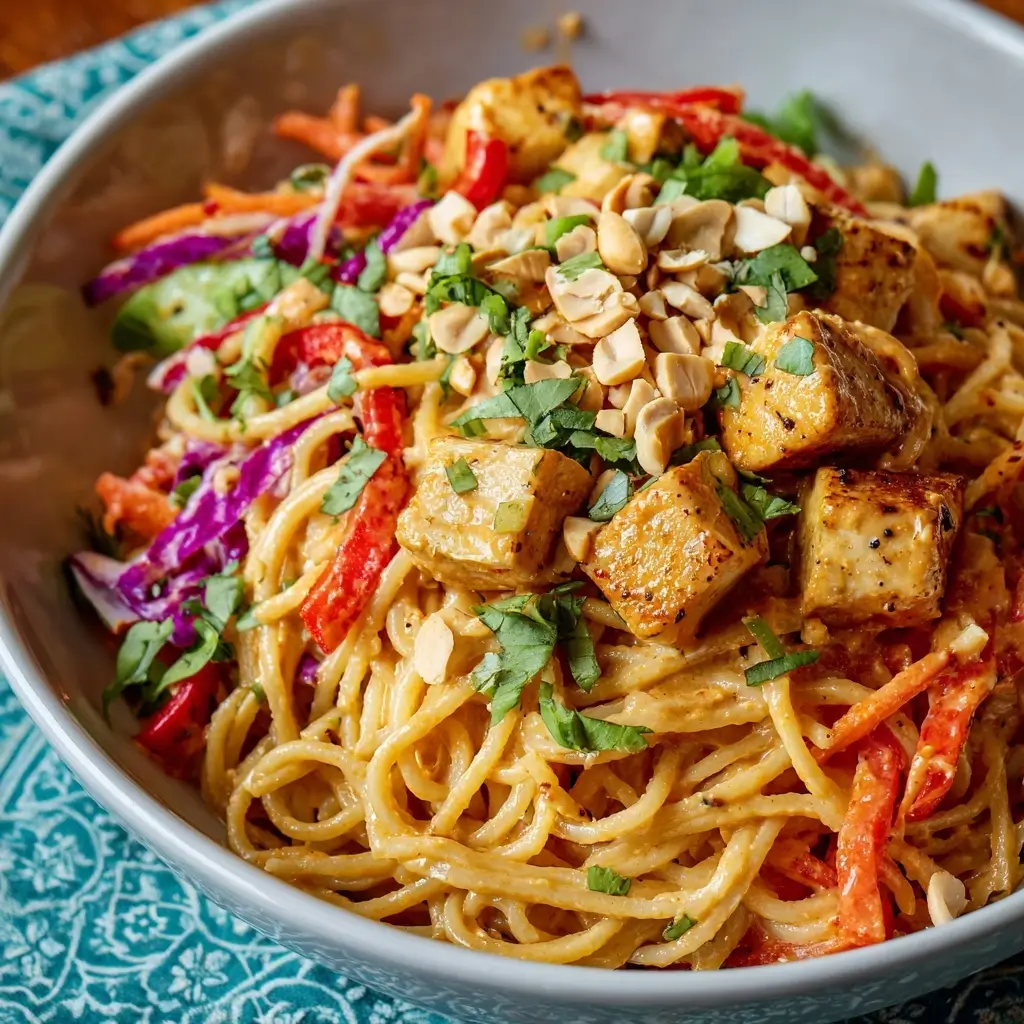
Welcome to a vibrant, bold, and utterly satisfying culinary journey with our Spicy Thai Peanut Noodle Bowls—a dish that effortlessly combines the rich, nutty essence of peanut butter with fiery chili heat, tangy lime, aromatic herbs, and fresh vegetables. Whether you’re craving a quick weeknight dinner, a meal-prep favorite, or a show-stopping plant-based entrée for guests, these noodle bowls deliver on every front: flavor, texture, nutrition, and ease. Inspired by traditional Southeast Asian street food but elevated for modern palates, this recipe balances sweet, spicy, salty, sour, and umami in perfect harmony. From the moment you take your first bite, you’ll be transported to bustling Bangkok markets filled with sizzling woks and fragrant spices. Let’s dive deep into what makes this dish a must-try, from its historical roots to customizable variations that cater to every dietary need.
The History
The origins of peanut-based sauces in Thai cuisine can be traced back to centuries of cultural exchange across Asia and beyond. While peanuts are not native to Thailand—having been introduced from South America via Portuguese traders in the 16th century—they quickly became integrated into local cooking due to their rich texture and ability to enhance savory dishes. Over time, Thai chefs adapted peanut sauces using indigenous ingredients like garlic, chilies, fish sauce, palm sugar, and tamarind, creating complex dressings used in salads, satay marinades, and noodle dishes. The concept of cold or room-temperature noodle salads dressed in thick peanut sauce likely evolved from regional dishes such as Yum Woon Sen (glass noodle salad) and Northern Thai influences where nutty sauces accompany grilled meats and vegetables. In recent decades, Western interpretations—especially vegetarian and vegan adaptations—have popularized “Thai Peanut Noodles” globally, often served as hearty bowls combining rice noodles, protein, and colorful veggies. Today’s Spicy Thai Peanut Noodle Bowl is both a tribute to tradition and an innovation shaped by global tastes, dietary trends, and the universal love for creamy, spicy comfort food.
Ingredients Breakdown
To create an authentic yet accessible version of Spicy Thai Peanut Noodle Bowls, we use a blend of pantry staples and fresh ingredients that work together to build layers of flavor and texture:
- Rice Noodles: Flat rice sticks (like pad Thai noodles) provide a gluten-free base that absorbs sauce beautifully without becoming mushy.
- Peanut Butter: Use natural, unsweetened smooth peanut butter for a rich, earthy foundation. Almond butter works as a substitute for those with peanut allergies.
- Coconut Milk: Full-fat canned coconut milk adds creaminess and helps emulsify the sauce while balancing the spice.
- Soy Sauce or Tamari: Provides saltiness and umami depth; tamari is recommended for gluten-free versions.
- Maple Syrup or Palm Sugar: A touch of sweetness rounds out the heat and acidity—maple syrup offers convenience, while palm sugar delivers a more traditional caramel-like note.
- Lime Juice: Freshly squeezed lime juice brings essential brightness and cuts through the richness of the peanut sauce.
- Rice Vinegar: Adds tang and helps preserve freshness, especially if meal prepping.
- Fresh Garlic & Ginger: Minced finely for aromatic pungency and zesty warmth.
- Chili Paste or Sriracha: For the signature kick—adjustable based on heat preference. Sambal oelek provides a cleaner chili flavor than sriracha, which has added garlic and vinegar.
- Toasted Peanuts: Crushed roasted peanuts add crunch and intensify the nutty profile.
- Vegetables: Cucumber ribbons, shredded carrots, bell peppers, red cabbage, and bean sprouts offer color, crispness, and nutrients.
- Protein Options: Tofu, tempeh, edamame, chicken, shrimp, or grilled pork can be incorporated depending on dietary preferences.
- Fresh Herbs: Cilantro and Thai basil lend a perfumed, citrusy lift that defines Southeast Asian flavors.
- Lime Wedges: Served on the side for extra zest at serving time.
- Sesame Oil: A drizzle at the end enhances aroma and adds a luxurious finish.
Optional additions include pickled shallots, scallions, microgreens, or even mango for a tropical twist.
Step-by-Step Recipe
- Cook the Noodles: Bring a large pot of water to boil. Add rice noodles and cook according to package instructions until tender but still slightly chewy (al dente). Drain immediately and rinse under cold water to stop cooking and prevent sticking. Toss with a tiny bit of neutral oil (like avocado or grapeseed) to keep them separated. Set aside.
- Prepare the Protein (if using): Press extra-firm tofu and cube it. Pan-fry in a nonstick skillet over medium-high heat until golden and crispy on all sides. Season lightly with soy sauce and a pinch of smoked paprika for depth. Alternatively, grill chicken strips or sauté shrimp until cooked through. Keep warm.
- Make the Spicy Peanut Sauce: In a blender or mixing bowl, combine 1/2 cup natural peanut butter, 1/3 cup full-fat coconut milk, 3 tablespoons soy sauce or tamari, 2 tablespoons maple syrup, juice of one lime (about 3 tbsp), 1 tablespoon rice vinegar, 2 cloves minced garlic, 1 tablespoon grated fresh ginger, and 1–2 teaspoons chili paste (adjust to taste). Blend or whisk until completely smooth, adding warm water (2–4 tablespoons) gradually to reach a pourable but creamy consistency.
- Prep the Vegetables: Julienne carrots, thinly slice cucumber and bell pepper, shred red cabbage, and chop scallions. If desired, quickly pickle some red onion slices in lime juice and a pinch of sugar for 15 minutes for a tangy garnish.
- Assemble the Bowls: Divide cooled rice noodles among serving bowls. Arrange protein and colorful vegetables attractively on top. Drizzle generously with the prepared spicy peanut sauce—or serve it on the side for dipping.
- Garnish Generously: Sprinkle crushed peanuts, fresh cilantro leaves, torn Thai basil, and a few drops of sesame oil. Serve with lime wedges for squeezing.
- Mix and Enjoy: Toss everything together just before eating to coat every strand and ingredient in the luscious sauce.
Tips
- Noodle Perfection: Avoid overcooking rice noodles—they continue to soften even after draining. Rinsing in cold water stops the cooking process and removes excess starch.
- Sauce Consistency: The sauce will thicken when chilled. If making ahead, store it separately and thin with warm water or coconut milk before serving.
- Balancing Flavors: Taste the sauce before assembling. Need more tang? Add lime. Too spicy? Sweeten with a bit more maple syrup. Lacking depth? A splash of fish sauce (even for vegetarians, a small amount boosts umami).
- Meal Prep Friendly: This dish keeps exceptionally well. Store components separately in airtight containers for up to 4 days. Assemble and sauce only when ready to eat.
- Crispy Tofu Tip: For ultra-crispy tofu, toss cubes in cornstarch before frying, or bake at 400°F (200°C) for 25–30 minutes, flipping halfway.
- Boost Flavor Fast: Add a teaspoon of miso paste or a dash of toasted sesame oil to the sauce for deeper complexity.
- Don’t Skip the Garnishes: Fresh herbs and crunchy toppings aren’t optional—they’re essential for textural contrast and aromatic balance.
- Use Warm Bowls: For a restaurant-style experience, warm your serving bowls slightly before plating.
Variations and Customizations
This recipe is incredibly versatile and adapts beautifully to different diets, tastes, and available ingredients:
- Gluten-Free: Use tamari instead of soy sauce and ensure all other ingredients (like chili paste) are certified GF.
- Vegan & Plant-Based: Already naturally vegan if using tofu or legumes. Check labels on peanut butter and sauces for hidden dairy or honey.
- Nut-Free: Substitute sunflower seed butter or tahini (sesame paste) for peanut butter. Note: Tahini has a stronger flavor, so adjust sweetness and acid accordingly.
- Low-Carb/Keto Option: Replace rice noodles with spiralized zucchini (zoodles), shirataki noodles, or kelp noodles. Reduce sweeteners and use coconut aminos instead of soy sauce.
- Spice Level Control: Omit chili paste entirely for mild versions, or add fresh bird’s eye chilies for extreme heat.
- Protein Swaps: Try marinated and grilled tempeh, seared salmon, shredded rotisserie chicken, or lump crab meat.
- Grain Variations: Substitute soba noodles (buckwheat), udon, or even quinoa or brown rice for heartier grain bowls.
- International Twists: Add Korean gochujang for a fusion kick, Japanese furikake for crunch, or Indian curry powder for warmth.
- Fruit Additions: Diced mango, pineapple, or apple add juicy sweetness that contrasts beautifully with the spice.
- Dressing Only: Turn this into a cold noodle salad for picnics or potlucks by increasing vinegar and reducing coconut milk.
Health Considerations and Nutritional Value
Spicy Thai Peanut Noodle Bowls can be a nutritious, balanced meal when crafted mindfully. Here’s a breakdown of key health aspects:
- Heart-Healthy Fats: Peanut butter and coconut milk contain monounsaturated and medium-chain fats, which may support cardiovascular health and energy levels when consumed in moderation.
- Plant-Based Protein: Tofu, edamame, or tempeh provide complete proteins rich in essential amino acids, ideal for vegetarians and vegans.
- Fiber-Rich: Loaded with raw vegetables and whole-grain alternatives, this dish supports digestive health and satiety.
- Antioxidant Boost: Fresh herbs like cilantro and spices like ginger and garlic have anti-inflammatory and immune-supportive properties.
- Low in Added Sugars: By using natural sweeteners like maple syrup sparingly, you avoid blood sugar spikes common in takeout versions.
- Sodium Watch: Soy sauce and store-bought condiments can be high in sodium. Opt for low-sodium tamari and control portions to manage intake.
- Allergen Awareness: Peanuts are a common allergen. Always label dishes clearly when serving others. Sunflower seed butter is a safe alternative.
- Calorie Density: Coconut milk and nut butter make this dish calorie-rich. Portion control is advised for weight management goals. Use light coconut milk or reduce peanut butter quantity if needed.
- Omega-3s: Add flaxseeds, chia seeds, or walnuts as garnishes to boost omega-3 fatty acids.
- Iron & Calcium: Tofu, leafy greens (like baby spinach, if added), and sesame seeds contribute to mineral intake, especially important for plant-based diets.
A typical serving (without added meat) contains approximately 450–550 calories, 18–22g fat (mostly healthy), 60–70g carbohydrates, 15–18g protein, and 8–10g fiber, depending on exact ingredients and portion size.
Ingredients
- 8 oz (225g) rice noodles (flat or vermicelli)
- 1/2 cup natural smooth peanut butter (unsweetened)
- 1/3 cup full-fat coconut milk
- 3 tbsp soy sauce or tamari (low-sodium preferred)
- 2 tbsp pure maple syrup or palm sugar
- Juice of 1 large lime (about 3 tbsp)
- 1 tbsp rice vinegar
- 2 cloves garlic, minced
- 1 tbsp fresh ginger, grated
- 1–2 tsp chili paste or sriracha (to taste)
- 2–4 tbsp warm water (for thinning sauce)
- 8 oz firm tofu, pressed and cubed (or protein of choice)
- 1 medium carrot, julienned
- 1 cucumber, ribboned or thinly sliced
- 1 red bell pepper, thinly sliced
- 1 cup red cabbage, shredded
- 1/2 cup fresh cilantro leaves
- 1/4 cup fresh Thai basil or regular basil
- 1/3 cup crushed roasted peanuts
- 2 green onions, sliced
- 1 tbsp toasted sesame oil (for drizzling)
- Lime wedges, for serving
- Optional: bean sprouts, edamame, pickled onions
Directions
- Cook rice noodles according to package directions until al dente. Drain, rinse under cold water, and toss with a little oil to prevent sticking. Set aside.
- While noodles cook, prepare protein. Heat a nonstick skillet over medium-high. Add tofu cubes and cook until golden and crispy on all sides, about 8–10 minutes. Season lightly with soy sauce. Remove and set aside.
- In a blender or medium bowl, combine peanut butter, coconut milk, soy sauce, maple syrup, lime juice, rice vinegar, garlic, ginger, and chili paste. Blend or whisk until smooth. Gradually add warm water until sauce reaches a creamy, pourable consistency.
- Prepare all vegetables: julienne carrot, slice cucumber and bell pepper, shred cabbage, chop herbs and scallions.
- To assemble, divide noodles among four bowls. Top evenly with tofu, carrots, cucumber, bell pepper, cabbage, and any additional veggies.
- Drizzle each bowl generously with spicy peanut sauce (or serve on the side). Sprinkle with crushed peanuts, cilantro, Thai basil, and green onions.
- Finish with a drizzle of sesame oil and serve with lime wedges. Toss thoroughly before eating to coat all ingredients in sauce.
- Store leftovers in airtight containers in the fridge for up to 4 days. Reheat gently or enjoy cold.
FAQ
Can I make this recipe nut-free?
Yes! Replace peanut butter with sunflower seed butter or tahini. Adjust sweetness and acidity to compensate for flavor differences.
How do I keep the noodles from getting sticky?
Rinse them well under cold water after cooking and toss with a small amount of neutral oil. Do not leave them sitting in hot water.
Can I use another type of noodle?
Absolutely. Soba, udon, zucchini noodles, or even whole wheat spaghetti work well, though cooking times and sauce absorption will vary.
Is this dish spicy?
It can be! The heat level depends on how much chili paste you use. Start with 1 tsp and add more to taste. Omit entirely for a mild version.
Can I prepare this ahead of time?
Yes! Cook noodles, make sauce, prep veggies, and cook protein in advance. Store separately and assemble within 4 days.
What can I use instead of coconut milk?
For a lighter option, use Greek yogurt or cashew cream. However, coconut milk gives the most authentic richness and flavor.
Is this recipe gluten-free?
Yes, as long as you use tamari instead of soy sauce and verify all other ingredients (like chili paste) are gluten-free.
Can I freeze this dish?
Not recommended. Rice noodles tend to become mushy when frozen and thawed. The sauce can be frozen separately for up to 2 months—just thaw and re-whisk before using.
How can I make it spicier?
Add fresh chopped Thai chilies, extra sriracha, or a sprinkle of crushed red pepper flakes. You can also infuse the sauce with chili oil.
Can I turn this into a soup?
Yes! Simmer the sauce with vegetable broth, add noodles and toppings, and serve as a warm, spicy peanut ramen-style soup.
Summary
Spicy Thai Peanut Noodle Bowls are a dynamic fusion of creamy, spicy, tangy, and sweet flavors layered over chewy rice noodles and topped with fresh vegetables and protein. Packed with flavor and nutrition, this customizable dish is perfect for busy weeknights, meal prep, or impressing guests with minimal effort.