Introduction
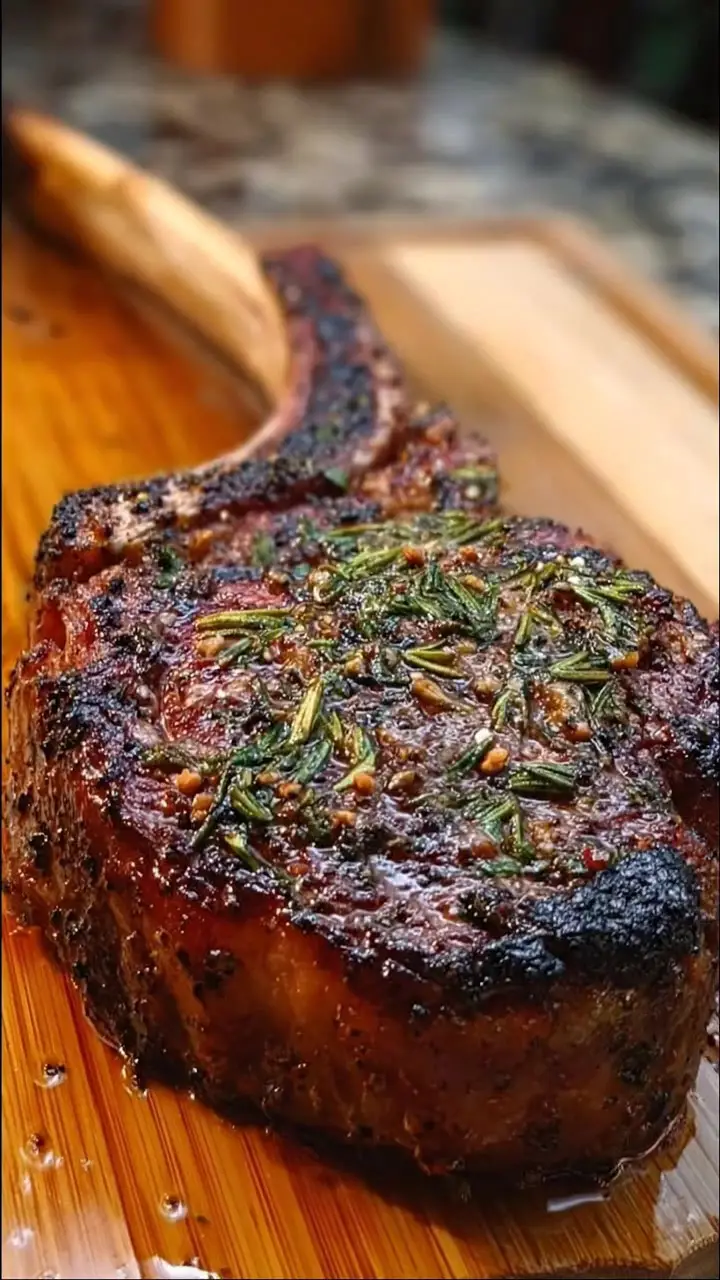
Welcome to the ultimate celebration of bold flavor, primal satisfaction, and backyard mastery — the Spicy Garlic Tomahawk Beef Steak Recipe for Juicy BBQ Delight. This isn’t just a steak; it’s a centerpiece, a conversation starter, a carnivorous masterpiece that commands attention on any grill, smoker, or cast-iron skillet. With its dramatic bone-in cut, generous marbling, and signature spice-crusted crust, the tomahawk steak delivers unrivaled tenderness, deep umami richness, and an aromatic punch of fire-kissed garlic and heat. Whether you’re hosting a summer cookout, surprising a special guest, or simply treating yourself to a restaurant-worthy experience at home, this recipe transforms premium beef into a juicy, smoky, spicy, and deeply savory triumph — all while remaining approachable for confident home cooks and grill enthusiasts alike.
The History
The tomahawk steak traces its origins to American butchery traditions in the mid-to-late 20th century, evolving from the classic ribeye by intentionally leaving the full rib bone (typically 5–6 inches long) attached and “frenched” — meaning the meat and fat are meticulously scraped clean from the bone for visual impact and enhanced flavor development during cooking. Its name evokes the rugged, frontier-inspired imagery of the tomahawk axe — a nod to both its imposing shape and the bold, unapologetic spirit behind it. While traditional preparations favored simple salt-and-pepper seasoning to let the beef shine, modern interpretations have embraced global influences: Korean gochujang glazes, Argentinian chimichurri finishes, and — as in this rendition — a fiery, aromatic, garlic-forward dry rub inspired by Southwest smokehouses and Louisiana-style spice racks. The rise of social media and food culture has catapulted the tomahawk into culinary stardom, making it a symbol of indulgence, craftsmanship, and the art of live-fire cooking — a legacy we honor and elevate with every sear, every baste, and every bite.
Ingredients Breakdown
Every element of this recipe is chosen not only for taste but for functional synergy — ensuring optimal bark formation, moisture retention, even heat penetration, and layered depth. Let’s dissect the core components:
- Tomahawk Steak (36–42 oz, USDA Prime or Choice, 1.5–2 inches thick): Sourced from ribs 6–12, this cut boasts exceptional intramuscular marbling (intramuscular fat), which melts during cooking to yield buttery tenderness and rich beef flavor. The long, frenched rib bone acts as a natural insulator, slowing heat transfer near the meat’s center — promoting gentle, even carryover cooking and preventing overdone edges.
- Fresh Garlic (8–10 cloves, finely minced & lightly crushed): Not powdered — fresh. Crushing releases allicin, the volatile compound responsible for garlic’s pungent aroma and antioxidant properties. When exposed to high heat, it caramelizes into sweet, nutty, umami-laden notes rather than burning, especially when protected by oil and spices.
- Ancho & Chipotle Chili Powders: Ancho contributes raisin-like sweetness and mild earthiness; chipotle adds smoky heat and tang. Together, they form the foundational warmth — complex, not one-dimensional — with Scoville units ranging from 1,000–2,500 (ancho) and 2,500–8,000 (chipotle), calibrated for boldness without overwhelming.
- Smoked Paprika (Sweet or Hot): Adds vibrant red hue, subtle fruitiness, and a whisper of campfire smoke — essential for building the “BBQ soul” without needing hours in a smoker.
- Black Pepper (Coarsely Ground, Freshly Cracked): Piperine enhances bioavailability of other spices and adds bright, floral heat. Grinding just before use preserves volatile oils lost in pre-ground versions.
- Brown Sugar (Dark, in moderation — 1 tbsp): Not for sweetness alone — it aids Maillard reaction, accelerates crust formation, and balances acidity and heat. Too much invites burning; too little yields a pale, underdeveloped bark.
- High-Smoke-Point Oil (Avocado or Grapeseed): With smoke points above 520°F, these oils withstand blistering sear temps without breaking down or imparting bitterness — unlike olive oil or butter (which are reserved for finishing).
- Unsalted Butter (2 tbsp, cold, cubed): Added during the final minutes of cooking (a technique known as “basting”), it enriches surface flavor, promotes gentle steaming at the steak’s edge, and carries aromatic herbs directly into the crust.
- Fresh Herbs (Rosemary + Thyme Sprigs): Their sturdy leaves and resinous oils withstand high heat and infuse the butter baste with woodsy, floral complexity — far superior to dried alternatives in this application.
- Flaky Sea Salt (Maldon or Jacobsen): Applied *after* resting, not before searing — preserving surface moisture for optimal crust while delivering bursts of clean, briny salinity that lifts every other flavor.
Optional but highly recommended enhancements include a splash of bourbon in the baste (for caramelized depth), a drizzle of aged balsamic reduction post-service (for sweet-tart contrast), and house-made garlic confit for garnish (slow-cooked garlic in olive oil — creamy, mellow, and luxurious).
Step-by-Step Recipe
- Prep the Steak (24–48 Hours Ahead): Remove tomahawk from refrigerator. Pat *extremely* dry with paper towels — moisture is the enemy of crust. Place uncovered on a wire rack over a baking sheet in the fridge. This air-drying process (called “dry-aging lite”) dehydrates the outer layer, creating a pellicle that helps the rub adhere and maximizes sear potential.
- Make the Spicy Garlic Rub (Day Of): In a small bowl, combine 2 tbsp ancho chili powder, 1½ tbsp chipotle powder, 1 tbsp smoked paprika, 1 tbsp brown sugar, 2 tsp coarsely ground black pepper, 1½ tsp garlic powder (as a base), and 1 tsp onion powder. Stir vigorously. Separately, mince 8–10 garlic cloves and crush lightly with the side of your knife to release juices — then fold gently into the dry mix. Add 2 tbsp avocado oil and stir to form a gritty, paste-like consistency (not wet — adjust oil by ½ tsp if needed). Set aside at room temperature.
- Season & Rest (1 Hour Before Cooking): Rub mixture *generously* over all surfaces — including the sides and top of the bone. Don’t skimp on the edges! Let sit uncovered at cool room temp (68–72°F) for 60 minutes. This equalizes internal temp and allows surface moisture to reabsorb slightly — critical for consistent doneness.
- Preheat Your Cooking Surface (Critical Step): For grill: Light all burners to HIGH; close lid and preheat 15–20 mins until grates hit 500–550°F (use an infrared thermometer). For cast iron: Heat 14-inch pan over medium-high for 8 mins, then crank to MAX for 5 more mins — add 1 tbsp oil and swirl until shimmering and faint wisps appear.
- Sear for Crust (2–3 Minutes Per Side): Place steak diagonally across hot grates or pan. Press gently with tongs (don’t pierce!) for full contact. Resist moving. After 2.5 minutes, rotate 90° for crosshatch marks. Flip and repeat. Then sear the edges — hold steak upright with tongs and press fatty cap and bone-side against heat for 45–60 seconds each to render fat and crisp connective tissue.
- Transition to Indirect/Two-Zone Cooking: Move steak to cooler side of grill (or reduce burner under pan to medium-low). Insert a leave-in probe thermometer into the thickest part of the meat, avoiding bone and large fat pockets. Target final internal temp: 120–125°F for medium-rare (recommended), 130–135°F for medium. At this stage, begin basting.
- Baste with Aromatic Butter (Last 5–7 Minutes): In a small saucepan, melt 2 tbsp cold unsalted butter with 2 rosemary sprigs, 3 thyme sprigs, and 2 smashed garlic cloves over low heat for 2 minutes. Strain into a heatproof cup. Using a spoon or silicone basting brush, continuously baste the top surface every 60–90 seconds. This builds glossy sheen, infuses herb-garlic essence, and gently steams the outer layer without cooling the steak.
- Rest Like a Pro (Minimum 15 Minutes): Transfer steak to a warm plate or cutting board. Tent *very loosely* with foil — never seal tightly, or steam will soften the crust. Rest for 15–20 minutes. This allows muscle fibers to relax and reabsorb juices; internal temp will rise 5–7°F (carryover cooking), hitting perfect doneness. Do not skip — this is where juiciness is won or lost.
- Finish & Serve: Just before slicing, sprinkle generously with flaky sea salt. Slice *against the grain*, perpendicular to muscle fibers, into ½-inch thick pieces. Arrange on a warmed platter. Garnish with extra garlic confit, fresh herbs, and a drizzle of balsamic reduction or chimichurri. Serve immediately.
Tips
- Thermometer Non-Negotiable: A reliable instant-read (Thermapen ONE) or leave-in probe (Weber iGrill 3) eliminates guesswork. Touch tests are unreliable for thick cuts — especially with variable marbling.
- Garlic Timing Matters: Minced fresh garlic burns at 325°F. That’s why it’s mixed into the rub *with oil* — the oil buffers direct heat and slows oxidation. Never apply raw garlic directly to a scorching pan.
- Bone-In ≠ Bone-Up: Lay the steak flat — bone side down — during searing. The bone conducts heat slowly and protects the adjacent meat. Standing it upright risks uneven cooking and flare-ups from dripping fat.
- Render the Fat Cap: That thick, white fat layer? It’s flavor gold. Score it lightly (¼” deep, ½” apart) before seasoning — then sear it hard first to render out collagen and create crispy, savory “beef bacon.”
- Reverse Sear Option (For Precision Lovers): Smoke at 225°F until internal temp reaches 105–110°F (~60–75 mins), then sear in blazing cast iron for 60 seconds per side. Yields unparalleled tenderness and control — ideal for parties or high-altitude cooking.
- Clean Grates Religiously: Burn off residue for 10 minutes pre-heat, then scrub with a brass-bristle brush. Sticky grates cause tearing and prevent proper crust adhesion.
- Chill Your Butter: Cold butter melts slowly during basting, coating more evenly and preventing greasy pooling. Warm butter beads up and slides off.
- Rest on a Rack, Not a Plate: Elevating the steak during rest prevents the bottom from stewing in its own juices — preserving texture and crust integrity.
- Freeze Leftovers Strategically: Slice cooled steak, vacuum-seal with a splash of its rendered fat and herb butter, and freeze for up to 3 months. Reheat sous-vide at 130°F for 30 mins, then re-crisp in a 500°F oven for 2 minutes.
Variations and Customizations
This recipe is a canvas — adaptable to dietary needs, regional flavors, equipment limitations, and personal cravings:
- Keto/Low-Carb Version: Omit brown sugar entirely. Replace with 1 tsp monk fruit erythritol blend (heat-stable) and add ½ tsp ground cumin for depth. Use ghee instead of butter for dairy sensitivity.
- Asian-Inspired Umami Bomb: Swap chili powders for 1 tbsp gochugaru + 1 tsp white miso paste (mixed into oil). Add 1 tsp toasted sesame oil to baste and finish with pickled Fresno chilies and scallion oil.
- Mediterranean Herb Garden: Replace chipotle/ancho with 1 tbsp herbes de Provence, 1 tsp lemon zest, and 2 tbsp chopped preserved lemon. Baste with lemon-thyme butter and serve alongside tzatziki.
- Smoker-Only Method (No Sear): Apply rub and smoke at 250°F on pecan/apple wood until 115°F internal. Rest 10 mins, then finish under a 500°F broiler for 90 seconds per side for bark.
- Oven + Blowtorch Finish: Roast on a wire rack at 275°F until 110°F. Chill 10 mins, then torch surface with a butane torch until deep mahogany — creates restaurant-grade crust without grill access.
- Vegetarian “Tomahawk” Alternative: Thick-cut portobello “steaks” (stem removed, marinated in tamari, liquid smoke, garlic, and maple) roasted and finished with cashew “bone butter.” Surprisingly satisfying for flexitarians.
- Wine-Pairing Rub Upgrade: Infuse rub with 1 tbsp reduced Cabernet Sauvignon + ½ tsp star anise. Deepens fruitiness and complements the beef’s tannin-mimicking richness.
Health Considerations and Nutritional Value
A single 36-ounce USDA Prime Tomahawk Steak (served as two 18-oz portions) delivers approximately:
- Calories: ~1,850 kcal (per full steak)
- Protein: ~220g (complete amino acid profile, rich in leucine for muscle synthesis)
- Total Fat: ~110g (of which ~45g saturated — balanced by monounsaturated fats from marbling and avocado oil)
- Vitamins & Minerals: Exceptionally high in Vitamin B12 (1,200% DV), Zinc (240% DV), Selenium (180% DV), Iron (75% DV heme-iron — highly bioavailable), and Creatine (natural energy compound for brain/muscle).
Functional Health Notes:
- Garlic Benefits: Allicin supports cardiovascular health, exhibits antimicrobial activity, and may modestly lower blood pressure. Raw garlic is most potent — but our slow-basted method preserves beneficial sulfur compounds better than high-heat frying.
- Chili Heat & Metabolism: Capsaicin in chipotle temporarily increases thermogenesis and satiety hormones (GLP-1, PYY), potentially aiding portion control and metabolic rate — though effects are dose-dependent and short-term.
- Smoke Exposure Mitigation: Avoid charring or blackening — those acrid compounds (PAHs, HCAs) form at >300°F on protein-rich surfaces. Our controlled sear + baste method minimizes harmful byproducts while maximizing flavor.
- Dietary Flexibility: Naturally gluten-free, dairy-free (if omitting butter), and low-carb/keto-friendly. For heart-conscious eaters, choose USDA Choice over Prime to reduce saturated fat by ~15%, and increase herb volume for polyphenol density.
- Mindful Indulgence: This is not “everyday” food — and shouldn’t be. Enjoy it intentionally: pair with roasted seasonal vegetables (not fries), hydrate well, and savor slowly. Nutrition is not just chemistry — it’s context, pleasure, and ritual.
Ingredients
- 1 (36–42 oz) bone-in tomahawk steak, 1.5–2 inches thick, USDA Prime or Choice grade
- 8–10 large garlic cloves, peeled and finely minced
- 2 tbsp ancho chili powder
- 1½ tbsp chipotle chili powder
- 1 tbsp smoked paprika (sweet or hot)
- 1 tbsp dark brown sugar
- 2 tsp freshly cracked black pepper
- 1 tsp garlic powder
- 1 tsp onion powder
- 2 tbsp avocado oil or grapeseed oil (high smoke point)
- 2 tbsp unsalted butter, cold and cubed
- 2 fresh rosemary sprigs
- 3 fresh thyme sprigs
- 2 additional garlic cloves, smashed (for baste)
- Flaky sea salt (Maldon or similar), for finishing
- Optional garnishes: garlic confit, micro cilantro, balsamic reduction, lime wedges
Directions
- At least 24 hours before cooking, pat the tomahawk steak completely dry with paper towels. Place uncovered on a wire rack set over a baking sheet and refrigerate to air-dry the surface.
- On cooking day, make the rub: In a medium bowl, whisk together ancho powder, chipotle powder, smoked paprika, brown sugar, black pepper, garlic powder, and onion powder. Stir in minced garlic and avocado oil until a thick, spreadable paste forms. Set aside.
- Remove steak from fridge 60 minutes before cooking. Rub paste generously over all surfaces — top, bottom, sides, and along the bone. Let sit uncovered at room temperature.
- Preheat grill or cast-iron skillet to 500–550°F. Clean and oil grates or pan thoroughly.
- Place steak on hottest part of grill or pan. Sear undisturbed for 2.5 minutes, then rotate 90° and sear another 2.5 minutes for crosshatch marks. Flip and repeat. Then stand steak upright and sear fat cap and bone side for 45–60 seconds each.
- Move steak to cooler side of grill (or reduce heat to medium-low). Insert probe thermometer into thickest part (avoiding bone). Cook until internal temperature reaches 115°F for medium-rare (final target after rest: 120–125°F).
- While steak cooks, prepare baste: Melt butter in small saucepan over low heat with rosemary, thyme, and smashed garlic. Simmer gently 2 minutes. Strain into heatproof cup.
- During last 5–7 minutes of cooking, baste steak every 60–90 seconds with herb-garlic butter using a spoon or silicone brush.
- Once target temp is reached, transfer steak to a wire rack on a warm plate. Loosely tent with foil. Rest for 15–20 minutes.
- Just before serving, season generously with flaky sea salt. Slice against the grain into ½-inch thick pieces. Arrange on platter and garnish as desired. Serve immediately.
FAQ
- Can I cook this in the oven only?
- Absolutely — use the reverse-sear method: roast at 275°F on a wire rack until internal temp hits 110°F, then blast under the broiler at 500°F for 90 seconds per side. Finish with baste and rest.
- Why does my crust turn gray instead of brown?
- Two culprits: surface moisture (didn’t dry enough) or insufficient preheat (grill/pan wasn’t hot enough to instantly vaporize water and trigger Maillard). Always air-dry and verify 500°F+ surface temp.
- Can I use frozen tomahawk steak?
- Yes — but thaw *slowly* in the fridge for 48 hours. Never microwave or submerge in water. Frozen then seared will have higher moisture loss and less defined crust.
- What if I don’t have a meat thermometer?
- We strongly advise investing in one — it’s the single best tool for steak mastery. As a last resort, use the “finger test”: press center of steak — it should yield like the fleshy part of your palm below the thumb when relaxed (medium-rare). But this requires practice and varies by hand size.
- Can I marinate instead of dry-rub?
- Not recommended. Tomahawk’s thickness and fat content mean marinades penetrate minimally (<1/8 inch). Wet marinades also inhibit crust formation. Dry rubs maximize surface flavor and texture.
- How do I reheat leftovers without drying them out?
- Slice thinly, place in a single layer in an oven-safe dish, cover with foil, and warm at 275°F for 10–12 minutes. Or sear slices quickly in hot butter for 30 seconds per side — restores crust and locks in moisture.
- Is the bone edible or just for presentation?
- The frenched bone itself isn’t eaten — but the meat and connective tissue *around* the bone (the “collar”) is exceptionally tender and flavorful. Many chefs recommend carving that section separately and serving it as a prized bite.
- Can I make this recipe on a charcoal grill?
- Yes — and it’s ideal. Use a two-zone setup: pile lit charcoal on one side for direct sear, leave empty space on the other for indirect roasting. Add 2–3 soaked applewood chunks to coals for subtle smoke infusion.
- What wine pairs best with this dish?
- A bold, structured red: Petite Sirah (jammy, peppery), Malbec (plum, violet, velvety), or a Paso Robles Zinfandel (bramble, spice, ripe tannins). For non-alcoholic: sparkling black tea with orange zest and a splash of pomegranate molasses.
Summary
This Spicy Garlic Tomahawk Beef Steak Recipe delivers an unforgettable symphony of fire-kissed crust, melt-in-your-mouth marbling, and layered aromatics — where bold Southwestern heat meets slow-developed garlic sweetness and herbaceous depth.
It honors tradition through meticulous technique — air-drying, precise temperature control, strategic basting, and respectful resting — transforming a majestic cut of beef into a juicy, flavorful, and deeply satisfying BBQ delight worthy of any occasion.