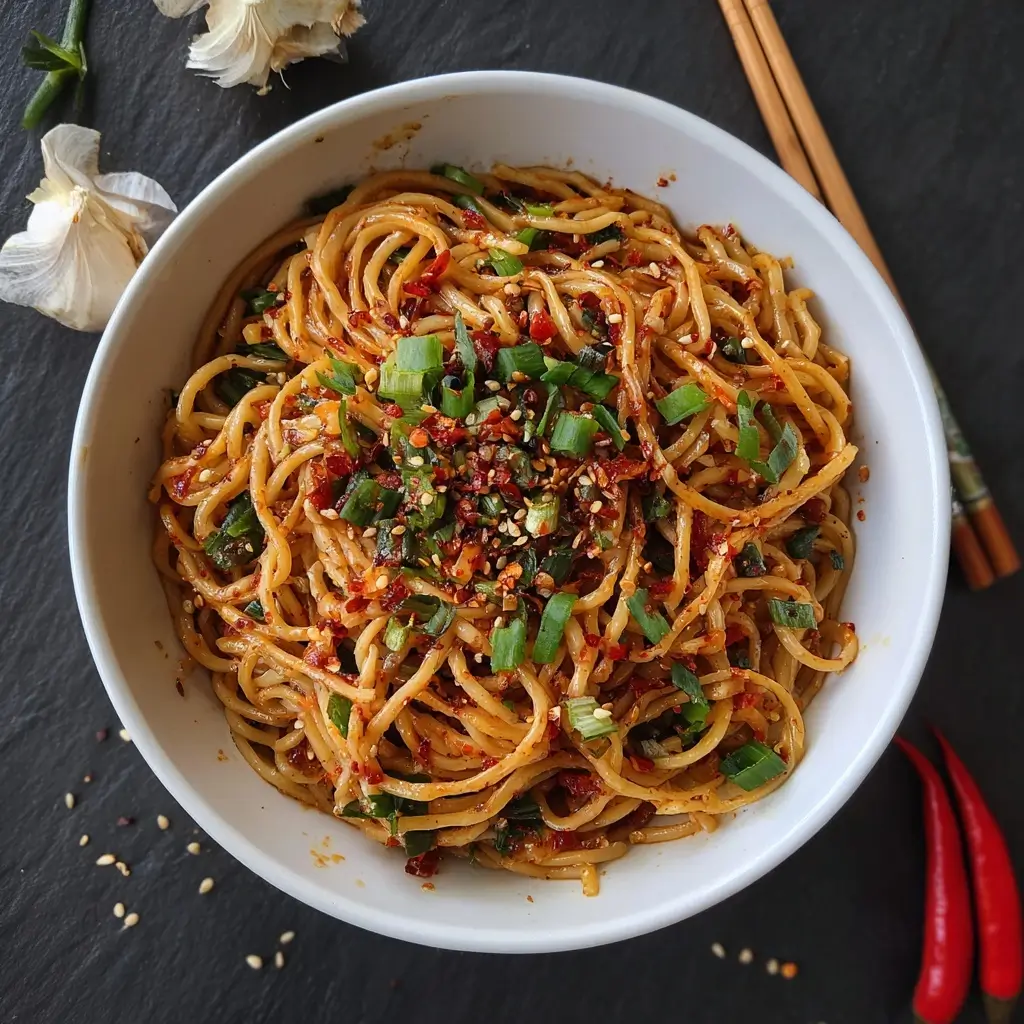
Spicy Chili Garlic Noodles are a bold, flavorful, and satisfying dish that combines the heat of fresh chilies with the aromatic punch of garlic, all tossed in a savory umami-rich sauce over perfectly cooked noodles. Loved by food enthusiasts across Asia and beyond, this dish has evolved from humble street food origins into a modern comfort classic found in homes and trendy noodle bars worldwide. With its fiery kick, rich textures, and customizable nature, Spicy Chili Garlic Noodles offer a culinary experience that’s both simple to prepare and endlessly adaptable. Whether you’re craving something quick for dinner or seeking a spicy upgrade to your weekly meal rotation, this recipe delivers maximum flavor with minimal effort.
The History
Spicy Chili Garlic Noodles trace their roots back to Chinese cuisine, particularly Sichuan and Hunan provinces—regions renowned for their love of bold, pungent, and spicy flavors. The traditional use of chili oil (known as hong you) and minced garlic in stir-fried dishes dates back centuries, where heat was not only a matter of taste but also a method to combat humidity in the climate. Over time, these elements became central to regional noodle dishes, often served with hand-pulled wheat noodles or thin rice vermicelli.
The modern version of Spicy Chili Garlic Noodles gained international popularity in the 21st century, especially through viral recipes shared online and featured in trendy urban eateries. One such inspiration came from the now-famous “Chili Crisp Noodles” popularized by chef David Chang and his Momofuku restaurants, which highlighted the growing global fascination with fermented chili pastes and crunchy, oily condiments. Today, this dish is celebrated not just in China but across Southeast Asia, Korea, Japan, and Western countries, each adding local twists such as gochujang, miso, or sesame paste. Its journey from regional specialty to global sensation reflects the universal appeal of spice, garlic, and carbohydrates—a triumvirate beloved by palates around the world.
Ingredients Breakdown
The magic of Spicy Chili Garlic Noodles lies in the balance and layering of ingredients, each contributing unique textures and tastes. Here’s a detailed look at what goes into making this dish unforgettable:
- Noodles: Traditionally, Chinese wheat noodles (like lo mein or ramen) are used, but you can substitute with udon, soba, rice noodles, or even spaghetti in a pinch. The key is choosing a noodle that holds up well to saucy, oily coatings without becoming mushy.
- Garlic: Fresh garlic is essential—lots of it. Minced or thinly sliced, it gets lightly fried to release its aroma and develop a sweet, nutty depth without burning.
- Chili Oil or Chili Crisp: This is the heart of the heat. Homemade or store-bought chili oil infused with spices like Sichuan peppercorns, star anise, and dried chilies adds both fire and fragrance. Chili crisp, which includes crispy bits of garlic, onion, and sometimes fermented beans, brings extra texture and umami.
- Soy Sauce: Provides saltiness and color. Use light soy for seasoning and dark soy sparingly for richness and deeper hue.
- Rice Vinegar or Black Vinegar: Adds acidity to cut through the oil and round out the flavors. Chinese black vinegar (like Chinkiang) offers a smoky, slightly sweet tang.
- Sesame Oil: A finishing oil that enhances aroma and gives the dish a luxurious mouthfeel.
- Honey or Sugar: A touch balances the heat and acidity, rounding out the overall flavor profile.
- Ginger: Often paired with garlic, fresh ginger adds warmth and brightness.
- Green Onions and Cilantro: For freshness and color, these herbs brighten the final dish.
- Optional Add-ins: Soft-boiled eggs, bok choy, mushrooms, tofu, or shredded chicken can elevate the dish into a full meal.
Each ingredient plays a role in building complexity—spicy, garlicky, savory, tangy, sweet, and nutty—all coming together in harmony.
Step-by-Step Recipe
- Cook the Noodles: Bring a large pot of salted water to a boil. Add your choice of noodles and cook according to package instructions until al dente. Drain and rinse briefly under cold water to stop cooking and prevent sticking. Toss with a little neutral oil (like vegetable or canola) to keep them loose. Set aside.
- Prepare the Sauce: In a small bowl, whisk together 3 tablespoons soy sauce, 1 tablespoon rice vinegar, 1 teaspoon dark soy sauce (optional), 1 teaspoon honey or sugar, and 1 teaspoon sesame oil. Adjust proportions to taste based on your preference for salty, sweet, or sour notes.
- Sauté the Aromatics: Heat 3–4 tablespoons of chili oil (or regular oil plus 2 tablespoons chili crisp) in a large wok or skillet over medium heat. Add 6–8 cloves of minced garlic and 1 tablespoon grated ginger. Stir constantly for about 30–60 seconds until fragrant and just starting to turn golden—do not let them burn.
- Add Heat (Optional): If you want more spice, add 1–2 teaspoons of crushed red pepper flakes or a chopped fresh red chili (like Thai bird’s eye).
- Combine Everything: Add the cooked noodles to the wok. Pour in the prepared sauce and toss vigorously using tongs or two forks to coat every strand. Cook for 1–2 minutes, allowing the noodles to absorb the flavors.
- Taste and Adjust: Sample the noodles. You may want to add more soy sauce for saltiness, vinegar for tang, or honey for sweetness. A splash of lime juice can also brighten it up.
- Finish and Serve: Remove from heat. Stir in sliced green onions and chopped cilantro. Drizzle with additional sesame oil or chili crisp for extra richness. Serve immediately while hot.
Tips
- Don’t Burn the Garlic: Garlic burns easily and turns bitter. Keep the heat at medium and stir constantly during sautéing. Consider adding half the garlic early and the rest at the end for layered flavor.
- Use High-Quality Chili Oil: The better your chili oil or chili crisp, the more complex and delicious your noodles will be. Try brands like Lao Gan Ma, Fly By Jing, or make your own infused oil.
- Reserve Pasta Water: Before draining, save about ¼ cup of starchy noodle water. Adding a splash to the wok helps the sauce cling better to the noodles.
- Cook Noodles Al Dente: Overcooked noodles become soggy when tossed with oil and sauce. Undercook slightly if you plan to stir-fry them longer.
- Bloom the Spices: For deeper flavor, warm whole spices (like Sichuan peppercorns, star anise, or cinnamon) in oil before adding garlic. Strain them out or leave them in for visual flair.
- Mix Cold and Hot: Some chefs prefer mixing cold noodles with hot sauce to control texture and prevent mushiness—try it for a different mouthfeel.
- Double the Batch: This recipe reheats surprisingly well. Store leftovers in an airtight container and reheat with a splash of water or broth.
Variations and Customizations
One of the greatest strengths of Spicy Chili Garlic Noodles is their versatility. Here are some popular variations to suit different tastes and dietary needs:
- Korean-Inspired: Add gochujang (Korean chili paste) and a spoonful of doenjang (fermented soybean paste) for a deeper, spicier kick. Top with kimchi and toasted sesame seeds.
- Thai-Style: Swap soy sauce for fish sauce, add lime juice, and garnish with crushed peanuts and fresh Thai basil.
- Vegan/Vegetarian: This base recipe is naturally plant-based. Boost protein with marinated tofu, tempeh, or edamame.
- Gluten-Free: Use gluten-free noodles (like brown rice or buckwheat soba) and tamari instead of soy sauce.
- Creamy Version: Stir in a tablespoon of peanut butter or tahini for a richer, smoother sauce with nutty undertones.
- Seafood Twist: Add sautéed shrimp, scallops, or imitation crab meat for a luxurious upgrade.
- Breakfast Noodles: Top with a soft- or medium-boiled egg—the yolk creates a creamy sauce when mixed in.
- Extra Crunch: Garnish with crushed ramen crackers, fried shallots, or crispy garlic chips from chili crisp jars.
- Herb-Forward: Mix in mint, parsley, or shiso leaves for a refreshing contrast to the heat.
- Low-Sodium Option: Use low-sodium soy sauce and boost flavor with lemon zest, mushroom powder, or nutritional yeast.
You can even experiment with different noodle shapes and thicknesses—thin vermicelli for lightness, thick udon for chewiness, or glass noodles for a translucent, jelly-like texture.
Health Considerations and Nutritional Value
While undeniably delicious, Spicy Chili Garlic Noodles can vary widely in nutritional content depending on preparation. A standard serving (about 2 cups) made with wheat noodles and moderate oil may contain approximately:
- Calories: 500–700 kcal
- Carbohydrates: 70–90g (mainly from noodles)
- Fat: 20–30g (mostly from chili and sesame oils)
- Protein: 10–15g (can increase with added tofu, eggs, or meat)
- Sodium: 1000–1500mg (high due to soy sauce and processed chili oils)
Health Benefits:
- Garlic: Known for antimicrobial and anti-inflammatory properties; may support heart health and immune function.
- Chili Peppers: Contain capsaicin, which can boost metabolism, reduce appetite, and provide pain relief.
- Sesame Oil: Rich in antioxidants and healthy monounsaturated fats.
- Ginger: Aids digestion and reduces nausea and inflammation.
Considerations:
- High Sodium: Can be problematic for individuals with hypertension. Reduce by using reduced-sodium soy sauce and rinsing canned ingredients.
- High Fat Content: While flavorful, excessive oil intake may contribute to calorie surplus. Measure oil portions and consider using spray oil for sautéing.
- Digestive Sensitivity: Spicy foods may trigger acid reflux or stomach discomfort in some people. Start with milder versions if sensitive.
- Balancing the Meal: Pair noodles with steamed vegetables, a side salad, or miso soup to improve fiber and micronutrient intake.
To make a healthier version: use whole grain or legume-based noodles, increase vegetables (spinach, bell peppers, broccoli), reduce oil, and rely on natural umami sources like mushrooms or tomato paste.
Ingredients
- 8 oz (225g) wheat noodles (lo mein, ramen, or udon)
- 4–5 tbsp chili oil or chili crisp (adjust to spice tolerance)
- 6–8 cloves garlic, finely minced
- 1 tbsp fresh ginger, grated
- 3 tbsp soy sauce (or tamari for gluten-free)
- 1 tbsp rice vinegar (or Chinkiang black vinegar)
- 1 tsp dark soy sauce (optional, for color)
- 1 tsp honey or sugar
- 1 tsp sesame oil
- 2 green onions, thinly sliced
- ¼ cup fresh cilantro, chopped
- Optional: soft-boiled egg, sautéed vegetables, tofu, chicken, or shrimp
- Pinch of Sichuan peppercorns (toasted and ground, optional)
Directions
- Bring a large pot of salted water to a boil. Cook noodles until al dente, then drain and rinse under cold water. Toss with a little oil to prevent sticking. Set aside.
- In a small bowl, combine soy sauce, rice vinegar, dark soy sauce, honey, and sesame oil. Stir well and set aside.
- Heat chili oil in a large wok or skillet over medium heat. Add minced garlic and grated ginger. Stir constantly for 30–60 seconds until fragrant and lightly golden.
- If using additional spices (like Sichuan peppercorns), add them now and toast briefly.
- Add the cooked noodles to the wok. Pour in the sauce mixture and toss thoroughly to coat. Cook for 1–2 minutes, tossing continuously.
- Taste and adjust seasoning—add more soy sauce, vinegar, or a drizzle of honey as needed.
- Remove from heat. Stir in green onions and cilantro.
- Divide into bowls. Top with optional additions like a soft-boiled egg, tofu, or extra chili crisp.
- Serve immediately, preferably while steaming hot.
FAQ
Can I make Spicy Chili Garlic Noodles ahead of time?
Yes, though they’re best fresh. Cook and oil-tossed noodles can be stored for up to 2 days. Reheat with a splash of water and remix with sauce and aromatics.
What if I don’t have chili oil?
Use regular vegetable oil with 1–2 tsp crushed red pepper flakes heated gently. Or substitute with sriracha mixed with a bit of oil for texture.
Are these noodles spicy?
They can be! Control the heat by adjusting the amount of chili oil or using mild versions. Remove chili seeds for less fire.
Can I freeze this dish?
Not recommended. Noodles tend to become mushy upon thawing. Best enjoyed fresh or refrigerated for up to 3 days.
How can I make this dish more filling?
Add protein (chicken, beef, tofu) and vegetables (bok choy, mushrooms, carrots). Serve with a side of pickled veggies or dumplings.
Is there a low-oil version?
Yes—use broth or water to sauté garlic and ginger, then add sauce and noodles. It won’t be as rich but still flavorful.
Can I use dried vs. fresh garlic?
Fresh is strongly preferred. Powdered or granulated garlic lacks the aromatic punch and can taste flat or burnt.
Why are my noodles sticky?
Overcooking or not rinsing can cause stickiness. Always rinse after boiling and use oil if not serving immediately.
Summary
Spicy Chili Garlic Noodles are a vibrant, fiery, and deeply satisfying dish that celebrates the power of simple ingredients elevated by bold seasoning and technique. Quick to make yet packed with layers of flavor, they’re perfect for weeknight dinners, meal prep, or impressing guests with minimal effort.