Introduction
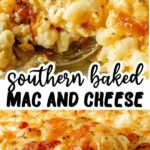
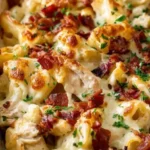
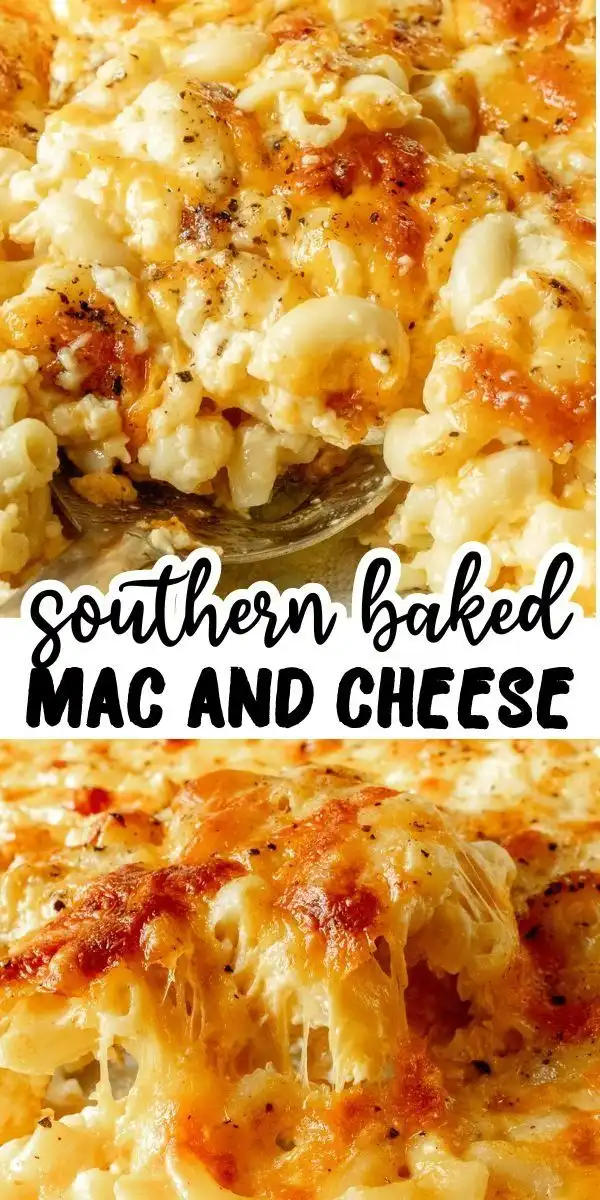
Southern Baked Mac and Cheese isn’t just a side dish—it’s a cornerstone of soulful, celebratory, and deeply comforting Southern cuisine. Revered across generations and served at Sunday suppers, church potlucks, holiday feasts, and backyard barbecues, this iconic dish embodies warmth, generosity, and culinary heritage. Unlike its stovetop or minimalist cousins, Southern-style baked macaroni and cheese is distinguished by its rich, custard-like interior, golden-brown crusted top, complex layering of cheeses, and often—though not always—a subtle but unmistakable depth from aromatic seasonings like mustard, nutmeg, or even a whisper of cayenne. It’s hearty enough to stand alone as a main course, yet elegant enough to complement fried chicken, collard greens, or slow-smoked brisket. This guide dives comprehensively into every facet of the dish—from its contested origins and cultural significance to precise ingredient science, foolproof techniques, regional variations, nutritional insights, and time-tested pro tips—all curated specifically for the authentic, soul-satisfying, oven-baked Southern tradition.
The History
The roots of Southern Baked Mac and Cheese run deep—and surprisingly, farther than many assume. While pasta dishes trace back to medieval Europe, the American iteration was profoundly shaped by enslaved African American cooks who transformed European techniques with ingenuity, resourcefulness, and profound palate intuition. Thomas Jefferson played an influential early role: after encountering pasta during his tenure as U.S. Minister to France (1784–1789), he imported a pasta machine from Naples and served “macaroni pie” at a White House dinner in 1802—an event widely cited as the first documented serving of macaroni and cheese in the United States. Yet it was the enslaved chef James Hemings—trained in Paris and Jefferson’s personal cook—who mastered French methods and likely prepared that very dish, blending European refinement with African American culinary sensibility.
Throughout the 19th century, mac and cheese appeared in elite Southern households, often baked in elegant molds with béchamel-based sauces. But it wasn’t until the Great Depression and World War II—when rationing made meat scarce—that the dish became democratized and deeply embedded in Black Southern foodways. Cooks substituted expensive dairy with affordable cheddar, added eggs for structure and richness, and leveraged evaporated milk or sour cream for creaminess when fresh dairy was limited. Church socials, Juneteenth celebrations, and family reunions elevated it from sustenance to symbol—representing resilience, communal care, and culinary sovereignty. By the mid-20th century, regional distinctions emerged: the Lowcountry favored sharp cheddar and a hint of mustard; Central Alabama added pimiento peppers and smoked Gouda; Mississippi Delta versions sometimes included a splash of buttermilk for tang and tenderness; and Texas-influenced iterations might fold in jalapeños or chipotle. Today, Southern Baked Mac and Cheese stands as both a living heirloom and a dynamic canvas—honoring its layered past while continuously evolving through new generations of home cooks, pitmasters, and award-winning chefs across the South.
Ingredients Breakdown
Authentic Southern Baked Mac and Cheese relies on thoughtful ingredient selection—not just for flavor, but for texture, meltability, structural integrity, and depth. Below is a meticulous breakdown of each component and why it matters:
- Pasta: Elbow macaroni remains the gold standard—not for nostalgia alone, but for geometry. Its short, curved, hollow shape traps sauce, holds up to baking without turning mushy, and provides ideal surface area for browning and cheese adhesion. High-quality semolina durum wheat pasta (like San Giorgio, Prince, or freshly milled Southern brands) offers superior starch release and bite. Undercooking the pasta by 2–3 minutes (“al dente minus”) is non-negotiable: it will absorb liquid and finish cooking in the oven.
- Cheeses (The Holy Trinity + Accents): A balanced blend is essential. Sharp Cheddar (white or orange, aged 12+ months) delivers tang, salt, and foundational melt. Monterey Jack adds buttery smoothness and stretch without overwhelming sharpness. Colby contributes mild sweetness and creamy body. Optional but traditional accents include: Smoked Gouda (for earthy, campfire nuance), Fontina (for nutty richness and superior binding), Pepper Jack (for gentle heat), and a small grating of Parmigiano-Reggiano (for umami depth and crust enhancement). Avoid pre-shredded cheeses—they contain anti-caking agents (like cellulose or potato starch) that impede melting and create graininess.
- Dairy & Binders: Evaporated milk is a Southern hallmark—its concentrated lactose and reduced water content yield unparalleled creaminess and caramelized notes when baked. Whole milk adds fluidity; heavy cream lends luxury and sheen; sour cream or full-fat Greek yogurt introduces bright acidity that cuts richness and tenderizes proteins. Eggs (typically 2–4 large) are the structural backbone: they coagulate gently during baking, transforming the mixture from loose custard to luxuriously set, sliceable perfection.
- Aromatics & Seasonings: Onion and garlic—finely minced or grated—are sautéed in butter until translucent, never browned, to build savory-sweet foundation notes. Dry mustard powder (not prepared) is indispensable: its enzymatic compounds enhance cheese solubility and amplify cheesiness. Freshly grated nutmeg adds warm, floral complexity. Cayenne or white pepper (not black) offers clean heat without grit. Kosher salt is preferred for even distribution and control; freshly cracked black pepper is added at the end for volatile aroma.
- Fat & Finish: Unsalted butter is used both in the sauce base and generously swirled on top before baking—this ensures browning, prevents drying, and enriches the crust. Some recipes call for a final drizzle of melted butter or even a light brush of whole egg wash for extra gloss. Optional but impactful: a dusting of toasted panko or Ritz cracker crumbs mixed with melted butter and paprika for textural contrast and visual appeal.
Step-by-Step Recipe
Makes 12–14 servings | Prep: 35 minutes | Cook: 20 minutes (stovetop) + 60–75 minutes (baking) | Rest: 20 minutes minimum
- Preheat & Prep: Position oven rack in the lower third. Preheat oven to 350°F (175°C). Generously grease a 13″x9″x2″ glass or ceramic baking dish (or two 9″ cast-iron skillets for rustic presentation) with unsalted butter or baking spray. Set aside.
- Cook Pasta Al Dente Minus: Bring 6 quarts of heavily salted water (¼ cup Diamond Crystal kosher salt) to a rolling boil. Add 1 pound high-protein elbow macaroni. Stir immediately and frequently. Cook for exactly 6–7 minutes (2–3 minutes less than package “al dente” time). Drain thoroughly in a colander—but do NOT rinse. Return hot pasta to the pot and toss with 2 tablespoons unsalted butter to prevent sticking. Let cool slightly, about 3 minutes.
- Build the Roux & Milk Base: In a heavy-bottomed Dutch oven or large saucepan, melt ½ cup (1 stick) unsalted butter over medium-low heat. Add ½ cup all-purpose flour. Whisk constantly for 3–4 minutes until the roux turns pale golden and smells nutty—do not let it brown. Gradually whisk in 2 cups evaporated milk, 1 cup whole milk, and ½ cup heavy cream, ensuring no lumps remain. Bring to a gentle simmer, whisking often, until thickened slightly (about 5 minutes). Reduce heat to low.
- Infuse Aromatics & Seasonings: Whisk in 1 tablespoon dry mustard powder, ½ teaspoon freshly grated nutmeg, 1 teaspoon onion powder, 1 teaspoon garlic powder, ½ teaspoon cayenne pepper, 1 tablespoon Worcestershire sauce, and 1 teaspoon freshly cracked black pepper. Simmer 2 more minutes. Remove from heat.
- Temper & Incorporate Eggs: In a separate bowl, whisk 4 large eggs until frothy. Slowly ladle 1 cup of the hot milk mixture into the eggs while whisking vigorously to temper (prevent scrambling). Then slowly pour the tempered egg mixture back into the saucepan, whisking constantly. Stir in 1 cup full-fat sour cream until fully incorporated. The base should now be velvety and cohesive.
- Layer Cheeses Gradually: Using a box grater, shred cheeses: 2 cups sharp white cheddar, 1½ cups Monterey Jack, 1 cup Colby, ½ cup smoked Gouda, and ¼ cup finely grated Parmigiano-Reggiano. Begin adding cheeses to the warm sauce in three stages, stirring thoroughly after each addition until fully melted and glossy. Let cool 5 minutes—this prevents the eggs from curdling when mixed with pasta.
- Combine Pasta & Sauce: Gently fold the slightly cooled pasta into the cheese sauce using a silicone spatula or wooden spoon. Be careful not to break noodles. Fold until every piece is evenly coated and no dry pockets remain. The mixture will be luxuriously thick but still fluid enough to pour.
- Transfer & Top: Pour mixture into the prepared baking dish. Smooth the top with the spatula. Dot generously with 2 tablespoons cold unsalted butter, cut into small pieces. For extra indulgence, sprinkle with ½ cup crushed Ritz crackers mixed with 1 tablespoon melted butter and ½ teaspoon smoked paprika.
- Bake with Precision: Place dish on a parchment-lined baking sheet (to catch spills). Bake uncovered for 45 minutes. Rotate pan front-to-back. Continue baking 15–30 minutes longer, until the top is deeply golden brown, edges are bubbling vigorously, and center is set (a knife inserted 2 inches from edge should come out clean; center may jiggle slightly but will firm upon resting). Total bake time varies by oven and dish depth—trust visual and tactile cues over timer alone.
- Rest Imperatively: Remove from oven and let rest undisturbed for *at least* 20 minutes—ideally 30. This allows residual heat to complete cooking, starches to fully hydrate and set, and fats to redistribute. Cutting too soon yields soupy, separated results. Serve warm—not piping hot.
Tips
- Starch Is Your Friend: Do not skip salting the pasta water aggressively—it seasons the pasta from within and helps the sauce cling. Reserve ½ cup starchy pasta water before draining; if sauce seems too thick before combining, add 1–2 tablespoons to loosen.
- Temperature Control Is Critical: Never mix hot cheese sauce directly with hot pasta—let sauce cool 5–7 minutes first. Likewise, avoid refrigerating pasta before mixing; cold pasta shocks the sauce and causes separation.
- Grate Your Own Cheese: Pre-shredded cheeses contain cellulose and natamycin, which inhibit melting and cause greasiness. Invest in a quality box grater or food processor with grating disc.
- Low-and-Slow Roux: Rushing the roux leads to raw flour taste or burnt bitterness. Cook over medium-low, whisk constantly, and smell for that warm, toasty aroma—not color alone.
- Layering > Melting: Add cheeses in stages, letting each fully melt before adding the next. Cold cheese lowers sauce temperature and encourages clumping. Grate all cheeses ahead and keep them at room temperature.
- Butter the Dish, Not Just the Top: Greasing the baking vessel with butter—not oil or spray—creates a subtle fond and prevents sticking. For ultra-crisp edges, rub softened butter ½ inch up the sides.
- Oven Thermometer Required: Most home ovens run hot or cold. An inexpensive oven thermometer ensures accuracy—especially critical for custard-based bakes.
- Don’t Fear the Jiggle: The center should have a slight, gelatinous wobble at the 60-minute mark—it will set fully during rest. Overbaking causes rubbery texture and weeping.
- Make-Ahead Mastery: Assemble up to 24 hours ahead: combine pasta and sauce, transfer to dish, cover tightly with plastic wrap (pressed directly on surface), refrigerate. Bake from cold—add 15–20 minutes to total time and cover loosely with foil for first 30 minutes to prevent over-browning.
- Reheating Right: To reheat leftovers, place in oven at 325°F covered with foil + 1 tbsp water or milk per cup. Heat 20–25 minutes until internal temp reaches 165°F. Stovetop: low heat + splash of milk, stir constantly. Never microwave uncovered—it makes cheese rubbery and dries out pasta.
Variations and Customizations
Southern Baked Mac and Cheese thrives on personalization—rooted in tradition but endlessly adaptable. Here are regionally inspired and chef-curated variations, each preserving structural integrity and soulful depth:
- Lowcountry Shrimp & Okra: Sauté 1 cup diced okra and 1½ cups peeled, deveined Gulf shrimp in bacon fat until shrimp turn pink. Fold into cheese mixture before baking. Garnish with chopped scallions and lemon zest.
- Alabama Pimiento Cheese Style: Blend 1 cup pimiento cheese (homemade preferred) into the warm sauce. Add ½ cup roasted red peppers (drained, chopped) and 2 tablespoons pickled jalapeño brine for brightness.
- Delta Soul Smoked: Replace ½ cup evaporated milk with ½ cup strong brewed chicory coffee. Use 1 cup smoked cheddar, ½ cup smoked Gouda, and ¼ cup smoked mozzarella. Top with crumbled cooked bacon and smoked sea salt.
- Creole Spice Blend: Infuse the milk base with 1 tsp dried thyme, 1 tsp dried oregano, ½ tsp ground allspice, and ¼ tsp ground cloves. Stir in 2 tbsp Creole mustard and 1 tbsp hot sauce (Crystal or Louisiana) before adding cheese.
- Garden-Fresh Herb: Fold in ⅓ cup finely chopped fresh parsley, chives, and dill *after* baking, just before serving. Adds vibrant color and aromatic lift without wilting.
- Brunch Mac: Add 4 whisked eggs to the base *before* cheese. Stir in 1 cup crumbled cooked ham and ½ cup caramelized onions. Bake as directed—creates a richer, frittata-like texture.
- Vegan Southern Style (Non-Dairy Adaptation): Use gluten-free elbow pasta. Replace dairy with 1¾ cups unsweetened oat milk + ¼ cup nutritional yeast + 2 tbsp white miso paste + 1 tbsp lemon juice + 1 tsp turmeric (for color). Blend 1 cup raw cashews (soaked 4 hrs) with ¾ cup water into ultra-smooth “cream.” Use ½ cup refined coconut oil instead of butter. Top with crispy fried shallots.
- Mini Mason Jar Individual Servings: Scale recipe down 25%. Butter 6 half-pint mason jars. Fill ¾ full. Top with buttered panko. Bake on sheet at 350°F for 40–45 minutes until set and golden. Perfect for picnics or portion control.
- Leftover Magic: Stir in 1½ cups pulled smoked turkey, 1 cup roasted sweet potatoes, or ¾ cup black-eyed peas + diced ham. Adjust seasoning with extra cayenne and a splash of apple cider vinegar.
Health Considerations and Nutritional Value
A single 1-cup serving (approx. 285g) of classic Southern Baked Mac and Cheese contains approximately:
- Calories: 485 kcal
- Total Fat: 28 g (15 g saturated, 0.5 g trans)
- Cholesterol: 135 mg (45% DV)
- Sodium: 620 mg (27% DV)
- Total Carbohydrates: 39 g (including 2 g fiber, 5 g sugars)
- Protein: 19 g
- Vitamins/Minerals: Excellent source of calcium (35% DV), phosphorus (30% DV), vitamin A (25% DV), and riboflavin (B2). Good source of zinc and vitamin B12.
Health Considerations:
- Saturated Fat & Cholesterol: Primarily from full-fat dairy and eggs. Those managing heart health may substitute half the cheddar with part-skim mozzarella, use 1% milk instead of evaporated milk, and reduce butter by 25%. Note: Recent research suggests dietary cholesterol has less impact on serum cholesterol than once believed for most people—focus remains on limiting trans fats and excess sodium.
- Sodium Management: Much sodium comes from cheese and seasoning. Opt for low-sodium cheddar, omit added salt in pasta water (rely on cheese salt), and skip Worcestershire (high in sodium) or choose low-sodium version.
- Gluten Sensitivity: Traditional elbow pasta is wheat-based. Use certified gluten-free corn or rice pasta—cook 1 minute less, rinse briefly to remove excess starch, and add 1 tsp xanthan gum to sauce to maintain binding.
- Lactose Intolerance: Aged cheeses (cheddar, Gouda, Parmesan) contain minimal lactose. Lactose-free milk and sour cream work seamlessly. For severe intolerance, explore enzyme supplements (Lactaid) taken before eating.
- Protein Powerhouse: With nearly 20g protein per serving, it’s a valuable plant-optional source—ideal for active individuals, seniors maintaining muscle mass, and children needing sustained energy.
- Antioxidant Boosters: Enhance nutrition without compromising flavor: stir in 1 cup baby spinach (wilted in butter first), ½ cup grated carrots, or ¼ cup sun-dried tomatoes (oil-packed, chopped).
- Portion Mindfulness: Serve alongside nutrient-dense sides—steamed broccoli with lemon, kale salad with apple cider vinaigrette, or roasted Brussels sprouts—to balance the meal’s macronutrient profile.
Ingredients
- 1 pound high-protein elbow macaroni (e.g., San Giorgio or De Cecco)
- ½ cup (1 stick) unsalted butter, plus 2 tablespoons for topping
- ½ cup all-purpose flour
- 2 cups evaporated milk
- 1 cup whole milk
- ½ cup heavy cream
- 4 large eggs
- 1 cup full-fat sour cream
- 2 cups sharp white cheddar cheese, freshly grated
- 1½ cups Monterey Jack cheese, freshly grated
- 1 cup Colby cheese, freshly grated
- ½ cup smoked Gouda cheese, freshly grated
- ¼ cup Parmigiano-Reggiano, finely grated
- 1 tablespoon dry mustard powder (not prepared)
- ½ teaspoon freshly grated nutmeg
- 1 teaspoon onion powder
- 1 teaspoon garlic powder
- ½ teaspoon cayenne pepper (adjust to taste)
- 1 tablespoon Worcestershire sauce
- 1 teaspoon freshly cracked black pepper
- ¼ cup Diamond Crystal kosher salt (for pasta water; adjust to preference)
- (Optional topping) ½ cup crushed Ritz crackers + 1 tablespoon melted butter + ½ teaspoon smoked paprika
Directions
- Preheat oven to 350°F (175°C). Grease a 13″x9″x2″ baking dish with butter.
- Bring 6 quarts water to boil. Add ¼ cup kosher salt. Cook pasta 2–3 minutes under al dente. Drain, return to pot, toss with 2 tbsp butter. Let cool 3 minutes.
- In Dutch oven, melt ½ cup butter over medium-low. Whisk in flour; cook 3–4 min until nutty. Gradually whisk in evaporated milk, whole milk, and heavy cream. Simmer 5 min until slightly thickened.
- Reduce heat to low. Whisk in mustard, nutmeg, onion/garlic powders, cayenne, Worcestershire, and black pepper. Simmer 2 min.
- In bowl, whisk eggs. Temper with 1 cup hot milk mixture, then whisk back in. Stir in sour cream.
- Let sauce cool 5 minutes. Gradually whisk in cheeses in three batches until smooth and glossy.
- Fold warm pasta gently into cheese sauce until fully coated.
- Pour into prepared dish. Dot with 2 tbsp cold butter. Sprinkle optional cracker topping.
- Bake uncovered 45 min. Rotate. Bake 15–30 min more until top is deep golden and center is set (knife test clean near edge).
- Rest 20–30 minutes before cutting and serving.
FAQ
- Can I make this ahead of time?
- Yes! Assemble completely (without baking), cover tightly with plastic wrap pressed directly onto surface, and refrigerate up to 24 hours. Bake from cold—add 15–20 minutes to bake time and cover loosely with foil for first 30 minutes.
- Why did my mac and cheese turn out grainy?
- Most common causes: using pre-shredded cheese (anti-caking agents), overheating the sauce (causing proteins to seize), or adding cold cheese to hot sauce. Always grate cheese yourself, let sauce cool slightly before adding cheese, and stir gently over low heat.
- Can I freeze baked mac and cheese?
- Yes—with caveats. Cool completely, wrap tightly in freezer paper + foil, and freeze up to 3 months. Thaw overnight in fridge. Reheat covered at 325°F with 1–2 tbsp milk per cup until 165°F internally. Texture may be slightly softer but flavor remains excellent.
- What’s the best cheese blend for maximum melt and flavor?
- Sharp cheddar (for tang), Monterey Jack (for creaminess), and Fontina (for stretch and nuttiness) form an unbeatable trio. Avoid high-moisture mozzarella alone—it releases too much water. Aged Gruyère or Havarti also excel.
- My sauce broke—how do I fix it?
- If separated or oily: Immediately remove from heat. Whisk in 1–2 tbsp cold heavy cream or sour cream. If too late, strain through fine mesh, reserve cheese solids, re-emulsify base with fresh roux, then reincorporate cheese off heat.
- Can I use gluten-free pasta?
- Absolutely—choose a sturdy variety (brown rice or corn-based). Cook 1 minute less than package says, rinse *very briefly* to remove excess starch, and add ½ tsp xanthan gum to sauce for binding.
- Is there a lighter version that still tastes authentic?
- Yes: replace evaporated milk with unsweetened almond or oat milk + 2 tbsp nutritional yeast; use 1% milk; swap half cheddar for part-skim mozzarella; reduce butter to ⅓ cup; add 1 cup pureed cauliflower to sauce for creaminess and nutrients—undetectable in flavor.
- Why does my top get too dark before the center is done?
- Oven hot spots or dish placement. Rotate pan halfway. Place dish on lower rack. If browning too fast, tent *loosely* with foil—but only after 40 minutes to allow initial crust formation.
- Can I cook this in a slow cooker?
- Yes—but texture differs. Combine all ingredients (except topping) in greased slow cooker. Cook on LOW 3–4 hours, stirring every hour. Top with buttered crumbs last 30 minutes. Less crust, more custard-like.
- How do I keep leftovers creamy when reheating?
- Add 1 tablespoon milk or broth per cup. Cover and heat gently in oven or on stovetop over low flame, stirring constantly. Microwave only in 30-second bursts, stirring between.
Summary
Southern Baked Mac and Cheese is a masterclass in balance—where bold, aged cheeses meet velvety custard, tender pasta surrenders to golden crust, and centuries of cultural memory rise from the oven as steam and scent.
It is at once humble and heroic: a dish that feeds families, honors ancestors, adapts to scarcity and celebration alike, and reminds us that the deepest comfort is often baked slowly, shared generously, and savored with gratitude.