Introduction
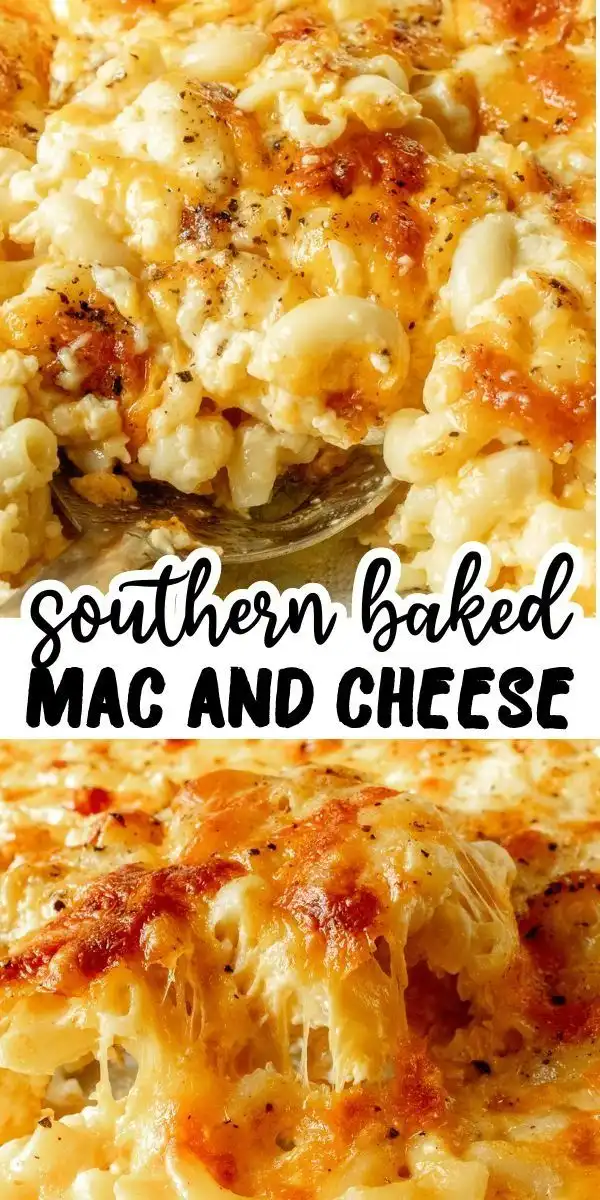
Southern baked mac and cheese isn’t just a side dish—it’s a cornerstone of soulful, comforting cuisine rooted in generations of tradition, love, and culinary resilience. Unlike its stovetop or minimalist cousins, Southern baked macaroni and cheese is a rich, decadent, golden-crusted masterpiece: creamy yet structured, deeply cheesy without being greasy, and imbued with layers of savory depth that speak to the heart of Southern hospitality. It graces holiday tables from Thanksgiving to Easter, anchors Sunday suppers, appears at church potlucks with pride, and serves as both celebration food and healing comfort. This isn’t “mac and cheese” — it’s Mac & Cheese, capitalized, revered, and steeped in regional identity. In the South, it’s not merely cooked—it’s curated, cherished, and passed down like heirloom silver.
The History
The origins of Southern baked mac and cheese trace back centuries, weaving together European technique, African ingenuity, and American adaptation. Macaroni dishes appeared in colonial America as early as the 18th century—Thomas Jefferson famously imported a pasta machine from Naples and served “macaroni pie” at a White House dinner in 1802—but it was in the kitchens of enslaved Black cooks that the dish truly evolved into what we now recognize as Southern baked mac and cheese. Enslaved chefs, many trained in French culinary methods on plantations, transformed scarce ingredients—aged cheeses (often cheddar or Colby), dried pasta, milk, butter, and eggs—into luxurious, oven-baked custard-based casseroles. Their mastery of texture, temperature, and layering laid the technical and cultural groundwork for the dish.
By the late 19th and early 20th centuries, recipes began appearing in African American community cookbooks such as What Mrs. Fisher Knows About Old Southern Cooking (1881) and later in church and Junior League fundraising cookbooks across the Deep South. The Great Migration carried the tradition northward, where it adapted further—but the soul remained Southern. Mid-century saw the rise of convenience adaptations (canned evaporated milk, Velveeta, boxed pasta), yet purists held fast to slow-simmered béchamel, hand-grated cheese, and slow, low baking. Today, Southern baked mac and cheese stands as both a culinary artifact and a living, breathing expression of identity—honored by James Beard Award-winning chefs, revived in food documentaries, and fiercely debated in family group chats over which grandmother’s recipe reigns supreme.
Ingredients Breakdown
Every ingredient in authentic Southern baked mac and cheese carries intention—not just function, but legacy. Below is a detailed breakdown of why each component matters, including regional preferences and historical context:
- Pasta: Elbow macaroni remains the gold standard—not for nostalgia alone, but because its short, curved shape traps sauce, supports structural integrity during baking, and offers ideal surface area for browning. Some Southern cooks swear by small shells, cavatappi, or even freshly extruded semolina pasta—but never long noodles. Pasta must be cooked to *al dente* (slightly underdone), as it absorbs liquid and softens further in the oven.
- Cheeses: A multi-cheese blend is non-negotiable. Sharp cheddar provides tang and depth; Monterey Jack adds meltability and mild creaminess; whole-milk mozzarella contributes stretch and richness; and a touch of smoked Gouda, Colby, or even a whisper of pimento cheese (in some Gulf Coast variations) introduces complexity. Traditional versions often used locally aged farmstead cheddars or hoop cheese. Pre-shredded cheese is discouraged—the anti-caking starches inhibit smooth melting and cause graininess.
- Dairy Base: A classic Southern roux-thickened béchamel forms the backbone—butter and flour cooked to a pale blonde stage, then whisked with warm whole milk or a mixture of whole milk and half-and-half. Evaporated milk appears frequently in mid-century recipes for its concentrated richness and stability under heat. Heavy cream is used sparingly (often just ¼ cup) for luxury, never as a full substitute—too much fat destabilizes the custard.
- Eggs: Often overlooked outside the South, eggs are essential for binding and creating that signature velvety, sliceable texture. Typically 2–3 large eggs (sometimes with extra yolks) are tempered into the warm cheese sauce, lending structure without rubberiness when baked slowly.
- Aromatics & Seasonings: Onion powder and dry mustard are near-universal—mustard enhances cheese flavor through enzymatic interaction (not heat). Freshly grated nutmeg adds warmth and sophistication. Garlic powder is common, though fresh minced garlic sautéed in the roux base appears in elevated versions. Cayenne or white pepper (not black) delivers subtle heat without visual specks. Salt is added judiciously—remember, cheeses vary widely in sodium content.
- Butter & Topping: Unsalted butter is brushed or dotted generously over the top before baking—not just for browning, but to create a delicate, shatteringly crisp crust. Some families add a final sprinkle of buttered breadcrumbs (panko or crushed saltine crackers), while others prefer the pure, bronzed cheese skin achieved through careful broiling at the end.
Step-by-Step Recipe
- Preheat & Prep: Position oven rack in the center and preheat to 350°F (175°C). Generously grease a 9×13-inch glass or ceramic baking dish (avoid dark metal pans—they promote over-browning).
- Cook the Pasta: Bring 6 quarts of heavily salted water (2 Tbsp kosher salt) to a rolling boil. Add 16 oz (about 4 cups) elbow macaroni and cook for 6–7 minutes—just until pliable with the faintest bite. Drain immediately in a colander and rinse *briefly* with cool water to halt cooking (optional but recommended for make-ahead prep). Toss lightly with 1 Tbsp neutral oil to prevent sticking. Set aside.
- Make the Roux: In a heavy-bottomed Dutch oven or large saucepan, melt ½ cup (1 stick) unsalted butter over medium-low heat. Whisk in ½ cup all-purpose flour and cook, stirring constantly, for 3–4 minutes until fragrant and pale golden—do not brown. This is your thickening foundation.
- Build the Béchamel: Gradually whisk in 3 cups warm whole milk (heated gently in the microwave or on stove), ensuring no lumps form. Continue whisking as mixture comes to a gentle simmer. Cook 5–7 minutes, stirring frequently, until thickened to the consistency of heavy cream—coating the back of a spoon. Reduce heat to low.
- Infuse Flavor: Whisk in 1 Tbsp yellow mustard, 1 tsp onion powder, ½ tsp garlic powder, ¼ tsp ground nutmeg, ¼ tsp cayenne, ½ tsp white pepper, and 1 tsp kosher salt (adjust after tasting cheese). Simmer 2 more minutes.
- Melt the Cheese: Remove from heat. Gradually whisk in shredded cheeses: 3 cups sharp cheddar, 1½ cups Monterey Jack, 1 cup whole-milk mozzarella, and ½ cup smoked Gouda. Stir until completely smooth and glossy—no strings or clumps. Let cool slightly (5 minutes) so eggs don’t scramble.
- Temper the Eggs: In a small bowl, whisk 3 large eggs and 2 egg yolks. Slowly drizzle in 1 cup of warm cheese sauce while whisking vigorously. Then pour egg mixture back into the pot and stir until fully incorporated. Sauce should be luxuriously thick but still fluid.
- Combine Pasta & Sauce: Fold in the drained, slightly cooled pasta until every piece glistens and is evenly coated. Taste and adjust seasoning—remember: cheeses vary in saltiness.
- Transfer & Top: Pour mixture into the prepared baking dish. Smooth the top with a spatula. Dot surface with 2 Tbsp cold unsalted butter, cut into small pieces. Optional: sprinkle with ¼ cup buttered panko or crushed saltines.
- Bake Low & Slow: Bake uncovered for 45–55 minutes, until edges bubble gently and center is just set (a knife inserted 2 inches from edge should come out clean; center will jiggle slightly but not slosh). For deeper color, switch to broil for 2–3 minutes at the end—watch closely!
- Rest Before Serving: Remove from oven and let rest for *at least 15 minutes*—this allows the custard to fully set and prevents a runny collapse when sliced. Serve warm, not piping hot.
Tips
- Grate Your Own Cheese: Pre-shredded cheese contains cellulose and anti-caking agents that impede melting and cause separation. Invest in a box grater or food processor with a grating disc.
- Warm Your Dairy: Cold milk shocks the roux and causes lumps. Warm milk also accelerates thickening and creates a silkier texture.
- Undercook the Pasta Intentionally: Overcooked pasta turns mushy in the oven. Aim for *very* al dente—firm enough to bite, almost crunchy.
- Temper Eggs Gently: Never add eggs directly to hot sauce. Always temper with a ladle of warm mixture first—and whisk constantly.
- Low and Slow Wins the Race: High heat causes curdling, weeping, and scrambled eggs. 350°F ensures even setting and tender texture.
- Rest Is Non-Negotiable: Cutting too soon releases steam and liquid, resulting in a soupy mess. Resting lets proteins fully coagulate and starches gel.
- Layer Flavors Early: Sauté ¼ cup finely diced yellow onion in the butter before adding flour for an aromatic, savory base (common in Lowcountry versions).
- Use Glass or Ceramic: These materials distribute heat evenly and allow you to monitor browning. Dark metal pans burn the bottom before the center sets.
- Double Batch? Double Dish: Don’t crowd the pan. Use two 9×13 dishes or one 9×13 and one 8×8 to ensure proper air circulation and even baking.
- Make-Ahead Friendly: Assemble up to 24 hours ahead, cover tightly, and refrigerate. Add 10–15 minutes to bake time if going in cold.
Variations and Customizations
Southern baked mac and cheese is gloriously adaptable—each subregion, family, and cook puts their own stamp on the classic. Here are beloved, time-tested variations grounded in authenticity:
- Carolina “Pimiento Cheese” Mac: Fold in 1 cup homemade pimiento cheese (sharp cheddar, roasted red peppers, mayo, vinegar, onion) before baking. Often topped with crushed Ritz crackers and a splash of apple cider vinegar in the sauce for brightness.
- Gulf Coast Seafood Mac: Add 1½ cups lump crabmeat (picked over) and ½ cup small shrimp, sautéed in butter and Old Bay, folded in with pasta. Garnish with paprika-dusted cracker crumbs and fresh parsley.
- Smoky Tennessee “BBQ Brisket” Mac: Mix in 2 cups finely chopped, slow-smoked brisket (tossed in a touch of reduced BBQ sauce) and top with crispy fried onions. A dash of liquid smoke in the béchamel nods respectfully to pitmaster tradition.
- Creole Mac & Cheese: Infuse the milk with bay leaf, thyme, and a chopped green onion; add 1 tsp Creole seasoning and 2 Tbsp diced Andouille sausage (sautéed first). Finish with a dusting of filé powder.
- Vegetable-Forward “Garden Mac”: Add 1 cup roasted sweet potatoes, ½ cup caramelized leeks, and ⅓ cup blanched peas. Swap half the cheddar for goat cheese for tang and creaminess.
- “Church Picnic” Simplified Version: Uses evaporated milk, American cheese slices for foolproof melt, and crushed saltines for topping—still deeply loved, especially in rural communities where shelf-stable ingredients mattered.
- Gluten-Free Southern Style: Substitute gluten-free elbow pasta (rinsed well), use rice or sorghum flour for roux, and add 1 tsp xanthan gum to the warm milk for stability. Cheeses remain unchanged.
- Vegan “Soulful” Mac: Cashew-based “cheese” sauce (soaked raw cashews, nutritional yeast, miso, lemon juice, turmeric), GF pasta, and a breadcrumb topping made with vegan butter and smoked paprika. Honors spirit over strict adherence.
Health Considerations and Nutritional Value
While Southern baked mac and cheese is rightly celebrated for its comfort and cultural significance, mindful preparation allows for balanced enjoyment—without sacrificing soul or satisfaction. A standard 1-cup serving (approx. 250g) of traditional homemade version contains roughly:
- Calories: 420–480 kcal
- Protein: 18–22g (excellent source—cheese and eggs provide complete amino acid profiles)
- Fat: 24–28g (predominantly unsaturated from dairy fats; moderate saturated fat depending on cheese selection)
- Carbohydrates: 32–36g (mostly complex from pasta; fiber ~2g unless whole grain pasta used)
- Calcium: ~35% DV (from dairy-rich cheeses and milk)
- Vitamin A, B12, D, and K2: Naturally abundant in full-fat dairy—especially important for bone health, immunity, and neurological function.
Considerations & Swaps:
- Sodium Awareness: Traditional versions range from 600–900mg sodium per serving. Reduce by using low-sodium cheeses (like farmer’s cheese or young cheddar), omitting added salt until tasting, and skipping salty toppings like seasoned crackers.
- Whole Grain Option: Substituting 50–100% whole wheat or legume-based pasta boosts fiber (to 5–7g/serving) and lowers glycemic impact—without compromising texture if cooked precisely.
- Lower-Fat Adaptation: Replace half the cheese with cottage cheese blended until smooth, use 2% milk + ¼ cup Greek yogurt instead of heavy cream, and increase mustard/nutmeg for flavor depth. Still rich—just lighter.
- Lactose Sensitivity? Aged cheeses (sharp cheddar, Gouda, Parmesan) contain minimal lactose. Lactose-free milk works perfectly in the béchamel. Many Southerners with sensitivity have enjoyed this dish for generations—aging and fermentation do the work.
- Not Just “Junk Food”: This dish delivers bioavailable calcium, high-quality protein, conjugated linoleic acid (CLA) from grass-fed dairy, and gut-supportive fermented notes from aged cheeses—making it nutritionally dense, not empty-calorie.
Remember: In Southern wellness philosophy, nourishment includes joy, connection, and cultural continuity. Eating mac and cheese at a family reunion or sharing it with a grieving neighbor is itself a health practice—one that science increasingly validates through studies on social nutrition and emotional well-being.
Ingredients
- 16 oz (4 cups) elbow macaroni (or cavatappi), uncooked
- ½ cup (1 stick) unsalted butter, divided
- ½ cup all-purpose flour
- 3 cups whole milk, warmed
- 1 cup evaporated milk (optional, but highly recommended for richness and stability)
- 1 tbsp yellow mustard
- 1 tsp onion powder
- ½ tsp garlic powder
- ¼ tsp ground nutmeg
- ¼ tsp cayenne pepper
- ½ tsp white pepper (not black)
- 1 tsp kosher salt (plus more to taste)
- 3 large eggs
- 2 large egg yolks
- 3 cups sharp cheddar cheese, freshly shredded
- 1½ cups Monterey Jack cheese, freshly shredded
- 1 cup whole-milk mozzarella, freshly shredded
- ½ cup smoked Gouda or Colby cheese, freshly shredded
- Optional topping: ¼ cup buttered panko or crushed saltine crackers
Directions
- Preheat oven to 350°F (175°C). Grease a 9×13-inch baking dish with butter or nonstick spray.
- Bring 6 quarts of water to boil. Add 2 tbsp kosher salt and pasta. Cook 6–7 minutes until al dente. Drain, rinse quickly under cool water, toss with 1 tsp neutral oil, and set aside.
- In a heavy-bottomed Dutch oven, melt ¼ cup butter over medium-low heat. Whisk in flour and cook 3–4 minutes until fragrant and pale golden.
- Gradually whisk in warm whole milk and evaporated milk. Bring to gentle simmer, stirring constantly. Cook 5–7 minutes until thickened to coat the back of a spoon.
- Reduce heat to low. Whisk in mustard, onion powder, garlic powder, nutmeg, cayenne, white pepper, and 1 tsp salt. Simmer 2 minutes.
- Remove from heat. Gradually whisk in all cheeses until completely melted and smooth. Cool 5 minutes.
- In a small bowl, whisk eggs and yolks. Temper with 1 cup warm cheese sauce, then whisk mixture back into pot.
- Fold in cooked pasta until fully coated. Taste and adjust seasoning.
- Pour into prepared dish. Dot top with remaining ¼ cup butter (cut into pieces). Optional: sprinkle with buttered panko or crackers.
- Bake uncovered 45–55 minutes, until edges bubble and center is just set. For golden crust, broil 2–3 minutes—watch carefully.
- Let rest 15 minutes before cutting and serving.
FAQ
- Can I make this ahead of time?
- Absolutely. Assemble completely, cover tightly with plastic wrap, and refrigerate up to 24 hours. Bake straight from the fridge—add 10–15 minutes to total time and cover loosely with foil for first 30 minutes to prevent over-browning.
- Why does my mac and cheese turn out grainy?
- Graininess usually results from one (or more) of these: using pre-shredded cheese (with cellulose), overheating the sauce (causing proteins to seize), adding cold dairy to hot roux, or stirring too vigorously once cheese is added. Always shred your own, warm your milk, and remove from heat before adding cheese.
- Can I freeze baked mac and cheese?
- Yes—with caveats. Freeze *unbaked* for best results: assemble in a freezer-safe dish, cover tightly, and freeze up to 3 months. Thaw overnight in fridge, then bake as directed (add 10–15 min). Baked-and-frozen versions can become watery or rubbery upon reheating due to protein breakdown.
- What’s the difference between Southern baked mac and cheese and “Kraft-style” or stovetop versions?
- Stovetop versions rely on starch release and emulsifiers for cohesion, often resulting in a looser, saucier texture. Southern baked mac uses eggs + roux + slow baking to create a firm, sliceable, custard-bound structure with a caramelized top. It’s less about immediate gratification and more about layered, developed flavor and textural contrast.
- My cheese sauce broke—can I fix it?
- Yes! Remove from heat and whisk in 1–2 tsp cold butter or a splash of cold cream while vigorously whisking. If too thin, make a slurry of 1 tsp cornstarch + 1 tsp cold milk and whisk in over low heat until thickened. Prevention is best—never boil cheese sauce.
- Is there a “right” cheese blend—or is it personal preference?
- There is no single “right” blend—but there *is* technique. The key is balancing meltability (Jack, mozzarella), sharpness (cheddar), and complexity (smoked Gouda, fontina, or even a bit of blue for adventurous cooks). Start with the base ratios above, then experiment—keeping total cheese volume consistent.
- Why do some recipes call for mustard?
- Mustard contains enzymes (myrosinase) that help break down casein proteins in cheese, promoting smoother melting and preventing clumping. It adds no discernible “mustard” flavor—just enhanced cheesiness and silkiness.
- Can I use gluten-free pasta?
- Yes—but choose a sturdy variety (brown rice + quinoa blends work well). Cook 1–2 minutes *less* than package directs (it continues cooking in oven), rinse well, and toss with oil. Add 1 tsp xanthan gum to warm milk if using GF flour in roux.
- What makes the top crust so special—and how do I get it perfect?
- The crust forms from Maillard reaction + butter browning + cheese dehydration. Key tips: dot with cold butter (not melted), avoid covering during last 20 minutes, and consider a final 2-minute broil. Don’t skip the rest—cutting too soon collapses the crust.
- How do I reheat leftovers without drying them out?
- Place portions in an oven-safe dish, add 1–2 tsp milk or cream per serving, cover with foil, and warm at 325°F for 15–20 minutes. For stovetop: low heat + splash of milk + constant stirring until creamy again.
Summary
Southern baked mac and cheese is a profound expression of heritage, technique, and heart—born from resilience, perfected through generations, and served with unwavering love. Its magic lies not in extravagance, but in the sacred balance of humble ingredients transformed by patience, precision, and pride.
From the velvety custard bound by eggs and roux to the bronzed, buttery crown that crackles under the fork, every bite tells a story of home—deeply rooted, warmly inviting, and utterly unforgettable.