Introduction
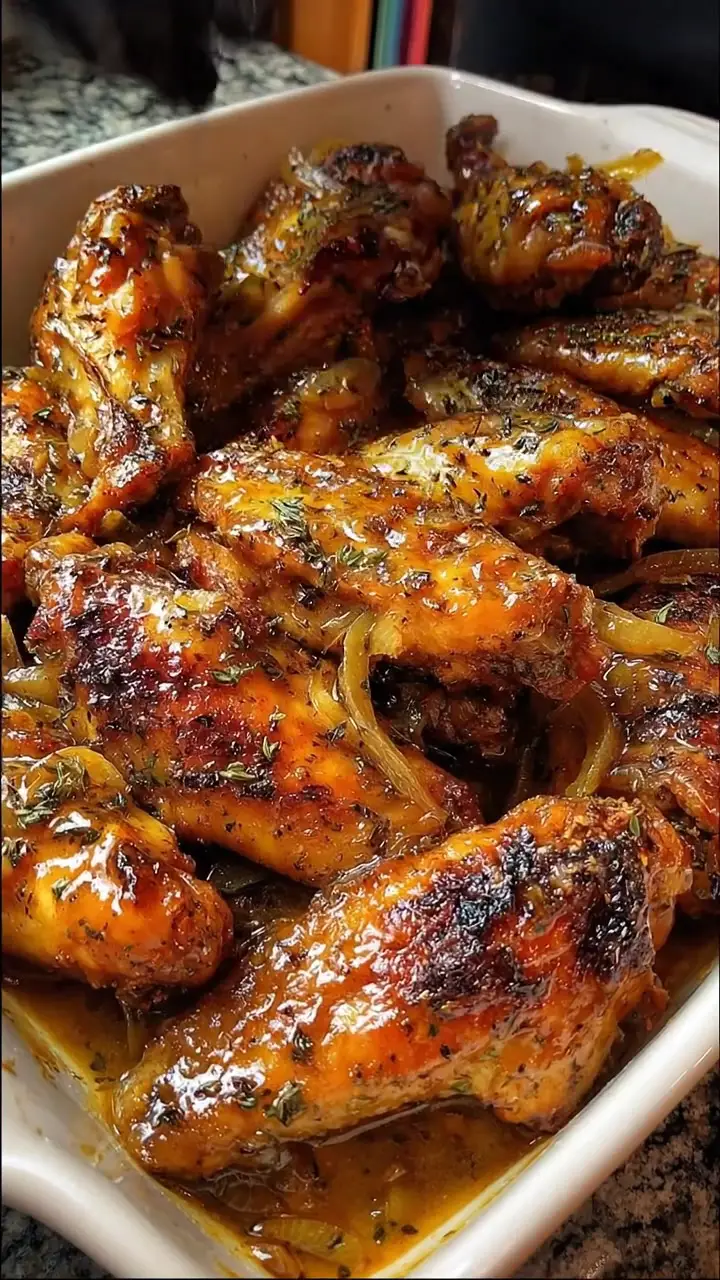
Smothered Turkey Wings with Gravy is a soul-satisfying, deeply flavorful dish that bridges the comforting traditions of Southern cooking with the leaner, more versatile profile of turkey. Unlike traditional fried or grilled wings, this slow-cooked, pan-smothered method yields tender, fall-off-the-bone meat enveloped in a rich, velvety, savory gravy—infused with aromatic herbs, slow-caramelized onions, and layers of umami depth. Whether served as a hearty weeknight dinner, a centerpiece for holiday gatherings, or a nostalgic nod to Sunday supper traditions, this recipe delivers bold taste without compromising on texture or satisfaction. Its growing popularity reflects a broader culinary shift toward elevated poultry preparations—proving that turkey isn’t just for Thanksgiving leftovers, but a star ingredient worthy of slow attention, layered seasoning, and luxurious finishing.
The History
The origins of “smothered” cooking trace back centuries to West African culinary techniques, where meats were gently braised or stewed in covered pots with aromatics and liquids—a method brought to the American South through the transatlantic slave trade. Enslaved cooks adapted these techniques using available ingredients, laying the foundation for what would become a hallmark of Creole and Cajun cuisines, particularly in Louisiana. The term “smothered” refers not to suffocation, but to the technique of cooking food slowly in a covered skillet or Dutch oven with just enough liquid (often stock, drippings, or tomato-based sauce) to create steam and braise simultaneously—resulting in unparalleled tenderness and flavor infusion. While smothered pork chops, chicken, and beef brisket are more commonly documented, turkey wings emerged as a practical, economical, and flavorful alternative in the mid-to-late 20th century—especially in rural and Southern households seeking affordable protein with high yield and rich collagen content. As turkey production scaled nationally and wing portions became more widely available (particularly from heritage and free-range processors), home cooks began applying time-honored smothering methods to turkey—recognizing its ability to absorb seasonings deeply while yielding a silky, gelatin-rich gravy when cooked low and slow. Today, Smothered Turkey Wings with Gravy appears across regional cookbooks, church supper menus, food blogs, and even upscale Southern bistros—honoring its roots while evolving with modern pantry staples like smoked paprika, apple cider vinegar, and gluten-free thickeners.
Ingredients Breakdown
Every element in this recipe serves a distinct functional and sensory purpose—no ingredient is arbitrary. Below is a comprehensive, chef-level breakdown:
- Turkey Wings (3–4 lbs, split and drumette-flat sections preferred): High in collagen and connective tissue, turkey wings transform dramatically under low, moist heat—breaking down into succulent, shreddable meat while enriching the gravy with natural gelatin. Opt for pasture-raised or air-chilled wings when possible; they offer superior flavor, moisture retention, and cleaner fat composition.
- Yellow Onions (2 large, finely diced): Provide foundational sweetness and aromatic depth. Slowly caramelizing them before adding liquid builds Maillard complexity—essential for gravy richness.
- Garlic (6–8 cloves, minced): Adds pungent warmth and enzymatic nuance. Added after onions soften to preserve volatile oils and prevent bitterness.
- Fresh Thyme (2 tbsp chopped, plus 4–5 whole sprigs): Earthy, floral, and slightly minty—thyme’s terpenes bind beautifully with turkey’s mild gaminess and enhance collagen solubility during braising.
- Rosemary (1½ tbsp finely chopped): Pine-like and resinous, rosemary cuts through richness and adds structural backbone to the herb profile. Use sparingly—it intensifies with long cooking.
- Bay Leaves (3 dried, crumbled): Impart subtle camphorous notes and aid in balancing acidity and fat. Removed before serving.
- Smoked Paprika (1½ tsp): Not just for color—this ingredient contributes deep, woody, mildly sweet smoke that mimics slow-fire roasting and enhances the illusion of “grilled” depth without charring.
- Ground Allspice (½ tsp): A warm, clove-cinnamon-nutmeg hybrid spice that complements turkey’s natural sweetness and harmonizes with onion and thyme. Historically used in Southern poultry rubs for its preservative and aromatic qualities.
- Tomato Paste (3 tbsp): Concentrated umami bomb. When cooked (“fried”) in oil until brick-red and fragrant, it develops roasted sweetness and thickens the gravy base naturally—reducing reliance on flour.
- Dry Sherry or Madeira (¼ cup): Adds nuanced nuttiness, acidity, and alcohol-soluble flavor compounds that lift and brighten the gravy. Non-alcoholic substitute: 2 tbsp apple cider vinegar + 2 tbsp low-sodium chicken broth.
- Low-Sodium Turkey or Chicken Stock (3–4 cups, warmed): The braising liquid backbone. Homemade stock is ideal—rich in collagen, minerals, and gelatin—but high-quality store-bought low-sodium versions work well. Warming prevents thermal shock to seared wings.
- Unsalted Butter (3 tbsp): Used both for sautéing aromatics and finishing the gravy—adding mouth-coating richness, sheen, and lactose-derived sweetness.
- All-Purpose Flour (¼ cup, or gluten-free 1:1 blend): For roux-based thickening. Toasted briefly with butter to eliminate raw flour taste and build nutty depth. Alternatives: 2 tbsp arrowroot or 3 tbsp masa harina for grain-free options.
- Worcestershire Sauce (1½ tbsp): Fermented anchovy, tamarind, and molasses deliver fermented savoriness and subtle tang—critical for “umami layering.” Gluten-free and vegan versions are widely available.
- Apple Cider Vinegar (1 tsp): Added at the end to balance richness and brighten flavors—cutting through fat without sharpness.
- Sea Salt & Freshly Ground Black Pepper (to taste, added in stages): Salting early (on wings pre-sear) aids moisture retention; final seasoning adjusts for reduced salt concentration post-reduction.
Step-by-Step Recipe
- Prep & Pat Dry: Remove turkey wings from packaging; rinse under cold water and thoroughly pat dry with paper towels—especially between joints and skin folds. Excess moisture inhibits browning. Place on a wire rack over a sheet pan and refrigerate uncovered for 30–60 minutes for optimal surface desiccation.
- Season Generously: In a small bowl, combine 1½ tsp kosher salt, 1 tsp black pepper, 1 tsp smoked paprika, ½ tsp allspice, and ½ tsp garlic powder. Rub evenly over all surfaces of wings—including crevices. Let rest 15 minutes at room temperature.
- Sear for Depth: Heat 2 tbsp neutral oil (avocado or grapeseed) in a heavy-bottomed 6–7 qt Dutch oven over medium-high heat until shimmering (350°F). Working in batches to avoid crowding, place wings skin-side down. Press gently with a spatula for 30 seconds to ensure contact. Sear 5–6 minutes per side until deeply mahogany—do not move prematurely. Transfer to a clean plate; pour off all but 2 tbsp rendered fat.
- Sweat Aromatics: Reduce heat to medium-low. Add diced onions; stir constantly for 8–10 minutes until translucent and beginning to caramelize. Add minced garlic; cook 1 minute until fragrant. Stir in tomato paste; cook 4–5 minutes, stirring frequently, until dark brick-red and oil begins to separate.
- Build Flavor Base: Pour in sherry; scrape browned bits (fond) vigorously with a wooden spoon. Simmer 2 minutes until alcohol evaporates. Stir in Worcestershire, 1 tbsp thyme, 1 tbsp rosemary, bay leaves, and remaining smoked paprika—allspice blend.
- Make Roux & Deglaze: Push aromatics to edges. Melt 3 tbsp butter in center; whisk in flour. Cook 3–4 minutes, stirring constantly, until golden-blond and nutty. Gradually whisk in warm stock, ½ cup at a time, fully incorporating before adding more. Ensure no lumps remain.
- Braise Low & Slow: Return seared wings to pot, nestling them into liquid—liquid should come halfway up wings (add more stock if needed). Bring to gentle simmer, then reduce heat to lowest setting. Cover tightly with lid slightly ajar (¼ inch) to allow minimal steam escape—prevents boiling and encourages gentle poaching. Braise 2 hours 15 minutes, turning wings every 45 minutes with tongs. Internal temp should reach 175–180°F with probe-tender resistance.
- Reduce & Refine Gravy: Carefully remove wings to a warmed platter; tent loosely with foil. Skim excess surface fat with a ladle or fat separator. Increase heat to medium; simmer uncovered 12–15 minutes until gravy reduces by ~⅓, thickens to coat the back of a spoon, and deepens in color. Stir in apple cider vinegar, remaining fresh thyme and rosemary, and adjust salt/pepper.
- Rest & Serve: Let wings rest 10 minutes before serving—allows juices to reabsorb. Spoon generous amounts of hot gravy over wings. Garnish with flaky sea salt and micro chives.
Tips
- Patience Pays Off: Do not rush the sear—deep browning equals deep flavor. If wings release too easily, they’re not ready. Wait.
- Control the Liquid: Too much stock = thin gravy; too little = dry wings. Maintain ½–⅔ submersion level throughout braising. Add warm stock only as needed—never cold.
- Skim Strategically: Skim fat twice—once after braising (before reduction) and again after reduction—ensures clean, glossy gravy without greasiness.
- Test Tenderness, Not Just Temp: A fork should slide in and out with zero resistance—even if internal temp reads 165°F, continue braising if meat feels springy.
- Chill Overnight for Best Results: This dish tastes even better the next day. Cool completely, refrigerate covered overnight, then gently reheat on stove (not microwave) with splash of stock to refresh texture.
- Resist Over-Stirring Gravy: Once reduced, minimize stirring to preserve emulsification. Whisk only when adjusting seasoning.
- Use a Heavy Pot: Enameled cast iron or stainless-clad copper ensures even heat distribution and prevents scorching during long braise.
- Acid Timing Matters: Vinegar must be added after reduction—adding it earlier can cause proteins to tighten and result in cloudy gravy.
- Freeze Smart: Freeze gravy separately from wings (up to 4 months). Reheat gravy first, then add thawed wings to warm through—preserves skin integrity and prevents mushiness.
- Save the Bones: After eating, reserve cleaned bones and scraps. Simmer 12+ hours with carrots, celery, peppercorns, and parsley stems for ultra-rich turkey bone broth.
Variations and Customizations
This recipe is inherently adaptable—designed to honor tradition while welcoming innovation. Consider these thoughtfully tested variations:
- Cajun-Style Smothered Wings: Replace thyme/rosemary with 1 tbsp Cajun seasoning (paprika, cayenne, oregano, thyme, garlic/onion powders); add ½ cup chopped green bell pepper and ½ cup chopped celery with onions (“holy trinity”). Finish with 1 tsp filé powder off-heat.
- Asian-Inspired Umami Wings: Swap tomato paste for 2 tbsp red miso + 1 tbsp hoisin; replace sherry with dry sake; use ginger (1 tbsp grated) instead of rosemary; finish with toasted sesame oil and scallions.
- Herb-Citrus Bright Version: Add zest of 1 orange + juice of ½ lemon with stock; replace rosemary with 1 tbsp chopped lemon verbena; garnish with candied ginger ribbons.
- Vegetarian “Wing” Adaptation: Substitute king oyster mushrooms (cut into 3-inch “wings”) or seitan cutlets. Use mushroom stock, double tomato paste, and add 1 tsp nutritional yeast for depth. Braise 35–40 minutes only.
- Smoky Oven-Braised Method: After searing, transfer wings and gravy to a heavy roasting pan. Cover tightly with double-layer foil + lid. Bake at 300°F for 2 hours 30 minutes in convection mode for ultra-even heat.
- Instant Pot Express Version: Sear wings using Sauté function. Deglaze with sherry, add all aromatics and stock. Pressure cook on High for 45 minutes, natural release 20 minutes. Thicken gravy using Sauté mode + slurry (1 tbsp cornstarch + 2 tbsp cold water).
- Keto/Low-Carb Adaptation: Omit tomato paste (or use 1 tsp); replace flour with 1 tsp xanthan gum whisked into cold stock before adding. Use full-fat coconut milk (2 tbsp) for richness instead of butter.
- Gluten-Free Gravy Mastery: Use certified GF tamari instead of Worcestershire; swap flour for equal parts brown rice flour + tapioca starch. Simmer gravy 5 minutes longer to ensure full thickening.
- Spicy Chipotle Infusion: Add 2 rehydrated chipotles in adobo + 1 tsp adobo sauce with tomato paste. Stir in 1 tbsp cocoa powder with stock for mole-inspired depth.
- Holiday Spice Edition: Add 2 whole star anise, 1 cinnamon stick, and 4 whole cloves with bay leaves; finish with 1 tsp orange blossom water and pomegranate molasses drizzle.
Health Considerations and Nutritional Value
Smothered Turkey Wings with Gravy offers notable nutritional advantages when prepared mindfully—making it far more than just comfort food. A standard 3-wing serving (approx. 6 oz meat + ½ cup gravy) provides approximately 380–420 calories, 42g high-quality complete protein, and only 18–22g total fat (with ~5g saturated). Turkey is naturally rich in B vitamins—especially B3 (niacin) for energy metabolism, B6 for immune function, and B12 for neurological health. The collagen-rich connective tissue in wings breaks down into bioavailable glycine and proline—amino acids clinically linked to improved joint health, gut lining integrity, and skin elasticity. When made with low-sodium stock and minimal added salt, the dish remains heart-conscious (<450mg sodium per serving), especially when paired with potassium-rich sides like collard greens or sweet potatoes. The gravy’s natural gelatin content supports satiety and slows gastric emptying—aiding blood sugar regulation. From a functional nutrition perspective, the inclusion of antioxidant-rich herbs (rosemary contains carnosic acid), anti-inflammatory garlic, and polyphenol-dense sherry further elevates its phytonutrient profile. That said, mindful modifications enhance wellness impact: using grass-fed ghee instead of butter increases CLA (conjugated linoleic acid); swapping white flour for almond flour or psyllium husk boosts fiber; and adding pureed cauliflower to gravy increases volume and micronutrients without caloric penalty. As always, portion awareness matters—pair with non-starchy vegetables (roasted Brussels sprouts, steamed kale) and limit refined carbohydrate sides to maximize metabolic benefits. Notably, this dish is naturally dairy-free (if butter is omitted or replaced), egg-free, and nut-free—making it highly inclusive for common dietary restrictions.
Ingredients
- 3–4 lbs turkey wings, split into drumettes and flats (skin-on, preferably air-chilled)
- 2 tbsp avocado oil or high-heat neutral oil
- 2 large yellow onions, finely diced (about 2½ cups)
- 6–8 garlic cloves, minced
- 3 tbsp tomato paste
- ¼ cup dry sherry or Madeira (or 2 tbsp apple cider vinegar + 2 tbsp low-sodium broth)
- 1½ tbsp Worcestershire sauce (gluten-free if needed)
- 3 tbsp unsalted butter
- ¼ cup all-purpose flour (or ¼ cup gluten-free 1:1 blend)
- 3–4 cups low-sodium turkey or chicken stock, warmed
- 2 tbsp fresh thyme leaves, divided (plus 4–5 whole sprigs)
- 1½ tbsp fresh rosemary, finely chopped, divided
- 3 dried bay leaves, crumbled
- 1½ tsp smoked paprika
- ½ tsp ground allspice
- 1½ tsp kosher salt (plus more to taste)
- 1 tsp freshly ground black pepper (plus more to taste)
- 1 tsp apple cider vinegar
- Flaky sea salt and micro chives, for garnish
Directions
- Pat turkey wings extremely dry with paper towels. Refrigerate uncovered on a wire rack for 30–60 minutes.
- In a small bowl, combine 1½ tsp salt, 1 tsp pepper, 1 tsp smoked paprika, ½ tsp allspice, and ½ tsp garlic powder. Rub evenly over all wings. Rest 15 minutes.
- Heat oil in a 6–7 qt Dutch oven over medium-high heat until shimmering. Sear wings in batches, skin-side down first, 5–6 minutes per side until deeply browned. Transfer to a plate; pour off all but 2 tbsp fat.
- Reduce heat to medium-low. Add onions; cook 8–10 minutes until soft and golden. Add garlic; cook 1 minute. Stir in tomato paste; cook 4–5 minutes until brick-red.
- Pour in sherry; scrape fond vigorously. Simmer 2 minutes. Stir in Worcestershire, 1 tbsp thyme, 1 tbsp rosemary, bay leaves, remaining paprika-allspice blend.
- Melt butter in center; whisk in flour. Cook 3–4 minutes until golden. Whisk in warm stock gradually, ensuring smooth incorporation.
- Return wings to pot, submerging halfway. Bring to gentle simmer, then reduce heat to lowest setting. Cover with lid slightly ajar. Braise 2 hours 15 minutes, turning every 45 minutes.
- Remove wings; tent with foil. Skim fat from surface. Simmer gravy uncovered 12–15 minutes until reduced and thickened.
- Stir in apple cider vinegar, remaining thyme and rosemary. Taste and adjust salt and pepper.
- Rest wings 10 minutes. Serve drenched in hot gravy, garnished with flaky salt and chives.
FAQ
- Can I use frozen turkey wings?
- Yes—but thaw completely in the refrigerator (24–36 hours) and pat *extremely* dry before seasoning. Never sear partially frozen wings—they steam instead of brown and splatter dangerously.
- Why does my gravy break or look greasy?
- Overheating after reduction, insufficient emulsification, or too much residual fat. Always skim fat *before* and *after* reduction. Whisk constantly while reducing, and finish with cold butter (1 tbsp) off-heat for gloss and stability.
- Can I make this ahead?
- Absolutely—and it’s highly recommended. Fully cooled and refrigerated overnight, the flavors deepen and the gravy firms beautifully. Reheat gently on stove with 2–3 tbsp warm stock to restore silkiness.
- What sides pair best?
- Classic pairings include creamy mashed potatoes (to soak up gravy), buttered egg noodles, stone-ground grits, or fluffy buttermilk biscuits. For balance, serve with vinegar-braised collards, roasted root vegetables, or a crisp fennel-apple slaw.
- My wings aren’t falling off the bone—what’s wrong?
- They likely need more time. Turkey wings contain dense connective tissue. Continue braising in 15-minute increments, checking tenderness—not just temperature—with a fork. Internal temp alone is misleading.
- Can I cook this on the grill?
- Yes—use a two-zone setup. Sear wings over direct heat, then move to indirect side with a drip pan underneath. Add soaked wood chips (hickory or cherry) for smoke. Cover grill and maintain 275–300°F for 2.5 hours, basting occasionally with warm gravy.
- Is the skin edible after braising?
- Yes—and delicious! It becomes tender, silky, and deeply flavorful. If you prefer crisp skin, broil wings 3–4 minutes before serving (brush lightly with gravy first to prevent burning).
- How do I store leftovers safely?
- Cool completely within 2 hours. Store wings and gravy separately in airtight containers. Refrigerate up to 4 days or freeze up to 4 months. Never leave at room temperature >2 hours.
- Can I use turkey legs or thighs instead?
- Yes—with adjustments. Thighs require ~1 hour 45 minutes; drumsticks ~2 hours 30 minutes. Legs may need up to 3 hours. Adjust liquid accordingly—dark meat releases more collagen but absorbs less.
- What if I don’t have sherry?
- Substitute with dry white wine, unsweetened apple juice reduced by half, or the vinegar-broth combo listed above. Avoid cooking wines with added salt or preservatives.
Summary
Smothered Turkey Wings with Gravy is a masterclass in slow-cooked Southern tradition—transforming humble, collagen-rich turkey wings into luxuriously tender morsels bathed in a deeply savory, herb-infused, velvety gravy built on caramelized aromatics, fortified tomato paste, and slow-simmered stock. With careful searing, layered seasoning, and patient braising, this dish delivers extraordinary depth, comfort, and versatility—equally at home on a rustic farmhouse table or an elegant holiday spread.
Nutritionally robust, culturally resonant, and endlessly customizable, it honors ancestral techniques while embracing modern wellness values—proving that nourishment, flavor, and soul can coexist in every single, gravy-drenched bite.