Introduction
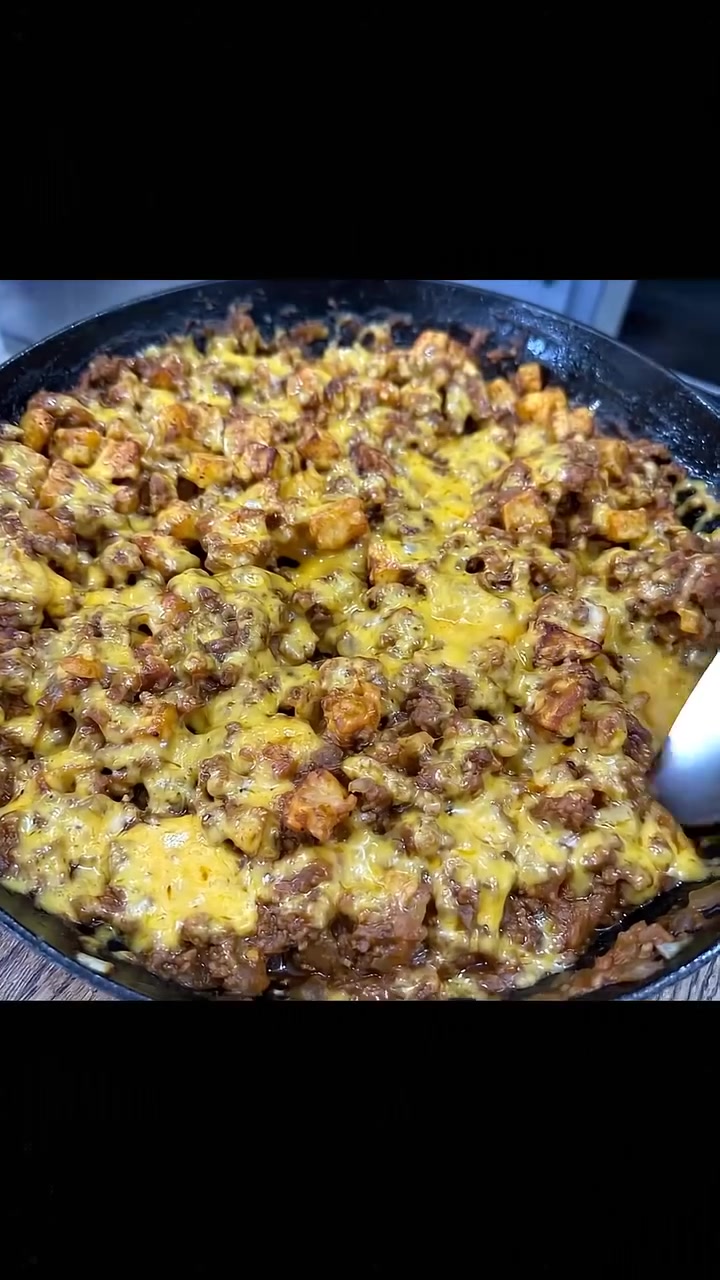
The Sloppy Joe Potato Skillet is a modern, hearty twist on the classic American comfort food—transforming the traditional ground-beef-and-sauce sandwich filling into a sizzling, one-pan skillet meal anchored by tender, golden-brown potatoes. This dish eliminates the need for buns while amplifying texture, depth, and satiety through slow-crisped potatoes, savory-spiced meat, and rich umami-laced sauce. Perfect for weeknight dinners, potlucks, or meal prep, it delivers all the nostalgic flavor of a sloppy joe—but with enhanced heartiness, better heat retention, and built-in carb satisfaction. Whether you’re feeding picky kids, hosting casual gatherings, or simply craving something deeply flavorful and fuss-free, this skillet bridges tradition and innovation in every bite.
The History
The Sloppy Joe itself traces its roots to early 20th-century America, though its exact origin remains delightfully contested. Some historians credit José “Joe” Velasco, a Cuban cook in Key West who served a spiced ground beef mixture on bread in the 1930s; others point to Sioux City, Iowa, where a local café owner named Floyd Angell allegedly created a loose, saucy beef patty in the 1920s and dubbed it the “Sloppy Joe” after his nickname. By the 1950s, the dish had become a lunchroom staple, immortalized in school cafeterias and TV dinners alike. The potato skillet variation emerged organically from home cooks seeking ways to stretch ingredients, reduce waste, and add substance—especially during the mid-2000s resurgence of skillet cooking, sheet-pan meals, and “deconstructed” comfort foods. As air fryers, cast iron enthusiasts, and meal-prep culture grew, so did adaptations that replaced buns with roasted or pan-seared potatoes—offering improved structural integrity, lower glycemic impact, and superior sauce absorption. Today, the Sloppy Joe Potato Skillet stands as a testament to culinary evolution: honoring heritage while embracing practicality, nutrition, and bold flavor layering.
Ingredients Breakdown
Every ingredient in this skillet serves a distinct functional and sensory purpose—no filler, no afterthought.
- Yellow or Russet Potatoes: The foundational starch—high-starch varieties crisp beautifully on the outside while staying fluffy within. Peeled or unpeeled based on preference (skin adds fiber and earthy notes).
- Ground Beef (80/20 or 85/15): Provides rich marbling, deep umami, and binding structure. Leaner blends work but require extra fat supplementation (e.g., olive oil or butter) to prevent dryness.
- Yellow Onion & Green Bell Pepper: The aromatic “holy trinity” base (alongside garlic) that builds sweetness, complexity, and vegetal brightness. Diced finely for even distribution and quick softening.
- Garlic: Adds pungent, savory depth—minced fresh (never powdered) for maximum volatile oil release.
- Tomato Paste: Concentrated umami powerhouse—browned in oil first (“blooming”) to unlock caramelized sweetness and deepen color and body.
- Canned Diced Tomatoes (with juice): Supplies acidity, moisture, and natural fruit-forward tang. Fire-roasted versions add subtle smokiness.
- Worcestershire Sauce: Fermented anchovy-based condiment delivering layered saltiness, tamarind tang, and umami richness—non-negotiable for authenticity.
- Yellow Mustard: Brightens the sauce with gentle acidity and sharpness, cutting through fat without overpowering.
- Brown Sugar (light or dark): Balances acidity and salt; dark brown sugar contributes molasses depth and slight bitterness that enhances complexity.
- Apple Cider Vinegar: A bright, fruity acid that lifts the entire profile—added late to preserve volatility and freshness.
- Smoked Paprika: Imparts warm, earthy smoke without heat—critical for that “grilled deli” nuance absent in basic recipes.
- Dry Mustard Powder: Reinforces mustard’s presence in dried form, adding background warmth and pungency.
- Chili Powder & Ground Cumin: Earthy, slightly sweet, and subtly peppery spices that anchor the Southwest-inspired backbone.
- Bay Leaf & Dried Oregano: Herbal undertones—bay leaf infuses quietly during simmering; oregano adds Mediterranean-tinged aroma.
- Beef Broth (low-sodium): Enhances meatiness, improves sauce cohesion, and prevents sticking during reduction.
- Extra-Virgin Olive Oil & Unsalted Butter: Dual-fat system—olive oil withstands high-heat searing; butter finishes with nutty richness and gloss.
- Fresh Toppings (optional but recommended): Shredded cheddar or pepper jack, thinly sliced red onion, chopped fresh parsley or cilantro, avocado slices, pickled jalapeños, or a dollop of sour cream or Greek yogurt.
Step-by-Step Recipe
- Prep the Potatoes: Dice 1.5 lbs of russet or yellow potatoes into ½-inch cubes. Rinse thoroughly under cold water until runoff is clear—this removes excess surface starch and prevents gumminess. Pat *extremely* dry with clean kitchen towels or paper towels. Moisture is the enemy of crispness.
- Par-Cook (Optional but Recommended): For guaranteed tenderness and faster skillet success, steam or microwave the potatoes for 4–5 minutes until just fork-tender but still holding shape. Drain well and spread on a wire rack to air-dry 5 minutes.
- Heat & Sear: Heat 2 tbsp olive oil in a 12-inch heavy-bottomed skillet (cast iron preferred) over medium-high heat until shimmering. Add potatoes in a single layer—do not overcrowd. Cook undisturbed 6–8 minutes until deeply golden and crusty underneath. Flip with a thin spatula and repeat on second side. Reduce heat to medium if browning too fast. Transfer to a bowl and set aside.
- Sauté Aromatics: In same skillet, add 1 tbsp butter. Once melted and foaming subsides, add 1 finely diced yellow onion and 1 diced green bell pepper. Sauté 5 minutes until softened and translucent. Stir in 4 minced garlic cloves and cook 60 seconds until fragrant—do not burn.
- Bloom the Tomato Paste: Push veggies to skillet edges. Add 3 tbsp tomato paste to center. Cook, stirring constantly, 2–3 minutes until brick-red, thickened, and releasing a nutty, caramelized aroma.
- Brown the Beef: Increase heat to medium-high. Add 1 lb ground beef. Break apart with a wooden spoon, spreading evenly. Cook 6–8 minutes until fully browned and no pink remains. Render fat, then tilt pan and spoon off excess if desired (reserve 1 tbsp for flavor).
- Build the Sauce Base: Stir in 1 tsp smoked paprika, 1 tsp chili powder, 1 tsp ground cumin, ½ tsp dry mustard, ½ tsp dried oregano, 1 bay leaf, 1 tsp kosher salt, and ¼ tsp black pepper. Toast 1 minute to awaken spices.
- Simmer & Deepen: Pour in 1 (14.5 oz) can fire-roasted diced tomatoes (with juice), ¼ cup low-sodium beef broth, 1 tbsp Worcestershire, 1 tbsp yellow mustard, 1 tbsp brown sugar, and 1 tsp apple cider vinegar. Stir well. Bring to a gentle simmer.
- Reduce & Thicken: Lower heat to medium-low. Cover partially and simmer 12–15 minutes, stirring every 3–4 minutes, until sauce reduces by ~⅓, thickens noticeably, and coats the back of a spoon. Discard bay leaf.
- Reintegrate Potatoes: Gently fold in the seared potatoes. Cook uncovered 5–7 minutes, stirring occasionally, allowing potatoes to absorb sauce and develop sticky, glazed edges. Adjust consistency with 1–2 tbsp broth if too thick—or simmer 2 more minutes if too loose.
- Finish & Rest: Remove from heat. Swirl in remaining 1 tbsp butter for sheen and richness. Taste and adjust: more vinegar for brightness, brown sugar for balance, salt for depth, or pinch of cayenne for heat. Let rest 5 minutes—this allows flavors to marry and sauce to cling.
- Serve Immediately: Spoon generously into warmed bowls. Top with preferred garnishes. Best enjoyed hot, though flavors deepen beautifully overnight.
Tips
- Dry Potatoes Religiously: Even a trace of surface water causes steaming instead of searing. Use triple-layered paper towels and press firmly.
- Don’t Skip the Par-Cook: Especially with dense russets—it ensures creamy interiors without burnt outsides. Microwaving with 1 tsp water in a covered bowl works wonders.
- Use a Heavy Skillet: Cast iron or enameled Dutch oven retains heat evenly and promotes superior browning. Thin pans lead to steamed, soggy results.
- Bloom Tomato Paste Properly: It must darken visibly and smell sweet-nutty—not raw or acidic. This step adds profound depth no canned sauce can replicate.
- Control Simmer Intensity: A vigorous boil breaks down potatoes and makes sauce watery. Maintain gentle bubbles only.
- Stir Thoughtfully: Fold, don’t aggressively stir—especially after adding potatoes—to preserve their integrity and crust.
- Rest Before Serving: Critical! The 5-minute rest lets starches relax and sauce re-adhere—prevents “soupy” separation on the plate.
- Acid Last, Always: Apple cider vinegar loses its bright top note if boiled too long. Stir in off-heat for maximum vibrancy.
- Batch Cooking Friendly: Double the recipe and freeze portions in parchment-lined containers for up to 3 months. Thaw overnight and reheat gently with splash of broth.
- Skillet-to-Table Serving: Serve directly from the hot skillet (if oven-safe handle) for rustic presentation and lingering warmth.
Variations and Customizations
This recipe is gloriously adaptable—catering to dietary needs, global palates, pantry limitations, and seasonal whims.
- Turkey or Chicken Version: Substitute 1 lb lean ground turkey or chicken thigh meat. Add 1 tsp poultry seasoning and increase Worcestershire to 1½ tbsp for depth. Sauté with 1 tsp grated ginger for Asian flair.
- Plant-Based Power: Replace meat with 1.5 cups cooked brown lentils + ½ cup crumbled tempeh or textured vegetable protein (TVP) rehydrated in veggie broth. Boost umami with 1 tbsp soy sauce and 1 tsp liquid smoke.
- Southwest Style: Add 1 cup corn (fresh, frozen, or roasted), 1 diced chipotle in adobo (minced), and ½ tsp ground coriander. Top with crumbled cotija and lime crema.
- Breakfast Skillet: Stir in 4 whisked eggs during final 2 minutes of cooking—scramble gently until set. Garnish with salsa and avocado.
- Greek-Inspired: Swap Worcestershire for 1 tbsp lemon juice and 1 tsp dried dill. Use ground lamb, add ¼ cup crumbled feta at the end, and top with kalamata olives and cucumber ribbons.
- Low-Carb/Keto: Replace potatoes with 2 cups diced rutabaga or turnips (par-cooked same as potatoes). Increase healthy fats: finish with 1 tbsp ghee and 2 tbsp chopped walnuts.
- Spice-Lover’s Edition: Add ½ tsp cayenne, 1 tsp ancho chili powder, and 2 tbsp pickled jalapeño brine to sauce. Top with pickled red onions and habanero hot sauce.
- Umami Bomb: Stir in 1 tsp white miso paste (dissolved in 1 tbsp warm broth) during final simmer. Add dried shiitake mushrooms (soaked & chopped) with aromatics.
- Kid-Friendly Mild: Omit chili powder and cayenne. Use mild paprika, double the brown sugar (to 2 tbsp), and add 1 small grated apple for natural sweetness and moisture.
- Sheet-Pan Roast Option: Toss par-cooked potatoes with 1 tbsp oil, salt, and rosemary. Roast at 425°F for 25 mins. Meanwhile, prepare sauce separately. Combine before serving.
Health Considerations and Nutritional Value
A single 1.5-cup serving (made with 85% lean beef and russet potatoes) provides approximately:
- Calories: ~420–460 kcal
- Protein: 24–28g (excellent source—supports muscle maintenance and satiety)
- Total Fat: 18–22g (mostly unsaturated from olive oil and lean beef fat; includes heart-healthy monounsaturated fats)
- Saturated Fat: ~6–8g (within USDA daily limits when consumed as part of balanced diet)
- Carbohydrates: 38–42g (primarily complex starches from potatoes—moderate glycemic index when paired with protein/fat)
- Dietary Fiber: 5–7g (enhanced by potato skins—if left on—and vegetables—supports digestion and microbiome health)
- Vitamin C: ~65mg (from bell peppers and tomatoes—75% DV—boosts immunity and iron absorption)
- Potassium: ~1,100mg (from potatoes and tomatoes—30% DV—vital for blood pressure regulation and nerve function)
- Iron: ~3.5mg (heme iron from beef—highly bioavailable; enhanced by vitamin C in dish)
- Zinc & B12: Significant amounts—critical for immune resilience, DNA synthesis, and neurological health.
Dietary Notes:
- Gluten-Free: Naturally compliant—verify Worcestershire (Lea & Perrins US version is GF; some international brands contain malt vinegar).
- Dairy-Free Option: Omit butter; use refined coconut oil or avocado oil for finishing.
- Lower-Sodium Adaptation: Use no-salt-added tomatoes, low-sodium broth, omit added salt, and rely on herbs, spices, citrus, and vinegar for flavor.
- Diabetic-Friendly Tips: Prioritize sweet potatoes (higher fiber, lower GI), add non-starchy veggies (zucchini, spinach), and serve with side greens to slow glucose response.
- Allergen Awareness: Contains mustard (in sauce); easily omitted or substituted with 1 tsp turmeric + ½ tsp ginger for color and warmth.
Compared to traditional sloppy joes on white buns, this skillet significantly increases vegetable volume, reduces refined carbs, boosts fiber, and improves nutrient density per calorie—making it a more nutritionally complete, sustaining meal.
Ingredients
- 1.5 lbs russet or Yukon Gold potatoes, peeled or unpeeled, cut into ½-inch dice
- 2 tbsp extra-virgin olive oil, divided
- 1 tbsp unsalted butter, divided
- 1 medium yellow onion, finely diced (about 1 cup)
- 1 medium green bell pepper, finely diced (about 1 cup)
- 4 garlic cloves, minced
- 3 tbsp tomato paste
- 1 lb 85% lean ground beef (or ground turkey/chicken/lentils for variation)
- 1 tsp smoked paprika
- 1 tsp chili powder
- 1 tsp ground cumin
- ½ tsp dry mustard powder
- ½ tsp dried oregano
- 1 large bay leaf
- 1 tsp kosher salt (adjust to taste)
- ¼ tsp freshly ground black pepper
- 1 (14.5 oz) can fire-roasted diced tomatoes, with juices
- ¼ cup low-sodium beef broth (or vegetable broth)
- 1 tbsp Worcestershire sauce (gluten-free if needed)
- 1 tbsp yellow mustard
- 1 tbsp light or dark brown sugar
- 1 tsp apple cider vinegar
Optional Garnishes: Shredded cheddar or pepper jack cheese, thinly sliced red onion, chopped fresh parsley or cilantro, avocado slices, pickled jalapeños, sour cream or plain Greek yogurt, lime wedges.
Directions
- Rinse diced potatoes under cold water until water runs clear. Drain thoroughly and pat *completely* dry with clean kitchen towels.
- (Optional but recommended) Steam or microwave potatoes 4–5 minutes until just tender. Spread on wire rack to air-dry 5 minutes.
- Heat 1 tbsp olive oil in a 12-inch heavy-bottomed skillet over medium-high heat. Add potatoes in single layer. Cook undisturbed 6–8 minutes until deeply golden and crusty. Flip and cook second side 5–6 minutes. Transfer to bowl; set aside.
- In same skillet, melt ½ tbsp butter over medium heat. Add onion and bell pepper; sauté 5 minutes until softened. Stir in garlic; cook 1 minute until fragrant.
- Push veggies to edges. Add tomato paste to center; cook 2–3 minutes, stirring constantly, until darkened and aromatic.
- Increase heat to medium-high. Add ground beef. Break apart and cook 6–8 minutes until fully browned. Drain excess fat if desired, reserving 1 tbsp.
- Add smoked paprika, chili powder, cumin, dry mustard, oregano, bay leaf, salt, and pepper. Toast 1 minute.
- Pour in diced tomatoes (with juice), beef broth, Worcestershire, yellow mustard, brown sugar, and apple cider vinegar. Stir well. Bring to gentle simmer.
- Cover partially; reduce heat to medium-low. Simmer 12–15 minutes, stirring every few minutes, until sauce thickens and reduces slightly.
- Gently fold in seared potatoes. Cook uncovered 5–7 minutes, stirring occasionally, until potatoes are glazed and sauce clings.
- Remove from heat. Stir in remaining ½ tbsp butter and remaining 1 tbsp olive oil. Taste and adjust seasoning.
- Let rest 5 minutes. Serve hot, garnished generously.
FAQ
- Can I make this ahead of time?
- Absolutely. It tastes even better the next day as flavors meld. Store cooled skillet in airtight container up to 4 days refrigerated. Reheat gently in skillet with 1–2 tbsp broth to restore moisture.
- Why do my potatoes get mushy?
- Most commonly due to excess moisture (not drying well), overcrowding the pan (causing steaming), or using waxy potatoes like red bliss instead of starchy russets/Yukons. Par-cooking helps control texture precisely.
- Can I use frozen hash browns?
- Yes—but thaw completely and squeeze out *all* water using cheesecloth or paper towels. Expect slightly less crispness than fresh-diced, but still delicious and convenient.
- Is there a way to make it spicy?
- Easily! Add ½ tsp cayenne with spices, 1–2 minced serranos with aromatics, or 1 tbsp chipotle in adobo paste when adding tomatoes. Top with hot sauce or pickled chilies.
- What if I don’t have Worcestershire?
- Substitute with 1 tsp soy sauce + ½ tsp lemon juice + ¼ tsp garlic powder. Or use 1 tbsp tamari + ½ tsp molasses for depth and saltiness.
- Can I bake it instead of stovetop?
- Yes! Assemble sauce and par-cooked potatoes in greased 9×13 baking dish. Bake covered at 375°F for 25 minutes, then uncovered 10–15 minutes to crisp top. Stir halfway.
- How do I keep it from sticking?
- Use sufficient oil/butter, ensure skillet is properly preheated, avoid stirring too soon during potato sear, and deglaze with broth if fond builds up.
- Are sweet potatoes a good substitute?
- Yes—they bring natural sweetness and beta-carotene. Dice smaller (¼-inch), par-cook 3 minutes, and reduce simmer time by 3–4 minutes to prevent mush.
- Can I freeze leftovers?
- Yes—portion into freezer-safe containers, leaving ½-inch headspace. Freeze up to 3 months. Thaw overnight in fridge; reheat slowly with broth to refresh texture.
- What sides pair well?
- Simple green salad with vinaigrette, roasted asparagus, garlic sautéed spinach, cornbread muffins, or chilled cucumber-dill yogurt slaw.
Summary
The Sloppy Joe Potato Skillet reinvents a beloved classic into a robust, one-pan marvel—where crispy-edged potatoes soak up a deeply savory, tangy-sweet, spice-kissed meat sauce bursting with umami and aromatic layers. It’s endlessly customizable, nutritionally balanced, freezer-friendly, and delivers restaurant-worthy comfort with humble, accessible ingredients and straightforward technique.
Whether you’re short on time, feeding a crowd, optimizing for health, or simply craving soul-warming satisfaction, this skillet answers every need—with zero compromise on flavor, texture, or nostalgia.