Self-Saucing Butterscotch Pudding: A Comfort Classic That Makes Its Own Sauce
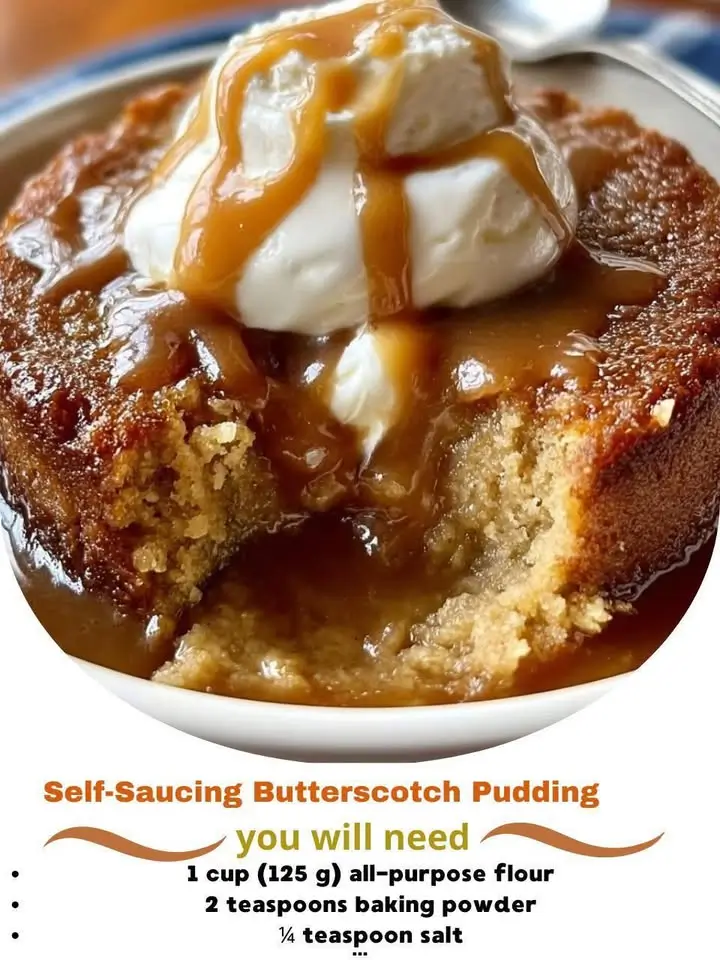
The Self-Saucing Butterscotch Pudding is one of those magical desserts that feels like a warm hug on a cold evening. With its rich, buttery flavor and the delightful surprise of a molten butterscotch sauce forming beneath a soft, cake-like topping during baking, this dessert has stood the test of time. It’s not just a treat for the taste buds—it’s an experience. Whether you’re serving it at a family dinner, a holiday gathering, or simply indulging in a quiet night in, this pudding never fails to impress. Simple ingredients come together in a single dish to create something truly extraordinary, making it a beloved staple in kitchens around the world.
The History of Self-Saucing Butterscotch Pudding
The origins of self-saucing puddings can be traced back to early 20th-century home cooking, particularly in British and American households where resourcefulness and simplicity were highly valued. During times when ovens were less precise and ingredients were often limited, bakers developed clever recipes that required minimal effort and equipment. The concept of a “self-saucing” dessert emerged as a way to deliver both texture and sauce without needing separate components or complicated techniques.
Butterscotch itself dates even further back—originating in England in the 19th century. Contrary to what some may assume, traditional butterscotch does not contain chocolate. Instead, it’s made from brown sugar and butter, sometimes with cream or corn syrup added for richness. The name likely comes from “scotching” or scorching the butter and sugar together to create a deep, caramelized flavor.
By the mid-1900s, especially during the Great Depression and post-war rationing periods, self-saucing puddings gained popularity because they used pantry staples like flour, sugar, butter, and milk. These humble ingredients could transform into a decadent dessert with nothing more than a mixing bowl and an oven. Self-saucing butterscotch pudding became a favorite variation due to its comforting sweetness and nostalgic warmth.
Today, the recipe lives on—not only as a retro classic but also as a modern comfort food favorite. It’s often featured in vintage cookbooks, passed down through generations, and reimagined by contemporary chefs who appreciate its elegant simplicity and foolproof results.
Ingredients Breakdown: What Makes This Pudding So Special?
The beauty of self-saucing butterscotch pudding lies in how each ingredient plays a crucial role in creating both the fluffy top layer and the luscious sauce underneath. Let’s take a closer look at what goes into this magical dessert:
- Brown Sugar (Dark or Light): This is the heart of the butterscotch flavor. Brown sugar contains molasses, which gives the pudding its deep, caramel-like taste and moist texture. Dark brown sugar adds a stronger molasses note, while light brown sugar offers a milder sweetness.
- Unsalted Butter: Provides richness and helps form the sauce. Using unsalted butter allows better control over salt levels. Melted and incorporated into both the batter and the sauce base, it ensures a smooth, velvety consistency.
- All-Purpose Flour: Acts as the structure-building agent in the batter. It helps the top layer rise slightly and hold together while remaining tender and sponge-like.
- Baking Powder: A leavening agent that gives the pudding its slight lift, helping it float above the sauce during baking.
- Milk: Adds moisture and contributes to the creamy texture. Whole milk is recommended for maximum richness, though lower-fat versions can work with slight trade-offs in flavor and mouthfeel.
- Vanilla Extract: Enhances overall flavor with its warm, aromatic notes. Pure vanilla extract is preferred for depth of flavor over artificial varieties.
- Hot Water or Boiling Liquid: This is key to the self-saucing magic. When poured over the batter, hot water reacts with the sugars and butter at the bottom of the dish, dissolving them into a molten butterscotch sauce as the pudding bakes.
- Salt: A pinch enhances all other flavors, balancing sweetness and bringing out the complexity of the butterscotch.
- Eggs (optional in some variations): Some recipes include eggs for extra richness and structure, resulting in a denser, custard-like texture.
Interestingly, there are no additional thickeners needed—the sauce forms naturally through heat and chemical reactions between the ingredients. This alchemy is part of what makes the dessert so fascinating and beloved.
Step-by-Step Recipe: How to Make Self-Saucing Butterscotch Pudding
Follow these detailed steps to create a perfectly balanced self-saucing butterscotch pudding with a golden crust and a river of warm sauce beneath.
Ingredients You’ll Need:
- ½ cup (1 stick / 115g) unsalted butter
- 1 cup (200g) packed dark brown sugar
- ¼ cup (30g) all-purpose flour
- 2 teaspoons baking powder
- ¼ teaspoon salt
- ½ cup (120ml) whole milk
- 1 teaspoon pure vanilla extract
- 1 cup (240ml) boiling water
Directions:
- Preheat your oven to 350°F (175°C). Grease a 6-cup casserole dish or a 2-quart rectangular baking dish lightly with butter or non-stick spray.
- Prepare the sauce base: In a small saucepan over medium heat, melt the ½ cup of butter. Stir in the brown sugar until well combined and slightly bubbling—about 2–3 minutes. Pour this mixture into the bottom of the prepared baking dish, spreading it evenly. Set aside.
- Make the batter: In a medium mixing bowl, whisk together the flour, baking powder, and salt. Add the milk and vanilla extract, stirring until smooth. The batter should be thin, similar to pancake batter.
- Assemble the pudding: Carefully pour the batter over the brown sugar-butter mixture in the baking dish. Do not stir. The batter will sit on top, and the sauce will form underneath during baking.
- Add the boiling water: Slowly pour the 1 cup of boiling water over the entire surface of the batter. Again, do not mix. This step may seem counterintuitive, but the hot water sinks through the batter and interacts with the sugary base to create the signature sauce.
- Bake for 45 to 50 minutes, or until the top is golden brown, set to the touch, and a toothpick inserted near the center comes out clean (though it may be wet from sauce if tested too close to the edge).
- Cool slightly: Remove from the oven and let rest for 10–15 minutes before serving. This allows the sauce to settle and the layers to stabilize.
- Serve warm: Spoon into bowls, ensuring each serving gets both the cake-like top and plenty of the gooey butterscotch sauce from the bottom.
This dessert is best enjoyed fresh out of the oven, ideally with a scoop of vanilla ice cream or a drizzle of whipped cream on top.
Tips for Perfect Self-Saucing Butterscotch Pudding Every Time
While this recipe is remarkably forgiving, a few expert tips can elevate your results from good to outstanding:
- Use real butter and quality vanilla: Since this is a minimalist recipe, the quality of ingredients shines through. Opt for high-quality unsalted butter and pure vanilla extract.
- Don’t skip preheating the oven: A properly heated oven ensures even rising and consistent sauce formation. Cold ovens can lead to uneven cooking.
- Resist the urge to stir: One of the most common mistakes is stirring the layers together after adding the batter or water. Trust the process—the separation is essential for the self-saucing effect.
- Pour boiling water carefully: Use a kettle or microwave-safe jug to ensure the water is truly boiling. Pour slowly around the edges to minimize disturbance to the batter.
- Choose the right dish: Use a ceramic or glass baking dish with straight sides and a capacity of about 2 quarts. Avoid shallow pans—they increase the risk of overflow.
- Watch baking time closely: Ovens vary, so start checking at 40 minutes. Overbaking can dry out the top layer, while underbaking leaves a runny center.
- Let it rest before serving: Allowing the pudding to sit for 10–15 minutes helps the sauce thicken slightly and makes scooping easier.
- Serve immediately: This pudding is designed to be eaten warm. The contrast between the soft cake and hot sauce diminishes as it cools.
Variations and Customizations
Once you’ve mastered the classic version, feel free to experiment with creative twists. Here are several delicious variations:
- Butterscotch Rum Pudding: Add 1–2 tablespoons of dark rum to the batter for a grown-up twist. The alcohol enhances the caramel notes and adds complexity.
- Spiced Butterscotch: Stir ½ teaspoon of ground cinnamon, a pinch of nutmeg, or a dash of ginger into the dry ingredients for a spiced holiday flair.
- Gluten-Free Version: Replace all-purpose flour with a 1:1 gluten-free baking blend. Make sure it contains xanthan gum or add ¼ teaspoon separately for proper texture.
- Dairy-Free Option: Substitute butter with coconut oil or vegan butter, and use almond milk, oat milk, or soy milk instead of dairy milk.
- Chocolate Swirl: Melt ¼ cup of chocolate chips and swirl into the batter before adding the water for a butterscotch-chocolate fusion.
- Nutty Crunch: Sprinkle chopped pecans or walnuts over the batter before pouring the water for added texture and flavor.
- Larger Batch for Crowds: Double the recipe and bake in a 9×13-inch dish. Increase baking time to 55–60 minutes and monitor closely.
- Mini Individual Puddings: Divide the ingredients among ramekins or muffin tins for charming single servings. Reduce baking time to 30–35 minutes.
- Salted Caramel Style: Sprinkle a tiny bit of flaky sea salt on top before serving to enhance the sweet-salty balance.
- Fruit-Infused: Layer sliced bananas or apples at the bottom of the dish before adding the sauce base for a fruity twist.
Health Considerations and Nutritional Value
While undeniably delicious, self-saucing butterscotch pudding is a dessert best enjoyed in moderation due to its sugar and fat content. Here’s a general nutritional breakdown per serving (based on 6 servings):
- Calories: ~380–420 kcal
- Total Fat: ~18–20g (mostly from butter)
- Saturated Fat: ~11g
- Cholesterol: ~45mg
- Sodium: ~180–200mg
- Total Carbohydrates: ~55–60g
- Sugars: ~40–45g (primarily from brown sugar)
- Protein: ~3–4g
- Fiber: ~0.5g (unless modified with whole grain flour)
Health Notes:
- This dessert is high in added sugars and saturated fats. Individuals managing diabetes, heart health, or weight should consume it sparingly.
- There is minimal fiber or protein, so pairing it with a source of protein (like Greek yogurt on the side) can help balance blood sugar response.
- Kosher and halal versions can be made using certified ingredients.
- For reduced-sugar options, consider using a brown sugar substitute like monk fruit blend, though results may vary in texture and browning.
- To boost nutrition, serve with fresh berries (e.g., raspberries or strawberries), which add antioxidants, fiber, and natural tartness to offset sweetness.
Frequently Asked Questions (FAQ)
Q: Why doesn’t my pudding have sauce?
A: Most likely, the boiling water wasn’t hot enough, or the dish was stirred after assembly. Ensure you use freshly boiled water and avoid mixing the layers.
Q: Can I make this ahead of time?
A: While best served fresh, you can prepare the dry and wet components in advance and assemble just before baking. Reheating leftovers works well with a splash of milk and a quick warm-up in the microwave.
Q: Can I freeze self-saucing butterscotch pudding?
A: Freezing is not recommended, as the texture of the sauce and cake layer may become grainy or separated upon thawing. Enjoy within 2–3 days stored covered in the refrigerator.
Q: Why is my pudding too runny?
A: Underbaking is the usual culprit. Bake until the top is firm and a tester comes out clean from the cake portion. Also, ensure accurate measurements—too much liquid can throw off the balance.
Q: Can I use light brown sugar instead of dark?
A: Yes, but the flavor will be milder. For deeper butterscotch taste, stick with dark brown sugar.
Q: Is this the same as sticky toffee pudding?
A: No. Sticky toffee pudding uses dates in the batter and typically has a toffee sauce poured over it. Self-saucing butterscotch pudding creates its sauce internally during baking and doesn’t usually include fruit.
Q: Can I add eggs to make it richer?
A: Absolutely! Adding one beaten egg to the batter will give it a denser, more custard-like texture. Adjust baking time by +5–10 minutes if needed.
Q: What can I serve with it?
A: Vanilla ice cream is classic. Whipped cream, crème anglaise, Greek yogurt, or even a dollop of mascarpone cheese are excellent pairings.
Summary
Self-Saucing Butterscotch Pudding is a timeless dessert that transforms simple pantry ingredients into a luxurious, warm treat with a magical sauce that forms during baking. Easy to make and endlessly customizable, it’s comfort food at its finest—perfect for cozy nights and special occasions alike.