Introduction
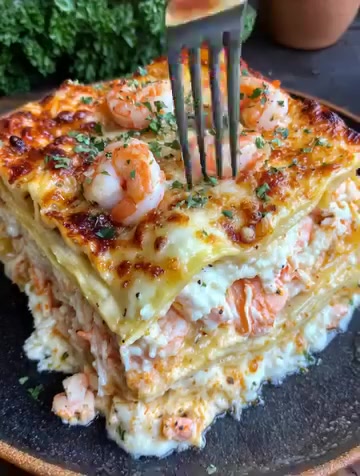
Seafood Lasagna with Shrimp & Crab is a luxurious, restaurant-worthy twist on the beloved Italian classic—elevating traditional lasagna with the delicate sweetness of premium ocean treasures. Unlike its meat- or vegetable-based counterparts, this version celebrates the briny elegance of sustainably sourced shrimp and lump crab meat, layered harmoniously with creamy béchamel, rich tomato-infused marinara, tender pasta sheets, and a golden crown of melted cheeses. It’s a dish that bridges coastal Mediterranean inspiration with hearty Italian comfort—ideal for special occasions, holiday feasts, or when you simply want to treat yourself (and your guests) to an unforgettable culinary experience. Whether you’re hosting an elegant dinner party, impressing seafood-loving in-laws, or seeking a nourishing yet indulgent weeknight upgrade, this seafood lasagna delivers depth, texture, and sophistication in every forkful.
The History
While lasagna itself traces its origins to medieval Italy—first documented in the 13th-century text De Honesta Voluptate et Valetudine by Bartolomeo Sacchi (known as Platina)—seafood lasagna is a relatively modern evolution born from regional coastal adaptations and global culinary cross-pollination. In southern Italy—particularly along the Amalfi Coast, Sicily, and Puglia—fishermen’s families historically incorporated local catches like clams, mussels, and small whole fish into baked pasta dishes, often using simple olive oil–based sauces rather than heavy ricotta or béchamel. However, the fusion of classic layered lasagna structure with shellfish didn’t gain widespread popularity until the mid-to-late 20th century, as refrigeration improved access to fresh and frozen seafood nationwide and American-Italian chefs began experimenting beyond tradition. The inclusion of both shrimp and crab—especially jumbo lump blue crab—is a hallmark of upscale American interpretations, influenced by Chesapeake Bay traditions and refined by fine-dining establishments in cities like New Orleans, Miami, and San Francisco. Today, Seafood Lasagna with Shrimp & Crab stands as a testament to culinary innovation: honoring centuries-old layering techniques while embracing the bounty, seasonality, and sustainability values of contemporary gastronomy.
Ingredients Breakdown
Every exceptional seafood lasagna begins with intentionality—not just in selection, but in understanding how each component contributes to balance, texture, and depth. Below is a detailed breakdown of why each ingredient matters:
- Fresh Jumbo Lump Crab Meat: Sourced from Atlantic or Gulf blue crabs, this is the crown jewel—sweet, tender, and minimally processed. Its delicate flavor and flaky texture dissolve luxuriously into the sauce without overpowering. Always pick over for cartilage and rinse gently in cold water to remove excess brine; never use canned or imitation crab, as it lacks authenticity and introduces unwanted sodium and phosphates.
- Large Raw Shrimp (21/25 or 26/30 count): Peeled, deveined, and tails removed—preferably wild-caught Gulf or Pacific shrimp for optimal sweetness and firmness. Briefly sautéed in garlic and white wine before layering, they retain plumpness and avoid rubberiness. Avoid pre-cooked shrimp, which can become tough and grainy during baking.
- No-Boil Lasagna Noodles: Engineered to absorb moisture directly from the sauce during baking, these eliminate the need for pre-cooking and reduce risk of mushiness. Look for high-protein, bronze-die extruded varieties for superior sauce adhesion and structural integrity. Gluten-free options made from brown rice or lentil flour work beautifully for dietary needs—if using regular boiled noodles, undercook by 2 minutes to prevent disintegration.
- House-Made Béchamel Sauce: Far more than “white sauce,” this is the binding soul of the dish—rich with whole milk infused with onion, bay leaf, and nutmeg, thickened slowly with a butter–flour roux. Its velvety mouthfeel balances acidity, carries umami, and prevents dryness. A splash of dry sherry or a grating of aged Gruyère stirred in at the end adds subtle complexity.
- Slow-Simmered Marinara: Not jarred—but crafted from San Marzano tomatoes, slow-cooked with caramelized onions, roasted garlic, fresh basil stems, and a whisper of Calabrian chili for gentle warmth. Tomato paste is double-fried in olive oil to deepen color and richness, while a splash of dry vermouth deglazes the pan and lifts aromatic notes.
- Triple-Cheese Blend: A carefully calibrated trio: creamy whole-milk ricotta (drained overnight for silkiness), sharp Parmigiano-Reggiano (aged minimum 24 months for crystalline nuttiness), and mild, melt-prone mozzarella di bufala or high-moisture fior di latte. No pre-shredded cheese—grating fresh ensures ideal melting behavior and avoids anti-caking agents that inhibit cohesion.
- Aromatics & Seasonings: Fresh tarragon (not parsley or dill—its anise-tinged brightness cuts through richness), lemon zest (added only to the seafood layer to preserve volatile oils), and a final dusting of toasted panko mixed with Old Bay seasoning for textural contrast and coastal nuance.
Step-by-Step Recipe
- Prep the Seafood: Pat shrimp and crab dry with paper towels. Heat 2 tbsp olive oil in a large nonstick skillet over medium heat. Add 3 minced garlic cloves and ½ tsp red pepper flakes; sauté 30 seconds until fragrant. Add shrimp and cook 1–2 minutes per side until opaque but still springy. Remove shrimp; set aside. Deglaze skillet with ¼ cup dry white wine (e.g., Pinot Grigio), scraping up browned bits. Simmer 2 minutes, then stir in crab, 2 tbsp chopped fresh tarragon, 1 tsp lemon zest, and ¼ tsp freshly grated nutmeg. Cool completely—refrigerate 15 minutes to firm up.
- Make the Béchamel: In a heavy-bottomed saucepan, warm 3 cups whole milk with 1 small peeled onion studded with 3 cloves, 1 bay leaf, and ¼ tsp white peppercorns. Simmer gently 10 minutes; strain and discard solids. Melt ½ cup unsalted butter in same pan; whisk in ½ cup all-purpose flour. Cook roux 3 minutes until pale gold and nutty. Gradually whisk in warm milk, ½ cup at a time, whisking constantly to prevent lumps. Simmer 8–10 minutes until thick enough to coat the back of a spoon. Stir in ½ tsp freshly grated nutmeg, 1 tsp salt, and ¼ tsp white pepper. Cool slightly, then fold in 1½ cups drained ricotta and 1 cup grated Parmigiano-Reggiano.
- Prepare the Marinara: In a Dutch oven, heat 3 tbsp olive oil. Sauté 1 finely diced yellow onion and 2 minced garlic cloves until translucent (5 min). Add 2 tbsp tomato paste; cook 4 minutes until brick-red and fragrant. Stir in 28 oz crushed San Marzano tomatoes, 1 tsp dried oregano, 1 tsp sugar, 1 tbsp chopped basil stems, and ½ cup dry vermouth. Simmer uncovered 35–45 minutes until reduced by ⅓ and glossy. Season with sea salt and black pepper. Cool to room temperature.
- Assemble the Lasagna: Preheat oven to 375°F (190°C). Lightly grease a 9×13-inch deep ceramic or stainless-steel baking dish. Spread ¾ cup marinara on bottom. Layer 4 no-boil noodles (slightly overlapping). Top with ⅓ of béchamel mixture, spreading evenly. Dollop ⅓ of seafood mixture over béchamel and gently spread. Repeat layers two more times (noodles → béchamel → seafood), ending with a final noodle layer. Top with remaining marinara (about 1 cup), then 1½ cups shredded mozzarella and ½ cup grated Parmigiano-Reggiano. Sprinkle with ¼ cup toasted panko mixed with 1 tsp Old Bay and 1 tbsp chopped tarragon.
- Bake & Rest: Cover tightly with parchment-lined aluminum foil (to trap steam and ensure noodle tenderness). Bake 35 minutes. Remove foil; bake uncovered 20–25 minutes until top is deeply golden, bubbling at edges, and internal temperature reaches 165°F (74°C) in center. Let rest uncovered for full 30 minutes—this allows layers to set, prevents sliding, and lets residual heat finish cooking the noodles without sogginess.
Tips
- Chill Your Seafood Mixture: Cooling the shrimp-crab blend before assembly prevents premature melting of cheeses and keeps layers distinct—warm seafood releases moisture that can make béchamel weep.
- Drain Ricotta Like a Pro: Line a fine-mesh strainer with cheesecloth; add ricotta and refrigerate overnight. You’ll gain ~30% less water—and twice the creaminess.
- Layer with Precision: Use an offset spatula to spread béchamel thinly and evenly—too thick, and it pools; too thin, and noodles dry out. For seafood, gently fold in with a silicone spatula to avoid breaking crab lumps.
- Prevent Burnt Edges: Rotate the dish halfway through uncovered baking. If corners brown too fast, tent loosely with foil again.
- Rest Is Non-Negotiable: Cutting too soon causes collapse and sauce separation. Set a timer—30 minutes minimum. For best results, assemble up to 12 hours ahead and refrigerate unbaked (add 10–15 extra minutes to covered bake time).
- Use a Thermometer: Insert an instant-read thermometer into the center before serving—165°F ensures food safety *and* signals ideal cohesiveness of proteins and starches.
- Serve with Purpose: Offer lemon wedges, extra tarragon, and crusty sourdough rubbed with garlic and olive oil—not just garnish, but functional acidity and texture enhancers.
Variations and Customizations
This recipe is designed to be adaptable without compromising integrity—whether accommodating dietary needs, seasonal availability, or regional preferences:
- Shellfish Swaps: Replace crab with 1 cup chopped, sautéed scallops (dry-seared first to lock in sweetness) or 1½ cups steamed, shelled mussels (reserve broth to enrich marinara). For a budget-friendly option, use surimi-free “seafood medley” blends containing pollock, haddock, and real crab extract—always verify MSC certification.
- Vegetarian Seafood-Style Version: Substitute hearts of palm (julienned and marinated in seaweed-infused tamari + lemon juice) and king oyster mushrooms (sliced thin, seared until chewy) for shrimp and crab. Add 1 tbsp dulse flakes to béchamel for oceanic umami.
- Dairy-Free Adaptation: Use cashew-based béchamel (soaked raw cashews blended with nutritional yeast, garlic, and almond milk), coconut milk–infused marinara (with added miso for depth), and dairy-free mozzarella shreds that melt well (e.g., Miyoko’s or Violife). Ensure noodles are egg-free.
- Gluten-Free Build: Opt for certified GF no-boil noodles (Tinkyada or Barilla GF) and replace flour in béchamel with equal parts gluten-free all-purpose blend + 1 tsp xanthan gum. Confirm all seasonings (Old Bay, etc.) are GF-certified.
- Spice-Forward Interpretation: Infuse marinara with 1 tsp smoked paprika and ½ tsp chipotle powder; swap tarragon for cilantro and lime zest; top with pickled red onions and avocado crema.
- Low-Carb/Keto Option: Replace noodles with thinly sliced zucchini ribbons (salted, pressed, and patted dry) or blanched cabbage leaves. Increase béchamel thickness by reducing milk by ¼ cup and adding 2 tbsp cream cheese.
- Make-Ahead & Freezer Guide: Assemble fully, wrap in double layers of plastic + foil, and freeze up to 3 months. Thaw overnight in fridge before baking—add 15 minutes to covered time. Individual portions freeze beautifully in parchment-lined ramekins for gourmet freezer meals.
Health Considerations and Nutritional Value
Far from being merely decadent, Seafood Lasagna with Shrimp & Crab offers impressive nutritional density when prepared mindfully. A standard 1-cup serving (approx. 1/9 of the full recipe) provides approximately:
- Calories: 420–460 kcal (moderate for a main course, especially considering satiety from protein and fiber)
- Protein: 32–36 g — primarily from high-biological-value shrimp and crab, rich in all nine essential amino acids, plus casein from cheeses for sustained muscle support.
- Omega-3 Fatty Acids: ~750 mg EPA+DHA — supporting cardiovascular health, neurocognitive function, and inflammation modulation. Crab alone contributes ~350 mg per 3-oz serving; shrimp adds astaxanthin, a potent antioxidant carotenoid.
- Vitamins & Minerals: Exceptional source of vitamin B12 (320% DV), selenium (180% DV), zinc (45% DV), and copper (40% DV)—all critical for immune resilience, DNA repair, and thyroid metabolism. Tomatoes supply lycopene (enhanced by olive oil cooking), while tarragon delivers trace manganese and iron.
- Fiber & Complex Carbs: ~6 g dietary fiber (from whole-wheat no-boil noodles, if used) supports gut microbiota diversity and glycemic control. Even standard noodles contribute resistant starch when cooled slightly post-bake.
- Sodium Considerations: Naturally low in sodium (shrimp: ~100 mg/3 oz; crab: ~150 mg/3 oz), though marinara and cheese contribute most—control with low-sodium tomato products, minimal added salt, and finishing herbs instead of salt-heavy seasonings.
- Allergen Notes: Contains shellfish (crustaceans), dairy, wheat/gluten, and eggs. Safe for those avoiding soy, tree nuts, peanuts, and fish—but always verify sourcing for cross-contamination warnings.
- Heart-Healthy Tweaks: Use part-skim ricotta, reduce cheese topping by 25%, increase vegetable ratio (add spinach purée to béchamel or roasted fennel to marinara), and choose extra-virgin olive oil exclusively.
Consult a registered dietitian for personalized modifications—especially for hypertension, renal concerns, or histamine sensitivity (note: aged cheeses and prolonged seafood storage may elevate histamine levels).
Ingredients
- 1 lb jumbo lump blue crab meat, picked over and gently rinsed
- 1 lb large raw shrimp (21/25 count), peeled, deveined, tails removed
- 2 tbsp extra-virgin olive oil, plus more for drizzling
- 4 garlic cloves, minced (divided)
- ½ tsp crushed red pepper flakes
- ¼ cup dry white wine (e.g., Pinot Grigio or Sauvignon Blanc)
- 2 tbsp fresh tarragon, finely chopped (plus extra for garnish)
- 1 tsp lemon zest (from 1 organic lemon)
- ¼ tsp freshly grated nutmeg
- 12 no-boil lasagna noodles (regular or gluten-free)
- 3 cups whole milk
- 1 small yellow onion, peeled and studded with 3 whole cloves
- 1 bay leaf
- ¼ tsp white peppercorns
- ½ cup unsalted butter
- ½ cup all-purpose flour (or GF blend)
- 1½ cups whole-milk ricotta, drained overnight
- 1 cup grated Parmigiano-Reggiano (aged 24+ months)
- 3 tbsp tomato paste
- 28 oz canned San Marzano tomatoes, crushed by hand
- 1 tsp dried oregano
- 1 tsp organic cane sugar
- 1 tbsp chopped fresh basil stems (reserve leaves for garnish)
- ½ cup dry vermouth or additional white wine
- 1½ cups fresh mozzarella, shredded (low-moisture or bufala)
- ¼ cup panko breadcrumbs, toasted
- 1 tsp Old Bay seasoning
- Sea salt and freshly ground black pepper, to taste
Directions
- Prepare seafood: In a large skillet over medium heat, warm 2 tbsp olive oil. Add half the minced garlic and red pepper flakes; sauté 30 seconds. Add shrimp in single layer; cook 1–2 minutes per side until pink and opaque. Transfer to plate; let cool. Pour off excess oil, leaving ~1 tsp. Add remaining garlic; sauté 15 seconds. Deglaze with white wine; simmer 2 minutes. Stir in crab, tarragon, lemon zest, and nutmeg. Cool completely—refrigerate 15 minutes.
- Make béchamel: In saucepan, combine milk, clove-studded onion, bay leaf, and white peppercorns. Simmer gently 10 minutes; strain. In same pan, melt butter; whisk in flour. Cook roux 3 minutes. Gradually whisk in warm milk. Simmer 8–10 minutes until thickened. Stir in salt, white pepper, nutmeg. Cool slightly; fold in ricotta and 1 cup Parmigiano.
- Make marinara: In Dutch oven, heat 3 tbsp olive oil. Sauté onion until soft (5 min). Add garlic; cook 1 minute. Stir in tomato paste; cook 4 minutes. Add tomatoes, oregano, sugar, basil stems, vermouth. Simmer uncovered 35–45 minutes until reduced and glossy. Cool.
- Assemble: Preheat oven to 375°F. Grease 9×13-inch dish. Spread ¾ cup marinara. Layer 4 noodles. Spread ⅓ béchamel. Dollop ⅓ seafood mix; spread gently. Repeat twice. Top with final noodle layer, remaining marinara, mozzarella, Parmigiano, and panko–Old Bay mixture.
- Bake: Cover tightly with parchment-lined foil. Bake 35 minutes. Uncover; bake 20–25 minutes until golden and bubbling. Rest 30 minutes before slicing.
FAQ
- Can I use frozen shrimp and crab?
- Yes—but thaw slowly in the refrigerator overnight. Never microwave or run under hot water, as it degrades texture and leaches nutrients. Pat extremely dry before cooking to prevent steaming instead of sautéing.
- Why does my lasagna turn watery?
- Three common culprits: (1) Undrained ricotta—always strain overnight; (2) Warm seafood added to cool layers—chill thoroughly; (3) Under-reduced marinara—simmer until thick enough to mound on a spoon without running. Also, skipping the rest period guarantees leakage.
- Can I make this vegetarian but still “seafood-inspired”?
- Absolutely. Try hearts of palm + king oyster mushrooms + nori-infused béchamel + dulse flakes + kelp salt. Serve with seaweed salad and wasabi aioli for authentic oceanic resonance.
- How do I store leftovers?
- Cool completely. Cover tightly and refrigerate up to 4 days. Reheat individual portions in oven at 325°F (covered with foil) for 20 minutes—or in air fryer at 350°F for 8–10 minutes for crisp-top revival. Freeze for up to 3 months in airtight containers.
- Is crab meat safe to eat raw in this dish?
- No—commercially sold pasteurized lump crab is *cooked*, not raw. It’s safe to use as-is, but must be chilled and handled hygienically. Never substitute unpasteurized or home-steamed crab unless fully cooked to 145°F prior to assembly.
- What wine pairs best with this lasagna?
- A mineral-driven, medium-bodied white: Vermentino from Sardinia, Albariño from Rías Baixas, or a lightly oaked Chardonnay from Sonoma Coast. For red lovers, try a chilled, low-tannin Frappato or Gamay.
- Can I prepare components ahead?
- Yes! Marinara keeps 1 week refrigerated or 6 months frozen. Béchamel lasts 5 days refrigerated (rewhisk before using). Seafood mixture holds 2 days. Assemble up to 12 hours ahead and refrigerate unbaked.
- Why use no-boil noodles instead of regular?
- No-boil noodles absorb liquid predictably and maintain al dente integrity through long baking. Boiled noodles release starch that can glue layers together *too* tightly—or break down entirely. They also reduce active prep time and eliminate risk of overcooking.
Summary
Seafood Lasagna with Shrimp & Crab is a masterclass in layered luxury—melding sweet, briny shellfish with silken béchamel, vibrant marinara, and artisan cheeses between tender no-boil noodles, all crowned with herb-kissed crunch.
It’s nutritionally robust, deeply customizable, steeped in coastal tradition yet boldly contemporary—proof that the most memorable comfort food doesn’t sacrifice elegance, integrity, or wellness.