Introduction
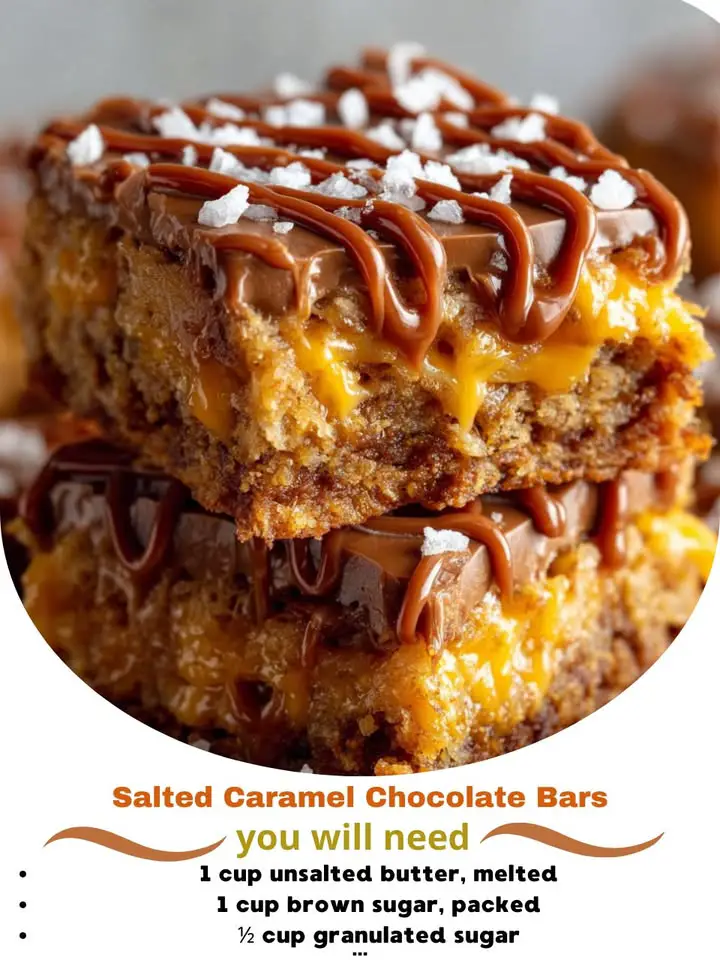
Salted caramel chocolate bars are a decadent, modern confectionary masterpiece that marries the deep, bittersweet richness of high-quality chocolate with the luscious, buttery sweetness of slow-simmered caramel—elevated by a precise, artful sprinkle of flaky sea salt. These bars deliver an unforgettable sensory experience: the crisp snap of tempered chocolate gives way to a velvety, chewy caramel layer that melts luxuriously on the tongue, while the salt cuts through the sweetness with bright, mineral complexity. More than just a dessert, they’ve become a cultural phenomenon—featured in gourmet bakeries, artisanal chocolatiers, and home kitchens worldwide—and symbolize the perfect balance of indulgence and sophistication. Whether served at dinner parties, gifted in elegant packaging, or enjoyed as a well-deserved personal treat, salted caramel chocolate bars embody the golden rule of modern pastry: contrast is king.
The History
The origins of salted caramel chocolate bars lie at the intersection of two distinct culinary evolutions. Salted caramel itself traces back to 1977 in Quiberon, Brittany, France, where chocolatier Henri Le Roux accidentally discovered the magic of adding coarse sea salt (fleur de sel) to his traditional caramel while making caramels for local fishermen. His “Caramel au Sel” became an instant regional icon and later a national obsession—eventually inspiring chefs across Europe and North America. Meanwhile, chocolate bar innovation surged in the late 20th century with the rise of premium dark chocolate (70%+ cacao) and bean-to-bar craftsmanship. The fusion of these two trends gained momentum in the early 2000s, notably catalyzed by French-American chef Jacques Torres, who began incorporating salted caramel into chocolate confections at his New York boutique. By 2008–2010, major brands like Godiva and Lindt launched commercial salted caramel chocolate bars, but it was the viral success of homemade versions on food blogs (especially during the Great Recession’s “comfort baking” wave) that cemented their status as a pantry essential. Today, they represent a global palate shift toward layered, nuanced sweetness—and a testament to how a single ingredient (sea salt) can redefine centuries-old traditions.
Ingredients Breakdown
Every exceptional salted caramel chocolate bar begins not with technique—but with intentional, traceable ingredients. Below is a meticulous, chef-level breakdown—including why each matters and what to avoid:
- Dark Chocolate (65–72% cacao): The backbone. Opt for single-origin or certified bean-to-bar chocolate with notes of red fruit, roasted nuts, or tobacco—not overly acidic or vegetal. Avoid “chocolate-flavored coating” or products with palm oil or artificial emulsifiers (e.g., PGPR), which compromise snap and mouthfeel.
- Granulated Sugar: Pure cane sugar is ideal for clean caramelization. Do not substitute brown sugar or coconut sugar—the molasses content lowers the smoke point and introduces unwanted acidity and crystallization risk.
- Heavy Cream (36–40% milk fat): Critical for richness and emulsification. Ultra-pasteurized (UHT) cream works but may yield a slightly less nuanced flavor; prefer pasteurized, local dairy when possible. Never use half-and-half or milk—insufficient fat leads to separation and graininess.
- Unsalted Butter (European-style, 82–84% fat): Adds silkiness and prevents caramel from becoming brittle. Cultured butter enhances depth; avoid salted butter unless you’re adjusting salt levels precisely.
- Flaky Sea Salt (Maldon, Fleur de Sel, or Jacobsen): Not table salt. Its delicate crystals dissolve slowly, delivering bursts of salinity—not a harsh, uniform brine. Sprinkle *after* pouring caramel and *just before* chocolate sets for optimal texture and visual appeal.
- Vanilla Extract (Pure, Madagascar Bourbon): Enhances caramel’s toasty notes without overpowering. Imitation vanilla contains coumarin and lacks aromatic complexity—skip it entirely.
- Light Corn Syrup (optional but recommended): A small amount (1 tsp per cup of sugar) inhibits crystallization without altering flavor. Organic glucose syrup is a cleaner alternative for those avoiding corn derivatives.
Optional enhancements include a pinch of espresso powder (to deepen chocolate notes), a drop of smoked sea salt (for umami nuance), or a swirl of toasted almond butter in the caramel layer for textural intrigue.
Step-by-Step Recipe
This recipe yields a professional-grade, 9×13-inch pan of bars (approx. 24 servings) with three distinct, flawlessly bonded layers. Precision in timing, temperature, and sequence is non-negotiable.
- Prepare Your Workspace: Line a 9×13-inch metal baking pan with two overlapping sheets of parchment paper, leaving 2-inch overhangs on all sides. Lightly grease exposed edges. Chill pan in freezer for 15 minutes. Calibrate your candy thermometer—it must read 32°F (0°C) in ice water and 212°F (100°C) in boiling water at sea level.
- Temper the Chocolate (Layer 1): Finely chop 18 oz (510 g) dark chocolate. Melt ⅔ using the double-boiler method (bowl over simmering—not boiling—water, stirring constantly). Remove from heat at 115°F (46°C) for dark chocolate. Add remaining ⅓ chopped chocolate; stir until fully melted and cooled to 88–90°F (31–32°C). Test temper: spread a thin smear on chilled plate—if it sets glossy and firm in 3 minutes at room temp, it’s ready. Pour into chilled pan, tilt to coat evenly, then refrigerate 10 minutes until set but not cold.
- Make the Caramel (Layer 2): In a heavy-bottomed, light-colored 3-qt saucepan (for easy color monitoring), combine 1½ cups (300 g) granulated sugar, ¼ cup (60 ml) light corn syrup, ¼ tsp cream of tartar, and ¼ cup (60 ml) water. Stir *only* until moistened—no further stirring once heated. Cook over medium-high heat, swirling gently (never stirring) until sugar dissolves (~4 min). Insert thermometer. Continue cooking—without stirring—until mixture reaches 320°F (160°C), deep amber color, and smells nutty (~6–8 min more). Immediately remove from heat. Carefully whisk in 1 cup (240 ml) hot heavy cream (pre-heated to 180°F/82°C—cold cream causes dangerous splattering). Whisk vigorously until smooth. Add 6 tbsp (85 g) cubed unsalted butter, 1 tsp vanilla, and ¼ tsp fine sea salt. Stir until fully incorporated. Return to low heat for 1 minute to thicken slightly. Remove and cool 5 minutes—caramel should be pourable but not runny (160–170°F / 71–77°C).
- Assemble & Layer: Pour warm caramel evenly over set chocolate base. Tilt pan gently to spread. Tap firmly on counter 3 times to release air bubbles. Immediately sprinkle 1½ tsp flaky sea salt *evenly* across surface. Refrigerate 30 minutes until caramel is completely firm to touch (not sticky).
- Top Chocolate Layer (Layer 3): Re-melt remaining 6 oz (170 g) chocolate using same tempering method. Cool to 88–90°F (31–32°C). Pour over chilled caramel layer. Use an offset spatula to spread smoothly. Tap pan again. Optional: drag a toothpick in parallel lines for a marbled effect. Refrigerate 2 hours—or freeze 45 minutes—for clean, sharp cuts.
- Finish & Cut: Lift bars from pan using parchment overhangs. Place on cutting board. With a large, sharp chef’s knife dipped in hot water and wiped dry between cuts, slice into 1½-inch squares. Wipe knife after every 2–3 cuts. Store uncut bars wrapped tightly in parchment + foil at cool room temp (60–68°F / 15–20°C) for up to 5 days, or refrigerate for up to 3 weeks.
Tips
- Thermometer Is Non-Negotiable: Caramel is chemistry—10°F off means grainy, burnt, or soupy results. Digital probe thermometers with clip-on stands (like ThermoWorks ChefAlarm) are worth every penny.
- Control Humidity: Make bars on low-humidity days (<60% RH). High moisture causes chocolate blooming (white streaks) and caramel sweating. Run AC or dehumidifier if needed.
- Prevent Crystallization: Never scrape pot sides into caramel—sugar crystals there seed graininess. If crystals form, re-melt with 1 tbsp water and restart cook.
- Chocolate Thickness Matters: First layer should be ~⅛ inch thick—too thin cracks; too thick overwhelms caramel. Use a bench scraper to level before chilling.
- Salt Timing is Everything: Sprinkle salt *only* after caramel is poured and *before* it skins over (within 90 seconds). Late application sinks; early application dissolves.
- Cut Cold, Serve Slightly Chilled: Bars cut best at 45°F (7°C). Let sit at room temp 5 minutes before serving for optimal melt-in-mouth texture.
- Fix Common Issues: Grainy caramel? Blend with immersion blender on low for 10 seconds. Soft caramel? Chill longer or add ½ tsp gelatin bloom (1 tsp cold water + ¼ tsp gelatin, bloomed 5 min, microwaved 5 sec, stirred in off-heat). Dull chocolate? Re-temper or polish with food-grade cocoa butter spray.
Variations and Customizations
Once you master the classic, unleash creativity with these chef-tested riffs—each preserving structural integrity while adding dimension:
- Smoked Sea Salt & Toasted Pecan: Replace flaky salt with 1 tsp smoked sea salt + 1 cup finely chopped, toasted pecans folded into warm caramel pre-pour.
- Espresso-Dark Chocolate Swirl: After pouring top chocolate layer, drizzle 2 tbsp dissolved instant espresso (1 tsp espresso + 1 tsp hot water) and marble with toothpick.
- Vegan & Refined-Sugar-Free: Use 18 oz vegan dark chocolate (cocoa butter-based, no soy lecithin), replace cream with full-fat coconut milk (simmered 10 min to reduce), swap sugar for organic coconut sugar + 1 tbsp maple syrup (reduce cook time by 2 min), and use coconut oil instead of butter.
- White Chocolate–Brown Butter Caramel: Swap dark chocolate for high-cacao white chocolate (32%+ cocoa butter); brown 8 tbsp butter before adding to caramel; add ½ tsp ground cardamom.
- Spiced Date Caramel: Replace ¼ cup sugar with ½ cup pitted, soaked Medjool dates (blended smooth with 2 tbsp cream); add ¼ tsp cinnamon + ⅛ tsp cayenne.
- Boozy Infusion: Stir 1 tbsp bourbon, rum, or Grand Marnier into warm caramel off-heat (alcohol evaporates partially but leaves aroma). Reduce cream by 1 tbsp to compensate.
- Crunch Layers: Press ⅓ cup crushed pretzels, roasted pistachios, or feuilletine into top chocolate layer before chilling.
Pro Tip: For gift-giving, package bars in gold-foiled boxes lined with wax paper, tied with twine and dried lavender sprigs—or dip individual bars halfway in contrasting chocolate (e.g., milk over dark) and roll edges in crushed sea salt.
Health Considerations and Nutritional Value
A single 1.5-ounce (42g) salted caramel chocolate bar (homemade, using premium ingredients) contains approximately:
- Calories: 220–240 kcal
- Total Fat: 14–16 g (8–9 g saturated)
- Carbohydrates: 22–25 g (20–22 g sugars)
- Protein: 2–3 g
- Fiber: 1–2 g (from cacao solids)
- Sodium: 110–150 mg (varies with salt type and quantity)
Nutritional Highlights:
- Antioxidants: Dark chocolate (70%+) delivers flavanols linked to improved endothelial function and reduced oxidative stress. One bar provides ~15–20 mg epicatechin—the threshold for measurable vascular benefits.
- Minerals: Significant magnesium (15% DV), iron (6% DV), copper (25% DV), and manganese (40% DV)—all vital for energy metabolism and neural health.
- Gut Health: Raw cacao contains prebiotic fiber and polyphenols shown in clinical trials to increase Bifidobacterium and Lactobacillus populations.
Considerations & Moderation Guidance:
- Sugar Load: While natural, 20g+ added sugar per bar exceeds WHO’s recommended <25g/day limit. For daily consumption, reduce portion to ½ bar (21g) or use date-sweetened caramel variants.
- Caffeine Content: ~25–35 mg per bar (equivalent to ¼ cup green tea)—safe for most, but sensitive individuals may experience jitteriness or sleep disruption if consumed after 2 PM.
- Heavy Metals: Some cocoa powders contain trace cadmium/lead. Choose brands tested by Labdoor or ConsumerLab (e.g., Ghirardelli, Valrhona) and limit intake to ≤3 servings/week if pregnant or nursing.
- Allergens: Naturally gluten-free and soy-free (if using soy-free chocolate). Always verify labels—many “dark chocolates” contain soy lecithin or barley grass additives.
- Mindful Indulgence: Pair with a cup of green tea (enhances flavanol absorption) and consume mindfully—savoring each bite slows consumption and increases satiety signaling.
Ingredients
- 18 oz (510 g) high-quality dark chocolate (65–72% cacao), finely chopped, divided
- 1½ cups (300 g) granulated cane sugar
- ¼ cup (60 ml) light corn syrup (or organic glucose syrup)
- ¼ tsp cream of tartar
- ¼ cup (60 ml) water
- 1 cup (240 ml) heavy cream (36% fat), heated to 180°F (82°C)
- 6 tbsp (85 g) unsalted European-style butter, cubed
- 1 tsp pure Madagascar bourbon vanilla extract
- ¼ tsp fine sea salt (for caramel)
- 1½ tsp flaky sea salt (Maldon or Fleur de Sel), for finishing
Directions
- Line a 9×13-inch metal baking pan with parchment paper, leaving overhangs. Lightly grease exposed edges. Freeze pan for 15 minutes.
- Temper 12 oz (340 g) chocolate: Melt 8 oz (227 g) over double boiler to 115°F (46°C). Remove from heat; stir in remaining 4 oz (113 g) until melted and cooled to 88–90°F (31–32°C). Pour into chilled pan; tilt to coat evenly. Refrigerate 10 minutes.
- Make caramel: In heavy saucepan, combine sugar, corn syrup, cream of tartar, and water. Stir only to moisten. Cook over medium-high heat, swirling occasionally, until dissolved (~4 min). Insert thermometer. Continue cooking undisturbed to 320°F (160°C), ~6–8 min more.
- Remove from heat. Carefully whisk in hot cream (it will bubble violently). Whisk until smooth. Add butter, vanilla, and fine salt; stir until melted and glossy. Return to low heat 1 minute. Cool 5 minutes.
- Pour caramel over set chocolate. Tap pan firmly. Sprinkle immediately with flaky sea salt. Refrigerate 30 minutes until firm.
- Temper remaining 6 oz (170 g) chocolate to 88–90°F (31–32°C). Pour over caramel. Spread smoothly. Tap pan. Optional: marble with espresso. Refrigerate 2 hours (or freeze 45 min).
- Lift bars using parchment. Cut into 1½-inch squares with hot, dry knife. Wipe between cuts. Store wrapped in cool, dry place up to 5 days—or refrigerate up to 3 weeks.
FAQ
- Can I make these without a candy thermometer?
- No—caramel is unforgiving without precise temperature control. However, you can use the “cold water test”: drip a spoonful into ice water. At soft-ball stage (235°F), it forms a soft ball; for caramel, wait until it forms hard, brittle threads that snap cleanly—this approximates 320°F. But a $15 digital thermometer is far more reliable and safe.
- Why did my caramel seize or crystallize?
- Most often due to stirring too early, sugar crystals on the pot side falling in, or introducing cold ingredients. Always wash down sides with wet pastry brush *before* boiling begins. Never stir once boiling starts. If seizing occurs, re-melt with 1 tbsp water and restart cook.
- Can I use milk or white chocolate for the top layer?
- Yes—but adjust tempering temps: milk chocolate = 86–88°F (30–31°C); white chocolate = 82–84°F (28–29°C). Note: White chocolate lacks cocoa solids, so pairing with bold caramel requires extra salt balance.
- How do I prevent chocolate from cracking when cutting?
- Chill thoroughly (2+ hours), use a sharp knife pre-warmed in hot water and dried, and apply gentle, downward pressure—no sawing. Let bars sit at room temp 2 minutes before serving to relax internal tension.
- Can I freeze salted caramel chocolate bars?
- Absolutely—and recommended for long-term storage. Wrap tightly in parchment, then foil, then place in airtight freezer bag. Freeze up to 6 months. Thaw overnight in fridge, then rest at room temp 10 minutes before serving. Texture remains pristine.
- What’s the difference between fleur de sel and Maldon?
- Fleur de sel is hand-harvested from French salt ponds, delicate, moist, and subtly mineral. Maldon is British, drier, pyramid-shaped flakes with brighter salinity. Both work—but Maldon offers more dramatic visual pop and crunch. Avoid iodized or fine table salt.
- My caramel is too soft—can I fix it?
- Yes. Gently reheat in saucepan over low heat, stirring constantly, until it reaches 245°F (118°C)—firm-ball stage. Pour back in pan and re-chill. Or add ½ tsp gelatin bloom (see Tips section) next time for insurance.
- Are these gluten-free and vegan-friendly?
- Classic version is naturally gluten-free (verify chocolate label). For vegan: use certified vegan dark chocolate (no dairy, soy lecithin OK), coconut milk instead of cream, coconut oil instead of butter, and maple syrup to adjust sweetness. Avoid carob chips—they lack cocoa butter’s snap.
Summary
Salted caramel chocolate bars are a harmonious, technically refined confection where deep, complex dark chocolate frames a luxuriously smooth, buttery caramel enriched with the bright, balancing kiss of artisanal sea salt—crafted through precise temperature control, intentional ingredient selection, and mindful layering.
They offer not just indulgence but functional nutrition—rich in heart-healthy flavanols, essential minerals, and gut-supportive polyphenols—making them a rare dessert that satisfies the senses while nourishing the body, when enjoyed with awareness and delight.