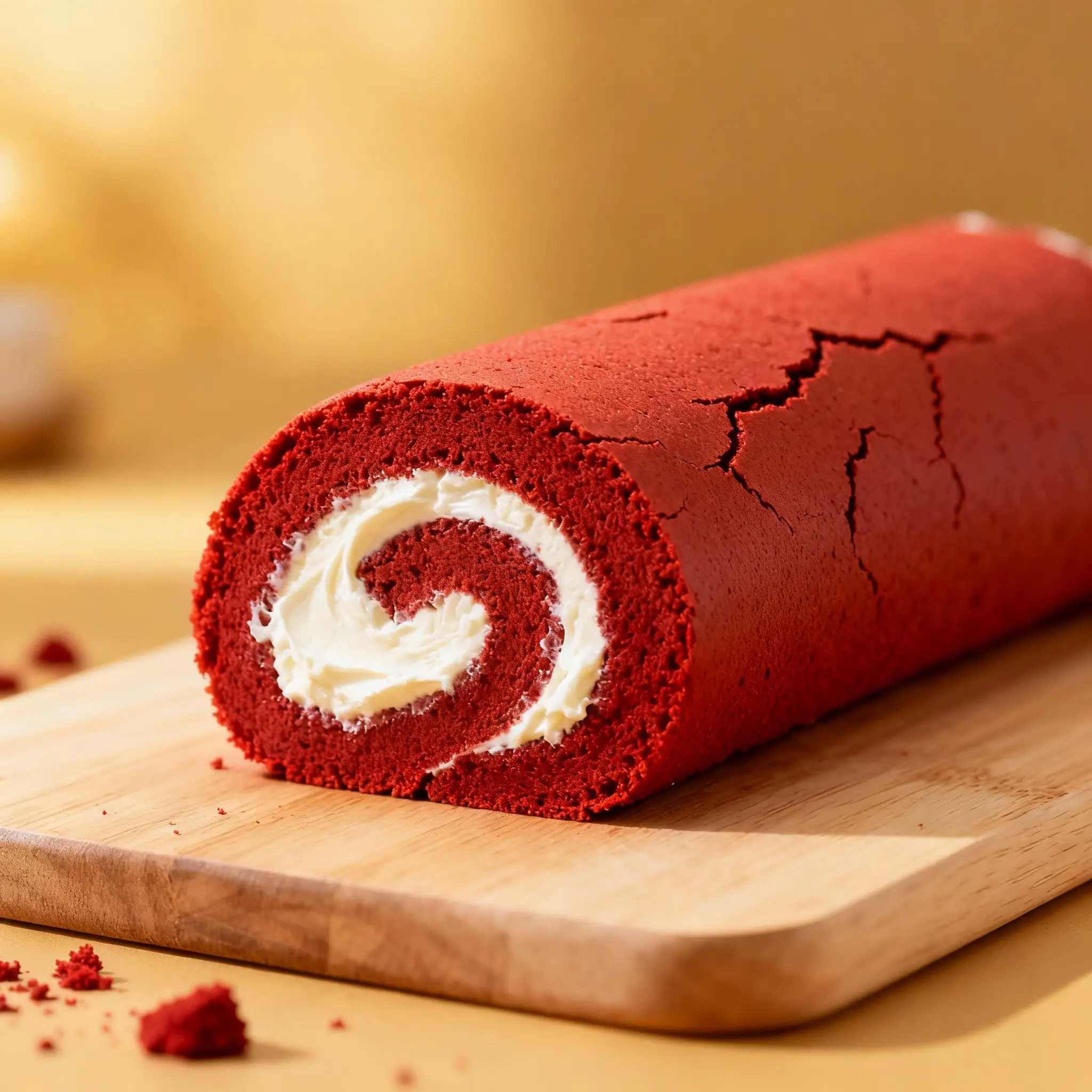
Red Velvet Roll Cake: A Decadent Delight for Every Occasion
The Red Velvet Roll Cake is a show-stopping dessert that combines the elegance of a Swiss roll with the rich, velvety flavor of classic red velvet cake. With its deep crimson crumb, creamy swirl of tangy cream cheese filling, and soft, airy texture, this dessert is as visually stunning as it is delicious. Whether served at holiday gatherings, birthday parties, or afternoon tea, the Red Velvet Roll Cake never fails to impress. In this comprehensive guide, we’ll explore everything you need to know about crafting the perfect roll cake—from its fascinating history to ingredient insights, detailed preparation methods, expert tips, health considerations, and creative variations.
The History of Red Velvet and Roll Cakes
The origins of red velvet cake trace back to the early 20th century, with roots believed to lie in Southern American baking traditions. The name “red velvet” originally referred to the subtle reddish hue produced by the reaction between natural cocoa powder and acidic ingredients like buttermilk and vinegar—a phenomenon enhanced when bakers began adding red food coloring for a more vibrant appearance. The cake gained widespread popularity during the Great Depression, partly due to clever marketing by companies like Adams Extract, which promoted recipes using their red dye to boost sales.
Roll cakes, also known as jelly rolls or Swiss rolls, have a European heritage dating back centuries. These light sponge cakes are baked in shallow pans, then rolled with a filling while still warm to prevent cracking. The technique requires precision and care, making it a favorite among skilled home bakers and pastry chefs alike. Combining these two beloved desserts—the luxurious red velvet and the delicate roll cake—creates a modern confection that honors tradition while offering a unique twist on both classics.
Ingredients Breakdown: What Makes This Cake Special
The magic of a Red Velvet Roll Cake lies in the harmony of its components. Each ingredient plays a crucial role in achieving the signature color, moist texture, and balanced flavor profile.
- Flour (All-Purpose): Provides structure. Sifted to ensure a fine, lump-free batter.
- Cocoa Powder (Unsweetened Natural): Adds depth and a hint of chocolate without overpowering the cake. Natural cocoa reacts with acid to enhance the red tone.
- Baking Soda & Baking Powder: Leavening agents that help the cake rise evenly and maintain its soft, springy texture.
- Salt: Balances sweetness and enhances overall flavor.
- Eggs: Separate yolks and whites are used. Yolks enrich the batter, while whipped egg whites provide lift and airiness.
- Granulated Sugar: Sweetens the cake and stabilizes the meringue when beaten into egg whites.
- Vegetable Oil: Keeps the cake moist and tender. Unlike butter, oil doesn’t solidify at room temperature, ensuring a consistent texture.
- Vanilla Extract: Adds aromatic warmth and complements the cocoa and cream cheese flavors.
- Red Food Coloring (Liquid or Gel): Gives the cake its iconic crimson hue. Gel coloring is preferred for intense color without altering batter consistency.
- Buttermilk: Adds moisture and acidity, reacting with baking soda for a tender crumb and enhancing the red tint.
- Vinegar (White or Apple Cider): Works with buttermilk and cocoa to deepen the red color and improve texture.
For the filling:
- Cream Cheese (Full-Fat): Forms the base of the filling, providing tanginess and body.
- Butter (Unsalted, Softened): Adds smoothness and richness to the frosting.
- Powdered Sugar (Confectioners’ Sugar): Sweetens and thickens the filling, giving it spreadable consistency.
- Vanilla Extract: Enhances flavor complexity in the frosting.
- Salted Caramel or Chocolate Drizzle (Optional): For garnish, adding visual appeal and extra flavor layers.
- Cocoa Nibs or Chopped Pecans (Optional): Add crunch and contrast if desired.
Step-by-Step Recipe: Crafting the Perfect Red Velvet Roll Cake
Making a roll cake requires attention to detail, especially during the rolling stage. Follow these steps carefully for flawless results.
Ingredients
For the Cake:
- 3/4 cup (95g) all-purpose flour
- 2 tablespoons (8g) unsweetened natural cocoa powder
- 1/2 teaspoon baking soda
- 1/4 teaspoon baking powder
- 1/4 teaspoon salt
- 4 large eggs, separated
- 2/3 cup (135g) granulated sugar
- 1/3 cup (80ml) vegetable oil
- 1 teaspoon vanilla extract
- 1 tablespoon red food coloring (gel recommended)
- 1/4 cup (60ml) buttermilk
- 1 teaspoon white vinegar
For the Cream Cheese Filling:
- 8 oz (225g) full-fat cream cheese, softened
- 1/4 cup (57g) unsalted butter, softened
- 1 1/2 cups (180g) powdered sugar, sifted
- 1 teaspoon vanilla extract
- Pinch of salt
For Garnish (Optional):
- Extra cream cheese frosting
- Red velvet cake crumbs
- White chocolate shavings
- Fresh berries (raspberries or strawberries)
- Edible gold dust or sprinkles
Directions
- Preheat and Prepare Pan: Preheat oven to 350°F (175°C). Line a 10×15-inch jelly roll pan with parchment paper, leaving overhang on the longer sides for easy removal. Lightly grease the parchment.
- Mix Dry Ingredients: In a medium bowl, whisk together flour, cocoa powder, baking soda, baking powder, and salt. Set aside.
- Prepare Egg Yolk Mixture: In a large bowl, whisk egg yolks with granulated sugar until pale and slightly thickened. Add oil, vanilla, and red food coloring; mix well. Stir in buttermilk and vinegar.
- Combine Wet and Dry: Gradually add the dry ingredients to the wet mixture, folding gently with a spatula until just combined. Do not overmix.
- Whip Egg Whites: In a clean, grease-free bowl, beat egg whites with an electric mixer on high speed until stiff peaks form. Gently fold one-third of the whites into the batter to lighten it, then fold in the remaining whites in two batches. Be careful not to deflate the batter.
- Spread and Bake: Pour the batter into the prepared pan and spread evenly with an offset spatula. Tap the pan lightly on the counter to remove air bubbles. Bake for 12–14 minutes, or until the cake springs back when lightly touched.
- Cool Slightly and Roll: While the cake bakes, lay a clean kitchen towel on the counter and sprinkle it generously with powdered sugar. As soon as the cake comes out of the oven, run a knife around the edges to loosen it. Invert the cake onto the sugared towel. Carefully peel off the parchment paper.
- Roll Immediately: Starting from one of the shorter ends, gently roll the cake up in the towel, seam side down. Let it cool completely in this shape on a wire rack—this prevents cracking when you later unroll and refill it.
- Make the Filling: While the cake cools, beat cream cheese and butter until smooth and creamy. Gradually add powdered sugar, vanilla, and salt. Beat until light and fluffy. Refrigerate for 10–15 minutes to firm up slightly.
- Unroll and Fill: Once the cake is completely cool, carefully unroll it. Spread the cream cheese filling evenly over the surface, leaving a small border around the edges to prevent oozing.
- Re-Roll: Using the towel as support, gently re-roll the cake. Place seam side down on a serving platter.
- Chill and Serve: Wrap loosely in plastic wrap and refrigerate for at least 1 hour (preferably 2–3 hours) to set the shape and flavors. Before serving, dust with powdered sugar, drizzle with chocolate, or decorate as desired.
Tips for Success: Mastering the Art of Roll Cakes
- Use Room Temperature Eggs: They whip up higher and create a more stable meringue, essential for a light cake.
- Don’t Overbake: Even 1 minute too long can dry out the cake and make it brittle. Watch closely during the last few minutes.
- Roll While Warm: Rolling the cake immediately after baking helps train it to hold its shape without cracking.
- Sugar the Towel: Prevents sticking and makes handling easier. Cornstarch or cocoa powder can be used for variation.
- Avoid Overmixing: When folding in egg whites, use a gentle hand to preserve airiness.
- Cool Completely Before Filling: A warm cake will melt the filling and cause leakage.
- Use Gel Food Coloring: It delivers intense color without thinning the batter.
- Chill Before Slicing: For clean cuts, use a sharp serrated knife dipped in hot water and wiped dry between slices.
- Store Properly: Keep refrigerated and consume within 3 days for best quality.
Variations and Customizations
The Red Velvet Roll Cake is incredibly versatile. Here are some creative twists to try:
- Chocolate Swirl Roll: Add a thin layer of melted dark chocolate before spreading the cream cheese.
- Strawberry-Lemon Twist: Replace buttermilk with lemon juice and add finely diced strawberries to the filling.
- Spiced Red Velvet: Add cinnamon, nutmeg, and a pinch of cloves for a warm, autumnal version.
- Gluten-Free: Substitute flour with a 1:1 gluten-free blend and ensure cocoa powder is certified GF.
- Dairy-Free: Use plant-based cream cheese, dairy-free butter, and almond milk mixed with vinegar as buttermilk substitute.
- Vegan Option: Replace eggs with flax eggs (4 tbsp ground flax + 10 tbsp water), use aquafaba for meringue, and choose vegan alternatives for all other ingredients.
- Mini Rolls: Divide the batter into smaller pans to make individual portions—perfect for parties.
- Boozy Filling: Add 1–2 tablespoons of bourbon, Kahlúa, or amaretto to the cream cheese mixture for an adult twist.
- Peppermint Crunch: Mix crushed candy canes into the filling and top with chocolate ganache.
- Nutty Delight: Fold chopped pecans or walnuts into the batter or sprinkle them on the filling.
Health Considerations and Nutritional Value
While undeniably indulgent, the Red Velvet Roll Cake can be adapted to suit various dietary needs and preferences.
Nutritional Overview (per slice, approx. 1/10 of cake):
- Calories: ~320–380
- Fat: 20–25g (mostly from oil, butter, cream cheese)
- Saturated Fat: 8–10g
- Carbohydrates: 35–40g
- Sugars: 25–30g
- Protein: 4–5g
- Cholesterol: ~60mg
- Sodium: ~200–250mg
Health Notes:
- High in Sugar and Fat: Traditional recipe is rich and should be enjoyed in moderation, especially by those monitoring blood sugar or heart health.
- Dairy and Egg Allergies: Can be modified using plant-based substitutes, though texture may vary.
- Low-Carb/Keto Adaptation: Possible with almond flour, erythritol, and keto-friendly food coloring, but structural integrity may be compromised.
- Portion Control: Slice thinly—each piece goes a long way due to richness.
- Antioxidants from Cocoa: Natural cocoa contains flavonoids, though processing and alkalization reduce levels.
- Food Dye Concerns: Some artificial red dyes (like Red 40) have been linked to hyperactivity in sensitive individuals. Consider natural alternatives like beet juice or concentrated pomegranate juice for a subtler pink-red hue.
Frequently Asked Questions (FAQ)
Q: Why did my roll cake crack?
A: Cracking usually occurs if the cake is overbaked, cooled too much before rolling, or under-mixed with egg whites. Always roll the cake while warm and use properly whipped meringue.
Q: Can I make this ahead of time?
A: Yes! Assemble the roll cake up to 2 days in advance. Store covered in the refrigerator. Add final decorations just before serving.
Q: Can I freeze a Red Velvet Roll Cake?
A: Absolutely. Wrap tightly in plastic and foil, then freeze for up to 1 month. Thaw overnight in the refrigerator before serving.
Q: My filling is too soft. How can I fix it?
A: Chill the filling for 15–20 minutes before spreading. Ensure cream cheese and butter are softened but not melted.
Q: Can I use cake flour instead of all-purpose?
A: Yes, cake flour will yield a more tender crumb, but you may need to adjust leavening slightly. Use 1 cup cake flour minus 2 tablespoons, replaced with 2 tablespoons cornstarch if unavailable.
Q: Why use both baking soda and baking powder?
A: Baking soda reacts with acids (buttermilk, vinegar) for lift, while baking powder provides additional rise for a perfectly fluffy texture.
Q: How do I get a tight spiral?
A: Roll the cake firmly but gently using the towel as a guide. Don’t overfill, and chill before slicing for clean lines.
Summary
The Red Velvet Roll Cake is a stunning fusion of Southern charm and European elegance, featuring a moist, crimson sponge rolled around a luscious cream cheese filling. With careful technique and a touch of patience, this dessert becomes a centerpiece worthy of celebration.