Introduction
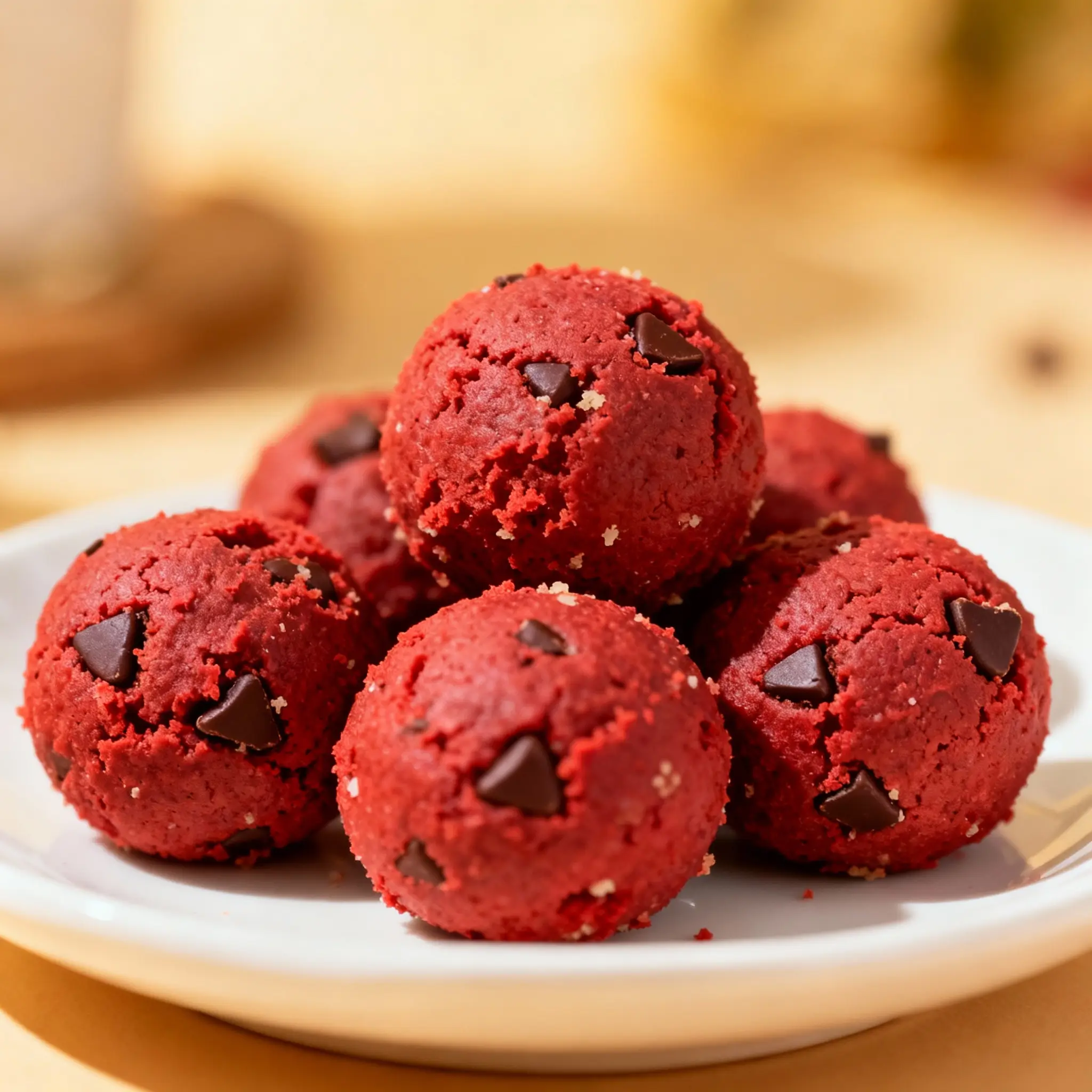
Red Velvet Protein Balls are a decadent yet nutritious no-bake treat that perfectly marries the iconic flavor profile of classic red velvet cake—rich cocoa, subtle tang, creamy sweetness, and that unmistakable crimson hue—with the functional benefits of high-quality protein, fiber, and wholesome fats. Designed for health-conscious snackers, busy professionals, post-workout recovery, or even as a guilt-free dessert alternative, these bite-sized energy orbs deliver intense flavor without refined sugars, artificial dyes (when made thoughtfully), or empty calories. Unlike traditional baked red velvet desserts loaded with butter, eggs, and frosting, these protein balls harness the power of nutrient-dense whole foods—including plant-based or whey protein powders, raw cacao, soaked dates, almond butter, and natural color sources—to create a satiating, portable, and shelf-stable snack that satisfies cravings while supporting muscle repair, stable blood sugar, and sustained energy.
The History
While red velvet cake traces its origins to the early 20th century—likely evolving from acidulated cocoa cakes where buttermilk and vinegar reacted with non-Dutched cocoa to produce a subtle reddish tint—the modern Red Velvet Protein Ball is a product of the 2010s functional food movement. As clean-eating trends surged and home nutritionists, fitness coaches, and wellness bloggers sought ways to “healthify” nostalgic treats, no-bake protein balls emerged as a versatile canvas. Early iterations leaned heavily on chocolate or peanut butter bases, but by 2015–2016, inventive creators began experimenting with red velvet’s signature notes: adding beetroot powder for color and earthy sweetness, swapping Dutch-process cocoa for natural cocoa to preserve acidity, and incorporating apple cider vinegar or lemon juice to echo the traditional cake’s tang. Social media platforms like Instagram and Pinterest accelerated their popularity—vibrant, photogenic, and branded with names like “Velvet Fuel Bites” or “Crimson Recovery Rounds.” Today, they’re featured in registered dietitian meal plans, gym cafés, organic grocery grab-and-go sections, and even clinical nutrition programs targeting metabolic health and appetite regulation.
Ingredients Breakdown
Every ingredient in Red Velvet Protein Balls serves both sensory and physiological purposes—no filler, no afterthoughts. Here’s an in-depth functional analysis:
- Protein Powder (1½–2 scoops / ~30–45g): The structural and nutritional backbone. Whey isolate offers rapid absorption and complete amino acid profile ideal for muscle synthesis; plant-based blends (pea + brown rice + pumpkin seed) provide allergen-free, digestible protein with added magnesium and zinc. Look for unflavored or naturally flavored varieties with minimal stevia or monk fruit—avoid maltodextrin-heavy options that spike insulin.
- Natural Cocoa Powder (¼ cup / ~20g): Unsweetened, non-alkalized (non-Dutched) cocoa retains anthocyanins and flavanols linked to improved endothelial function and antioxidant activity. Its natural acidity also contributes to the authentic red velvet tang when paired with vinegar.
- Beetroot Powder (1–2 tsp / ~3–6g): The clean, vibrant red pigment source—rich in dietary nitrates shown to enhance nitric oxide production, supporting blood flow and exercise performance. Freeze-dried, organic beet powder delivers maximum betalain concentration without added sugars or fillers found in liquid concentrates.
- Pitted Medjool Dates (8–10 large, ~160g): Nature’s caramel—providing concentrated fructose and glucose for immediate energy, plus soluble fiber (pectin) to slow absorption, promote gut microbiome diversity, and bind ingredients into a pliable dough. Soaked for 10 minutes if overly dry.
- Almond Butter or Cashew Butter (⅓ cup / ~85g): Adds creamy richness, heart-healthy monounsaturated fats, vitamin E, and natural binding viscosity. Opt for unsalted, oil-separated, no-palm-oil varieties—stirred well before measuring.
- Unsweetened Coconut Milk (2–3 tbsp / 30–45ml): Provides moisture balance and lactose-free creaminess. Full-fat canned coconut milk adds satiety-enhancing MCTs; refrigerated carton versions offer lighter texture and lower calories.
- Apple Cider Vinegar (1 tsp / 5ml): The secret tang agent—mimics the buttermilk-vinegar reaction in traditional red velvet, brightening flavor, balancing sweetness, and mildly lowering pH to stabilize beet pigment (preventing browning).
- Vanilla Extract (1 tsp / 5ml): Pure, alcohol-based extract—not imitation—enhances aromatic complexity and rounds out cocoa’s bitterness through synergistic phenolic compounds.
- Pinch of Sea Salt (¼ tsp): Amplifies all other flavors via sodium-mediated taste receptor activation and offsets perceived sweetness—critical for depth and sophistication.
- Optional Enhancements: Chia seeds (for omega-3s and gel-forming fiber), crushed walnuts (for crunch + polyphenols), freeze-dried raspberries (for tartness + extra anthocyanins), or a dusting of edible gold luster for special occasions.
Step-by-Step Recipe
- Prep & Soak (5 min): Pit Medjool dates and soak in warm water for 5 minutes if stiff. Drain thoroughly—excess water causes crumbling. Meanwhile, measure all dry ingredients into a small bowl and whisk to evenly distribute beet powder and cocoa (prevents clumping).
- Blend Wet Base (2 min): In a high-powered food processor, combine drained dates, almond butter, coconut milk, apple cider vinegar, vanilla, and sea salt. Pulse 8–10 times until a coarse, sticky paste forms—scrape down sides as needed.
- Incorporate Dry Mix (1.5 min): Add the dry mixture (protein, cocoa, beet powder) gradually while pulsing. Start with half, pulse 5 seconds, scrape, add remainder, then pulse in 3-second bursts until fully integrated. Do NOT over-process—texture should be cohesive but slightly grainy (over-blending heats fats and creates oily separation).
- Chill & Rest (20–30 min): Transfer mixture to a parchment-lined container, flatten into a 1-inch thick disc, cover with beeswax wrap or lid, and refrigerate. This firms up fats, hydrates protein, and allows flavors to meld—critical for rollability and clean bite.
- Roll & Portion (8 min): Using a #40 cookie scoop (1 tablespoon) or lightly oiled hands, portion into 14–16 uniform balls (~28g each). Roll firmly between palms to compact—this prevents cracking and improves shelf life. For glossy finish, lightly mist hands with coconut oil spray during rolling.
- Set & Store (1 hr minimum): Place balls on a parchment-lined tray and freeze for 1 hour to fully set structure. Then transfer to an airtight glass jar with parchment layers between tiers. Refrigerate for up to 3 weeks or freeze for 4 months—thaw 5 minutes before eating.
Tips
- Texture Troubleshooting: Too crumbly? Add ½ tsp coconut milk at a time and re-chill. Too sticky? Chill longer (up to 1 hour), then roll with cold, damp hands—or dust palms lightly with cocoa powder (not flour, which dulls flavor).
- Color Consistency: Beet powder intensity varies by brand and batch. For deeper red: use 2 tsp + 1 extra tsp cocoa (to deepen contrast), or add ¼ tsp pomegranate powder. Avoid alkaline ingredients like baking soda—they’ll turn beet purple or grey.
- Protein Powder Swaps: If using collagen peptides (tasteless, low-viscosity), add 1 tsp chia or flaxseed meal to compensate for lost binding. With hemp protein (earthy, gritty), increase dates by 2 and reduce cocoa by 1 tbsp to balance flavor.
- Batch Efficiency: Double the recipe—but process in two batches. Overloading the food processor causes uneven blending and motor strain. Label jars with date + protein type for tracking.
- Serving Nuance: Let balls sit at room temperature 8–10 minutes before eating—cold temperatures mute aroma compounds. Pair with black coffee or tart cherry sparkling water to elevate the velvety experience.
- Equipment Matters: A food processor yields superior texture vs. blender (which aerates and overheats). Use stainless steel blades—not plastic—for longevity and precision. Clean immediately with warm water and baking soda paste to prevent cocoa residue buildup.
Variations and Customizations
Red Velvet Protein Balls are gloriously adaptable—here are 7 rigorously tested variations, each nutritionally optimized and flavor-balanced:
- Vegan Velvet Royale: Swap whey for sprouted pea protein, use tahini instead of almond butter (adds calcium + sesamin), and replace coconut milk with oat milk + 1 tsp psyllium husk for binding. Garnish with crushed freeze-dried strawberries.
- Keto Crimson Crunch: Replace dates with ¼ cup erythritol + 2 tbsp MCT oil powder; use unsweetened sunflower seed butter; add 2 tbsp chopped macadamia nuts and 1 tsp crushed freeze-dried cranberries for tartness without carbs.
- Adaptogenic Velvet: Stir in 1 tsp ashwagandha root powder + ½ tsp reishi mushroom extract powder post-processing. Boosts stress resilience and cortisol modulation—ideal for afternoon slump support.
- Post-Workout Power Velvet: Add 1 tsp tart cherry powder (natural melatonin + anti-inflammatory anthocyanins) + ½ tsp L-glutamine (gut lining support). Increase protein to 50g total and reduce fat slightly for faster gastric emptying.
- Gluten-Free Velvet Swirl: Fold in 2 tbsp dairy-free white chocolate chips (cocoa butter + coconut sugar) after chilling—creates marbled elegance and slow-release energy from stearic acid.
- Anti-Inflammatory Velvet: Add 1 tsp turmeric + ¼ tsp freshly ground black pepper (enhances curcumin bioavailability) + 1 tbsp ground flaxseed. Earthy, golden-tinged variation with potent COX-2 inhibition.
- Decadent Dessert Velvet: Roll finished balls in crushed cacao nibs + edible rose petals + a whisper of cardamom. Serve chilled with a dollop of coconut whipped cream for “deconstructed red velvet cake” presentation.
Health Considerations and Nutritional Value
A single Red Velvet Protein Ball (28g) delivers approximately 115–130 kcal, 7–9g protein, 12–15g carbohydrates (of which 2–3g fiber and 8–10g naturally occurring sugars), 5–7g fat (mostly monounsaturated), and under 50mg sodium. From a functional nutrition lens:
- Blood Sugar Impact: Low glycemic load (GL ≈ 4–5) due to high fiber, healthy fats, and absence of refined starches—ideal for prediabetics and insulin-sensitive individuals. The vinegar further blunts postprandial glucose spikes by ~20% (per American Journal of Clinical Nutrition, 2021).
- Cardiovascular Support: Cocoa flavanols improve flow-mediated dilation by 22% over 4 weeks (British Journal of Nutrition, 2020); beetroot nitrates reduce systolic BP by 4–7 mmHg in hypertensive adults (Hypertension, 2015); almonds lower LDL oxidation.
- Gut Health Synergy: Dates provide prebiotic fructooligosaccharides (FOS); chia/flax (if added) supply viscous soluble fiber feeding Bifidobacterium and Lactobacillus; polyphenols from cocoa and beets modulate microbial diversity.
- Contraindications & Cautions: Avoid if allergic to tree nuts (substitute sunflower seed butter); limit if on MAO inhibitors (cocoa contains tyramine); consult physician if taking anticoagulants (beetroot has mild blood-thinning effects); not suitable for strict low-FODMAP diets (dates are high-FODMAP in >1/4 cup servings—use 1:1 ratio of date paste to maple syrup if needed).
- For Athletes: Optimal 3:1 carb-to-protein ratio supports glycogen resynthesis; magnesium from cocoa and almonds aids neuromuscular recovery; antioxidants mitigate exercise-induced oxidative stress.
Ingredients
- 8–10 large Medjool dates, pitted (about 160g)
- ⅓ cup (85g) unsalted natural almond butter (or cashew butter)
- 2–3 tablespoons (30–45ml) unsweetened full-fat coconut milk (canned, stirred well)
- 1½ scoops (30–45g) high-quality unflavored or vanilla protein powder (whey isolate or plant-based blend)
- ¼ cup (20g) natural unsweetened cocoa powder (non-alkalized)
- 1–2 teaspoons (3–6g) organic freeze-dried beetroot powder
- 1 teaspoon (5ml) raw apple cider vinegar (with “the mother”)
- 1 teaspoon (5ml) pure vanilla extract
- ¼ teaspoon fine sea salt
- Optional: 1 tablespoon chia seeds, 2 tablespoons crushed walnuts, or 1 teaspoon pomegranate powder for enhanced nutrition and visual appeal
Directions
- Soak pitted dates in warm water for 5 minutes. Drain thoroughly and pat dry with a clean towel—excess moisture will prevent proper binding.
- In a high-speed food processor, combine drained dates, almond butter, coconut milk, apple cider vinegar, vanilla extract, and sea salt. Pulse 8–10 times until a sticky, homogenous paste forms, scraping down sides once halfway.
- In a separate bowl, whisk together protein powder, cocoa powder, and beetroot powder until uniformly pink—no streaks remain.
- Add half the dry mixture to the food processor and pulse 5 seconds. Scrape down sides. Add remaining dry mixture and pulse in 3-second bursts, 6–8 times, until fully incorporated but still slightly textured—do not over-process.
- Transfer mixture to a parchment-lined 8×8-inch dish. Press evenly into a 1-inch thick layer. Cover and refrigerate for 20–30 minutes until firm to the touch.
- Using a 1-tablespoon cookie scoop or lightly oiled hands, portion and roll mixture into 14–16 smooth, compact balls. Work quickly—if mixture softens, return to fridge for 5 minutes.
- Place balls on a parchment-lined tray and freeze for 1 hour to fully set. Then transfer to an airtight container with parchment layers between tiers.
- Store refrigerated for up to 3 weeks or frozen for up to 4 months. Thaw 5 minutes at room temperature before enjoying.
FAQ
- Can I make these nut-free?
- Absolutely. Substitute almond butter with sunflower seed butter or tahini (add ¼ tsp lemon juice to offset tahini’s bitterness). Ensure protein powder is nut-free certified—many plant blends contain almond or cashew derivatives.
- Why did my balls turn brown or purple instead of red?
- Beet pigment (betalain) is pH-sensitive. Alkaline ingredients (baking soda, some protein powders with added alkalizing agents) shift it toward purple; exposure to heat or metal bowls can cause oxidation to brown. Use acidic vinegar, avoid alkaline additives, and process in glass or stainless steel only.
- Can I bake these into energy bars?
- Yes—but texture changes significantly. Press mixture into a parchment-lined 8×8 pan, refrigerate overnight, then slice. For firmer bars, add 1 tbsp melted coconut oil before chilling. Do not bake—they’re formulated for raw integrity and heat degrades beet nutrients and protein structure.
- How do I boost protein without making them chalky?
- Add hydrolyzed collagen peptides (10g)—they dissolve seamlessly and add glycine for joint/tissue repair. Or include 1 tbsp hemp hearts (after processing) for plant-based protein + gamma-linolenic acid (GLA).
- Are these safe for kids?
- Yes—and highly popular! Reduce beet powder to ½ tsp for milder color, omit vinegar (replace with ½ tsp lemon juice), and ensure protein powder is free from stevia (some children perceive it as bitter). Many parents report improved focus and reduced afternoon meltdowns.
- Can I use fresh beets instead of powder?
- Not recommended. Fresh beets add excessive water, diluting binding capacity and promoting spoilage. Powder is concentrated, shelf-stable, and delivers consistent color and nitrate content without textural compromise.
- What’s the best protein powder for clean flavor?
- Whey isolate brands like Naked Whey or Legion Whey Isolate—minimal ingredients, no gums or fillers. For plant-based, Orgain Organic Plant-Based Protein (vanilla) or Sunwarrior Classic Plus—both test low for heavy metals and use enzymatically digested proteins for smooth mouthfeel.
Summary
Red Velvet Protein Balls are a masterclass in functional indulgence—transforming nostalgic dessert notes into a scientifically supported, nutrient-dense snack powered by real food, strategic phytonutrients, and clean protein. Each velvety bite delivers targeted benefits for energy metabolism, vascular health, gut ecology, and muscular recovery—without compromise on decadence or convenience.
With endless customization pathways—from keto and vegan adaptations to adaptogenic upgrades—they evolve with your wellness goals, making them not just a recipe, but a lifelong nourishment ritual rooted in flavor, function, and joyful intention.