Introduction
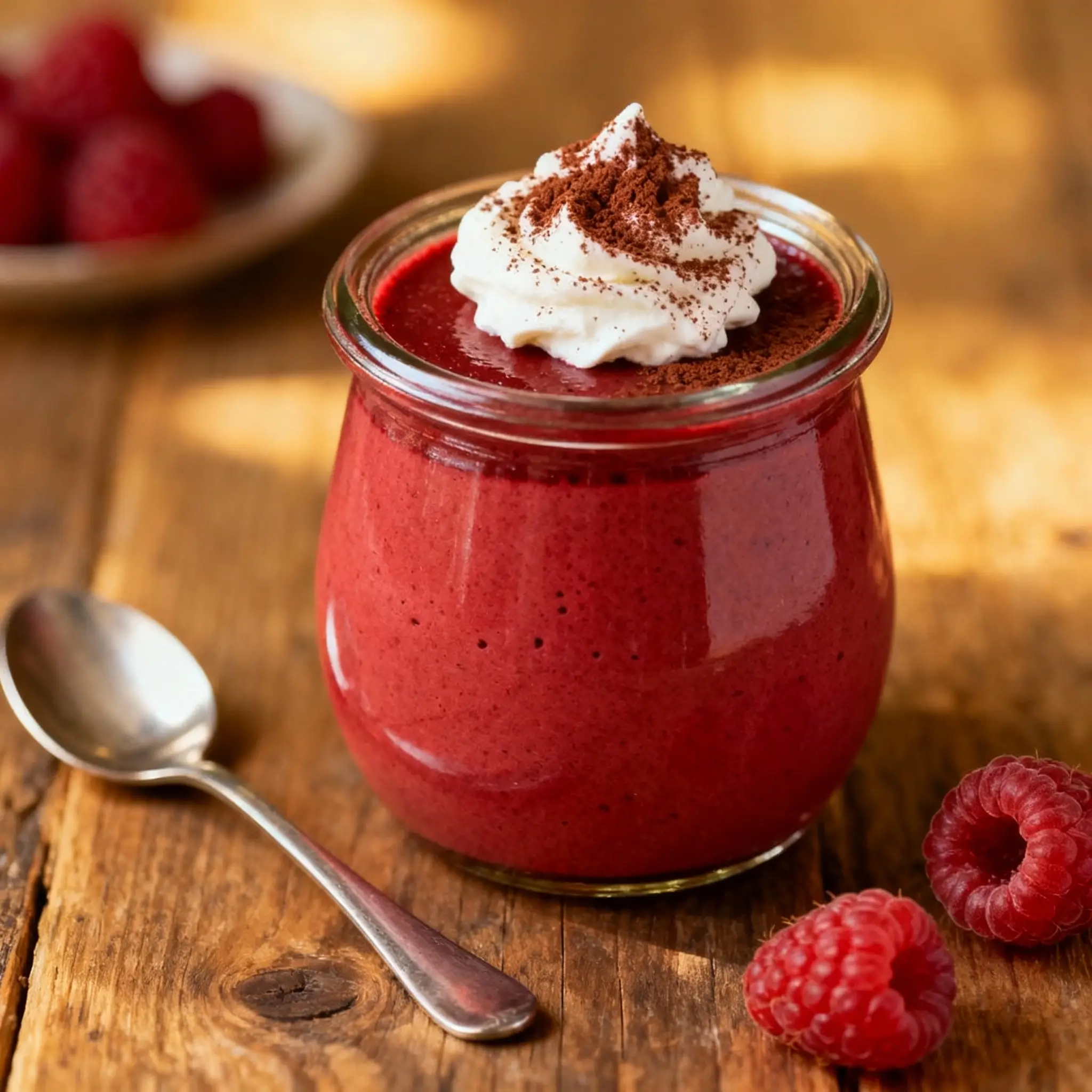
Red Velvet Panna Cotta is a luxurious and elegant dessert that marries the rich, velvety texture of traditional Italian panna cotta with the deep, indulgent flavors of red velvet cake. This modern twist on a classic dessert combines smooth creaminess with the subtle tang of buttermilk, the warmth of cocoa, and the striking crimson hue that defines red velvet treats. Perfect for romantic dinners, holiday gatherings, or as a show-stopping finale to any special meal, Red Velvet Panna Cotta offers both visual drama and decadent taste in every silky spoonful.
The History
Panna cotta, which translates to “cooked cream” in Italian, originated in the Piedmont region of northern Italy during the late 19th century. Traditionally made from sweetened cream thickened with gelatin and often flavored with vanilla, it was prized for its simplicity and delicate mouthfeel. Over time, chefs around the world began experimenting with flavors, leading to countless variations—chocolate, berry, espresso, and more.
Red velvet cake, on the other hand, has roots in early 20th-century America. Its origins are somewhat mysterious, though it likely emerged from culinary experiments where natural reactions between cocoa, acidic ingredients like vinegar or buttermilk, and food coloring (originally beet juice) created a reddish tint. The modern version, popularized by restaurants like the Waldorf-Astoria in New York, uses red food coloring for a bold appearance and pairs it with cream cheese frosting.
The fusion of these two iconic desserts—red velvet and panna cotta—was inevitable. As molecular gastronomy and dessert innovation flourished in the 21st century, pastry chefs began reimagining familiar flavors in new textures. Red Velvet Panna Cotta emerged as a contemporary favorite, combining the creamy elegance of Italian tradition with the festive flair of American dessert culture. Today, it stands as a symbol of culinary creativity and cross-cultural inspiration.
Ingredients Breakdown
- Heavy Cream (2 cups): The foundation of panna cotta, heavy cream provides richness and a luxuriously smooth texture. Its high fat content ensures the dessert sets properly and melts delicately on the tongue.
- Whole Milk (1/2 cup): Added to balance the intensity of the cream, milk lightens the mixture slightly while maintaining creaminess.
- Granulated Sugar (1/2 cup): Sweetens the base without overpowering the other flavors. Adjustments can be made depending on desired sweetness level.
- Unsweetened Cocoa Powder (2 tablespoons): Provides authentic chocolate flavor without adding excess fat. Use natural or Dutch-processed cocoa based on preference—Dutch-processed yields a smoother, deeper taste.
- Red Food Coloring (1–2 teaspoons): Gives the panna cotta its signature vibrant red hue. Gel-based food coloring is recommended for intense color without altering consistency.
- Vanilla Extract (1 teaspoon): Enhances overall flavor complexity and complements both vanilla and chocolate notes typical in red velvet.
- Distilled White Vinegar or Apple Cider Vinegar (1/2 teaspoon): Mimics the slight tang found in red velvet cake, adding authenticity to the flavor profile.
- Buttermilk (2 tablespoons): Adds a subtle sour note similar to that in traditional red velvet, balancing the sweetness and enriching the texture.
- Gelatin (2 1/4 teaspoons, about 1 packet unflavored powdered gelatin): Essential for setting the panna cotta. Bloomed in cold water before use, it allows the mixture to firm up when chilled while retaining a tender, melt-in-the-mouth quality.
- Water (1/4 cup, cold): Used to bloom the gelatin, preparing it to dissolve evenly into the warm cream mixture.
- Salt (a pinch): Heightens all the flavors and prevents the dessert from tasting flat.
For garnish and serving:
- Cream Cheese Mousse or Whipped Cream Cheese Swirl: A nod to classic red velvet frosting, this adds tangy contrast.
- Whipped Cream: Light and airy topping that enhances the creamy experience.
- Crumbled Red Velvet Cake: For texture and nostalgic flavor pairing.
- White Chocolate Shavings: Adds elegance and a touch of sweetness.
- Fresh Berries: Such as raspberries or strawberries, offer freshness and color contrast.
Step-by-Step Recipe
- Bloom the Gelatin: In a small bowl, sprinkle 2 1/4 teaspoons of unflavored gelatin over 1/4 cup of cold water. Let it sit for 5–10 minutes until it becomes spongy and opaque. This process, known as blooming, prepares the gelatin to dissolve smoothly into the warm liquid without clumping.
- Heat the Dairy Base: In a medium saucepan, combine 2 cups of heavy cream, 1/2 cup of whole milk, and 1/2 cup of granulated sugar. Place over medium heat and stir gently until the sugar dissolves completely. Do not bring to a boil; aim for just below simmering—around 175°F (80°C)—to prevent scalding.
- Incorporate Flavor Elements: Remove the saucepan from heat. Whisk in 2 tablespoons of unsweetened cocoa powder until fully dissolved and no lumps remain. Then add 1–2 teaspoons of red food coloring (depending on desired intensity), 1 teaspoon of vanilla extract, 1/2 teaspoon of distilled white vinegar, 2 tablespoons of buttermilk, and a pinch of salt. Stir thoroughly to ensure even distribution.
- Melt in the Gelatin: Return the saucepan to low heat. Add the bloomed gelatin and stir continuously until it completely dissolves into the mixture—about 2–3 minutes. Do not let the mixture boil, as excessive heat can weaken the gelatin’s setting power.
- Strain the Mixture: To guarantee silkiness, strain the liquid through a fine-mesh sieve into a large measuring cup or pouring pitcher. This removes any undissolved particles or coagulated bits of dairy.
- Prepare Molds: Lightly grease ramekins, glasses, or silicone molds with nonstick spray or wipe with a neutral oil if you plan to unmold. Alternatively, serve in clear dessert glasses for a layered presentation.
- Pour and Chill: Carefully pour the mixture into serving dishes. Tap gently on the counter to release air bubbles. Cover with plastic wrap or place in an airtight container to prevent absorption of fridge odors. Refrigerate for at least 4 hours, preferably overnight, until fully set and wobbly-firm to the touch.
- Unmold (Optional): If serving inverted, dip each ramekin briefly in hot water (about 10 seconds) and place a plate on top. Flip quickly and gently—the panna cotta should slide out with a soft jiggle.
- Garnish and Serve: Top with a swirl of cream cheese mousse, whipped cream, crumbled red velvet cake, fresh berries, or white chocolate curls. Serve immediately.
Tips
- Use High-Quality Ingredients: Since this is a minimal-ingredient dessert, the quality of your cream, cocoa, and food coloring matters. Opt for pure vanilla extract and vibrant gel food coloring.
- Avoid Boiling: Keep temperatures moderate throughout cooking. Boiling can curdle the dairy or degrade the gelatin, resulting in a grainy or weak set.
- Straining is Key: Never skip straining—it ensures a perfectly smooth texture free of imperfections.
- Check Gelatin Activity: Ensure your gelatin is fresh. Expired gelatin may fail to set the panna cotta properly.
- Chill Thoroughly: Allow at least 4 hours, but 6–8 hours is ideal for maximum firmness and clean unmolding.
- Room Temperature Before Serving: Let the panna cotta sit at room temperature for 10–15 minutes before serving for optimal creaminess.
- Double Boiler Option: For extra control, heat the cream mixture using a double boiler to minimize risk of overheating.
- Test Color Early: Add food coloring gradually. You can always deepen the shade, but you can’t lighten it once added.
Variations and Customizations
- Vegetarian/Vegan Version: Substitute gelatin with agar-agar (use 1 teaspoon agar powder per cup of liquid, boiled for 5 minutes for full activation). Replace dairy with coconut cream and almond milk, and use vegan cream cheese for topping.
- Low-Sugar Option: Use erythritol or monk fruit sweetener instead of sugar. Note: some substitutes may alter texture slightly.
- Alcoholic Twist: Infuse the cream with a splash of bourbon or butterscotch liqueur (e.g., Godiva) for an adult version reminiscent of red velvet cupcakes at a cocktail party.
- Layered Parfaits: Alternate layers of red velvet panna cotta with cheesecake mousse, crushed cookies, or raspberry compote in tall glasses for a dramatic effect.
- Chocolate Rim: Dip glass rims in melted white chocolate and red sanding sugar for a festive touch.
- Espresso Red Velvet: Add 1/2 teaspoon of instant espresso powder to intensify the cocoa flavor and create a mocha-red velvet hybrid.
- Spiced Version: Include a dash of cinnamon, nutmeg, or cardamom for a warm, seasonal variation perfect for fall or winter holidays.
- Mini Shot Glasses: Serve in small shot glasses for bite-sized appetizers at parties or weddings.
- Edible Glitter: Add edible gold or red glitter to the surface for a glamorous finish at celebrations.
Health Considerations and Nutritional Value
While undeniably indulgent, understanding the nutritional aspects of Red Velvet Panna Cotta helps in making informed choices. One standard serving (about 1/2 cup) contains approximately:
- Calories: 320–380 kcal
- Fat: 28–32g (mostly saturated from cream)
- Carbohydrates: 18–22g (primarily from sugar)
- Protein: 4–5g
- Cholesterol: ~80mg
- Sodium: ~50–70mg
Considerations:
- Lactose Intolerance: Contains dairy; consider lactose-free alternatives or plant-based versions.
- Gelatin Source: Traditional gelatin is animal-derived (usually pork or bovine). Vegetarians should opt for agar-agar or carrageenan.
- Sugar Content: High in added sugars. Diabetics may need to adjust sweeteners or limit portion size.
- Food Coloring: Artificial dyes (like Red #40) are common but controversial. Natural alternatives include beetroot powder or concentrated pomegranate juice, though they yield a less vivid red.
- Portion Control: Serve in smaller ramekins (1/3 cup) to reduce calorie intake while still enjoying the experience.
- Balanced Pairing: Serve with fresh fruit or a side salad to offset richness and add fiber and vitamins.
Despite its decadence, this dessert can be enjoyed occasionally as part of a balanced diet. Its lack of flour and eggs makes it lighter than many baked desserts, and substitutions can make it suitable for various dietary needs.
Ingredients
- 2 cups heavy cream
- 1/2 cup whole milk
- 1/2 cup granulated sugar
- 2 tablespoons unsweetened cocoa powder (natural or Dutch-processed)
- 1–2 teaspoons red gel food coloring (adjust to desired shade)
- 1 teaspoon pure vanilla extract
- 1/2 teaspoon distilled white vinegar
- 2 tablespoons buttermilk
- 2 1/4 teaspoons (1 packet) unflavored powdered gelatin
- 1/4 cup cold water
- Pinch of salt
For Garnish (optional):
- Whipped cream or cream cheese mousse
- Crumbled red velvet cake
- Fresh raspberries or strawberries
- White chocolate shavings
- Edible glitter or red sugar
Directions
- In a small bowl, sprinkle gelatin over cold water. Let bloom for 5–10 minutes until puffy and jelly-like.
- In a medium saucepan, combine heavy cream, milk, and sugar. Heat over medium, stirring constantly, until sugar dissolves and mixture reaches just below a simmer (~175°F). Do not boil.
- Remove from heat. Whisk in cocoa powder until smooth. Add food coloring, vanilla extract, vinegar, buttermilk, and salt. Mix well.
- Return pan to low heat. Stir in bloomed gelatin and cook gently, stirring continuously, until gelatin is fully dissolved (2–3 minutes).
- Strain the mixture through a fine-mesh sieve into a large measuring cup or pitcher for smoothness.
- Lightly grease ramekins or prepare serving glasses. Pour mixture evenly into containers.
- Tap gently to remove air bubbles. Cover with plastic wrap or place in sealed container.
- Refrigerate for at least 4 hours, preferably 6–8 hours or overnight, until firmly set.
- To unmold: dip ramekins briefly in hot water, place plate on top, and flip swiftly.
- Garnish with whipped cream, cream cheese swirl, crumbled cake, berries, or chocolate shavings. Serve chilled.
FAQ
Q: Can I make red velvet panna cotta without gelatin?
A: Yes! Use agar-agar as a vegetarian substitute. Dissolve 2 teaspoons of agar powder in the cold liquid and boil for 5 minutes to activate. Cool slightly before pouring into molds.
Q: Why didn’t my panna cotta set?
A: Common causes include expired gelatin, boiling the mixture after adding gelatin (which breaks it down), insufficient chilling time, or inaccurate measurements. Always bloom gelatin properly and avoid high heat.
Q: Can I prepare this ahead of time?
A: Absolutely. Panna cotta can be made 2–3 days in advance. Keep covered in the refrigerator to maintain freshness.
Q: Is red food coloring necessary?
A: While optional, it’s key to achieving the authentic red velvet look. For natural color, try beetroot powder or concentrated juice, though results will be more pinkish-brown.
Q: Can I freeze panna cotta?
A: Not recommended. Freezing alters the texture, making it grainy or watery upon thawing. It’s best enjoyed fresh from the fridge.
Q: Can I use skim milk instead of whole dairy?
A: Lower-fat dairy may result in a softer set and less creamy texture. For best results, stick to full-fat ingredients.
Q: How do I get clean unmolding?
A: Ensure thorough chilling, lightly grease molds, and do a quick hot-water bath (5–10 seconds) before flipping. Run a thin knife around the edge if needed.
Q: Can I add chunks of cake or fillings?
A: Yes, but add them after partial setting (chill for 1.5 hours first) to prevent sinking. Layered presentations work beautifully in parfait glasses.
Summary
Red Velvet Panna Cotta is a stunning fusion of Italian elegance and American dessert flair, offering a creamy, vibrantly colored treat with the beloved flavors of red velvet cake in a sophisticated, no-bake form.
Perfect for entertaining or indulging in a moment of self-care, this dessert balances richness with tangy depth and can be customized for various diets—all while delivering a visually unforgettable experience.