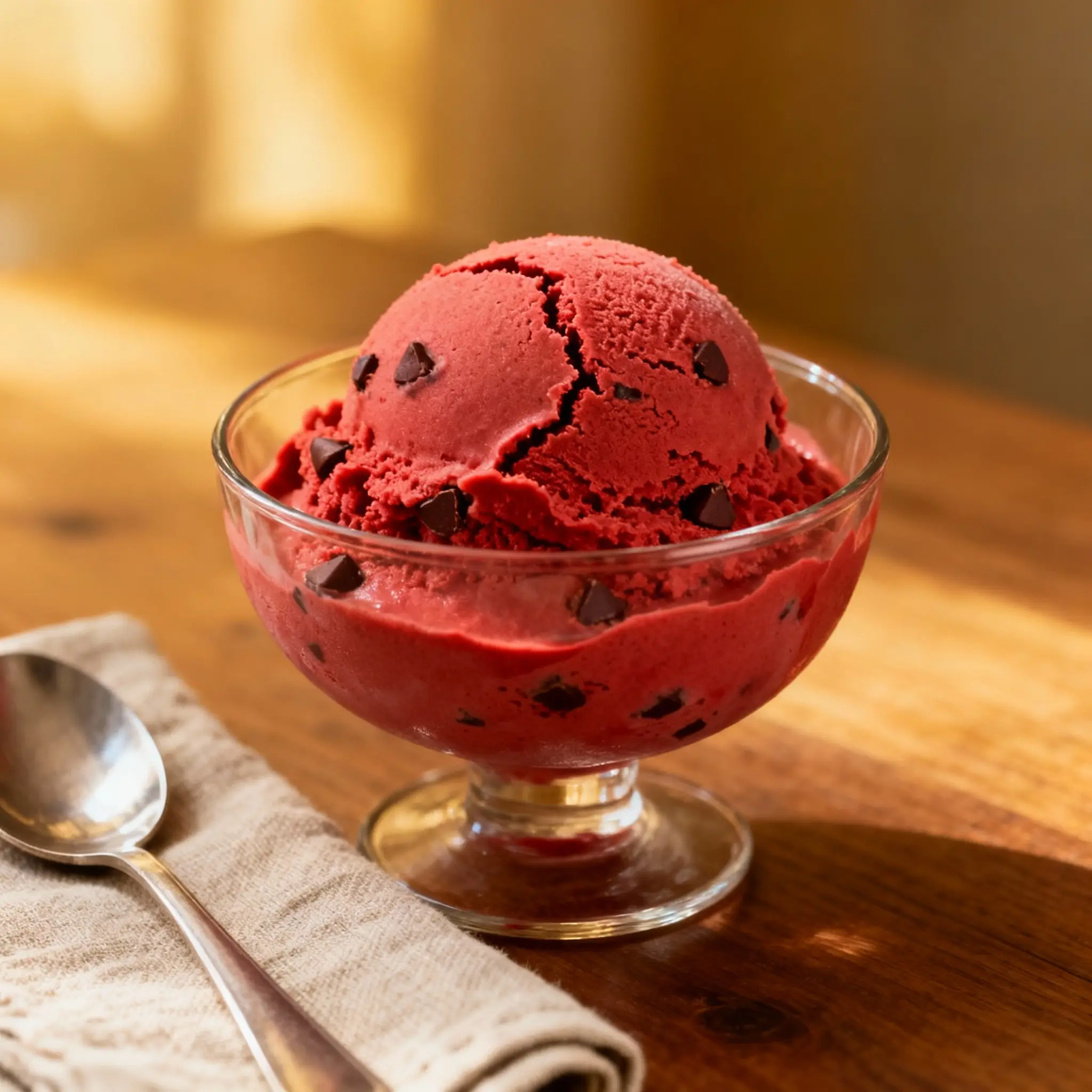
Red Velvet Gelato: A Luxurious Twist on a Classic Favorite
The History of Red Velvet Gelato
The story of red velvet gelato begins with the rich culinary legacy of red velvet cake, a dessert that first gained popularity in the early 20th century. Originating in the United States—particularly associated with Southern baking traditions—the original red hue came not from artificial coloring but from a natural chemical reaction between cocoa powder and acidic ingredients like buttermilk or vinegar. This reaction created a subtle reddish tint, later enhanced with food coloring to achieve the vibrant crimson we now recognize.
Gelato, on the other hand, hails from Italy, where it has been perfected over centuries. With its dense, creamy texture and intense flavor profile, gelato differs from traditional ice cream through lower fat content, slower churning, and warmer serving temperatures. The fusion of American red velvet culture with Italian gelato craftsmanship gave birth to red velvet gelato—a modern delicacy that marries two beloved desserts into one decadent experience.
While there is no definitive date pinpointing the invention of red velvet gelato, it began appearing in artisanal gelaterias around the 2010s, particularly in cosmopolitan cities embracing fusion desserts. Today, it’s a staple in many high-end gelato shops across North America, Europe, and parts of Asia, admired for its striking appearance and nostalgic flavor.
Ingredients Breakdown
The magic of red velvet gelato lies in the harmony of its components. Each ingredient plays a vital role in achieving the perfect balance of flavor, color, and texture:
- Whole Milk: Provides a creamy base without overwhelming richness. It contributes to smoothness while keeping the gelato lighter than heavy cream-based versions.
- Cream Cheese (or Mascarpone): Adds tanginess reminiscent of cream cheese frosting, which is essential for capturing the true essence of red velvet cake.
- Cocoa Powder (Unsweetened, Natural): Imparts a mild chocolate flavor without overpowering the delicate sweetness. Using natural rather than Dutch-processed cocoa helps maintain the slightly acidic profile needed for authenticity.
- Granulated Sugar: Sweetens the mixture and lowers the freezing point, resulting in a softer, scoopable texture.
- Eggs (Yolks): Act as an emulsifier and stabilizer, giving the gelato its velvety consistency and helping prevent ice crystal formation.
- Red Food Coloring (Gel-Based Preferred): Enhances the iconic red hue. While some purists argue against artificial coloring, gel-based dyes are more concentrated and produce a richer, more even color without altering flavor.
- Vanilla Extract: Complements the sweetness and adds aromatic depth.
- White Vinegar or Lemon Juice: Introduces slight acidity, mimicking the chemical reaction found in classic red velvet cake batter, enhancing both flavor and color development.
- Salt: Balances sweetness and amplifies other flavors subtly.
- Butter (Optional): A small amount can be added for extra silkiness and mouthfeel.
For those seeking authenticity, premium ingredients such as organic dairy, real vanilla bean paste, and non-GMO food coloring elevate the final product significantly.
Step-by-Step Recipe
Creating red velvet gelato at home is a rewarding process that requires attention to detail and patience. Follow these steps carefully for restaurant-quality results:
- Prepare the Base Mixture: In a medium saucepan, combine 2 cups of whole milk, 1 cup of heavy cream, and ¾ cup granulated sugar. Heat over medium heat until the mixture begins to steam but does not boil. Stir occasionally to dissolve the sugar completely.
- Whisk Egg Yolks: In a separate bowl, whisk together 4 large egg yolks until smooth and pale yellow. Gradually temper the yolks by slowly pouring about half of the warm milk mixture into them while whisking constantly to prevent scrambling.
- Combine and Cook: Pour the tempered yolk mixture back into the saucepan with the remaining milk mixture. Cook over low heat, stirring continuously with a wooden spoon or silicone spatula, until the custard thickens enough to coat the back of the spoon (around 170°F or 77°C). Do not let it boil.
- Add Flavor Components: Remove from heat. Stir in 3 oz of softened cream cheese (or mascarpone), 2 tablespoons of unsweetened cocoa powder, 1 teaspoon of vanilla extract, ¼ teaspoon of salt, and ½ teaspoon of white vinegar. Mix thoroughly until fully incorporated and smooth.
- Color It Red: Add red food coloring gradually—one teaspoon at a time—until you achieve a deep, luxurious red hue. For best results, use gel food coloring; liquid may dilute the mixture.
- Chill Thoroughly: Strain the mixture through a fine-mesh sieve into a clean bowl to remove any lumps. Cover with plastic wrap directly touching the surface to prevent a skin from forming. Refrigerate for at least 6–8 hours, preferably overnight, to ensure the mixture is completely cold before churning.
- Churn in Ice Cream Maker: Pour the chilled mixture into your gelato or ice cream maker and churn according to manufacturer instructions, typically 20–30 minutes, until it reaches a soft-serve consistency.
- Freeze to Set: Transfer the churned gelato to an airtight container. Press a sheet of parchment paper directly onto the surface to minimize ice crystals. Freeze for at least 4–6 hours, or until firm enough to scoop.
- Serve and Enjoy: Let the gelato sit at room temperature for 5–7 minutes before scooping. Garnish with whipped cream, mini white chocolate chips, or crumbled red velvet cake pieces for an indulgent presentation.
Tips for Perfect Red Velvet Gelato
- Use Gel Food Coloring: Liquid dyes can alter the texture and require larger quantities. Gel colors are concentrated and blend seamlessly into the base.
- Don’t Skip Tempering: Adding hot liquid too quickly to eggs will cause curdling. Always temper slowly and steadily.
- Strain the Custard: Even if it looks smooth, straining removes tiny cooked egg bits and ensures ultimate silkiness.
- Chill Overnight: Fully chilling the mixture improves texture and allows flavors to meld. Rushing this step leads to icy, grainy gelato.
- Avoid Over-Churning: Stop the machine once the gelato holds soft peaks. Over-processing can lead to buttering or separation.
- Serve at the Right Temperature: Gelato should be served slightly softer than ice cream—around -12°C (10°F). Too hard means it needs to warm up briefly.
- Store Properly: Keep in an airtight container with parchment pressed on the surface. Consume within 7–10 days for optimal freshness.
Variations and Customizations
One of the joys of making homemade red velvet gelato is the ability to customize it to your taste. Here are several creative twists:
- Swirl-In Cream Cheese Frosting: After churning, layer the gelato in the storage container with ribbons of sweetened cream cheese frosting for a marbled effect.
- Red Velvet Cake Crunch: Fold in small chunks of baked red velvet cake or crumbled cupcakes during the last minute of churning.
- White Chocolate Chips: Add ⅓ cup of mini white chocolate chips before freezing for texture contrast.
- Almond Extract Variation: Replace half the vanilla extract with almond extract for a nutty nuance that complements the cocoa.
- Dairy-Free Version: Substitute coconut milk for cream and use cashew cream cheese to make a vegan-friendly version.
- Low-Sugar Option: Use erythritol or monk fruit sweetener in place of sugar, though note that texture may vary slightly.
- Boozy Twist: Add a tablespoon of bourbon or Kahlúa for an adult-oriented flavor boost.
- Spiced Red Velvet: Infuse the milk with cinnamon, nutmeg, or a pinch of cayenne for a warm, complex profile.
- Pistachio Swirl: Create a luxurious swirl with bright green pistachio paste for visual drama and flavor contrast.
Health Considerations and Nutritional Value
Red velvet gelato is undeniably indulgent, so understanding its nutritional content helps in mindful consumption. A typical ½-cup (about 100g) serving contains approximately:
- Calories: 220–260 kcal
- Total Fat: 14–18g (mostly saturated from dairy)
- Carbohydrates: 20–25g (primarily from sugar)
- Protein: 4–5g (from eggs and milk)
- Cholesterol: ~90mg
- Sodium: ~120mg
While not a health food, red velvet gelato offers moderate protein and calcium from dairy sources. However, due to its high sugar and saturated fat content, it should be enjoyed in moderation, especially by individuals managing diabetes, heart conditions, or weight concerns.
To reduce caloric density:
- Use low-fat milk and omit heavy cream (though texture will be less creamy).
- Reduce sugar using alternative sweeteners compatible with custard bases.
- Leverage natural colorants like beetroot powder, though the flavor and intensity differ from artificial dyes.
Always consult dietary restrictions when serving to guests—consider allergens such as dairy, eggs, and potential gluten cross-contamination if adding cake mix-ins.
Ingredients
- 2 cups whole milk
- 1 cup heavy cream
- ¾ cup granulated sugar
- 4 large egg yolks
- 3 oz cream cheese, softened (or mascarpone)
- 2 tablespoons unsweetened natural cocoa powder
- 1 teaspoon pure vanilla extract
- ¼ teaspoon salt
- ½ teaspoon white vinegar
- Red gel food coloring (as needed, usually 1–2 teaspoons)
- (Optional) 1 tablespoon unsalted butter
Directions
- In a saucepan, heat milk, cream, and sugar over medium heat until steaming. Do not boil.
- Whisk egg yolks in a bowl. Slowly pour half the hot milk into the yolks, whisking constantly.
- Pour mixture back into the saucepan. Cook over low heat, stirring, until it coats the back of a spoon (~170°F).
- Remove from heat. Stir in cream cheese, cocoa powder, vanilla, salt, vinegar, and optional butter until smooth.
- Add red gel food coloring gradually until desired shade is achieved.
- Strain through a fine-mesh sieve into a bowl. Cover surface with plastic wrap and chill for 6–8 hours or overnight.
- Churn in an ice cream maker for 20–30 minutes until thick and creamy.
- Transfer to an airtight container, press parchment on top, and freeze for 4–6 hours.
- Allow to temper slightly before scooping. Serve with garnishes if desired.
FAQ
Q: Can I make red velvet gelato without an ice cream maker?
A: Yes, but the texture won’t be as smooth. Pour the mixture into a shallow pan, freeze, and stir every 30 minutes for 3–4 hours to break up ice crystals.
Q: Why is my gelato icy?
A: Likely causes include insufficient fat, under-chilling, or lack of stabilizers. Ensure all ingredients are cold, use adequate cream, and consider adding a bit of corn syrup or alcohol to inhibit crystallization.
Q: Can I use cake mix instead of cocoa powder?
A: Not recommended. Cake mixes contain leaveners and sugars that can disrupt the custard balance. Stick to pure cocoa for authentic flavor and texture.
Q: How do I get a brighter red without artificial dye?
A: Beetroot juice or powder can add a reddish tint, but they also introduce earthy flavors. Achieving the classic red velvet look naturally is challenging and often compromises taste.
Q: Is red velvet gelato gluten-free?
A: The base recipe is gluten-free, but always check labels on additives like vanilla extract or food coloring. Avoid cross-contamination if adding cake pieces.
Q: Can I double the batch?
A: Yes, but only churn one batch at a time to ensure proper aeration and freezing. Store extra base in the fridge for up to 2 days before processing.
Summary
Red velvet gelato blends the creamy elegance of Italian gelato with the nostalgic charm of American red velvet cake, creating a visually stunning and deliciously rich frozen treat. With careful preparation and quality ingredients, you can recreate this gourmet dessert at home for unforgettable moments of indulgence.