Introduction
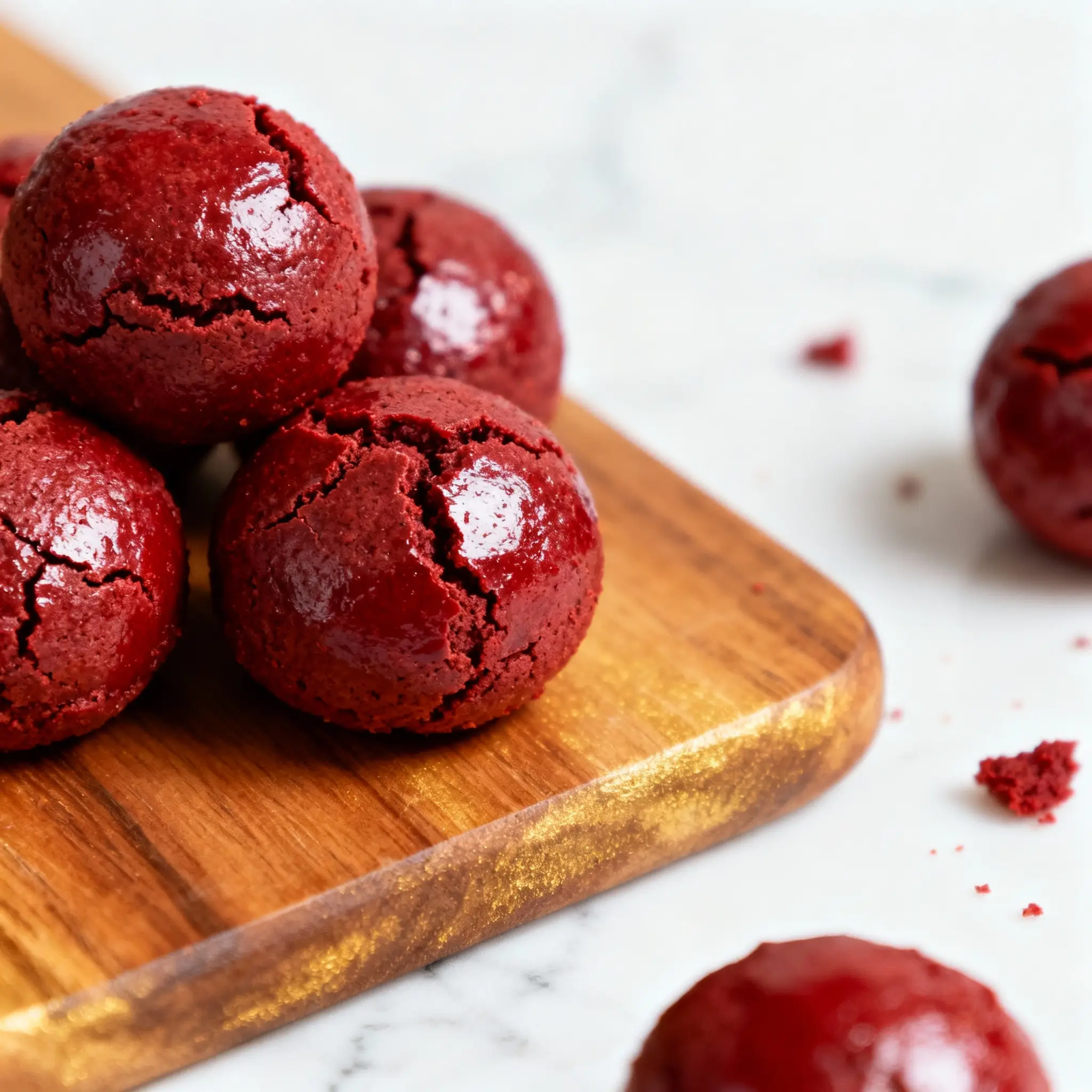
Red Velvet Donut Holes are the perfect bite-sized indulgence that combines the rich, velvety texture of red velvet cake with the irresistible softness of freshly fried donuts. These miniature treats are ideal for parties, brunches, dessert tables, or simply as a sweet afternoon snack. With their deep crimson hue, creamy cream cheese glaze, and tender crumb, Red Velvet Donut Holes deliver all the luxurious flavors of traditional red velvet in a fun, poppable format. Whether you’re a seasoned baker or trying your hand at homemade donuts for the first time, this recipe offers an approachable yet impressive way to enjoy one of America’s most beloved dessert flavors.
The History
The origins of red velvet cake can be traced back to the early 20th century, with roots believed to stem from the Southern United States. While the exact origin is debated, many food historians suggest that red velvet emerged during the Victorian era when bakers used non-cocoa chocolate cakes with a hint of cocoa, which created a soft, reddish tint due to the reaction between natural cocoa (which contains anthocyanin) and acidic ingredients like vinegar and buttermilk. The distinctive red color was further enhanced over time, especially after the advent of food coloring. The Adams Extract Company is often credited with popularizing red velvet cake in the 1920s by distributing recipes that showcased their red food dye.
The Waldorf-Astoria Hotel in New York also became associated with red velvet, claiming their version as a signature dessert served to elite guests. As the cake grew in popularity through the decades—bolstered by appearances in films and media—its appeal only intensified. Donuts, on the other hand, have a long history dating back to Dutch settlers in America who brought “olykoeks” (oily cakes). The evolution of filled and cake-style donuts in the 20th century opened the door for creative interpretations. Combining red velvet with the donut form is a modern twist, emerging in the late 2000s alongside the gourmet donut trend led by artisanal bakeries. Red Velvet Donut Holes represent a delicious fusion of heritage and innovation—a contemporary homage to two classic American desserts.
Ingredients Breakdown
Creating perfect Red Velvet Donut Holes starts with understanding each ingredient’s role in achieving the ideal flavor, color, and texture:
- All-Purpose Flour: Provides the structural base for the donut holes. It contains just the right amount of gluten to give them tenderness without being too chewy.
- Granulated Sugar: Adds sweetness and helps create a fine crumb structure. It also contributes to browning during frying.
- Baking Powder & Baking Soda: Leavening agents that help the donut holes rise. Baking soda reacts with acidic components (like buttermilk and vinegar), while baking powder provides additional lift.
- Salt: Enhances overall flavor and balances sweetness.
- Cocoa Powder (Unsweetened Natural): Imparts subtle chocolate flavor and contributes to the chemical reaction that creates the signature red hue when combined with acid.
- Eggs: Bind the ingredients together, add richness, and contribute to structure and moisture.
- Buttermilk: Adds tanginess, tenderness, and activates the baking soda. Its acidity is crucial for both flavor and leavening.
- Vegetable Oil or Melted Butter: Keeps the donut holes moist. Oil tends to yield a slightly softer texture, while butter adds flavor.
- Vanilla Extract: Enhances aroma and complements the mild cocoa notes.
- White Vinegar: Reacts with baking soda to create air bubbles, helping the donuts puff up. Also intensifies the red color.
- Red Food Coloring (Liquid or Gel): Gives the vibrant red appearance. Gel coloring is more concentrated and produces a deeper hue without thinning the batter.
- Frying Oil (Vegetable, Canola, or Peanut Oil): Used for deep frying. Must have a high smoke point and neutral flavor.
For the Cream Cheese Glaze:
- Cream Cheese (Full-Fat): Offers tanginess and richness, balancing the sweetness of the glaze.
- Butter (Unsalted): Adds smoothness and depth to the glaze.
- Powdered Sugar (Confectioners’ Sugar): Sweetens and thickens the glaze, giving it a silky consistency.
- Vanilla Extract: Boosts flavor profile.
- Milk or Cream: Adjusts the consistency so the glaze drapes smoothly over the warm donut holes.
Step-by-Step Recipe
- Prepare Your Equipment: Set up a deep fryer or heavy-bottomed pot (like a Dutch oven) and fill it with about 2–3 inches of oil. Attach a candy thermometer to monitor temperature. Heat oil to 350°F–360°F (175°C–180°C). Line a baking sheet with paper towels and place a wire rack on top for draining.
- Mix Dry Ingredients: In a large mixing bowl, sift together 2 cups all-purpose flour, ¾ cup granulated sugar, 1 tsp baking powder, ½ tsp baking soda, ¼ tsp salt, and 2 tbsp unsweetened natural cocoa powder. Sifting ensures no lumps and even distribution.
- Whisk Wet Ingredients: In another bowl, beat 1 large egg, then add ½ cup buttermilk, ¼ cup vegetable oil (or melted butter), 1 tsp vanilla extract, 1 tsp white vinegar, and 1–2 tbsp red food coloring (adjust for desired intensity). Whisk until smooth and uniformly colored.
- Combine Wet and Dry Mixtures: Gradually pour the wet mixture into the dry ingredients. Stir gently with a rubber spatula until just combined. Do not overmix—batter should be slightly thick and smooth, with minimal lumps. Overmixing leads to tough donuts.
- Rest the Batter: Let the batter sit for 5–10 minutes. This allows the leavening agents to activate and the flour to hydrate fully, resulting in lighter donut holes.
- Heat the Oil: While the batter rests, ensure oil maintains a steady 350°F–360°F. Too cool, and the donuts will absorb oil; too hot, and they’ll brown too quickly before cooking through.
- Fill a Piping Bag (Optional): For precision, transfer batter to a piping bag fitted with a large round tip (about ½ inch). Alternatively, use two spoons to drop small portions into the oil.
- Fry the Donut Holes: Carefully pipe or spoon golf ball-sized portions (about 1 tbsp each) into the hot oil. Do not overcrowd—fry 4–6 at a time. Fry for 2–3 minutes, turning occasionally with a slotted spoon or spider strainer, until golden brown and cooked through.
- Drain and Cool: Remove donut holes with a slotted spoon and place on the wire rack over paper towels. Let cool for 3–5 minutes before glazing.
- Prepare Cream Cheese Glaze: While donuts cool, beat 4 oz softened cream cheese and 2 tbsp softened butter until smooth. Gradually add 1½ cups powdered sugar, 1 tsp vanilla, and 1–2 tbsp milk, adjusting until the glaze reaches a thick but pourable consistency.
- Glaze the Donut Holes: Dip the top of each warm donut hole into the glaze, allowing excess to drip off. Place glazed-side-up on the rack for the glaze to set slightly.
- Serve or Store: Enjoy immediately for best texture. Optionally, sprinkle with festive sprinkles or crushed pecans before the glaze sets.
Tips
- Monitor Oil Temperature Closely: Use a reliable candy thermometer. Fluctuations affect texture—maintaining 350°F is key for even cooking and minimal oil absorption.
- Don’t Overmix the Batter: Overmixing develops gluten, leading to dense, chewy donuts. Mix until just combined—even a few small lumps are okay.
- Use Gel Food Coloring: It delivers intense color without altering the batter’s consistency. Liquid coloring may require more volume, potentially thinning the batter.
- Fry in Small Batches: Adding too many at once lowers oil temperature and causes uneven browning.
- Keep Donut Holes Uniform: Consistent size ensures even cooking. A cookie scoop or piping bag helps achieve uniformity.
- Glaze While Warm: Warm donuts allow the glaze to adhere better and slightly melt into the surface for a seamless finish.
- Double the Glaze for Dipping: If you prefer a thicker glaze layer, consider making extra or using a dipping method rather than drizzling.
- Reuse Oil Safely: After cooling, strain oil through cheesecloth and store in a sealed container. Reuse up to 3 times for frying, provided it hasn’t smoked or darkened excessively.
Variations and Customizations
Red Velvet Donut Holes are incredibly versatile. Here are some creative ways to personalize them:
- Gluten-Free Version: Substitute all-purpose flour with a quality gluten-free flour blend containing xanthan gum. Ensure other ingredients (like baking powder) are certified gluten-free.
- Vegan Option: Replace eggs with flax eggs (1 tbsp ground flaxseed + 3 tbsp water per egg), use plant-based buttermilk (1 cup almond milk + 1 tbsp vinegar), vegan butter, and dairy-free cream cheese. Choose refined coconut oil or vegetable shortening for frying if needed.
- Baked Donut Holes: For a healthier twist, bake instead of fry. Fill a mini muffin tin lined with paper liners about ⅔ full. Bake at 350°F for 10–12 minutes. Glaze as usual.
- Flavored Glazes: Swap cream cheese glaze for white chocolate ganache, maple glaze, or a simple powdered sugar glaze with red food coloring for a sweeter profile.
- Add-Ins: Fold in ¼ cup mini chocolate chips, crushed pecans, or chopped walnuts into the batter for added texture.
- Stuffed Donut Holes: Pipe in a small amount of cream cheese filling, Nutella, or raspberry jam after frying using a piping needle.
- Seasonal Themes
: Add peppermint extract and green sprinkles for Christmas, pastel colors for Easter, or edible glitter for weddings and birthdays.
- Dairy-Free Glaze: Use dairy-free cream cheese and butter alternatives for those with sensitivities.
- Mini Bundt Pan Version: Make larger red velvet donuts using a bundtlette pan and bake for 18–20 minutes. Glaze and serve as elegant individual desserts.
Health Considerations and Nutritional Value
While undeniably delicious, Red Velvet Donut Holes are a treat best enjoyed in moderation. Here’s a general nutritional overview per serving (approximately 3 donut holes with cream cheese glaze):
- Calories: ~300–350 kcal
- Total Fat: ~18–22g (includes saturated fat from frying and dairy)
- Carbohydrates: ~35–40g (mostly from sugar and refined flour)
- Protein: ~3–4g
- Sodium: ~200–300mg
- Sugars: ~20–25g (combined from granulated and powdered sugar)
Considerations:
- Fried Foods: Deep frying increases fat and calorie content. For lower-fat options, consider baking instead.
- Sugar Content: High in added sugars. Those managing blood sugar levels or following low-sugar diets should consume sparingly.
- Food Coloring: Artificial dyes (especially Red 40) are common in red velvet recipes. Natural alternatives include beetroot powder or boiled-down beet juice, though results may vary in color intensity.
- Dairy and Eggs: Contains common allergens. Vegan and allergy-friendly substitutions are available, as noted above.
- Portion Control: Serve on a decorative platter with fruit or yogurt to balance the dessert spread.
Despite their indulgence, these donut holes can be part of a balanced diet when enjoyed occasionally. Pairing them with fresh berries or a side of Greek yogurt can help offset richness.
Ingredients
For the Donut Holes:
- 2 cups all-purpose flour
- ¾ cup granulated sugar
- 1 teaspoon baking powder
- ½ teaspoon baking soda
- ¼ teaspoon salt
- 2 tablespoons unsweetened natural cocoa powder
- 1 large egg
- ½ cup buttermilk
- ¼ cup vegetable oil or melted unsalted butter
- 1 teaspoon vanilla extract
- 1 teaspoon white vinegar
- 1–2 tablespoons red food coloring (gel recommended)
- Vegetable, canola, or peanut oil (for frying, approx. 4–6 cups)
For the Cream Cheese Glaze:
- 4 ounces cream cheese, softened
- 2 tablespoons unsalted butter, softened
- 1½ cups powdered sugar
- 1 teaspoon vanilla extract
- 1–2 tablespoons milk or heavy cream
Directions
- In a large bowl, sift together flour, sugar, baking powder, baking soda, salt, and cocoa powder. Set aside.
- In a medium bowl, whisk egg, then add buttermilk, oil (or melted butter), vanilla, vinegar, and red food coloring. Mix until smooth and vividly red.
- Pour wet ingredients into dry ingredients. Stir gently with a spatula until just combined. Let batter rest for 5–10 minutes.
- Heat oil in a deep pot or fryer to 350°F–360°F. Use a candy thermometer for accuracy.
- Transfer batter to a piping bag fitted with a ½-inch round tip, or use two spoons.
- Working in batches, carefully drop 1-tablespoon portions into hot oil. Fry 4–6 at a time for 2–3 minutes, turning occasionally, until golden and cooked through.
- Remove with a slotted spoon and drain on a wire rack over paper towels.
- Let donut holes cool slightly (3–5 minutes) while preparing glaze.
- To make glaze: Beat cream cheese and butter until smooth. Add powdered sugar, vanilla, and milk one tablespoon at a time until smooth and drizzle-consistent.
- Dip the top of each warm donut hole into the glaze. Place on rack to set.
- Optional: Decorate with sprinkles, crushed nuts, or edible glitter before glaze hardens.
- Serve immediately. Store leftovers in an airtight container at room temperature for up to 1 day or refrigerate for up to 3 days (reheat slightly before serving).
FAQ
Q: Can I bake these instead of frying?
A: Yes! Pour batter into a greased or lined mini muffin tin, filling each cup ⅔ full. Bake at 350°F for 10–12 minutes. Cool and glaze as directed.
Q: Why is my batter not red enough?
A: Natural cocoa and vinegar create a slight red tint, but food coloring is essential for the iconic look. Use gel coloring for stronger pigment without thinning the batter.
Q: Can I make the batter ahead of time?
A: It’s best to fry immediately after mixing. The leavening agents begin working as soon as wet and dry ingredients combine. For prep-ahead, mix dry and wet separately and combine just before frying.
Q: How do I store leftover donut holes?
A: Store in an airtight container at room temperature for up to 1 day. Refrigerate for up to 3 days. Bring to room temperature or warm briefly before serving.
Q: Can I freeze Red Velvet Donut Holes?
A: Yes. Freeze unglazed donut holes on a tray, then transfer to a freezer bag. Freeze for up to 2 months. Thaw, warm, and glaze before serving.
Q: What oil is best for frying donuts?
A: Neutral oils with high smoke points work best—canola, vegetable, or peanut oil. Avoid olive oil due to its strong flavor and low smoke point.
Q: Why did my donut holes absorb too much oil?
A: Likely cause: oil temperature dropped below 350°F. Fry in small batches and allow oil to reheat between batches.
Q: Can I use dutch-process cocoa?
A: Not recommended. Dutch-process cocoa is alkalized and won’t react properly with the vinegar and baking soda, reducing rise and affecting color development. Stick with natural cocoa.
Summary
Indulge in soft, fluffy Red Velvet Donut Holes bursting with rich cocoa flavor and vibrant color, crowned with luscious cream cheese glaze for the ultimate dessert experience.
Perfect for celebrations or cozy treats, these bite-sized delights combine classic red velvet charm with the joy of warm, fresh donuts—simple to make, impossible to resist.