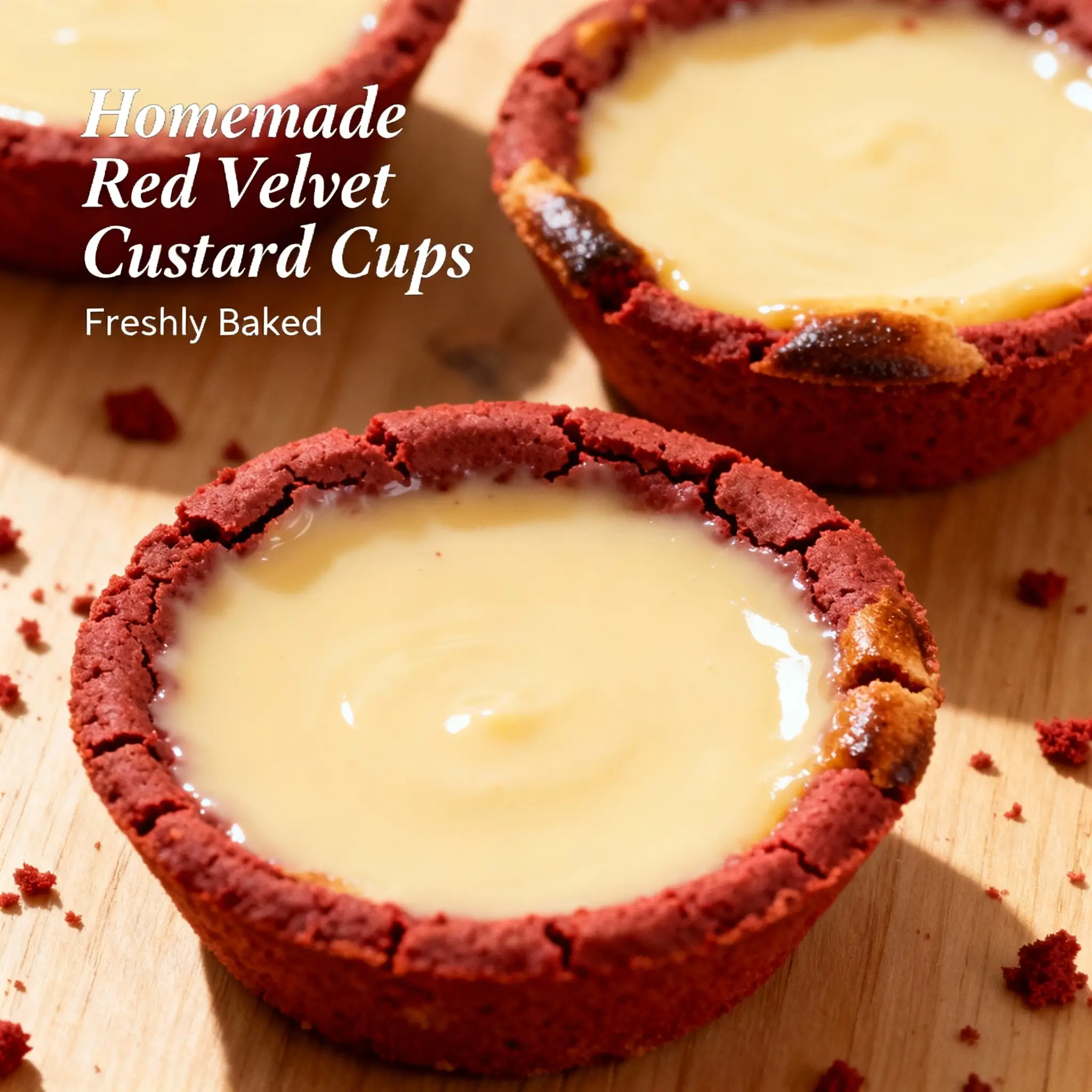
Red Velvet Custard Cups: A Decadent Fusion of Flavor and Elegance
The History of Red Velvet Custard Cups
The story of Red Velvet Custard Cups begins with the rich legacy of red velvet desserts, a culinary tradition that traces its roots back to early 20th-century America. While the origins of red velvet cake remain somewhat shrouded in mystery—ranging from accidental discoveries involving beets to clever marketing strategies by baking companies—the deep crimson crumb quickly became a symbol of indulgence and celebration. Traditionally associated with Southern American cuisine, red velvet cake gained widespread popularity during the 1920s and 1930s, particularly through the efforts of the Waldorf-Astoria Hotel and later, the Adams Extract Company, which promoted recipes using their red food coloring.
Custard, on the other hand, has a much older and more global history. Originating in medieval Europe, custards were initially savory preparations made with eggs and broth. Over time, sweet versions evolved using milk or cream, sugar, and aromatic flavorings such as vanilla. By the 18th century, custard had become a staple dessert across Europe, enjoyed in various forms including pots de crème, flan, and crème brûlée.
The fusion of these two beloved desserts—red velvet cake and creamy custard—into Red Velvet Custard Cups is a modern innovation born out of the desire for new textures and presentation styles. Emerging prominently in the late 2000s during the height of the red velvet craze, this hybrid dessert combines the velvety texture of baked custard with the signature color and subtle cocoa-vanilla flavor of red velvet. Served in elegant ramekins or glass cups, Red Velvet Custard Cups offer an upscale twist perfect for dinner parties, holiday gatherings, or romantic evenings. Their visual appeal, with a smooth ruby-hued surface often topped with white chocolate shavings or cream cheese swirls, makes them not just a treat for the palate but also a feast for the eyes.
Ingredients Breakdown: What Makes These Custard Cups Special?
Red Velvet Custard Cups owe their unique character to a carefully balanced blend of ingredients that merge classic custard elements with the distinctive features of red velvet cake. Each component plays a crucial role in achieving the final texture, flavor, and appearance of the dessert.
- Whole Milk and Heavy Cream: These form the base of the custard, providing richness and a luxurious mouthfeel. The fat content ensures a silky-smooth consistency after baking and chilling.
- Granulated Sugar: Adds sweetness while helping to stabilize the egg mixture. It also contributes to the slight caramelization on the surface when broiled or torched.
- Egg Yolks: The backbone of any custard, egg yolks act as a natural thickener when gently heated. They give the custard its dense yet creamy structure without being heavy.
- Unsweetened Cocoa Powder: Used in small amounts to echo the chocolate notes found in traditional red velvet cake. It adds depth without overpowering the delicate balance of flavors.
- Red Food Coloring (Gel-Based Preferred): This gives the custard its iconic vibrant hue. Gel-based coloring is recommended over liquid because it delivers intense color without altering the liquid ratio of the recipe.
- Vanilla Extract: Enhances the overall aroma and complements both the cocoa and dairy components, tying all flavors together harmoniously.
- Salt: A pinch enhances all other flavors and prevents the dessert from tasting flat or overly sweet.
- White Vinegar (optional but traditional): Some bakers include a small amount to mimic the slight tanginess associated with red velvet cake, enhancing authenticity.
- Cream Cheese (for swirl variation): When incorporated into the custard or swirled on top before serving, it adds a tangy contrast reminiscent of red velvet frosting.
- Butter (unsalted, melted – optional): For added silkiness and gloss, especially in premium versions where extra richness is desired.
Optional garnishes may include whipped cream, crushed red velvet cake crumbs, white chocolate curls, edible glitter, or fresh berries. These elevate both the aesthetic and sensory experience.
Step-by-Step Recipe: How to Make Perfect Red Velvet Custard Cups at Home
Creating flawless Red Velvet Custard Cups requires attention to detail, patience, and a gentle hand. Follow this detailed guide to achieve restaurant-quality results in your own kitchen.
Ingredients
- 2 cups whole milk
- 1 cup heavy cream
- ¾ cup granulated sugar
- 5 large egg yolks
- 2 tablespoons unsweetened cocoa powder (Dutch-processed preferred)
- 1–2 teaspoons red gel food coloring (adjust for intensity)
- 1 teaspoon pure vanilla extract
- Pinch of fine sea salt
- ½ teaspoon distilled white vinegar (optional)
- 1 tablespoon unsalted butter, melted (optional)
- For topping (optional): whipped cream, cream cheese swirl, white chocolate shavings
Equipment Needed
- Medium saucepan
- Whisk
- Mixing bowls (heatproof)
- Fine mesh strainer
- Measuring cups and spoons
- Electric mixer or hand whisk (if adding cream cheese swirl)
- 6 ramekins (4-ounce capacity) or custard cups
- Roasting pan or deep baking dish
- Kitchen torch (optional, for finishing)
Directions
- Preheat Oven & Prepare Water Bath: Preheat your oven to 325°F (160°C). Place six 4-ounce ramekins in a large roasting pan. Fill a kettle with water and keep it warm—this will be used for the water bath (bain-marie).
- Heat Dairy Mixture: In a medium saucepan, combine the whole milk, heavy cream, half of the sugar (about ⅓ cup), and a pinch of salt. Heat over medium-low heat until the mixture begins to steam and small bubbles form around the edges (do not boil). Remove from heat immediately.
- Bloom Cocoa Powder: In a separate bowl, whisk together the cocoa powder with the remaining sugar and a few tablespoons of warm milk mixture to create a smooth paste. This prevents lumps when combining everything later.
- Temper Egg Yolks: In a large mixing bowl, whisk the egg yolks until smooth and slightly pale. Slowly pour about one-third of the hot milk mixture into the yolks while continuously whisking to prevent scrambling. Then, gradually add the rest in a steady stream, still whisking constantly.
- Combine All Ingredients: Pour the tempered yolk mixture back into the saucepan with the remaining milk. Stir in the cocoa paste until fully incorporated. Return to low heat and cook gently, stirring constantly with a wooden spoon or silicone spatula, until the mixture thickens enough to coat the back of the spoon (about 170–175°F or 77°C). Do not let it boil.
- Add Flavor & Color: Remove from heat. Stir in the vanilla extract, red gel food coloring, white vinegar (if using), and melted butter (if using). Mix thoroughly until the color is uniformly deep red and the mixture is glossy.
- Strain for Smoothness: Strain the custard through a fine mesh sieve into a clean pitcher or large measuring cup. This step removes any cooked egg bits or cocoa clumps, ensuring a perfectly smooth texture.
- Fill Ramekins: Carefully divide the custard evenly among the prepared ramekins. Wipe any spills from the rims to ensure even cooking.
- Create Water Bath: Gently pour the warm water into the roasting pan until it reaches halfway up the sides of the ramekins. This gentle steaming environment prevents cracking and ensures even doneness.
- Bake: Carefully transfer the roasting pan to the preheated oven. Bake for 35–45 minutes, or until the custards are set around the edges but still slightly jiggly in the center (like Jell-O).
- Cool & Chill: Remove the ramekins from the water bath using tongs or a slotted spatula. Let them cool to room temperature on a wire rack (about 30 minutes). Cover each lightly with plastic wrap (touching the surface to prevent skin formation) and refrigerate for at least 4 hours—or preferably overnight—for optimal texture and flavor development.
- Serve: Before serving, optionally top with whipped cream, a swirl of sweetened cream cheese, or white chocolate shavings. For a dramatic finish, use a kitchen torch to lightly caramelize the surface of whipped cream toppings.
Tips for Success: Mastering Your Red Velvet Custard Cups
To ensure your Red Velvet Custard Cups turn out flawlessly every time, consider these expert tips:
- Use Gel Food Coloring: Liquid dyes dilute the mixture and require larger quantities, potentially affecting texture. Gel provides bold color with minimal volume.
- Don’t Skip Tempering: Adding hot liquid too quickly to egg yolks can cause curdling. Always temper slowly and whisk vigorously.
- Low and Slow Baking: Custards benefit from gentle, indirect heat. Avoid high temperatures which can lead to cracks or rubbery texture.
- Check Doneness Properly: Insert a knife near the edge—it should come out clean. The center should have a slight wiggle, not a wave.
- Chill Thoroughly: Rushing the chilling process compromises texture. Overnight refrigeration yields the creamiest result.
- Prevent Skin Formation: Press plastic wrap directly onto the surface of each custard after cooling to avoid a dry film.
- Uniform Ramekins: Use identical-sized dishes so they bake evenly. Glass or ceramic works best.
- Avoid Overmixing After Cooking: Once off the heat, stir only enough to incorporate flavorings. Excessive whisking can introduce air bubbles.
- Keep Water Level Consistent: If water evaporates during baking, carefully add more hot water halfway through to maintain the halfway mark.
- Room Temperature Eggs Help: Cold yolks can cool the milk too quickly; bring them close to room temp before starting.
Variations and Customizations: Make It Your Own
One of the joys of Red Velvet Custard Cups is their versatility. Whether you’re catering to dietary needs, seasonal themes, or personal taste preferences, there are countless ways to customize this dessert.
Flavor Twists
- Cream Cheese Swirl: Beat together 4 oz softened cream cheese, 2 tbsp powdered sugar, and ½ tsp vanilla. Drop spoonfuls onto partially set custard before final baking, then swirl with a toothpick.
- Peppermint Red Velvet: Add ¼ tsp peppermint extract along with vanilla for a festive holiday version. Top with crushed candy canes.
- Spiced Red Velvet: Infuse the milk with cinnamon stick, nutmeg, and clove for a warm autumnal twist.
- Boozy Version: Stir in 1–2 tsp bourbon, amaretto, or Kahlúa after removing from heat for an adult-only treat.
Dietary Modifications
- Dairy-Free: Substitute oat milk or almond milk for whole milk and coconut cream for heavy cream. Use vegan butter if desired.
- Lower Sugar: Replace sugar with erythritol or monk fruit blend suitable for baking. Reduce cocoa if sweetness is masked.
- Egg-Free: Use cornstarch (2 tbsp per cup of liquid) or agar-agar as thickening agents instead of eggs, though texture will differ slightly.
- Gluten-Free: Naturally gluten-free, provided all ingredients (especially food coloring) are certified GF.
Presentation Ideas
- Layered Parfaits: Alternate layers of red velvet custard with crumbled red velvet cake and whipped cream in clear glasses.
- Mini Mason Jar Desserts: Serve chilled custards in small mason jars with ribbon wraps for rustic charm.
- Edible Glitter Finish: Dust with edible gold or red luster dust for weddings or Valentine’s Day.
- Seasonal Garnishes: Top with pomegranate seeds in winter, raspberries in spring, or mint leaves in summer.
Health Considerations and Nutritional Value
While undeniably decadent, understanding the nutritional profile of Red Velvet Custard Cups allows for mindful enjoyment. Here’s a breakdown per serving (one 4-oz cup, based on standard recipe):
| Nutrient | Amount Per Serving |
|---|---|
| Calories | ~280 kcal |
| Total Fat | 18g (Saturated: 10g) |
| Cholesterol | 185mg |
| Sodium | 65mg |
| Total Carbohydrates | 25g (Dietary Fiber: 1g, Sugars: 23g) |
| Protein | 5g |
| Vitamin A | 12% DV |
| Calcium | 10% DV |
| Iron | 6% DV |
Key Health Notes:
- High in Saturated Fat: Due to cream and egg yolks, this dessert is rich and calorie-dense. Enjoy in moderation, especially for those managing heart health.
- Sugar Content: With 23g of sugar per cup, individuals monitoring blood glucose should consume sparingly or explore reduced-sugar alternatives.
- Cholesterol: Contains significant cholesterol from egg yolks; those with specific dietary restrictions may need to limit intake.
- Lactose Sensitivity: Not suitable for lactose-intolerant individuals unless modified with lactose-free dairy substitutes.
- Protein Source: Provides moderate protein from eggs and dairy, supporting satiety despite its dessert status.
- No Artificial Preservatives: When made at home with quality ingredients, this dessert avoids the preservatives common in store-bought versions.
For a lighter version, consider using half-and-half instead of heavy cream, reducing sugar by 25%, and increasing vanilla to compensate for lost sweetness perception. However, note that texture may be less luxurious.
Frequently Asked Questions (FAQ)
Can I make Red Velvet Custard Cups ahead of time?
Yes! These custards actually improve when made 1–2 days in advance. Chilling allows flavors to meld and texture to firm up. Store covered in the refrigerator and add toppings just before serving.
Why did my custards crack?
Cracking usually occurs due to overbaking or uneven heating. Ensure your oven temperature is accurate, use a water bath, and remove custards when centers still have a slight jiggle.
Can I freeze Red Velvet Custard Cups?
Freezing is not recommended, as dairy-based custards tend to separate upon thawing, resulting in a grainy texture. Refrigeration is ideal for storage up to 4 days.
Is red food coloring safe?
Most commercial red gel food colorings are FDA-approved and considered safe in moderate amounts. For natural alternatives, consider beet juice powder or pomegranate concentrate, though color intensity may vary.
Can I use whole eggs instead of just yolks?
You can, but the texture will be less creamy and more quiche-like. Egg whites increase firmness and reduce silkiness. Stick to yolks for authentic custard texture.
How do I get a deeper red color?
Increase gel food coloring gradually, one drop at a time. Some brands offer “no-taste” super-concentrated reds ideal for desserts. Avoid boiling the mixture, as heat can dull the color.
Can I make a vegan version?
Absolutely! Use full-fat coconut milk, cashew cream, agar-agar or cornstarch as thickeners, plant-based food coloring, and maple syrup or coconut sugar for sweetness. Blend well and chill thoroughly.
What can I serve with Red Velvet Custard Cups?
Pair with shortbread cookies, chocolate-dipped strawberries, or a crisp white wine like Riesling. For brunch, serve alongside waffles or French toast.
Summary
Red Velvet Custard Cups are a luxurious fusion dessert that marries the iconic flavor and color of red velvet cake with the silky elegance of baked custard. Perfect for special occasions or elegant dinner parties, they deliver a rich, creamy experience with a visually stunning presentation.
Made with simple pantry staples and elevated by careful technique, these custards can be customized for dietary needs and flavored in endless ways—making them a timeless favorite for modern bakers seeking both beauty and taste in every bite.