Introduction
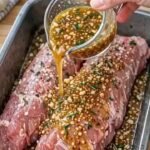
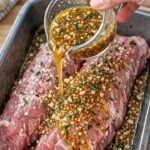
Imagine coming home on a crisp autumn evening—or even a rainy Tuesday in spring—to the warm, caramelized aroma of honey, garlic, and rosemary gently enveloping your kitchen. This one-sauce pork tenderloin isn’t just dinner—it’s comfort redefined. Simple in execution yet deeply layered in flavor, it transforms an unassuming cut of meat into a restaurant-worthy centerpiece with minimal hands-on time. Whether you’re feeding a family of four, hosting a casual Sunday supper, or meal prepping for elegant weekday lunches, this recipe delivers tenderness, balance, and soul-satisfying richness—all from a single, thoughtfully crafted sauce poured generously over the pork before roasting.
The History
The concept of “one-sauce” roasting—where a unified, multifunctional glaze or marinade both seasons and bastes the protein—has roots stretching across culinary traditions. In French cuisine, en papillote and à l’étouffée techniques emphasized self-basting environments; in Korean cooking, dwaeji gui (grilled pork) often relies on a single fermented-sweet-savory marinade that doubles as a finishing glaze. American home cooks in the mid-20th century popularized the “dump-and-bake” method, but modern iterations like this one elevate simplicity with intentionality: no last-minute whisking, no separate gravy step, no frantic sauce reduction—just one harmonious blend that evolves in the oven. This particular formulation draws inspiration from Provençal herb gardens (rosemary, thyme), Appalachian pantry staples (apple cider vinegar, local honey), and Japanese-inspired umami depth (a whisper of tamari instead of plain soy sauce)—a true transcontinental comfort classic born in the everyday kitchen.
Ingredients Breakdown
Every ingredient here serves a precise functional and sensory role—no filler, no afterthoughts:
- Pork Tenderloin (1–1.25 lbs): Lean, tender, and quick-cooking—ideal for absorbing bold flavors without drying out. Its mild base acts like a canvas, letting the sauce shine while contributing subtle sweetness and delicate texture.
- Raw Local Honey (¼ cup): Not just sweetener—its natural enzymes and fructose content promote gentle caramelization and glossy sheen. Raw honey adds floral complexity and trace antioxidants often lost in ultra-filtered varieties.
- Extra-Virgin Olive Oil (3 tbsp): Adds richness, aids in emulsifying the sauce, and carries fat-soluble aromatics (like rosemary’s camphor and thyme’s thymol) directly into the meat fibers.
- Fresh Garlic (4 large cloves, finely minced): Raw garlic provides pungent, bright heat—but roasting mellows it into deep, nutty sweetness. Mincing maximizes surface area for flavor infusion.
- Fresh Rosemary (1½ tsp finely chopped, plus 2 whole sprigs): Piney, resinous, and slightly medicinal—rosemary’s terpenes bind to fats and help inhibit oxidation during roasting, preserving freshness and adding aromatic backbone.
- Fresh Thyme (1 tsp leaves stripped from stems): Earthy, lemony, and subtly minty—complements rosemary without competing, enhancing herbal dimension and balancing honey’s richness.
- Apple Cider Vinegar (2 tbsp): Bright acidity cuts through fat, tenderizes surface proteins via mild denaturation, and lifts the entire profile so the dish never feels cloying or heavy.
- Tamari (2 tbsp, gluten-free): Richer, less salty, and more nuanced than standard soy sauce—adds fermented depth, savory umami (from hydrolyzed wheat protein and koji cultures), and a subtle molasses-like roundness.
- Dijon Mustard (1½ tbsp): Emulsifier + flavor amplifier—its mustard oil compounds add gentle heat and tang, while its viscosity helps the sauce cling to the pork during roasting.
- Smoked Paprika (1 tsp): Not for heat—but for aroma. Cold-smoked Spanish paprika contributes velvety warmth, hints of dried fruit, and a haunting campfire nuance that deepens the roast’s complexity.
- Black Pepper (1 tsp freshly ground): Piperine enhances bioavailability of other phytonutrients (like rosmarinic acid in rosemary) and adds aromatic spice that blooms under heat.
- Sea Salt (1 tsp fine gray or flaky Maldon, plus more for finishing): Enhances all other flavors, controls moisture migration, and supports proper protein coagulation for optimal juiciness.
- Optional Garnish: Toasted walnuts, micro arugula, and shaved fennel ribbons—for textural contrast, peppery freshness, and anise-kissed brightness that cuts the richness.
Step-by-Step Recipe
- Prep the Pork: Pat the tenderloin *very* dry with paper towels—this is non-negotiable for achieving a golden sear and sauce adhesion. Trim any visible silver skin or excess fat, then lightly score the surface diagonally in a shallow diamond pattern (¼-inch deep) to allow deeper sauce penetration.
- Make the Sauce: In a medium bowl, whisk together honey, olive oil, minced garlic, chopped rosemary, thyme leaves, apple cider vinegar, tamari, Dijon mustard, smoked paprika, black pepper, and salt until fully emulsified and smooth—about 90 seconds. Let rest 5 minutes to allow garlic’s allicin to mellow and herbs to infuse the oil.
- Marinate (Briefly but Boldly): Place pork in a shallow ceramic or glass dish. Pour two-thirds of the sauce over the meat, turning to coat evenly. Let sit at room temperature for 20 minutes—*no longer*, as the vinegar can begin to “cook” the outer layer and affect texture.
- Preheat & Prep Pan: Position oven rack in the lower third. Preheat oven to 400°F (204°C). Line a heavy-duty rimmed baking sheet with parchment paper, then place a wire roasting rack on top. Tuck the two whole rosemary sprigs beneath the rack—they’ll perfume the roasting environment.
- Roast Low, Then Crank High: Place marinated pork on the rack. Roast uncovered for 20 minutes at 400°F. Then, *without opening the oven*, reduce heat to 375°F and continue roasting 15–18 minutes more—until internal temperature reaches 140°F (60°C) at the thickest part (measured with an instant-read thermometer inserted sideways, not touching fat or bone).
- Rest & Glaze: Remove pork from oven and transfer to a cutting board. Tent *loosely* with foil and rest 10 minutes—this allows juices to redistribute. While resting, pour remaining one-third of sauce into a small saucepan. Simmer over medium-low heat 3–4 minutes until slightly thickened and glossy. Stir in 1 tsp cold butter (optional, for extra silkiness).
- Carve & Serve: Slice pork crosswise into ½-inch medallions. Arrange on a warmed platter. Drizzle generously with warm glaze. Scatter with reserved whole rosemary sprigs, flaky sea salt, and optional garnishes. Serve immediately.
Tips
- Temperature is Truth: Pork tenderloin is lean—overcooking by even 5°F past 145°F leads to noticeable dryness. Invest in a reliable instant-read thermometer; don’t guess.
- Room Temp Matters: Taking the pork from fridge to oven causes uneven cooking and steam buildup. Always bring to 65–70°F first (20–30 min on counter).
- Vinegar Timing: If marinating longer than 20 minutes, omit the vinegar from the initial mix and stir it in just before pouring over the pork—preserves texture.
- Parchment > Foil: Parchment prevents sticking *and* allows airflow for better browning. Foil traps steam and steams the bottom.
- Rack = Even Roasting: Elevating the pork ensures hot air circulates fully—no soggy undersides, no pooling sauce, no steaming.
- Glaze Late, Not Early: Applying the full sauce before roasting risks burning sugars. Reserve part for finishing—creates shine, freshness, and balanced sweetness.
- Slice Against the Grain: Tenderloin fibers run long and parallel—slicing perpendicular shortens them, maximizing tenderness in every bite.
- Leftovers Love Reinvention: Chilled slices make sublime grain bowl toppings, salad additions (with bitter greens and roasted squash), or breakfast hash mix-ins.
Variations and Customizations
This one-sauce foundation is endlessly adaptable—swap intelligently, not randomly:
- For Heat Lovers: Add ½ tsp gochujang (Korean chili paste) to the sauce + 1 finely minced Fresno chile—fermented heat + fresh fruitiness.
- For Citrus Brightness: Replace apple cider vinegar with yuzu juice or blood orange zest + juice (2 tbsp total); add ½ tsp crushed coriander seed.
- For Herbal Elegance: Swap rosemary/thyme for 1 tbsp fresh tarragon leaves + 1 tsp lemon verbena—delicate, anise-tinged, and spring-fresh.
- For Umami Bomb: Add 1 tsp white miso paste + ½ tsp nutritional yeast to the sauce—deepens savoriness without overpowering.
- For Low-Sugar/Keto: Substitute honey with 3 tbsp date paste (soaked & blended) + 1 tsp monk fruit extract; increase tamari to 3 tbsp for body.
- For Vegetarian Twist: Use extra-firm marinated tempeh or king oyster mushroom “steaks”—score deeply, press well, and roast same method.
- For Holiday Glam: Stir 1 tbsp pomegranate molasses + 2 tsp crushed pistachios into the final glaze; garnish with pomegranate arils.
- For Meal-Prep Efficiency: Double the sauce, portion ⅔ for roasting, ⅓ for finishing—and freeze the remainder in ice cube trays for future 30-second pan sauces.
Health Considerations and Nutritional Value
A 4-oz serving (3 slices) of this prepared dish delivers approximately:
- Calories: ~290 kcal (moderate, nutrient-dense energy)
- Protein: 32g (complete, high-bioavailability amino acid profile—supports muscle synthesis and satiety)
- Fat: 14g (mostly monounsaturated from olive oil + naturally occurring pork fats—heart-healthy when consumed in balance)
- Carbs: 11g (primarily from raw honey—includes prebiotic oligosaccharides; low glycemic impact due to fiber-free pairing and fat/protein buffering)
- Sodium: 420mg (well below FDA’s 2,300mg daily limit—tamari contributes flavor without excessive salt)
- Key Micronutrients: Rich in selenium (immune support), B6 (neurotransmitter synthesis), zinc (wound healing), and polyphenols from rosemary (rosmarinic acid) and thyme (thymol)—potent antioxidants linked to reduced oxidative stress.
Considerations: While pork tenderloin is among the leanest meats (lower in saturated fat than ribeye or sausage), those managing hypertension should monitor sodium intake—opt for low-sodium tamari and skip added finishing salt. The raw honey offers antimicrobial properties and enzymatic activity, but avoid feeding to infants under 12 months. For gluten-free integrity, verify tamari is certified GF (some contain wheat derivatives). This dish pairs beautifully with roasted non-starchy vegetables (asparagus, broccoli, radishes) or quinoa for balanced macros and enhanced phytonutrient diversity.
Ingredients
- 1 (1–1.25 lb) pork tenderloin, trimmed and patted very dry
- ¼ cup raw local honey
- 3 tablespoons extra-virgin olive oil
- 4 large garlic cloves, finely minced
- 1½ teaspoons fresh rosemary, finely chopped (plus 2 whole sprigs)
- 1 teaspoon fresh thyme leaves, stripped from stems
- 2 tablespoons apple cider vinegar
- 2 tablespoons tamari (gluten-free soy sauce)
- 1½ tablespoons Dijon mustard
- 1 teaspoon smoked paprika (not hot)
- 1 teaspoon freshly ground black pepper
- 1 teaspoon fine sea salt (or flaky Maldon), plus more for finishing
- Optional garnish: Toasted walnut halves, micro arugula, shaved fennel ribbons
Directions
- Pat pork tenderloin *extremely* dry with paper towels. Lightly score surface in shallow diagonal diamonds.
- In a medium bowl, whisk honey, olive oil, garlic, chopped rosemary, thyme, vinegar, tamari, Dijon, smoked paprika, pepper, and salt until smooth and emulsified (~90 sec). Let sit 5 min.
- Place pork in shallow dish. Pour ⅔ of sauce over it; turn to coat. Rest at room temp 20 min.
- Preheat oven to 400°F (204°C). Line rimmed baking sheet with parchment; set wire rack on top. Tuck rosemary sprigs beneath rack.
- Place pork on rack. Roast 20 min at 400°F. Without opening oven, reduce heat to 375°F; roast 15–18 min more—until internal temp hits 140°F.
- Transfer pork to cutting board; tent loosely with foil. Rest 10 min.
- While resting, pour remaining sauce into small saucepan. Simmer 3–4 min until glossy and slightly thickened. Optional: stir in 1 tsp cold butter.
- Slice pork ½-inch thick against the grain. Arrange on platter. Drizzle generously with warm glaze. Garnish with reserved rosemary, flaky salt, and optional toppings.
FAQ
- Can I make this ahead?
- Absolutely. Marinate up to 24 hours (omit vinegar until just before roasting). Roast day-of, then reheat slices gently in glaze over low heat or in a 325°F oven for 8–10 minutes.
- What if I don’t have tamari?
- Use low-sodium coconut aminos for similar depth and gluten-free safety—or regular soy sauce (reduce salt by ¼ tsp, as it’s saltier).
- Why rest the pork for 10 minutes?
- Resting allows muscle fibers to relax and reabsorb juices. Cutting too soon releases up to 30% of flavorful liquid onto the board—not the plate.
- Can I use dried herbs?
- Yes—but adjust: use ½ tsp dried rosemary (crushed) and ½ tsp dried thyme. Add them to the sauce *after* simmering vinegar to rehydrate.
- Is the honey safe to cook at high heat?
- Yes—brief roasting won’t destroy all beneficial compounds. For maximum enzyme retention, reserve some raw honey to drizzle post-roast.
- Can I grill this instead?
- Yes! Sear over direct medium-high heat 2–3 min per side, then move to indirect zone. Baste with sauce every 4 minutes. Cook to 140°F internal.
- What sides pair best?
- Roasted delicata squash with sage, farro salad with dried cherries & goat cheese, garlicky sautéed spinach, or creamy parsnip purée.
- How do I store leftovers?
- Cool completely, then refrigerate in airtight container up to 4 days—or freeze up to 3 months. Reheat gently in sauce to retain moisture.
Summary
Pour this one sauce—rich with raw honey, garlic, rosemary, tamari, and smoked paprika—over pork tenderloin in a roasting pan for a cozy dinner that’s unexpectedly irresistible. With minimal prep, intentional ingredients, and precise timing, it delivers restaurant elegance, deep umami warmth, and juicy tenderness in under an hour—effortless enough for weeknights, special enough for celebrations.