Philly Cheesesteak Pasta: A Hearty Fusion of Two American Classics
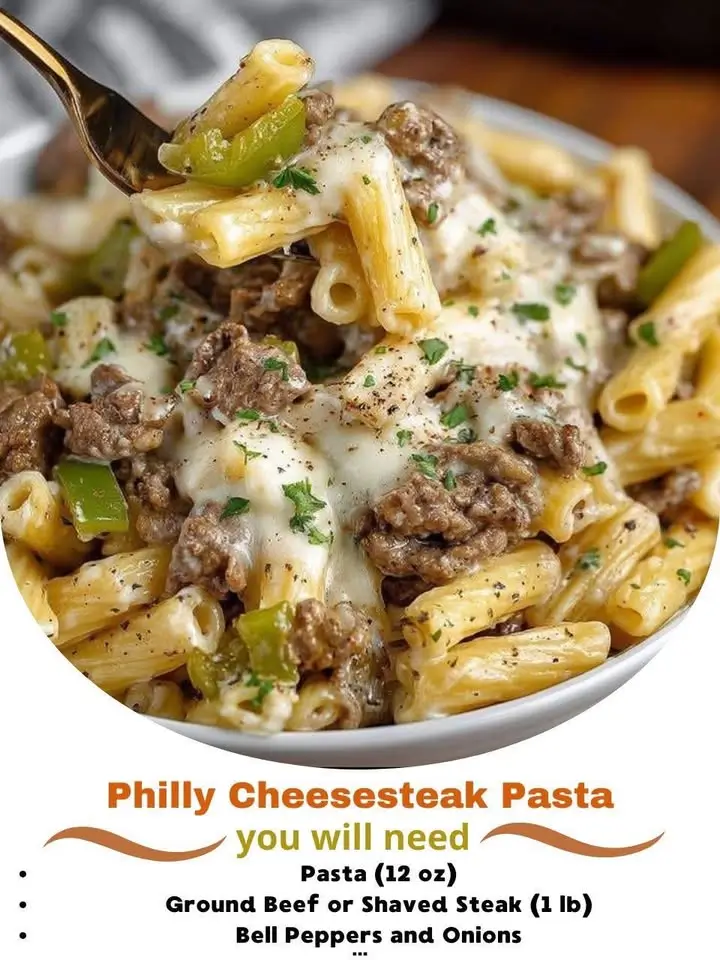
The Philly Cheesesteak is a legendary sandwich that originated in Philadelphia, Pennsylvania, becoming a staple of East Coast comfort food. Known for its tender slices of beef, caramelized onions, sautéed peppers and mushrooms, all smothered in melted cheese on a long hoagie roll, the cheesesteak has won hearts across the United States. But what happens when you take all those bold, savory flavors and combine them with one of the world’s most beloved comfort foods—pasta? You get Philly Cheesesteak Pasta: a rich, creamy, satisfying dish that brings together the best of both worlds.
This fusion recipe transforms the handheld sandwich into a spoonable, shareable casserole-style meal perfect for weeknight dinners, potlucks, or game-day feasts. Whether you’re craving the essence of Philly or just looking to jazz up your pasta rotation, this dish delivers an explosion of umami-packed flavor in every bite. Let’s dive deep into everything you need to know about making the ultimate Philly Cheesesteak Pasta at home.
The History Behind the Dish
The original Philly cheesesteak traces its roots back to the early 1930s when hot dog vendor Pat Olivieri decided to grill some beef and slap it on a roll. Legend has it that a cab driver caught a whiff of the sizzling meat and asked for a sandwich—and thus, the cheesesteak was born. Over time, additions like cheese (typically Cheez Whiz, provolone, or American), onions, green peppers, and mushrooms became standard, leading to iconic rivalries between Pat’s King of Steaks and Geno’s Steaks over who makes the best version.
Fast forward to the 21st century, and culinary creativity knows no bounds. Home cooks and chefs alike began experimenting with global flavors and cross-cultural dishes, giving rise to mashups like ramen burgers, sushi burritos, and—of course—Philly Cheesesteak Pasta. This inventive twist emerged as part of a broader trend of deconstructing sandwiches and turning them into hearty, oven-baked or stovetop pasta dishes. The concept allows people to enjoy the familiar taste of a cheesesteak without the mess of eating a sandwich, while also stretching the ingredients to serve more people.
Ingredients Breakdown: What Makes This Dish Shine?
The magic of Philly Cheesesteak Pasta lies in its balance of textures and flavors: tender meat, soft vegetables, creamy cheese sauce, and al dente pasta. Here’s a detailed look at each component:
- Sirloin Steak (or Ribeye): Thinly sliced beef is essential for achieving that authentic cheesesteak texture. Sirloin is lean and flavorful, but ribeye adds extra richness due to its marbling.
- Pasta (Penne or Rotini): Tube-shaped pastas work best because they hold onto the cheesy sauce and chunky fillings. Penne rigate (ridged penne) offers even better sauce adherence.
- Bell Peppers (Green and Red): These provide sweetness and color. Green peppers are traditional in cheesesteaks, while red adds natural sugars when caramelized.
- Onion (Yellow or White): Onions add depth and a touch of sharpness that mellows beautifully when cooked down.
- Mushrooms (Optional but Recommended): Sliced white or cremini mushrooms bring earthiness and moisture, enhancing the overall umami profile.
- Garlic: Fresh minced garlic elevates the aroma and complexity of the dish.
- Butter and Olive Oil: A combination of both ensures rich flavor and proper searing temperature without burning.
- Beef Broth: Adds savory liquid to deglaze the pan and form the base of the sauce.
- Heavy Cream or Half-and-Half: Creates a luxurious, velvety sauce that coats every noodle.
- Cheese (Provolone, Mozzarella, or Cheez Whiz): Melted cheese binds everything together. Provolone gives a mild tang, mozzarella adds stretchiness, and Cheez Whiz delivers maximum authenticity.
- Worcestershire Sauce: A splash enhances the meaty flavor with umami and subtle acidity.
- Dried Oregano and Black Pepper: Classic Italian seasonings that complement the other ingredients.
- Salt: Used to season layers of the dish appropriately.
- Optional Toppings: Sliced black olives, banana peppers, jalapeños, or fresh parsley for garnish.
Step-by-Step Recipe: How to Make Philly Cheesesteak Pasta
Follow this detailed guide to create a restaurant-quality Philly Cheesesteak Pasta right in your kitchen. This recipe serves 4–6 and takes about 45 minutes from start to finish.
- Prepare Ingredients: Thinly slice 1 lb of sirloin steak against the grain. Slice 1 large yellow onion, 1 green bell pepper, 1 red bell pepper, and 8 oz of mushrooms. Mince 3 cloves of garlic. Measure out 8 oz of penne pasta.
- Cook the Pasta: Bring a large pot of salted water to a boil. Add the penne and cook according to package instructions until al dente (usually 10–12 minutes). Drain and set aside, reserving ½ cup of pasta water for later use.
- Sear the Beef: Heat 1 tbsp olive oil in a large skillet or Dutch oven over medium-high heat. Add the sliced steak in a single layer (work in batches if needed to avoid overcrowding). Season with salt and pepper. Sear for 2–3 minutes per side until browned and just cooked through. Remove beef and set aside.
- Sauté the Vegetables: In the same pan, melt 1 tbsp butter with 1 tbsp olive oil. Add onions and bell peppers. Cook for 5–7 minutes until softened and beginning to caramelize. Add mushrooms and continue cooking for another 5 minutes until they release moisture and begin to brown. Stir in garlic, oregano, and a pinch of black pepper; cook for 1 minute until fragrant.
- Build the Sauce: Pour in ½ cup of beef broth to deglaze the pan, scraping up any browned bits (this is flavor gold!). Let simmer for 2 minutes. Stir in ¾ cup heavy cream and 1 tbsp Worcestershire sauce. Bring to a gentle simmer.
- Add Cheese: Reduce heat to low. Gradually stir in 1 cup shredded provolone (or a mix of provolone and mozzarella). Continue stirring until the cheese is fully melted and the sauce is smooth. Taste and adjust seasoning with salt and pepper.
- Combine Everything: Return the cooked steak to the pan. Add the drained pasta and toss gently to coat everything evenly with the cheesy sauce. If the mixture seems too thick, add reserved pasta water ¼ cup at a time until desired consistency is reached.
- Rest and Serve: Let the pasta sit off the heat for 5 minutes to allow flavors to meld. Garnish with chopped parsley, extra cheese, or banana pepper slices if desired.
Tips for Perfect Philly Cheesesteak Pasta Every Time
- Thinly Slice the Beef: Partially freeze the steak for 20–30 minutes before slicing—it makes cutting thin, even strips much easier.
- Don’t Overcook the Meat: Since the beef will be added back into the hot sauce, overcooking during searing can make it tough. Aim for medium doneness when searing.
- Caramelize the Veggies Slowly: While high heat is good for browning, allowing the onions and peppers to cook slowly develops their natural sweetness.
- Use Quality Cheese: Pre-shredded cheese contains anti-caking agents that can make sauces grainy. Opt for freshly grated cheese for a smoother melt.
- Reserve Pasta Water: The starchy water helps bind the sauce to the pasta and improves texture.
- Adjust Creaminess: For a lighter version, substitute half-and-half or whole milk for heavy cream. For extra richness, stir in a tablespoon of cream cheese.
- Let It Rest: Allowing the dish to rest for a few minutes after mixing lets the pasta absorb the sauce and prevents it from being overly runny.
Variations and Customizations
One of the best things about Philly Cheesesteak Pasta is how adaptable it is. Here are several ways to customize it based on dietary needs, preferences, or pantry availability:
- Vegetarian Version: Replace the steak with portobello mushrooms, eggplant slices, or plant-based meat substitutes like Beyond Steak Strips. Use vegetable broth instead of beef broth.
- Spicy Kick: Add sliced jalapeños, crushed red pepper flakes, or a drizzle of hot sauce like Cholula or Frank’s RedHot.
- Different Cheeses: Try smoked gouda for a deeper flavor, blue cheese for boldness, or American cheese for nostalgic cheesesteak vibes.
- Low-Carb/Keto Option: Substitute pasta with spiralized zucchini noodles (zoodles) or shirataki noodles. Increase cream and cheese content slightly to compensate for less starch absorption.
- Oven-Baked Casserole Style: Transfer the finished mixture to a greased baking dish, top with extra cheese and buttered breadcrumbs, then broil for 3–5 minutes until golden and bubbly.
- Make-Ahead & Freezer-Friendly: Assemble the dish (without cream) up to two days ahead. Store components separately in airtight containers. Reheat and finish with cream and cheese when ready to serve. Fully assembled pasta freezes well for up to 3 months—thaw overnight and reheat gently on the stove with a splash of broth.
- Gluten-Free: Use gluten-free pasta and ensure all other ingredients (like Worcestershire sauce) are certified GF.
Health Considerations and Nutritional Value
While undeniably delicious, Philly Cheesesteak Pasta is a rich, calorie-dense dish. However, with mindful tweaks, it can fit into a balanced diet.
Nutritional Profile (Per Serving, Approx. 1.5 cups):
- Calories: ~550–650 kcal
- Protein: 25–30g (from beef and cheese)
- Fat: 30–40g (mostly saturated from dairy and beef)
- Carbohydrates: 45–55g (primarily from pasta)
- Fiber: 4–6g (from vegetables)
- Sodium: 800–1200mg (can vary significantly depending on cheese and broth)
Healthy Modifications:
- Leaner Protein: Use flank steak or trimmed sirloin and blot excess fat after cooking.
- Less Cheese: Reduce cheese by 25–50% or use a strong-flavored aged cheese so you need less.
- More Veggies: Double the peppers and onions—or add spinach, zucchini, or broccoli—to boost fiber and nutrients.
- Whole Grain Pasta: Swap regular penne for whole wheat or legume-based pasta to increase protein and fiber.
- Lower-Fat Dairy: Replace heavy cream with evaporated skim milk or cashew cream for a plant-based alternative.
This dish is best enjoyed in moderation, especially for those monitoring cholesterol, blood pressure, or weight. Pair it with a crisp green salad or steamed vegetables to round out the meal.
Full Ingredient List
- 1 pound thinly sliced sirloin steak (or ribeye)
- 8 ounces penne pasta (or rotini/fusilli)
- 1 large yellow onion, thinly sliced
- 1 green bell pepper, sliced
- 1 red bell pepper, sliced
- 8 ounces mushrooms (cremini or white), sliced
- 3 cloves garlic, minced
- 2 tablespoons olive oil, divided
- 1 tablespoon unsalted butter
- ½ cup beef broth (low-sodium preferred)
- ¾ cup heavy cream (or half-and-half)
- 1 cup shredded provolone cheese (or mozzarella, or Cheez Whiz)
- 1 tablespoon Worcestershire sauce
- 1 teaspoon dried oregano
- Salt and freshly ground black pepper, to taste
- Chopped fresh parsley, for garnish (optional)
- Reserved pasta water, as needed
Detailed Directions
- Bring a large pot of salted water to a boil. Add penne and cook until al dente. Drain, reserve ½ cup pasta water, and set aside.
- Heat 1 tablespoon olive oil in a large skillet or Dutch oven over medium-high heat. Add sliced steak in batches, seasoning with salt and pepper. Sear 2–3 minutes per side until browned. Transfer to a plate.
- In the same pan, heat remaining olive oil and butter. Add onions and bell peppers. Cook 5–7 minutes until soft and lightly caramelized.
- Add mushrooms and cook another 5 minutes until moisture evaporates and they begin to brown.
- Stir in garlic, oregano, and black pepper. Cook 1 minute until fragrant.
- Pour in beef broth, scraping the bottom of the pan. Simmer 2 minutes.
- Reduce heat to low. Stir in heavy cream and Worcestershire sauce. Warm through.
- Add shredded cheese gradually, stirring constantly until smooth and creamy.
- Return beef to the pan. Add cooked pasta and toss to combine.
- If too thick, add reserved pasta water ¼ cup at a time until creamy.
- Season with additional salt and pepper if needed.
- Let stand 5 minutes. Garnish with parsley and serve warm.
Frequently Asked Questions (FAQ)
Can I use frozen steak?
No, never cook frozen steak directly—it won’t sear properly. Instead, partially freeze it to make slicing easier, then thaw completely before cooking.
What can I use instead of heavy cream?
You can substitute with half-and-half, whole milk, or a blend of milk and cream cheese. For vegan versions, try coconut cream or cashew cream.
Can I make this in a slow cooker?
Yes! Sear the meat and sauté veggies first, then transfer to a slow cooker with cooked pasta, cream, and cheese. Cook on low for 2–3 hours, stirring occasionally.
How do I store leftovers?
Cool completely and store in an airtight container in the refrigerator for up to 4 days. Reheat gently on the stove with a splash of broth or water to restore creaminess.
Why is my sauce grainy?
This usually happens when cheese overheats or when using pre-shredded cheese with cellulose. Always use low heat and fresh-shredded cheese.
Can I add tomatoes or tomato sauce?
Traditional cheesesteaks don’t include tomatoes, but a small amount of marinara can turn this into a “Cheesesteak Lasagna Pasta.” Just be aware it will change the flavor profile.
Is this kid-friendly?
Absolutely! Kids love the cheesy, meaty flavor. You can finely dice the peppers and onions to make them less noticeable.
Summary
Philly Cheesesteak Pasta combines the bold, savory flavors of a classic Philadelphia sandwich with the comforting heartiness of creamy pasta. Packed with tender steak, colorful bell peppers, onions, and a rich, melty cheese sauce, it’s a crowd-pleasing dish perfect for family dinners or entertaining.