Introduction
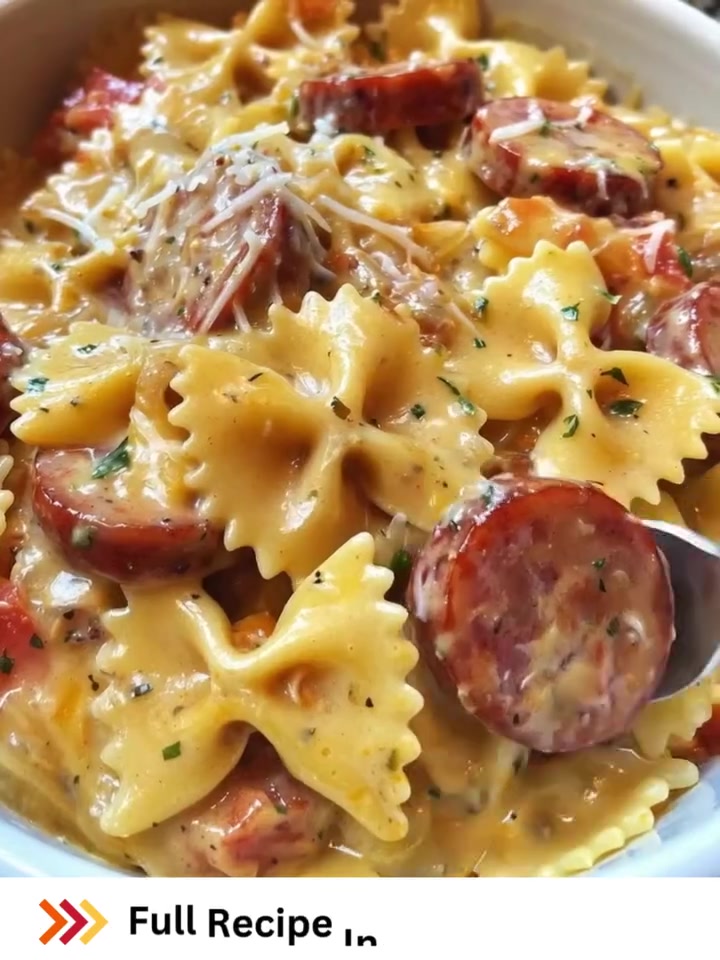
One-Pot Smoked Sausage Pasta is the ultimate weeknight hero—a rich, deeply flavorful, and incredibly satisfying dish that delivers restaurant-quality comfort in under 30 minutes, with minimal cleanup and maximum taste. This hearty, one-pot wonder brings together the smoky richness of cured sausage, the creamy al dente bite of pasta, savory aromatics, and a luscious, slightly tangy tomato-cream sauce—all cooked together in a single Dutch oven or heavy-bottomed pot. It’s the kind of recipe that bridges Southern tradition and modern convenience: inspired by classic gumbo, jambalaya, and Italian pastas, yet uniquely its own. Whether you’re feeding a busy family, prepping easy meals for the week, or hosting casual friends who appreciate bold, soul-warming food, this dish checks every box—robust flavor, textural contrast (tender sausage, chewy pasta, soft vegetables), and adaptable versatility.
The History
While “One-Pot Smoked Sausage Pasta” as a named dish is a relatively recent culinary innovation born from the 2010s meal-prep and viral food-blog era, its roots run deep across multiple foodways. Smoked sausage itself traces back centuries—to European charcuterie traditions where curing and smoking preserved meats before refrigeration, later evolving in the American South through German, Czech, and Creole influences. Andouille, kielbasa, chorizo, and smoked bratwurst all contribute distinct regional signatures to this category. The “one-pot pasta” concept gained massive traction in the early 2000s, popularized by chefs like Marcella Hazan and later amplified by food media advocating for efficiency without sacrificing depth. The fusion of smoked sausage and pasta likely emerged organically in home kitchens across Louisiana, Texas, and the Midwest—where Cajun spice racks met Italian pantry staples—and was refined by home cooks seeking hearty, affordable, low-effort dinners. Today, it stands as a delicious testament to culinary cross-pollination: a globally influenced, locally adaptable, pantry-friendly staple that honors tradition while embracing practicality.
Ingredients Breakdown
Every ingredient in this recipe serves a precise purpose—not just for flavor, but for texture, balance, and structural integrity of the final dish:
- Smoked Sausage (12–16 oz): The star protein—choose high-quality, fully cooked smoked sausage with visible fat marbling (like Andouille, smoked kielbasa, or applewood-smoked chicken sausage). Avoid overly processed, rubbery varieties; look for natural casings and minimal fillers. The smoke level should be pronounced but not acrid—medium heat smoking yields optimal complexity. Fat renders during sautéing, building the foundational flavor base.
- Pasta (8–10 oz): Short, sturdy shapes hold up best: penne, rigatoni, fusilli, or cavatappi. Avoid delicate pastas like angel hair or fresh ravioli—they’ll overcook or disintegrate. Whole wheat or legume-based pastas (lentil, chickpea) work well for added fiber and protein—but may require slight liquid adjustments due to differing absorption rates.
- Aromatics (1 medium yellow onion, 3–4 garlic cloves, 1 bell pepper, 1–2 celery stalks): The “holy trinity” (onion, bell pepper, celery) anchors the dish with sweet, earthy, and herbal notes—especially vital if using Cajun/Andouille-style sausage. Garlic must be minced finely and added late to avoid burning, preserving its pungent sweetness and umami depth.
- Tomato Base (1 (14.5 oz) can diced tomatoes, preferably fire-roasted + 2 tbsp tomato paste): Diced tomatoes provide acidity, brightness, and subtle sweetness; fire-roasted adds caramelized depth. Tomato paste—cooked briefly in oil until brick-red and fragrant—is the flavor accelerator: it concentrates umami, balances smoke, and thickens the sauce naturally.
- Liquid (3–4 cups low-sodium chicken or vegetable broth): Broth provides savory depth and consistent cooking medium. Low-sodium is essential to control salt levels, especially since smoked sausage is inherently salty. For extra richness, substitute ½ cup broth with dry white wine (Sauvignon Blanc or Pinot Grigio) added after aromatics and reduced by half before adding tomatoes.
- Cream Element (½ cup heavy cream, full-fat coconut milk, or whole-milk ricotta): Added at the end, this tempers acidity, adds luxurious mouthfeel, and binds the sauce to the pasta. Heavy cream offers classic richness; coconut milk lends subtle sweetness and dairy-free adaptability; ricotta contributes tang and velvety body without heaviness.
- Herbs & Spices (2 tsp smoked paprika, 1 tsp dried oregano, 1 tsp dried thyme, ½ tsp cayenne or red pepper flakes, optional 1 bay leaf): Smoked paprika reinforces the sausage’s smokiness without heat; oregano and thyme add Mediterranean herbal lift; cayenne provides adjustable warmth. Bay leaf infuses subtle bitterness—remove before serving. Fresh herbs (parsley, basil, green onions) are non-negotiable garnishes for freshness and color contrast.
- Finishing Touches (¼ cup grated Parmesan or Pecorino Romano, 2 tbsp unsalted butter, freshly cracked black pepper, lemon zest): Butter enriches and emulsifies the sauce; cheese adds salty-umami savoriness and helps create a glossy sheen; lemon zest brightens the entire profile, cutting through fat and smoke.
Step-by-Step Recipe
- Prep & Measure: Dice onion, bell pepper, and celery into ¼-inch pieces (uniform size ensures even cooking). Mince garlic. Slice smoked sausage into ½-inch half-moons or ¾-inch chunks—larger pieces retain juiciness; smaller pieces distribute flavor more evenly. Measure all spices, liquids, and dairy. Having everything ready (“mise en place”) is critical for seamless one-pot success.
- Sear the Sausage: Heat a large (5–6 qt) heavy-bottomed Dutch oven or stainless steel pot over medium-high heat. Add 1 tbsp neutral oil (avocado or grapeseed). Once shimmering, add sausage in a single layer—do not crowd. Cook undisturbed 2–3 minutes until deeply browned on one side, then flip and sear 2 more minutes. Remove sausage with a slotted spoon, leaving rendered fat in the pot. Set aside.
- Sauté the Trinity: Reduce heat to medium. Add diced onion, bell pepper, and celery to the sausage fat. Stir frequently and cook 5–6 minutes until softened and translucent—no browning desired yet. Push veggies to the outer edges of the pot, creating a well in the center.
- Bloom the Tomato Paste & Spices: Add tomato paste and all dried spices (smoked paprika, oregano, thyme, cayenne, black pepper) to the center well. Stir constantly for 1–1½ minutes until paste darkens slightly and becomes fragrant—this unlocks deep Maillard flavors and eliminates raw spice taste.
- Build the Aromatic Base: Stir the spiced tomato paste into the softened vegetables until fully incorporated and evenly coated. Cook 1 minute more to meld flavors.
- Infuse with Garlic: Add minced garlic and stir continuously for exactly 45 seconds—just until fragrant and golden at the edges. Do not let it brown or burn.
- Deglaze & Simmer: Pour in diced tomatoes (with juices) and stir well, scraping up any browned bits from the bottom of the pot (fond = flavor!). Add broth, bay leaf (if using), and reserved sausage. Bring to a gentle boil over medium-high heat.
- Add Pasta & Simmer Uncovered: Stir in dry pasta until fully submerged. Reduce heat to maintain a steady, active simmer (small bubbles breaking regularly across the surface). Cook uncovered, stirring every 3–4 minutes to prevent sticking and ensure even absorption. Total simmer time: 13–17 minutes—pasta should be *just* tender (al dente), with about ½ inch of liquid remaining. Timing varies by pasta shape, brand, and altitude—start checking at 12 minutes.
- Rest & Thicken: Remove from heat. Let sit, covered, for 3 minutes. This allows residual heat to finish cooking the pasta and lets the sauce thicken naturally as starches bloom.
- Finish with Cream & Butter: Stir in heavy cream and cold butter, one tablespoon at a time, until melted and fully emulsified. The sauce should coat the back of a spoon. If too thick, whisk in 2–3 tbsp warm broth. If too thin, simmer uncovered 1–2 minutes more.
- Season & Adjust: Taste critically. Adjust salt *only if needed* (remember: sausage is salty). Brighten with a squeeze of lemon juice (½ tsp to start) or splash of apple cider vinegar. Add more cayenne for heat or smoked paprika for depth. Stir in half the fresh parsley.
- Serve Immediately: Discard bay leaf. Spoon into warmed bowls. Top generously with remaining parsley, grated cheese, black pepper, and lemon zest. Optional: drizzle with high-quality olive oil or hot sauce (Crystal or Tabasco).
Tips
- Pasta Absorption Varies Wildly: Always use the “liquid-to-pasta ratio” as a guide—not gospel. Different brands absorb differently. Start with 3½ cups broth for 8 oz pasta; add remaining ½ cup only if the mixture looks dry at the 10-minute mark.
- Never Walk Away During Simmer: One-pot pasta requires frequent stirring—especially between minutes 8–14—to prevent scorching on the bottom and clumping. Set a timer for 3-minute intervals.
- Resist Overcooking the Pasta: It continues to absorb liquid off-heat. Pull it at *true* al dente—slightly firmer than you’d serve traditionally. Underdone is better than mushy.
- Render Fat First, Then Build: Don’t skip searing the sausage—or worse, drain the fat! That golden, smoky fat is your flavor foundation. If using leaner sausage (turkey/chicken), supplement with 1 tbsp butter or olive oil.
- Acid Is Non-Negotiable: Lemon juice or vinegar isn’t “optional”—it’s the counterpoint that lifts the richness and smoke. Add *after* cream, never before, to preserve brightness.
- Cold Dairy Prevents Splitting: Always add cream and butter cold (straight from the fridge) and off-heat. Warm or hot dairy can curdle in acidic tomato broth.
- Use a Wide, Shallow Pot When Possible: Maximizes surface area for evaporation and even heat distribution—narrow, deep pots encourage uneven cooking and steam-trapped pasta.
- Double the Batch? Scale Wisely: For 16 oz pasta, use a 7-qt pot and increase broth by only 1 cup—not double—since pasta doesn’t scale linearly. Simmer time increases by ~2–3 minutes.
- Leftovers Love a Splash: Reheat gently on stove with 1–2 tbsp broth or water per serving. Microwaving alone dries it out. Stir often.
- Freeze Smart: Freeze *before* adding cream and cheese. Cool completely, portion into airtight containers, freeze up to 3 months. Thaw overnight, reheat on stove, then finish with cream/butter/cheese.
Variations and Customizations
Regional Twists
- Cajun-Style: Use Andouille, add ½ tsp file powder (ground sassafras) at the end, stir in ½ cup chopped okra (added with trinity), and top with sliced scallions.
- Italian-Inspired: Swap smoked sausage for Italian fennel sausage, use San Marzano tomatoes, add ¼ cup chopped fresh basil with cream, and finish with torn mozzarella and a grating of lemon zest.
- Tex-Mex Fusion: Use chipotle-smoked chorizo, add 1 tsp ground cumin and ½ tsp cocoa powder with spices, stir in ½ cup black beans and corn at the end, and garnish with avocado, cilantro, and lime wedges.
- German-Influenced: Choose smoked bratwurst or knackwurst, add 1 tbsp caraway seeds with onions, stir in ¼ cup sauerkraut (rinsed and drained) with sausage, and finish with grainy mustard swirl.
Dietary Adaptations
- Gluten-Free: Use certified GF pasta (brown rice, quinoa, or corn-based). Increase broth by ¼ cup—GF pasta absorbs more liquid and benefits from extra time to hydrate fully.
- Dairy-Free/Vegan: Omit cream/butter/cheese. Use full-fat coconut milk + 1 tbsp nutritional yeast + 1 tsp white miso paste for umami creaminess. Choose vegan smoked sausage (Field Roast, Tofurky) and veggie broth.
- Low-Carb/Keto: Replace pasta with spiralized zucchini (zoodles), shirataki noodles, or cauliflower rice. Add *after* sauce is fully reduced and simmered 2 minutes—cook just 2–3 minutes until tender-crisp.
- High-Protein Boost: Stir in 1 cup cooked white beans, lentils, or shredded rotisserie chicken during the last 5 minutes of simmer.
- Vegetable-Packed: Add 1 cup chopped spinach or kale with cream; stir in ½ cup roasted cherry tomatoes or diced roasted sweet potato with sausage.
Flavor Amplifiers
- Umami Bombs: Stir in 1 tsp soy sauce or Worcestershire (vegan version available) with broth; add 2 dried shiitake mushrooms (soaked, chopped, liquid reserved) with aromatics.
- Smoky Depth: Add ¼ tsp liquid smoke *only if* your sausage lacks intensity—or better yet, finish with a light dusting of smoked sea salt.
- Herbaceous Lift: Infuse broth with 2 sprigs fresh rosemary or thyme while heating; remove before adding pasta.
- Heat Control: For layered heat, use mild smoked paprika + ½ tsp chipotle powder instead of cayenne. For slow-building warmth, add 1 seeded, minced jalapeño with the trinity.
Health Considerations and Nutritional Value
One-Pot Smoked Sausage Pasta can be both deeply comforting *and* nutritionally balanced—with mindful ingredient choices and portion awareness. A standard 1¼-cup serving (made with whole wheat pasta, lean turkey sausage, low-sodium broth, and moderate cream) delivers approximately:
- Calories: 480–540 kcal
- Protein: 24–28g (from sausage, pasta, and optional beans/cheese)
- Fiber: 6–9g (especially with whole grain or legume pasta + added veggies)
- Fat: 18–22g (mostly unsaturated from olive oil, cream, and sausage fat—prioritize pasture-raised or nitrate-free sausages when possible)
- Sodium: 680–820mg (well within FDA daily limit of 2,300mg—significantly lower than restaurant versions or canned soups)
- Vitamins & Minerals: Rich in B vitamins (B12, niacin) from sausage; lycopene and vitamin C from tomatoes; potassium and folate from bell peppers and spinach; calcium and vitamin A from dairy/cheese.
Key Health Notes:
- Sodium Awareness: Smoked sausage is naturally high in sodium—opt for “low-sodium” labeled varieties or brands like Applegate or Niman Ranch that avoid added nitrates and excessive salt. Always use low-sodium broth and hold added salt until final tasting.
- Saturated Fat Balance: While sausage contains saturated fat, pairing it with heart-healthy fats (olive oil, avocado garnish) and fiber-rich carbs helps modulate absorption and supports satiety without spiking cholesterol.
- Antioxidant Synergy: Tomatoes (lycopene), bell peppers (vitamin C), garlic (allicin), and smoked paprika (capsanthin) form a powerful antioxidant network shown to support vascular health and reduce inflammation.
- Gut-Friendly Potential: Adding fermented elements like sauerkraut or a splash of apple cider vinegar introduces beneficial probiotics and prebiotic acids—great for microbiome diversity.
- Not Just “Comfort Food”: This dish meets three key MyPlate guidelines: lean protein (sausage), whole grains or complex carbs (pasta), and vegetables (trinity + optional greens)—making it a legitimately balanced, plate-based meal.
Ingredients
- 1 tablespoon neutral oil (avocado, grapeseed, or light olive oil)
- 12–16 ounces high-quality smoked sausage (Andouille, smoked kielbasa, or applewood chicken sausage), sliced into ½-inch rounds
- 1 medium yellow onion, finely diced (about 1 ½ cups)
- 1 large green bell pepper, finely diced (about 1 cup)
- 2 medium celery stalks, finely diced (about ¾ cup)
- 4 garlic cloves, finely minced
- 2 tablespoons tomato paste
- 2 teaspoons smoked paprika (sweet or hot, to taste)
- 1 teaspoon dried oregano
- 1 teaspoon dried thyme
- ½ teaspoon cayenne pepper or red pepper flakes (adjust to heat preference)
- Freshly ground black pepper, to taste
- 1 (14.5-ounce) can fire-roasted diced tomatoes, with juices
- 3½–4 cups low-sodium chicken or vegetable broth (start with 3½ cups)
- 1 bay leaf (optional but recommended)
- 8–10 ounces short-cut pasta (penne, rigatoni, fusilli, or cavatappi)
- ½ cup heavy cream (or full-fat coconut milk for dairy-free)
- 2 tablespoons unsalted butter, cold and cubed
- Juice of ½ lemon (about 1 tablespoon)
- ¼ cup freshly grated Parmesan or Pecorino Romano cheese
- ¼ cup finely chopped fresh flat-leaf parsley
- Lemon zest (from ½ lemon), for garnish
- Flaky sea salt, for finishing (only if needed)
Directions
- Heat a 5–6 quart heavy-bottomed Dutch oven or stainless steel pot over medium-high heat. Add oil and swirl to coat. Once shimmering, add sliced sausage in a single layer. Cook undisturbed for 2–3 minutes until deeply browned on the bottom, then flip and cook another 2 minutes until browned and slightly crisp. Transfer sausage to a plate with a slotted spoon, leaving rendered fat in the pot.
- Reduce heat to medium. Add diced onion, bell pepper, and celery to the pot. Cook, stirring occasionally, for 5–6 minutes until softened and translucent but not browned.
- Push vegetables to the outer edges of the pot. In the center, add tomato paste and all dried spices (smoked paprika, oregano, thyme, cayenne, black pepper). Stir constantly for 1–1½ minutes until paste darkens and becomes fragrant.
- Incorporate the spiced paste into the vegetables, stirring for 1 minute to fully combine.
- Add minced garlic and stir constantly for 45 seconds—until fragrant and just beginning to turn golden.
- Pour in diced tomatoes with juices, stirring to scrape up any browned bits from the bottom. Add broth, bay leaf, and reserved sausage. Bring to a gentle boil over medium-high heat.
- Stir in dry pasta until fully submerged. Reduce heat to maintain a steady, active simmer (small bubbles across surface). Cook uncovered, stirring every 3–4 minutes, for 13–17 minutes—until pasta is al dente and about ½ inch of liquid remains. Start checking at 12 minutes.
- Remove from heat. Cover and let rest for 3 minutes to finish cooking and thicken.
- Stir in heavy cream and cold butter, one tablespoon at a time, until fully melted and emulsified. Sauce should coat the back of a spoon.
- Taste and adjust: add lemon juice (½ tsp at a time), more cayenne for heat, or smoked paprika for depth. Stir in half the parsley.
- Discard bay leaf. Serve immediately in warmed bowls. Top with remaining parsley, grated cheese, lemon zest, and freshly cracked black pepper.
FAQ
- Can I use uncooked sausage?
- Yes—but it requires adjustment. Use raw smoked sausage (like fresh kielbasa or bulk Andouille) and increase initial sear time to 5–6 minutes per side until fully cooked through (160°F internal temp). Remove, slice, then proceed. Or brown raw sausage crumbles with aromatics for a rustic, textured variation.
- Why does my pasta turn mushy?
- Mushiness almost always results from overcooking *or* insufficient stirring. Stir every 3 minutes to prevent clumping and uneven absorption. Also, pull pasta 1–2 minutes before package time—it finishes cooking off-heat. Using old or low-protein pasta also contributes to breakdown.
- Can I make this ahead of time?
- Absolutely. Prepare through step 8 (resting), cool completely, and refrigerate up to 3 days. To reheat: add ¼ cup broth per serving, warm gently over medium-low heat, stirring constantly, then finish with cream, butter, and herbs.
- Is there a way to make it spicier without overwhelming heat?
- Yes! Layer heat: use hot smoked paprika + ½ tsp chipotle powder + 1 minced serrano (seeds removed) with aromatics. Finish with a few drops of habanero hot sauce stirred in at the end—bright, fruity, and intense without bitterness.
- What’s the best pasta to avoid sticking?
- Ridged or tubular shapes like rigatoni, penne rigate, or campanelle have surface texture that holds sauce and resists clumping. Rinsing pasta is *not recommended*—it removes starch needed for sauce adhesion. Stirring is the real solution.
- Can I cook this in an Instant Pot or pressure cooker?
- You can—but it’s not ideal. Pressure-cooked one-pot pasta often yields inconsistent texture (some pieces mushy, others underdone) and reduces the fond-building and flavor-layering steps crucial to this dish. Stovetop gives superior control and depth.
- How do I store and freeze leftovers?
- Cool completely, then portion into airtight containers. Refrigerate up to 4 days. For freezing, omit cream, butter, and cheese—freeze plain pasta-sausage mixture up to 3 months. Thaw overnight, reheat with broth, then finish with dairy and herbs.
- Can I add cheese directly into the pot while cooking?
- Not recommended. Melting cheese into hot, acidic tomato broth causes separation and graininess. Always stir in grated hard cheese *off-heat*, at the very end—residual heat melts it smoothly and preserves texture.
- What wine pairs well with this dish?
- A chilled, high-acid white like Albariño or Grüner Veltliner cuts through richness. For red lovers, choose a low-tannin, fruit-forward option like Beaujolais-Villages or Barbera d’Asti—avoid oaky, tannic reds which clash with smoke and acid.
- My sauce is too thin/too thick—how do I fix it?
- Too thin? Simmer uncovered 1–2 minutes, stirring. Too thick? Whisk in warm broth, 1 tablespoon at a time, until desired consistency. Never add cold liquid to hot pasta—it shocks the starch and creates gummy texture.
Summary
One-Pot Smoked Sausage Pasta is a masterclass in efficient, deeply flavorful home cooking—uniting smoky protein, al dente pasta, aromatic vegetables, and a luxuriously balanced tomato-cream sauce in a single vessel with minimal cleanup and maximal satisfaction.
Rooted in global traditions yet endlessly customizable for dietary needs, heat preferences, and seasonal produce, it’s not just a recipe—it’s a versatile, nourishing, and joyful framework for everyday excellence in the kitchen.