Introduction
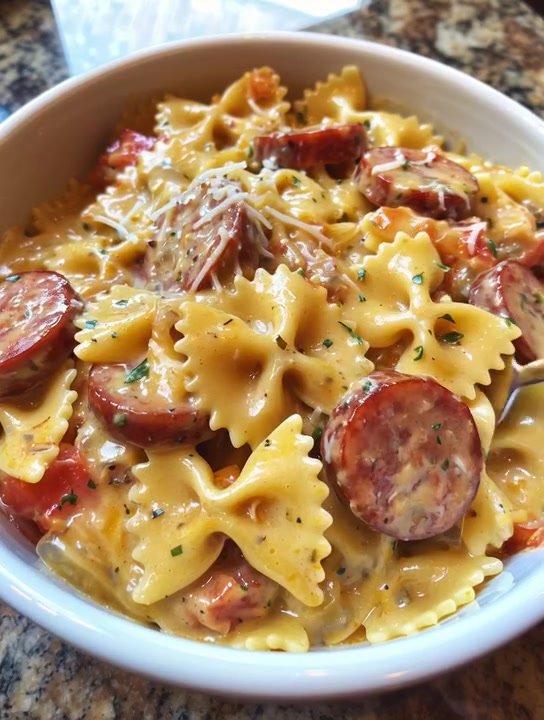
One-Pot Smoked Sausage Pasta is the ultimate weeknight hero—rich, deeply flavorful, and astonishingly simple to prepare. This hearty, soul-satisfying dish brings together tender smoked sausage, al dente pasta, savory aromatics, and a luscious, well-balanced sauce—all cooked in a single pot to minimize cleanup without compromising on depth or texture. Whether you’re feeding a busy family, prepping meals for the week, or craving something comforting yet elevated, this recipe delivers bold smoke, subtle sweetness, herbal brightness, and creamy richness in every bite. It’s rustic enough for casual dinners but refined enough to impress guests—and versatile enough to adapt to pantry staples, seasonal produce, or dietary preferences.
The History
While “one-pot pasta” gained widespread popularity in the early 2010s—spurred by viral cooking blogs, minimalist cookbooks like *Pasta Improvvisata*, and social media trends emphasizing ease and efficiency—the roots of this technique stretch much further back. In Italian cucina povera (peasant cooking), resourcefulness was essential: boiling pasta directly in its sauce conserved water, fuel, and time, especially in rural kitchens without multiple burners or abundant cookware. The American adaptation, however, took a distinctly hearty turn with the incorporation of smoked sausage—a nod to Southern U.S. and Cajun culinary traditions where smoked meats like andouille, kielbasa, or chorizo are foundational flavor agents. Smoked sausage itself has centuries-old origins, dating back to medieval preservation methods across Europe and evolving regionally—from German bratwurst and Polish kiełbasa to Louisiana’s fiery andouille, each contributing unique spice profiles and smoking techniques. This fusion—Italian-inspired one-pot methodology meets American smoked-meat tradition—gave rise to what we now celebrate as One-Pot Smoked Sausage Pasta: a cross-cultural, time-honored, modern-weeknight staple.
Ingredients Breakdown
Every ingredient in this dish plays a deliberate role—not just for flavor, but for texture, balance, and functional chemistry:
- Smoked Sausage (12–16 oz): The star protein. Choose high-quality, fully cooked smoked sausage (e.g., Andouille for heat and complexity; smoked kielbasa for mild garlic-herb notes; or smoked turkey sausage for leaner options). Avoid overly greasy or heavily processed varieties—look for natural casings and minimal fillers to ensure rich mouthfeel and clean smoke flavor.
- Pasta (12 oz): Short, sturdy shapes work best—penne, rigatoni, fusilli, or cavatappi hold up to simmering and trap sauce. Use bronze-die extruded pasta for superior sauce adhesion. Whole wheat, chickpea, or gluten-free alternatives are viable—but adjust liquid and cook time accordingly.
- Aromatics (1 medium yellow onion, 4 cloves garlic, 1–2 stalks celery, 1 green bell pepper): The “holy trinity” (onion, celery, bell pepper) forms the Cajun/Creole backbone, while garlic adds pungent depth. All are finely diced for even melting into the sauce.
- Liquid Base (4 cups low-sodium chicken or vegetable broth + ½ cup dry white wine or apple cider vinegar): Broth provides savory umami and salt control; wine adds brightness and cuts richness, while vinegar serves as a non-alcoholic alternative that lifts flavors and balances fat.
- Tomatoes (1 (14.5 oz) can fire-roasted diced tomatoes, undrained): Adds acidity, sweetness, and body. Fire-roasted varieties contribute subtle char notes that echo the smokiness of the sausage.
- Herbs & Spices (2 tsp smoked paprika, 1 tsp dried oregano, 1 tsp dried thyme, ½ tsp cayenne or red pepper flakes, 1 bay leaf, freshly ground black pepper, and flaky sea salt): Smoked paprika doubles down on smoke without heat; oregano and thyme lend earthy warmth; cayenne provides adjustable kick; bay leaf infuses subtle floral bitterness during simmering.
- Fats (2 tbsp olive oil or avocado oil + optional 2 tbsp unsalted butter): Oil ensures proper sautéing and prevents sticking; butter added at the end enriches mouthfeel and adds a velvety finish.
- Finishing Touches (¼ cup grated Parmesan or Pecorino Romano, 2 tbsp fresh parsley or basil, lemon zest from ½ lemon, optional splash of heavy cream or full-fat coconut milk): Cheese contributes salty-umami depth and creaminess; herbs add freshness; lemon zest brightens the entire profile; cream or coconut milk lends luxurious silkiness for those who prefer a richer sauce.
Step-by-Step Recipe
- Prep & Mise en Place (10 minutes): Dice onion, celery, and bell pepper uniformly (¼-inch dice). Mince garlic. Slice smoked sausage into ½-inch thick half-moons or ¾-inch chunks (keeping some pieces larger for textural contrast). Measure all spices, grate cheese, and chop fresh herbs. Having everything ready ensures seamless transitions between steps and prevents overcooking.
- Sear the Sausage (5–6 minutes): Heat 1 tbsp oil in a large, heavy-bottomed Dutch oven or 6–7 quart straight-sided skillet over medium-high heat. Add sausage in a single layer without crowding. Cook undisturbed for 2–3 minutes until deeply golden and slightly crisp on the first side, then flip and sear remaining sides until browned all over. Transfer to a plate lined with paper towels—do not discard rendered fat; it’s flavor gold.
- Sauté Aromatics (6–7 minutes): Reduce heat to medium. Add remaining 1 tbsp oil to the same pot along with diced onion, celery, and bell pepper. Sauté, stirring occasionally, until softened and translucent (about 4 minutes). Stir in minced garlic and cook 1 minute more—until fragrant but not browned.
- Bloom Spices (1 minute): Push veggies to the outer edges, creating a well in the center. Add smoked paprika, oregano, thyme, cayenne, black pepper, and bay leaf. Stir constantly for 30–60 seconds to toast spices—this unlocks volatile oils and deepens complexity. Immediately deglaze with white wine (or vinegar), scraping up any browned bits from the bottom.
- Simmer Base (3 minutes): Stir in diced tomatoes (with juices) and let bubble gently for 2–3 minutes to concentrate flavor and cook off raw acidity.
- Add Liquids & Pasta (1 minute): Pour in broth and stir thoroughly. Bring mixture to a gentle boil. Add uncooked pasta and return to a steady, active simmer—not a rolling boil—to prevent breaking.
- One-Pot Simmer (13–15 minutes): Reduce heat to low-medium to maintain a bare simmer. Stir every 3–4 minutes, scraping the bottom to prevent sticking and ensuring even absorption. As pasta cooks, it releases starch, naturally thickening the sauce. At ~10 minutes, check doneness: pasta should be *al dente* with about 1–2 minutes remaining. If liquid is absorbing too quickly, add ¼–½ cup hot broth. If too soupy, continue simmering uncovered.
- Incorporate Sausage & Finish (3 minutes): Once pasta reaches ideal tenderness, stir in seared sausage and any accumulated juices. Simmer 1–2 minutes to reheat through. Remove from heat. Discard bay leaf. Stir in butter (if using), half the cheese, lemon zest, and most of the herbs. Taste and adjust: more salt? A pinch of sugar to balance acidity? A splash of vinegar for brightness? A grind of black pepper?
- Rest & Serve (2–3 minutes): Let rest covered for 2 minutes—this allows starches to fully hydrate and sauce to cling luxuriously to every noodle. Garnish with remaining cheese, fresh herbs, extra lemon zest, and a drizzle of high-quality olive oil or chili oil if desired.
Tips
- Don’t skip the sear: Browning the sausage builds fond—the caramelized crust that dissolves into the sauce and adds profound depth. Crowding the pan steams instead of sears, so cook in batches if needed.
- Control your heat: One-pot pasta is sensitive to temperature swings. Too high = scorching and uneven cooking; too low = gummy, under-seasoned pasta. Maintain a low, steady simmer—bubbles should break gently at the surface, not erupt violently.
- Stir strategically: Early stirring prevents clumping; later stirring encourages starch release and emulsification. But avoid over-stirring once near-done—it can break delicate pasta.
- Use hot broth: Adding cold liquid shocks the temperature and slows simmering. Warm broth maintains thermal momentum and promotes even cooking.
- Reserve pasta water—even in one-pot: Though no separate pot is used, the starchy residual liquid in the finished dish functions like traditional pasta water. If sauce tightens upon standing, loosen with a spoonful of the cooking liquid before serving.
- Undercook pasta slightly: Since it continues to absorb liquid off-heat, aim for 1 minute shy of package “al dente” time—especially with thicker pastas like rigatoni or whole grain varieties.
- Layer seasoning: Salt in stages—at the aromatic stage, after adding broth, and again at the finish. This ensures balanced, three-dimensional seasoning rather than one-note saltiness.
- Cool the pot before storing: Never refrigerate a hot, covered one-pot dish—it creates condensation, dilutes flavor, and encourages mushiness. Cool uncovered for 15–20 minutes before portioning and chilling.
Variations and Customizations
Dietary Adaptations
- Gluten-Free: Use certified GF pasta (brown rice, quinoa, or lentil-based). Increase broth by ¼ cup and extend simmer by 2–3 minutes—GF pasta absorbs more liquid and benefits from gentle heat.
- Dairy-Free/Vegan: Swap sausage for smoked tofu cubes or tempeh “bacon,” use nutritional yeast instead of cheese, and replace butter with vegan butter or coconut oil. Opt for vegetable broth and omit dairy-based cream—substitute with cashew cream or silken tofu purée.
- Keto/Low-Carb: Replace pasta with spiralized zucchini (“zoodles”), shirataki noodles, or cauliflower rice. Add at the very end and heat through 2–3 minutes—avoid prolonged simmering to retain texture.
- Low-Sodium: Use no-salt-added tomatoes and low-sodium broth. Boost flavor with extra smoked paprika, roasted garlic paste, lemon juice, and fresh herbs instead of salt.
Flavor & Regional Twists
- Cajun Blackened Style: Rub sausage with blackening spice before searing; add 1 tsp filé powder at the end for earthy gumbo-like thickness.
- Mediterranean Herb Garden: Swap smoked paprika for sweet paprika; add ½ tsp fennel seeds with aromatics; stir in chopped sun-dried tomatoes, kalamata olives, and crumbled feta at the finish.
- Smoky Chipotle Verde: Replace fire-roasted tomatoes with canned tomatillos and 1–2 minced chipotles in adobo; add ½ tsp ground cumin and finish with cilantro and lime juice.
- Autumn Harvest: Add 1 cup diced butternut squash with aromatics; stir in ½ cup toasted pecans and a drizzle of maple syrup at the end.
- Seafood Infusion: Add 1 lb peeled, deveined shrimp in the last 4 minutes of simmering—or fold in 1 cup lump crabmeat off-heat with lemon and dill.
Pantry-Substitution Swaps
- No white wine? Try apple cider, dry vermouth, or even a splash of beer.
- No fresh herbs? Double the dried thyme and add 1 tsp herbes de Provence.
- No smoked paprika? Use 1 tsp regular paprika + ¼ tsp liquid smoke (sparingly!) or smoked sea salt.
- No celery? Substitute fennel bulb (same prep) for anise-tinged crunch.
- No bell pepper? Try roasted red pepper purée or a handful of baby spinach stirred in at the end.
Health Considerations and Nutritional Value
One-Pot Smoked Sausage Pasta offers balanced macronutrients and functional micronutrients—with mindful tweaks, it easily aligns with diverse wellness goals:
- Protein Powerhouse: Smoked sausage provides complete protein (8–12g per 3-oz serving), plus iron, zinc, and B vitamins—especially B12, critical for nerve and blood health. Pairing with whole-grain or legume-based pasta boosts plant-based protein and fiber synergy.
- Fiber & Digestive Support: A 12-oz serving of whole wheat penne contributes ~6g dietary fiber—nearly 25% of daily needs—supporting satiety, gut microbiome diversity, and healthy cholesterol metabolism. Tomatoes and vegetables add prebiotic fibers and polyphenols.
- Heart-Healthy Fats: Olive oil supplies monounsaturated fats and antioxidant-rich polyphenols linked to reduced inflammation and improved endothelial function. Limiting added saturated fat (by choosing leaner sausage or trimming visible fat) supports cardiovascular wellness.
- Antioxidant-Rich Profile: Garlic contains allicin (anti-inflammatory and antimicrobial); tomatoes supply lycopene (enhanced by cooking and fat); smoked paprika delivers capsaicin and vitamin A; lemon zest contributes limonene and vitamin C.
- Considerations & Mitigations:
- Sodium: Commercial smoked sausages can be high in sodium (800–1,200mg per serving). Counteract with low-sodium broth, no-added-salt tomatoes, and finishing with acid (lemon/vinegar) instead of salt.
- Nitrites/Nitrates: Choose uncured, nitrate-free sausages when possible—or balance intake with vitamin C–rich foods (tomatoes, peppers, lemon) which inhibit nitrosamine formation.
- Calorie Density: This dish is inherently satisfying—but portion awareness matters. Serve with a large side salad (massaged kale + lemon-tahini dressing) or roasted broccoli to increase volume and nutrient density without excess calories.
- Estimated Nutrition Per Serving (6 servings, using smoked turkey sausage & whole wheat penne): ~485 kcal | 28g protein | 62g carbs (8g fiber) | 14g fat (3g saturated) | 520mg sodium | 35% DV vitamin A | 45% DV vitamin C | 20% DV iron | 18% DV calcium.
Ingredients
- 12–16 oz high-quality smoked sausage (Andouille, kielbasa, or smoked turkey), sliced into ½-inch half-moons
- 12 oz short-cut pasta (penne, rigatoni, fusilli, or cavatappi)
- 2 tbsp extra-virgin olive oil or avocado oil
- 1 medium yellow onion, finely diced
- 2 stalks celery, finely diced
- 1 medium green bell pepper, finely diced
- 4 cloves garlic, minced
- 2 tsp smoked paprika (sweet or hot, to taste)
- 1 tsp dried oregano
- 1 tsp dried thyme
- ½ tsp cayenne pepper or red pepper flakes (adjust to preference)
- 1 bay leaf
- Freshly ground black pepper
- 4 cups low-sodium chicken or vegetable broth (warmed)
- ½ cup dry white wine (Sauvignon Blanc or Pinot Grigio) or unsweetened apple cider vinegar
- 1 (14.5 oz) can fire-roasted diced tomatoes, with juices
- 2 tbsp unsalted butter (optional, for richness)
- ¼ cup freshly grated Parmesan or Pecorino Romano cheese
- Zest of ½ lemon
- ¼ cup fresh flat-leaf parsley or basil, finely chopped
- Flaky sea salt, to taste (start with ½ tsp and adjust)
- Optional garnishes: extra cheese, lemon wedges, chili oil, toasted pine nuts, or microgreens
Directions
- Heat 1 tablespoon of oil in a large, heavy-bottomed Dutch oven or wide 6–7 quart skillet over medium-high heat. Add sliced smoked sausage in a single layer and cook undisturbed for 2–3 minutes, until deeply golden on the bottom. Flip and sear remaining sides until evenly browned and slightly crisp, about 2–3 more minutes. Transfer to a paper towel–lined plate and set aside. Do not discard rendered fat.
- Reduce heat to medium. Add remaining 1 tablespoon oil to the same pot. Stir in diced onion, celery, and bell pepper. Sauté for 4–5 minutes, stirring occasionally, until softened and beginning to turn translucent.
- Add minced garlic and cook 1 minute more, stirring constantly, until fragrant but not browned.
- Push vegetables to the outer edges of the pot. In the center, add smoked paprika, oregano, thyme, cayenne, black pepper, and bay leaf. Toast spices for 30–60 seconds, stirring continuously, until aromatic and slightly darker in color.
- Immediately pour in white wine (or vinegar), scraping the bottom vigorously with a wooden spoon to lift all browned bits. Simmer 1 minute to reduce alcohol and concentrate flavor.
- Stir in fire-roasted tomatoes with their juices. Let simmer gently for 2–3 minutes to deepen flavor and mellow acidity.
- Pour in warm broth and stir well to combine. Bring to a gentle boil over medium heat.
- Add uncooked pasta all at once. Return to a steady, low simmer—not a vigorous boil.
- Reduce heat to low-medium to maintain a bare simmer. Stir every 3–4 minutes, scraping the bottom and sides to prevent sticking. Continue simmering for 13–15 minutes, or until pasta is tender but still al dente and liquid is mostly absorbed (a creamy, cohesive sauce should coat the pasta). If liquid reduces too quickly, add ¼ cup hot broth; if too loose, simmer uncovered for 1–2 additional minutes.
- Stir in seared sausage and any accumulated juices. Simmer gently for 1–2 minutes to reheat through.
- Remove from heat. Discard bay leaf. Stir in butter (if using), half the grated cheese, lemon zest, and three-quarters of the fresh herbs.
- Taste thoughtfully and adjust seasoning: add flaky salt if needed, a pinch of sugar to balance acidity, a squeeze of lemon juice for brightness, or extra cayenne for heat.
- Cover and let rest for 2 minutes—this allows starches to fully swell and the sauce to thicken luxuriously.
- Divide into bowls. Garnish with remaining cheese, fresh herbs, extra lemon zest, and a drizzle of high-quality olive oil or chili oil. Serve immediately with crusty bread or a simple arugula salad dressed in lemon vinaigrette.
FAQ
- Can I make this ahead of time or freeze it?
- Absolutely! Fully cooled leftovers store beautifully in airtight containers for up to 5 days in the refrigerator. For best texture, reheat gently on the stovetop with a splash of broth or water to refresh moisture. It also freezes well for up to 3 months—freeze in portion-sized containers, thaw overnight in the fridge, then reheat slowly with added liquid to prevent drying.
- Why does my pasta turn out mushy?
- Mushiness usually results from overcooking, insufficient stirring (leading to clumping and uneven absorption), or using too much liquid relative to pasta shape/size. Always test pasta 2 minutes before estimated time, stir frequently, and remember that pasta continues to soften off-heat. Thicker pastas (like rigatoni) need longer than thinner ones (like penne)—adjust accordingly.
- Can I use uncooked sausage like raw andouille?
- Yes—but only if it’s labeled “cooking sausage” or “raw smoked sausage” (meaning it requires full cooking). In that case, increase initial searing time by 3–4 minutes per side, then proceed with the recipe. You may need to drain excess grease after browning to avoid an overly oily sauce.
- Is there a way to make it spicier or milder?
- For more heat: add ½ tsp cayenne with spices, include 1 minced jalapeño with aromatics, or stir in 1 tsp hot sauce at the finish. For milder: omit cayenne entirely, use sweet smoked paprika only, and choose mild kielbasa or smoked chicken sausage. A dollop of sour cream or plain Greek yogurt on top cools heat instantly.
- Can I add vegetables like spinach or mushrooms?
- Yes! Stir in 2 cups baby spinach or chopped kale during the last 2 minutes of simmering—it will wilt perfectly. For mushrooms, sauté sliced cremini or shiitakes separately in 1 tbsp butter until golden, then stir in with the sausage. Roasted cherry tomatoes or corn kernels also add delightful sweetness and texture.
- What’s the best pasta to avoid sticking?
- Bronze-die extruded pastas (like De Cecco, Rustichella d’Abruzzo, or Barilla Plus) have a rougher surface that grabs sauce and resists clumping. Avoid “instant” or overly smooth pastas—they release too much starch too quickly and turn gummy. Rinsing is never recommended—it removes vital starch needed for emulsification.
- Can I double the recipe?
- You can—but only in an 8–9 quart Dutch oven with ample headspace. Doubling increases cooking time by 2–4 minutes and requires more frequent stirring. For consistent results, cook two separate batches or use two pots.
- My sauce is too thin/too thick—how do I fix it?
- If too thin: simmer uncovered 2–3 minutes longer, stirring often. If too thick: stir in warm broth, tomato juice, or pasta cooking liquid—1 tablespoon at a time—until desired consistency returns. Never add cold liquid—it shocks the starch and causes separation.
Summary
One-Pot Smoked Sausage Pasta is a masterclass in simplicity meeting sophistication—where deeply smoked meat, slow-simmered aromatics, and starchy, sauce-emulsifying pasta unite in a single vessel to create a restaurant-worthy dish with pantry-friendly ease. It’s endlessly adaptable, nutritionally balanced, and built to nourish both body and spirit—whether served on a Tuesday night or shared at a weekend gathering.
With its layered history, intentional ingredient choices, precise technique, and thoughtful customization pathways, this dish isn’t just dinner—it’s a celebration of resourcefulness, flavor science, and the quiet joy of cooking that feels both effortless and deeply intentional.