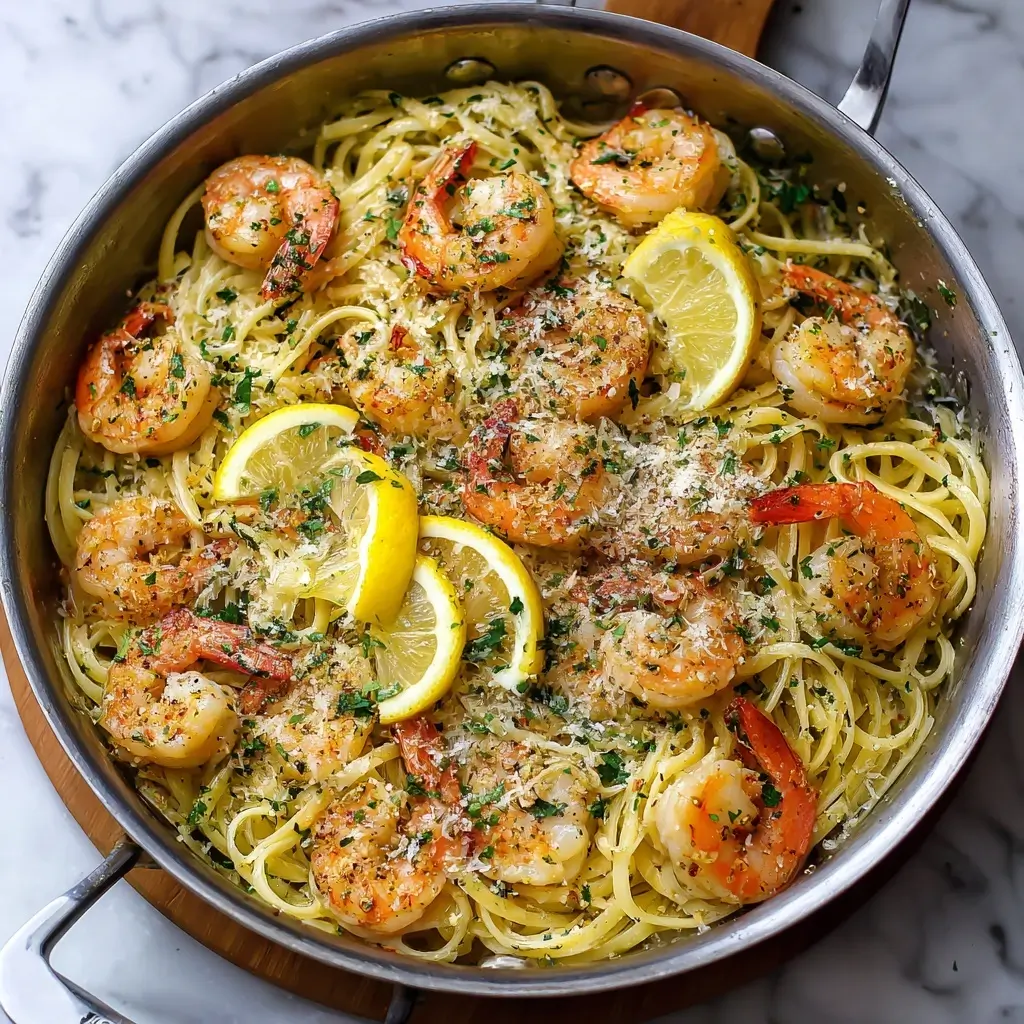
One-Pot Lemon Garlic Shrimp Pasta: A Zesty, Creamy Delight Ready in Under 30 Minutes
If you’re craving a restaurant-quality meal that’s both simple and elegant, look no further than this One-Pot Lemon Garlic Shrimp Pasta. Bursting with bright citrus notes, fragrant garlic, tender shrimp, and perfectly al dente pasta—all cooked in a single pot for easy cleanup—this dish is the ultimate weeknight dinner solution. Whether you’re cooking for one or serving a family, this recipe delivers bold Mediterranean flavors with minimal effort and maximum satisfaction.
The History of One-Pot Cooking and Shrimp Pasta
One-pot meals have long been celebrated across cultures for their efficiency, flavor concentration, and ease of preparation. From Italian risotti to Spanish paella, cooking everything in a single vessel allows ingredients to meld beautifully while reducing kitchen cleanup—a hallmark of practical home cooking. The concept gained renewed popularity in the 21st century as busy lifestyles demanded faster, healthier, and less wasteful meal options.
Shrimp pasta dishes, particularly those featuring lemon and garlic, trace their roots to coastal Mediterranean cuisines, especially Southern Italy and Greece. These regions are known for their abundant seafood, fresh herbs, olive oil, and citrus, all of which come together in vibrant harmony. Over time, Western home cooks adapted these flavors into creamy, comforting pastas that balance richness with freshness. The modern one-pot version emerged as a fusion of traditional taste and contemporary convenience, making gourmet-style dinners accessible to even novice cooks.
Ingredients Breakdown: What Makes This Dish Shine?
The magic of this One-Pot Lemon Garlic Shrimp Pasta lies in its carefully balanced ingredients, each contributing to the overall aroma, texture, and taste:
- Shrimp: Large or medium-sized peeled and deveined shrimp cook quickly and absorb flavors beautifully. Opt for wild-caught if possible for superior taste and sustainability.
- Pasta: Short shapes like penne, fettuccine, or linguine work best—they hold sauce well and cook evenly alongside other ingredients.
- Lemon: Fresh lemon juice adds zesty brightness, while lemon zest intensifies the citrus aroma without extra acidity.
- Garlic: Minced fresh garlic provides a pungent, savory base that’s essential to the dish’s depth.
- Butter and Olive Oil: A combination of both enriches the sauce—butter adds creaminess, while olive oil brings a fruity, earthy note.
- Chicken or Vegetable Broth: Serves as the cooking liquid, infusing the pasta with savory flavor as it simmers.
- Heavy Cream (or Alternative): Gives the sauce its luxurious, silky texture. For a lighter version, half-and-half or coconut milk can be used.
- Grated Parmesan Cheese: Adds umami and saltiness, helping to thicken the sauce slightly and enhance overall savoriness.
- Red Pepper Flakes: Introduce a subtle kick—adjustable based on preference.
- Fresh Herbs: Parsley or basil add color and freshness when stirred in at the end.
- Salt and Black Pepper: Essential for seasoning layers throughout the cooking process.
Step-by-Step Recipe: How to Make One-Pot Lemon Garlic Shrimp Pasta
Follow this detailed guide to create a perfect, restaurant-worthy meal from start to finish.
- Gather Ingredients: Before starting, prep all your ingredients—measure broth, mince garlic, zest and juice the lemon, chop parsley, and pat shrimp dry. This ensures smooth execution.
- Heat the Pot: Place a large, deep skillet or Dutch oven over medium heat. Add 2 tablespoons of olive oil and 1 tablespoon of butter. Let them melt and combine, creating a flavorful base.
- Sauté the Aromatics: Add 4–5 minced garlic cloves and a pinch of red pepper flakes. Sauté for about 30–60 seconds until fragrant—do not let garlic brown, as it will turn bitter.
- Brown the Shrimp (Optional): Push garlic to the side and place shrimp in a single layer. Cook for 1–2 minutes per side until they just begin to turn pink. Remove shrimp temporarily and set aside—this prevents overcooking later.
- Add Pasta and Liquid: Pour in 8 oz (about 2 cups) of uncooked pasta, followed by 2 cups of chicken or vegetable broth. Stir gently to submerge the pasta. Increase heat to bring to a gentle boil.
- Simmer Until Al Dente: Reduce heat to medium-low. Cover and simmer for 8–10 minutes, stirring occasionally to prevent sticking. The pasta should absorb most of the liquid and become tender but still firm.
- Incorporate Cream and Cheese: Stir in ½ cup heavy cream and ½ cup grated Parmesan cheese. Mix well until the cheese melts and the sauce begins to thicken.
- Return Shrimp to Pot: Add the partially cooked shrimp back into the pan. Simmer uncovered for another 2–3 minutes until shrimp are fully pink and opaque, and the sauce reaches desired consistency.
- Finish with Lemon and Herbs: Remove from heat. Stir in the juice of 1 large lemon (about 3 tbsp), 1 tsp of lemon zest, and ¼ cup chopped fresh parsley. Adjust salt and black pepper to taste.
- Serve Immediately: Ladle into warm bowls. Garnish with extra Parmesan, a sprinkle of red pepper flakes, and a lemon wedge on the side.
Tips for Perfect One-Pot Lemon Garlic Shrimp Pasta
- Don’t Overcook the Shrimp: Shrimp cook very quickly. If left too long, they become rubbery. Remove them early and return them near the end to finish gently.
- Use Fresh Lemon Juice: Bottled lemon juice lacks the vibrant, clean flavor of freshly squeezed. Always use fresh lemons for best results.
- Stir Occasionally While Simmering: Prevents pasta from sticking to the bottom and ensures even cooking and flavor distribution.
- Cook Pasta Directly in the Sauce: This allows it to absorb the seasoned broth, enhancing the overall flavor profile far beyond boiled pasta with added sauce.
- Reserve Some Pasta Water (Optional): Though not traditional in one-pot recipes, if the sauce thickens too much, a splash of hot water can loosen it without diluting flavor.
- Choose the Right Pan: Use a heavy-bottomed pot or deep skillet to ensure even heat distribution and reduce risk of scorching.
- Let It Rest: Allow the pasta to sit off heat for 2–3 minutes before serving. This helps the sauce settle and cling better to the noodles.
Variations and Customizations
This recipe is highly adaptable to suit dietary preferences, pantry availability, or creative inspiration:
- Dairy-Free Version: Replace butter with vegan butter or olive oil, omit Parmesan, and use full-fat coconut milk instead of cream. Nutritional yeast can add cheesy flavor.
- Gluten-Free Option: Substitute regular pasta with high-quality gluten-free pasta (like brown rice or chickpea-based). Adjust cooking time as needed.
- Add Vegetables: Spinach, cherry tomatoes, asparagus, zucchini, or artichoke hearts can be sautéed with the garlic or stirred in at the end for added nutrition and color.
- Protein Swaps: Try scallops, chicken breast strips, or even chickpeas for a vegetarian twist.
- Cream Alternatives: Use evaporated milk, Greek yogurt (add off-heat to prevent curdling), or cashew cream for a lighter or plant-based option.
- Herb Variations: Basil, dill, chives, or tarragon can replace or complement parsley for different flavor profiles.
- Spice It Up: Add diced jalapeño, more red pepper flakes, or a dash of hot sauce for extra heat.
- Wine-Infused Version: Deglaze the pan with ½ cup of dry white wine after sautéing garlic, letting it reduce before adding broth and pasta. Enhances complexity and depth.
Health Considerations and Nutritional Value
While undeniably delicious, this dish can be modified to align with various health goals. Here’s a breakdown of its nutritional components and how to make it healthier:
Nutritional Highlights (per serving, approx. 1/4 recipe):
- Calories: ~450–550 kcal (varies with cream, cheese, and pasta type)
- Protein: ~25–30g (primarily from shrimp and dairy)
- Fat: ~20–25g (mostly unsaturated from olive oil and shrimp)
- Carbohydrates: ~45–50g (from pasta; lower with GF or veggie noodles)
- Fiber: ~2–4g (can increase with whole grain pasta or added vegetables)
- Vitamins & Minerals: Rich in selenium (shrimp), vitamin C (lemon), calcium (cheese), and antioxidants (garlic, parsley).
Health Tips:
- Reduce Sodium: Use low-sodium broth and limit added salt. Rely on lemon, garlic, and herbs for flavor.
- Lower Fat: Substitute heavy cream with half-and-half or Greek yogurt. Reduce cheese quantity or use a stronger-flavored aged Parmesan so less is needed.
- Increase Fiber: Add leafy greens like spinach or kale during the last few minutes of cooking.
- Balanced Meal: Serve with a side salad or steamed vegetables to boost micronutrients and fiber.
- Portion Control: This dish is rich and satisfying—smaller portions may be enough, especially when paired with veggies.
Full Ingredient List
- 1 lb (450g) large or medium shrimp, peeled and deveined
- 8 oz (225g) dried pasta (penne, fettuccine, or linguine)
- 2 tablespoons olive oil
- 1 tablespoon unsalted butter (or substitute with more olive oil)
- 4–5 garlic cloves, finely minced
- ½ teaspoon red pepper flakes (adjust to taste)
- 2 cups low-sodium chicken or vegetable broth
- ½ cup heavy cream (or alternative)
- ½ cup grated Parmesan cheese, plus extra for serving
- Juice of 1 large lemon (~3 tablespoons)
- 1 teaspoon lemon zest
- ¼ cup fresh parsley, finely chopped
- Salt and freshly ground black pepper, to taste
- Lemon wedges, for garnish
Detailed Directions
- Prep Work: Pat shrimp dry with paper towels. Mince garlic, zest and juice lemon, chop parsley, and measure all other ingredients.
- Heat Oil and Butter: In a large, deep skillet or Dutch oven, heat olive oil and butter over medium heat until butter melts and shimmers.
- Sauté Garlic and Spices: Add minced garlic and red pepper flakes. Stir constantly for 30–60 seconds until aromatic but not browned.
- Cook Shrimp Briefly: Add shrimp in a single layer. Cook 1–2 minutes per side until lightly pink. Remove and set aside.
- Add Pasta and Broth: Stir in uncooked pasta, then pour in broth. Bring to a gentle boil.
- Simmer Pasta: Reduce heat to medium-low. Cover and simmer for 8–10 minutes, stirring occasionally, until pasta is al dente and most liquid is absorbed.
- Enrich the Sauce: Stir in heavy cream and Parmesan until smooth and slightly thickened.
- Finish Cooking Shrimp: Return shrimp to the pot. Simmer uncovered for 2–3 minutes until shrimp are fully cooked and sauce coats the pasta.
- Season and Finish: Remove from heat. Stir in lemon juice, zest, and parsley. Season with salt and pepper to taste.
- Serve Warm: Divide into bowls. Top with extra Parmesan, a sprinkle of parsley, and a lemon wedge. Enjoy immediately.
Frequently Asked Questions (FAQ)
Can I use frozen shrimp?
Yes, but thaw them first under cold water and pat dry to avoid excess moisture and uneven cooking.
Can I make this ahead of time?
Best served fresh. Reheated pasta may become mushy, but leftovers keep well for 2–3 days in the fridge. Reheat gently with a splash of broth or water.
Why did my sauce turn out watery?
The sauce should thicken as it cools and absorbs. Simmer longer uncovered to reduce, or add a bit more cheese to help emulsify.
Is this dish safe for pregnant women?
Yes, as long as shrimp are cooked thoroughly (internal temp of 145°F / 63°C) and pasteurized dairy is used.
Can I double the recipe?
Yes, but use a very large pot and avoid overcrowding. You may need to extend simmering time slightly.
What can I substitute for heavy cream?
Half-and-half, coconut milk, evaporated milk, or a blend of milk and cornstarch (1 tbsp cornstarch + ¼ cup milk) can work in a pinch.
How do I prevent garlic from burning?
Keep heat at medium or lower, stir constantly, and add broth quickly after garlic becomes fragrant.
Can I use pre-cooked shrimp?
Yes, but add them at the very end just to warm through—otherwise, they’ll become tough.
Summary
The One-Pot Lemon Garlic Shrimp Pasta is a vibrant, creamy, and quick weeknight meal that combines succulent shrimp, al dente pasta, and a tangy lemon-garlic sauce—all cooked in a single pot for effortless preparation and cleanup.
Packed with Mediterranean flavors and customizable for various diets, this dish delivers restaurant-quality elegance with humble ingredients and minimal time.