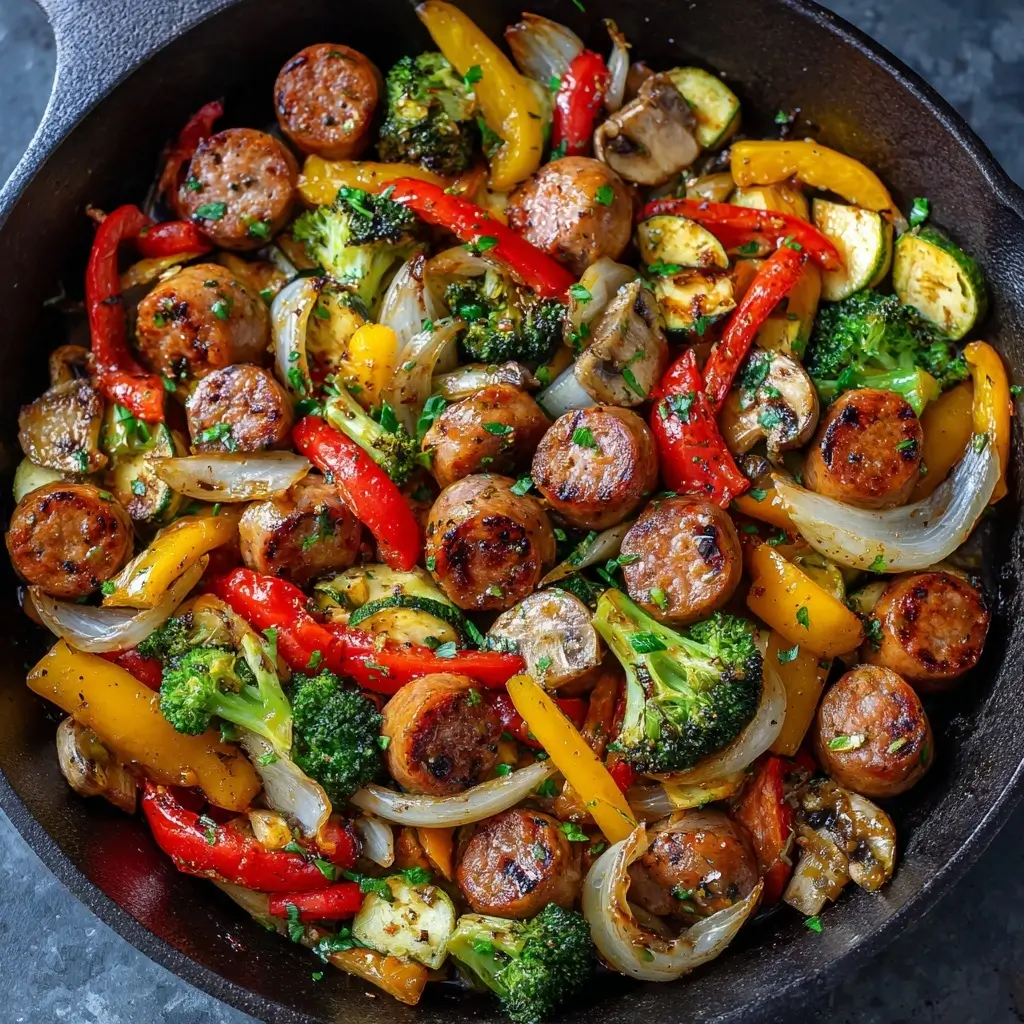
One-Pan Honey Garlic Sausage & Veggies: A Complete Guide to the Ultimate Weeknight Dinner
The History of One-Pan Meals and the Rise of Honey Garlic Flavor
The concept of one-pan meals dates back centuries, rooted in rustic European and Mediterranean cooking traditions where simplicity, efficiency, and flavor were paramount. Peasant families often relied on cast iron skillets or heavy Dutch ovens to combine meats, seasonal vegetables, and available seasonings into hearty, nourishing dishes that required minimal cleanup. Over time, these practical recipes evolved into beloved classics such as French cassoulet, Spanish paella, and Italian sausage and peppers.
In modern culinary culture—especially over the past few decades—one-pan meals have experienced a resurgence due to their convenience, time-saving benefits, and alignment with busy lifestyles. The popularity of sheet pan dinners skyrocketed with the rise of meal prep culture and healthy home cooking movements in the 2010s. At the same time, the honey garlic flavor profile emerged as a fan favorite across global cuisines. Originating from Chinese-American restaurant staples like honey garlic chicken, this sweet-and-savory glaze has since been adapted into countless recipes, from marinades to stir-fries and roasts.
The fusion of these two trends—the ease of one-pan cooking and the crave-worthy taste of honey garlic—gave birth to dishes like One-Pan Honey Garlic Sausage & Veggies. This recipe combines the rich umami of smoked sausage with the aromatic sweetness of honey and garlic, all roasted together with vibrant vegetables for a balanced, satisfying meal. It reflects contemporary values: fast, flavorful, family-friendly, and fuss-free.
Ingredients Breakdown: Why Each Component Matters
The brilliance of this dish lies not only in its simplicity but also in the thoughtful selection of ingredients, each contributing unique textures, flavors, and nutritional benefits.
- Smoked Sausage (or Kielbasa): Typically made from pork, this fully cooked sausage brings deep smoky notes and a firm texture that holds up well during roasting. Its high fat content helps baste the vegetables subtly as it cooks, enhancing overall flavor.
- Honey: A natural sweetener that adds floral richness while balancing the pungency of garlic. It also promotes caramelization, helping create golden-brown edges on both the sausage and veggies.
- Fresh Garlic: Minced garlic releases allicin when heated, offering anti-inflammatory properties and a bold, savory aroma. Fresh is always better than powdered for depth of flavor.
- Soy Sauce or Tamari: Adds saltiness and umami depth, acting as a flavor enhancer. Low-sodium versions can be used to control salt intake.
- Olive Oil: Extra virgin olive oil carries flavors evenly, prevents sticking, and contributes heart-healthy monounsaturated fats.
- Balsamic Vinegar (optional): A splash introduces acidity and subtle sweetness, cutting through richness and brightening the final dish.
- Veggie Medley: Common choices include bell peppers (red, yellow, green), red onion, zucchini, yellow squash, broccoli florets, cherry tomatoes, and carrots. These provide color, fiber, vitamins, and varied textures—from crisp-tender to soft-caramelized.
- Dried Herbs: Thyme, rosemary, or Italian seasoning add earthy complexity. Fresh herbs like parsley can be added post-roast for freshness.
- Black Pepper & Red Pepper Flakes (optional): For a touch of heat and spice contrast against the sweetness of honey.
Step-by-Step Recipe: How to Make One-Pan Honey Garlic Sausage & Veggies
This foolproof method ensures perfectly roasted sausage and tender-crisp vegetables every time, with maximum flavor and minimal effort.
- Preheat Oven: Set your oven to 400°F (200°C). This temperature allows for even roasting and caramelization without burning.
- Prepare Baking Sheet: Line a large rimmed baking sheet with parchment paper or lightly grease it with olive oil to prevent sticking. Using two sheets may be necessary if doubling the recipe to avoid overcrowding.
- Chop Ingredients: Slice the smoked sausage into ½-inch thick coins. Cut all vegetables into uniform bite-sized pieces—about 1-inch chunks—to ensure even cooking.
- Make Honey Garlic Sauce: In a small bowl, whisk together 3 tablespoons honey, 3 minced garlic cloves, 2 tablespoons soy sauce, 1 tablespoon olive oil, 1 teaspoon balsamic vinegar (if using), ½ teaspoon dried thyme, ¼ teaspoon black pepper, and a pinch of red pepper flakes.
- Toss Veggies with Oil and Seasoning: Place chopped vegetables in a large mixing bowl. Drizzle with 1–2 tablespoons olive oil, sprinkle with salt and pepper, and toss to coat evenly. Spread them out on one side of the baking sheet.
- Arrange Sausage: Place sliced sausage on the other half of the baking sheet, leaving space between pieces for airflow and browning.
- Pour Glaze Over Sausage: Spoon half of the honey garlic sauce directly over the sausage slices, using a brush or spoon to coat them thoroughly.
- Roast First Stage: Place the tray in the preheated oven and roast for 20 minutes. This initial phase begins softening the vegetables and crisping the sausage edges.
- Stir and Flip: Remove the pan from the oven. Toss the vegetables gently, flip the sausage pieces, and brush the remaining glaze over both sausage and veggies for an even flavor distribution.
- Continue Roasting: Return the pan to the oven and roast for another 15–20 minutes, or until vegetables are tender and slightly caramelized, and sausage is browned and heated through.
- Optional Broil: For extra char and crispiness, switch the oven to broil for 2–3 minutes at the end—watch closely to avoid burning.
- Garnish and Serve: Sprinkle with freshly chopped parsley or basil before serving. Optionally drizzle with a little extra honey or balsamic glaze for presentation.
Tips for Perfect Results Every Time
- Uniform Cutting: Ensure all vegetable pieces are roughly the same size so they cook evenly. Dense veggies like carrots should be cut slightly smaller than softer ones like zucchini.
- Don’t Overcrowd the Pan: If the pan is too full, steam builds up instead of allowing proper roasting. Use two pans if needed.
- Use Pre-Cooked Sausage: Since most smoked sausages are already cooked, this recipe focuses on heating and browning rather than cooking raw meat, reducing risk and saving time.
- Double the Glaze: If you love saucy dishes, consider making a double batch of the honey garlic mixture—one for tossing, one for serving on the side.
- Add Lemon Zest: For brightness, grate a bit of lemon zest over the finished dish just before serving.
- Let It Rest: Allow the dish to sit for 5 minutes after removing from the oven; this lets flavors meld and makes portioning easier.
- Check for Doneness: Vegetables should pierce easily with a fork but still hold shape. Carrots and potatoes take longer than peppers or zucchini.
- Rotate the Pan: Midway through cooking, rotate the baking sheet (especially in older ovens) to compensate for hot spots.
Variations and Customizations
This versatile recipe welcomes endless adaptations based on dietary needs, seasonal availability, or cultural twists.
- Protein Swaps: Replace sausage with chicken sausage (mild or spicy), turkey kielbasa, grilled tofu, tempeh, or even shrimp added in the last 10 minutes of cooking.
- Vegetable Rotations: Try sweet potatoes, Brussels sprouts, asparagus, mushrooms, fennel, or cauliflower. In summer, use fresh corn and cherry tomatoes; in winter, root vegetables shine.
- Keto/Low-Carb Version: Omit higher-carb veggies like carrots and potatoes. Focus on broccoli, zucchini, mushrooms, spinach (added post-oven), and bell peppers.
- Gluten-Free Option: Use tamari instead of regular soy sauce to keep the dish gluten-free.
- Vegan Adaptation: Use plant-based sausage links and substitute honey with maple syrup or agave nectar to maintain the sweet glaze.
- Spicy Kick: Add sliced jalapeños, crushed red pepper, or a dash of sriracha to the glaze for those who enjoy heat.
- Mediterranean Twist: Add olives, sun-dried tomatoes, artichoke hearts, and crumbled feta cheese after roasting.
- Asian-Inspired Version: Swap soy sauce for teriyaki, add ginger to the glaze, and garnish with sesame seeds and green onions.
- Cajun Style: Use Andouille sausage and season veggies with Cajun spice blend for a bold, smoky Southern twist.
Health Considerations and Nutritional Value
While delicious and convenient, it’s important to understand the nutritional aspects of this dish to make informed choices.
Nutrient Highlights:
- Fiber-Rich Vegetables: Provide essential vitamins (A, C, K), antioxidants, and dietary fiber that support digestion and immune health.
- Healthy Fats: Olive oil contains monounsaturated fats linked to reduced inflammation and improved heart health.
- Protein Source: Smoked sausage offers complete protein, though it can be high in sodium and saturated fat depending on brand and type.
- Natural Sweetness: Honey, while more nutritious than refined sugar, still counts as added sugar and should be consumed in moderation.
Potential Concerns:
- Sodium Content: Processed sausages and soy sauce can be high in sodium. Opt for low-sodium varieties when possible.
- Saturated Fat: Traditional pork sausage contains saturated fat. Leaner alternatives like turkey or chicken sausage reduce this concern.
- Added Sugars: Honey contributes natural sugars, so those monitoring blood sugar should adjust portions accordingly.
Estimated Nutrition per Serving (based on 4 servings):
- Calories: ~380 kcal
- Total Fat: 22g (Saturated Fat: 7g)
- Carbohydrates: 28g (Dietary Fiber: 5g, Sugars: 16g)
- Protein: 18g
- Sodium: ~800mg (varies widely by ingredients)
- Vitamin A: 120% DV | Vitamin C: 150% DV | Iron: 15% DV
Note: Values are approximate and depend on specific brands and ingredient proportions.
Full Ingredient List
- 1 lb (450g) smoked sausage or kielbasa, sliced into rounds
- 3 tablespoons honey (or maple syrup for vegan option)
- 3 cloves garlic, minced
- 2 tablespoons soy sauce (or tamari for gluten-free)
- 1 tablespoon extra virgin olive oil (plus more for tossing)
- 1 teaspoon balsamic vinegar (optional)
- ½ teaspoon dried thyme (or Italian seasoning)
- ¼ teaspoon black pepper
- Pinch of red pepper flakes (optional)
- 1 red bell pepper, chopped
- 1 yellow bell pepper, chopped
- 1 medium zucchini, sliced
- 1 cup broccoli florets
- 1 medium red onion, cut into wedges
- 1 large carrot, sliced thin
- Salt, to taste
- Fresh parsley, chopped (for garnish)
Detailed Directions
Follow these comprehensive steps to create a restaurant-quality meal right in your kitchen.
- Preheat your oven to 400°F (200°C). Position rack in the center.
- Line a large, rimmed baking sheet with parchment paper for easy cleanup.
- In a small bowl, prepare the honey garlic glaze: whisk together honey, minced garlic, soy sauce, olive oil, balsamic vinegar, thyme, black pepper, and red pepper flakes until smooth. Set aside.
- Wash and chop all vegetables into uniform sizes. Keep denser vegetables (carrots, potatoes) slightly smaller than softer ones (zucchini, peppers).
- In a large mixing bowl, combine all chopped vegetables. Drizzle with 1–2 tablespoons olive oil, season with salt and pepper, and toss until evenly coated.
- Spread vegetables in a single layer on one side of the prepared baking sheet. Avoid piling them up.
- Slice the sausage into ½-inch thick rounds and arrange them in a single layer on the other side of the pan, leaving space between each piece.
- Brush or spoon half of the honey garlic sauce over the sausage slices, ensuring each piece gets a good coating.
- Place the baking sheet in the oven and roast for 20 minutes.
- After 20 minutes, remove the pan from the oven. Use a spatula to toss the vegetables and flip the sausage pieces.
- Drizzle the remaining glaze over both the sausage and vegetables, stirring gently to distribute the sauce.
- Return the pan to the oven and continue roasting for 15–20 minutes, or until vegetables are tender and lightly charred at the edges, and sausage is golden brown.
- For extra browning, place under the broiler for 2–3 minutes, watching carefully to prevent burning.
- Remove from oven and let rest for 5 minutes. Taste and adjust seasoning with additional salt, pepper, or a splash of lemon juice if desired.
- Garnish generously with fresh chopped parsley or basil. Serve immediately.
Frequently Asked Questions (FAQ)
Can I make this ahead of time?
Yes! You can prep the vegetables and make the glaze up to 24 hours in advance. Store separately in airtight containers in the refrigerator. Assemble and roast when ready to serve. Leftovers reheat well in the oven or microwave.
Can I freeze leftovers?
While technically possible, freezing may alter the texture of vegetables, making them mushy upon thawing. Best consumed within 3–4 days refrigerated.
Is this recipe suitable for meal prep?
Absolutely! Divide into meal prep containers for lunches throughout the week. Pair with quinoa, brown rice, or cauliflower rice for a complete balanced meal.
Can I cook this in a convection oven?
Yes. Convection ovens circulate hot air, so reduce cooking time by 5–10 minutes and check for doneness earlier.
What kind of sausage works best?
Smoked kielbasa is traditional, but you can use chicken apple sausage, spicy Italian, Andouille, or plant-based alternatives based on preference.
Why are my vegetables soggy?
Overcrowding the pan or under-roasting leads to steaming instead of roasting. Ensure space between items and use high enough heat (at least 400°F).
Can I add potatoes?
Yes, but parboil diced potatoes first or start them in the oven 10 minutes before adding other vegetables, as they take longer to cook.
How do I store leftovers?
Cool completely, then transfer to an airtight container. Refrigerate for up to 4 days. Reheat in the oven at 350°F for best texture, or microwave for convenience.
Can I use frozen vegetables?
Not recommended. Frozen veggies release excess moisture and won’t caramelize properly. Always use fresh for optimal results.
Is honey garlic sauce healthy?
In moderation, yes. Honey offers trace nutrients and antioxidants, but it’s still a form of sugar. Use raw honey and limit portions if managing sugar intake.
Summary
The One-Pan Honey Garlic Sausage & Veggies is a quick, flavorful, and nutritious dinner solution that combines smoky sausage, colorful vegetables, and a sticky-sweet garlic glaze—all roasted on a single tray for effortless cleanup. Packed with vibrant colors, bold flavors, and wholesome ingredients, it’s perfect for weeknights, meal prep, or feeding a hungry family.