Olive Garden Chicken Alfredo Recipe: A Creamy, Comforting Classic You Can Make at Home
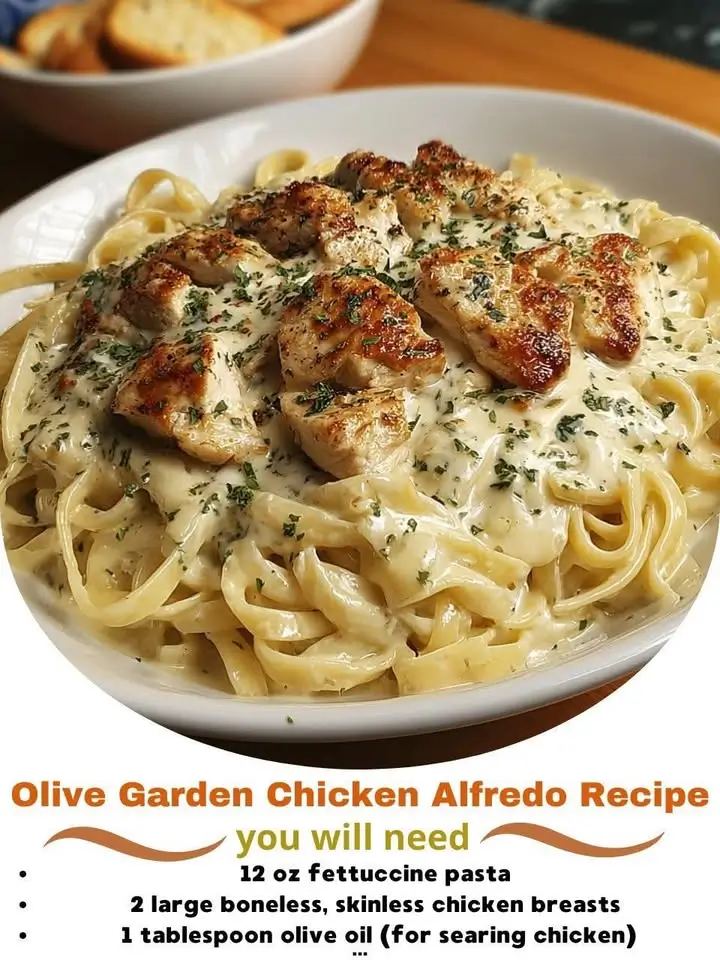
If you’ve ever dined at Olive Garden and indulged in their rich, velvety Chicken Alfredo, you know exactly what comfort tastes like. This beloved Italian-American dish features tender grilled chicken atop a bed of fettuccine pasta, smothered in a luxuriously creamy Alfredo sauce made with butter, cream, Parmesan cheese, and just the right amount of seasoning. While many assume this restaurant favorite is impossible to recreate at home, we’re here to prove otherwise. With this detailed guide, you’ll learn not only how to make an authentic-tasting Olive Garden-style Chicken Alfredo but also discover its origins, ingredient nuances, cooking tips, nutritional insights, and creative variations to elevate your culinary experience.
The History of Chicken Alfredo and Its Rise to Fame
The story of Chicken Alfredo begins not in America, but in Rome, Italy. The original Alfredo sauce was created by Alfredo di Lelio in the early 20th century at his restaurant Il Vittoriano. He crafted a simple yet decadent sauce using freshly grated Parmigiano-Reggiano and melted butter tossed with homemade fettuccine. This dish, known as Fettuccine al Triplo Burro (fettuccine with triple butter), became famous when American tourists visiting Rome raved about it and brought the idea back to the United States.
In America, chefs adapted the recipe, adding heavy cream to create a smoother, richer consistency more suited to local palates. Over time, grilled chicken was added to transform it into a heartier entrée—thus giving birth to Chicken Alfredo. Olive Garden popularized this version in the 1980s, making it a staple on their menu and a symbol of American-Italian dining. Today, Olive Garden’s Chicken Alfredo remains one of the most requested dishes across their chain, inspiring countless home cooks to replicate its luscious flavor profile.
Ingredients Breakdown: What Makes the Sauce So Rich and Flavorful?
The magic of Olive Garden Chicken Alfredo lies in the careful balance of high-quality ingredients that come together to form a harmonious, creamy sauce. Let’s break down each component and understand why it matters:
- Fettuccine Pasta: Flat, thick noodles are ideal for holding onto thick sauces. Fresh or dried fettuccine works well; however, fresh gives a silkier texture.
- Boneless, Skinless Chicken Breasts: These provide lean protein with mild flavor, allowing the Alfredo sauce to shine. Marinating or seasoning them properly enhances taste and tenderness.
- Unsalted Butter: High-fat content contributes richness and mouthfeel. Using unsalted allows better control over salt levels.
- Heavy Cream: The base of the sauce, providing body and smoothness. It emulsifies well with cheese and doesn’t curdle easily under heat.
- Garlic: Minced or pressed garlic adds aromatic depth without overpowering the dish.
- Parmesan Cheese: Freshly grated Parmigiano-Reggiano melts smoothly and imparts a nutty, umami-rich flavor essential to authenticity.
- Seasonings: Salt, black pepper, and a touch of nutmeg enhance complexity. Some versions include parsley or basil for freshness.
- Olive Oil: Used for sautéing chicken and preventing sticking, it also carries subtle fruity notes.
Note: Avoid pre-shredded cheeses, as they often contain anti-caking agents that hinder melting and result in a grainy sauce.
Step-by-Step Recipe: How to Make Olive Garden Chicken Alfredo at Home
Follow this meticulous method to achieve a restaurant-quality Chicken Alfredo that rivals even Olive Garden’s finest. Serves 4–6.
Ingredients
- 12 oz (340g) fettuccine pasta
- 2 large boneless, skinless chicken breasts (about 1 lb / 450g)
- 1 tbsp olive oil
- 1 tsp garlic powder
- 1/2 tsp onion powder
- Salt and freshly ground black pepper, to taste
- 4 tbsp (1/4 cup / 57g) unsalted butter
- 3 cloves garlic, minced
- 1 1/2 cups (360ml) heavy cream
- 1 cup (90g) freshly grated Parmesan cheese (preferably Parmigiano-Reggiano)
- 1/4 tsp ground nutmeg (optional, but recommended)
- 2 tbsp chopped fresh parsley (for garnish)
Directions
- Cook the Fettuccine: Bring a large pot of salted water to a boil. Add fettuccine and cook according to package instructions until al dente (usually 8–10 minutes). Reserve 1/2 cup of pasta water before draining. Set aside.
- Prepare the Chicken: Season chicken breasts evenly with garlic powder, onion powder, salt, and pepper. Heat olive oil in a large skillet over medium-high heat. Add chicken and cook for 5–6 minutes per side, or until golden brown and internal temperature reaches 165°F (74°C). Transfer to a cutting board, let rest for 5 minutes, then slice into thin strips or bite-sized pieces.
- Make the Alfredo Sauce: In the same skillet (to capture flavor), reduce heat to medium. Melt butter, then add minced garlic. Sauté for 30–60 seconds until fragrant but not browned. Pour in heavy cream, stirring gently. Bring to a simmer and let it cook for 3–4 minutes to slightly thicken.
- Add Cheese and Seasonings: Gradually whisk in the grated Parmesan cheese, a little at a time, ensuring each addition melts completely before adding more. Stir in nutmeg (if using), and season with salt and pepper to taste. If the sauce is too thick, add reserved pasta water 1 tablespoon at a time until desired consistency is reached.
- Combine Pasta and Sauce: Add the cooked fettuccine to the sauce and toss thoroughly to coat every strand. Cook for 1–2 minutes over low heat to allow flavors to meld.
- Serve: Divide pasta among plates or bowls. Top with sliced grilled chicken. Garnish with additional Parmesan, a sprinkle of black pepper, and fresh chopped parsley.
Tips for Perfect Olive Garden-Style Chicken Alfredo Every Time
- Don’t Rush the Sauce: Low and slow is key. Cooking the cream gently prevents separation and ensures a silky texture.
- Use Freshly Grated Cheese: Pre-grated cheeses contain cellulose, which can make the sauce gritty or stringy.
- Reserve Pasta Water: The starchy liquid helps bind the sauce to the pasta and adjusts thickness naturally.
- Rest the Chicken: Allowing the chicken to rest after cooking keeps it juicy when sliced.
- Double the Batch: This sauce freezes beautifully. Store cooled sauce in an airtight container for up to 3 months. Reheat gently with a splash of milk or cream.
- Avoid Boiling After Adding Cheese: High heat can cause the sauce to break. Keep it at a gentle simmer once cheese is incorporated.
Variations and Customizations: Make It Your Own
While the classic Olive Garden Chicken Alfredo is divine on its own, feel free to get creative with these delicious twists:
- Shrimp Alfredo: Swap chicken for peeled, deveined shrimp. Sauté for 2–3 minutes per side until pink and opaque.
- Veggie-Packed Alfredo: Add steamed broccoli, sautéed mushrooms, spinach, or sun-dried tomatoes for color, texture, and nutrition.
- Bacon Lovers’ Version: Crisp up some bacon and crumble it over the top before serving for a smoky crunch.
- Spicy Kick: Add red pepper flakes or a dash of cayenne to the sauce for a hint of heat.
- Dairy-Free Option: Use plant-based butter, coconut cream, and nutritional yeast or vegan Parmesan for a dairy-free twist.
- Gluten-Free Adaptation: Substitute regular fettuccine with gluten-free pasta made from rice, corn, or quinoa. Ensure all other ingredients are certified GF.
- Extra Creamy Upgrade: Stir in 2–3 tablespoons of cream cheese or mascarpone for an even richer, thicker sauce.
- Lemon Zest Twist: Add a teaspoon of lemon zest to brighten the dish and cut through the richness.
Health Considerations and Nutritional Value
While undeniably delicious, traditional Chicken Alfredo is high in calories, saturated fat, and sodium. Here’s a breakdown per serving (assuming 6 servings):
| Nutrient | Amount per Serving |
|---|---|
| Calories | ~580 kcal |
| Total Fat | 36g |
| Saturated Fat | 20g |
| Cholesterol | 110mg |
| Sodium | 650mg |
| Carbohydrates | 34g |
| Fiber | 2g |
| Sugars | 3g |
| Protein | 32g |
Healthier Modifications:
- Use half-and-half instead of heavy cream to reduce fat (though the sauce may be less rich).
- Opt for whole wheat fettuccine to increase fiber content.
- Reduce butter and cheese slightly and use low-sodium Parmesan.
- Add more vegetables to boost vitamins and fiber while lowering the calorie density.
- Portion control: Serve with a side salad to balance the meal.
This dish should be enjoyed in moderation, especially for those managing cholesterol, heart health, or weight goals. However, when prepared thoughtfully, it can still fit into a balanced diet as an occasional treat.
Frequently Asked Questions (FAQ)
Can I make Chicken Alfredo ahead of time?
Yes, but best results come from reheating gently on the stove with a splash of milk or cream to restore creaminess. Avoid microwaving alone, as it can cause separation.
Why did my Alfredo sauce turn out grainy?
This usually happens if the cheese is added too quickly or at too high a temperature. Always melt cheese slowly over low heat and stir constantly.
Can I use milk instead of heavy cream?
Milk will make a thinner, less luxurious sauce. For better results, combine milk with a roux (butter + flour) or use evaporated milk as a middle ground.
Is Chicken Alfredo really Italian?
Not in its modern American form. Authentic Italian cuisine rarely uses cream in pasta sauces. The original Roman Alfredo had only butter and cheese. The creamy version is an American adaptation.
How do I store leftovers?
Store in an airtight container in the refrigerator for up to 3 days. Reheat slowly on the stove with a bit of liquid to prevent drying.
Can I freeze Chicken Alfredo?
Yes, though dairy-based sauces can sometimes separate upon thawing. Freeze the sauce separately from the pasta and reheat with a little cream or butter to stabilize.
What wine pairs well with Chicken Alfredo?
A crisp white wine like Pinot Grigio, Sauvignon Blanc, or Chardonnay complements the richness without overwhelming it.
Summary
Recreate the iconic Olive Garden Chicken Alfredo in your kitchen with this easy-to-follow, deeply flavorful recipe that captures the essence of creamy comfort food. From its Roman roots to American fame, this dish continues to delight with every bite.