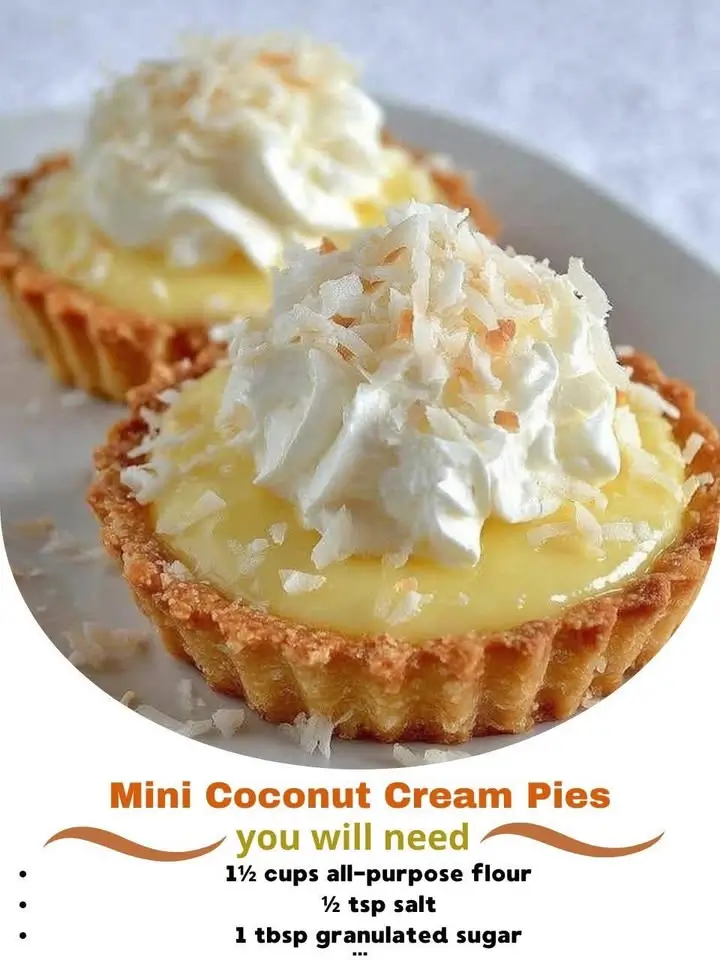
Mini Coconut Cream Pies: A Delectable Bite-Sized Delight
There’s something undeniably comforting about a classic coconut cream pie—creamy, rich, and delicately sweet with the tropical aroma of toasted coconut. But when you shrink it down into adorable, bite-sized portions, you elevate it to an entirely new level of dessert perfection. Mini coconut cream pies are not only perfect for parties, potlucks, or bridal showers but also offer portion control without sacrificing flavor. Whether you’re a seasoned baker or trying your hand at custard for the first time, this guide will walk you through everything you need to know to create flawless mini coconut cream pies that are as beautiful as they are delicious.
The History of Coconut Cream Pie
Coconut cream pie has its roots in American Southern baking traditions, emerging prominently in the early 20th century. As canned coconut and coconut milk became more widely available, bakers began experimenting with tropical flavors in traditional custard pies. The earliest known printed recipe for coconut cream pie appeared in the 1940s, often featuring a simple graham cracker or pastry crust filled with vanilla custard and shredded coconut, then topped with whipped cream. Over the decades, it gained popularity across the United States, becoming a staple in diners and family kitchens alike. The mini version evolved as a response to entertaining trends—smaller desserts that allow guests to sample multiple treats without overindulging. Today, mini coconut cream pies are beloved for their nostalgic charm and elegant presentation.
Ingredients Breakdown: What Makes These Pies Irresistible?
The magic of mini coconut cream pies lies in the harmony of textures and flavors. Each ingredient plays a crucial role in creating the luscious, creamy filling and crisp, buttery crust. Here’s a detailed breakdown:
- Butter: Used in the pie crust, unsalted butter adds richness and flakiness. It creates steam during baking, which helps form delicate layers.
- Flour (all-purpose): The base of the shortcrust pastry, providing structure and tenderness when combined with fat and liquid.
- Sugar (granulated): Adds sweetness to the crust and balances the custard. In the filling, sugar enhances flavor and contributes to the silky texture of the cooked custard.
- Salt: A pinch enhances all other flavors and prevents the dessert from tasting flat.
- Cold water or ice water: Binds the dough without activating too much gluten, ensuring a tender crust.
- Egg yolks: Key to the custard’s richness and velvety mouthfeel. They act as an emulsifier and thickener when gently heated.
- Cornstarch: The primary thickening agent for the custard. It gives the filling body and stability, preventing weeping or separation.
- Whole milk and heavy cream: Together, these dairy products create a luxurious, creamy base. Whole milk provides balance, while heavy cream adds decadence.
- Vanilla extract (pure): Imparts a warm, floral note that complements the coconut. Real vanilla is far superior to imitation in both aroma and depth of flavor.
- Sweetened shredded coconut: The star ingredient. Toasted if possible, it adds chewy texture and intense coconut flavor throughout the filling and on top.
- Unsweetened shredded coconut (optional): For those who prefer less sugar, this can be used instead, with additional sweetener adjusted in the custard.
- Whipped cream: Used as a topping, it adds lightness and contrasts beautifully with the dense custard. Homemade is best, using heavy cream, powdered sugar, and vanilla.
- Lemon juice (a splash): Often added to the filling to brighten flavors and cut through the richness.
Optional enhancements include a hint of rum or coconut extract for deeper tropical notes, or even a layer of chocolate on the bottom crust for a Mounds bar-inspired twist.
Step-by-Step Recipe: How to Make Perfect Mini Coconut Cream Pies
Follow these detailed steps to craft flawless mini coconut cream pies every time. This recipe yields approximately 12 mini pies, depending on the size of your tart tin.
Ingredients
For the Crust:
- 1 ¼ cups all-purpose flour
- ½ teaspoon salt
- 1 tablespoon granulated sugar
- ½ cup (1 stick) cold unsalted butter, cubed
- 3–4 tablespoons ice water
For the Filling:
- ¾ cup granulated sugar
- ⅓ cup cornstarch
- ¼ teaspoon salt
- 4 large egg yolks
- 2 cups whole milk
- 1 cup heavy cream
- 1 teaspoon pure vanilla extract
- 1 cup sweetened shredded coconut (plus extra for garnish)
- 1 tablespoon unsalted butter
- ½ teaspoon lemon juice (optional)
For the Topping:
- 1 cup heavy whipping cream
- 2 tablespoons powdered sugar
- ½ teaspoon vanilla extract
- Toasted coconut flakes, for garnish
Directions
- Make the crust: In a food processor, pulse together flour, sugar, and salt. Add cold cubed butter and pulse until the mixture resembles coarse crumbs. Slowly add ice water, one tablespoon at a time, pulsing just until the dough begins to clump. Turn out onto a clean surface and gently shape into a disk. Wrap in plastic and chill for at least 1 hour (or up to 2 days).
- Preheat oven: Set oven to 375°F (190°C). Lightly grease a 12-cup mini tart or muffin pan.
- Roll and shape crusts: On a floured surface, roll the chilled dough to about ⅛-inch thickness. Use a round cutter slightly larger than your tart molds to cut circles. Press each gently into the cups, trimming excess. Prick the bottoms with a fork to prevent puffing.
- Blind bake the crusts: Line each crust with parchment paper and fill with pie weights or dried beans. Bake for 12 minutes. Remove weights and parchment, then bake another 5–7 minutes until golden. Cool completely on a wire rack.
- Prepare the custard: In a medium bowl, whisk sugar, cornstarch, and salt. Whisk in egg yolks until smooth and pale. Set aside.
- Heat dairy: In a saucepan, combine milk and heavy cream. Heat over medium until steaming (do not boil). Gradually pour about ½ cup of hot milk into the yolk mixture, whisking constantly to temper the eggs. Pour the tempered mixture back into the saucepan.
- Cook the custard: Cook over medium heat, stirring constantly with a wooden spoon or silicone spatula, until the mixture thickens and comes to a gentle boil (about 5–7 minutes). Let it bubble gently for 1 minute to activate the cornstarch fully.
- Add coconut and finish: Remove from heat. Stir in vanilla, butter, lemon juice (if using), and 1 cup of shredded coconut. Mix well until butter melts and coconut is evenly distributed. Strain through a fine-mesh sieve for extra smoothness (optional but recommended).
- Fill the crusts: Spoon the warm custard into the cooled tart shells, filling almost to the top. Press plastic wrap directly onto the surface of each to prevent a skin from forming. Chill for at least 3 hours, preferably overnight.
- Whip the cream: Just before serving, beat heavy cream, powdered sugar, and vanilla until soft peaks form.
- Top and garnish: Pipe or spoon whipped cream onto each mini pie. Sprinkle with toasted coconut flakes for a golden, aromatic finish.
Tips for Success
- Keep ingredients cold: For flaky crusts, ensure butter and water are very cold. Work quickly to prevent the butter from melting.
- Don’t skip blind baking: Pre-baking ensures a crisp crust that won’t get soggy from the custard.
- Temper the eggs properly: Always add hot liquid slowly to yolks while whisking vigorously to avoid scrambling.
- Stir constantly during cooking: Custard can scorch on the bottom if left unattended. Use a silicone spatula to scrape corners.
- Chill thoroughly: Allow pies to set completely in the fridge. Rushing this step leads to runny filling.
- Toast the coconut: Spread shredded coconut on a baking sheet and toast at 350°F for 5–8 minutes until golden. This deepens flavor dramatically.
- Avoid overmixing whipped cream: Stop once soft peaks form. Over-whipping turns cream grainy and eventually into butter.
- Serve within 4 hours: For best texture, serve shortly after assembling. Store leftovers covered in the fridge for up to 2 days.
Variations and Customizations
Mini coconut cream pies are wonderfully adaptable. Here are some creative twists to suit different tastes and occasions:
- Gluten-Free Version: Substitute the all-purpose flour with a 1:1 gluten-free blend. Ensure your cornstarch is certified gluten-free.
- Dairy-Free Option: Use full-fat coconut milk instead of cow’s milk and cream. Choose plant-based butter and whipped topping (like coconut whipped cream).
- Vegan Mini Pies: Replace egg yolks with cornstarch or arrowroot (increase to ½ cup total thickener). Use coconut milk, vegan butter, and aquafaba-based whipped cream.
- Chocolate-Coconut Fusion: Melt 2 oz of dark chocolate and spread a thin layer in each baked crust before adding custard. Garnish with chocolate shavings.
- Tropical Twist: Add diced mango or pineapple to the filling, or layer fruit beneath the custard for a piña colada-inspired pie.
- Rum-Infused: Stir 1–2 tablespoons of dark rum into the custard after removing from heat for a sophisticated flair.
- Lime Coconut Cream: Add lime zest and juice to the custard for a refreshing key lime-coconut hybrid.
- Bird’s Nest Pies: Pipe meringue instead of whipped cream and lightly toast with a kitchen torch for a dramatic look.
- Cookie Crust Alternative: Swap pastry crust for a base made from crushed graham crackers, Oreos, or macaroons mixed with melted butter.
- Frozen Mini Pies: Freeze filled shells for 2 hours, then top with frozen whipped topping. Great for summer events.
Health Considerations and Nutritional Value
While mini coconut cream pies are undeniably indulgent, understanding their nutritional profile can help with mindful enjoyment.
Nutrition per serving (1 mini pie, approximate):
- Calories: 280–320
- Total Fat: 18–22g (Saturated Fat: 11–14g)
- Cholesterol: 85mg
- Sodium: 120–150mg
- Total Carbohydrates: 28–32g (Dietary Fiber: 1g, Sugars: 18–22g)
- Protein: 4–5g
Key Considerations:
- High in saturated fat: Due to butter, egg yolks, and coconut. Those monitoring cholesterol may enjoy these occasionally.
- Sugar content: Both crust and filling contain added sugars. Reduce by using low-sugar coconut and decreasing sugar in custard (but note: sugar aids texture and browning).
- Coconut benefits: Contains medium-chain triglycerides (MCTs), which may support energy metabolism. However, benefits are modest in sweetened, processed forms.
- Allergens: Contains dairy, eggs, wheat, and coconut. Not suitable for individuals with these allergies unless modified.
- Moderation is key: Best enjoyed as an occasional treat rather than a daily dessert.
- Balanced pairing: Serve with fresh fruit or a green salad to offset richness.
Frequently Asked Questions (FAQ)
Can I make mini coconut cream pies ahead of time?
Yes! You can bake the crusts and prepare the custard up to 2 days in advance. Store crusts at room temperature in an airtight container and custard in the fridge with plastic wrap touching the surface. Assemble with whipped cream just before serving.
Why did my custard turn out lumpy?
Lumps usually occur from inadequate whisking or adding hot milk too quickly to the yolks. Always temper eggs slowly and strain the custard post-cooking for a silky texture.
Can I use instant pudding instead?
You can, but homemade custard offers superior flavor and texture. If using pudding, follow package directions with milk and fold in coconut. Note: it may lack richness and depth.
How do I prevent soggy bottoms?
Ensure the crust is fully blind-baked and cooled before filling. Avoid overfilling, and don’t let pies sit assembled for too long before serving.
Can I freeze mini coconut cream pies?
Freezing is not recommended due to the custard’s high dairy and egg content, which can separate upon thawing. Whipped cream also collapses when frozen. Best kept refrigerated for up to 2 days.
What size tart pan should I use?
Standard mini tart pans are about 3.5 inches in diameter. Muffin tins work too, but yield a deeper, cupcake-like shape. Adjust baking time accordingly.
Can I use desiccated coconut?
Yes, but it’s drier and less sweet than shredded. Soak in warm milk for 5 minutes or toast carefully to enhance flavor.
Are these pies kid-friendly?
Absolutely! Children love the sweet, creamy texture. Consider making them in fun shapes using cookie cutters for holidays or birthdays.
Summary
Mini coconut cream pies combine a buttery, flaky crust with a luxuriously smooth coconut custard and a cloud of fresh whipped cream, delivering a perfect balance of texture and tropical flavor in every bite. Easy to customize and ideal for gatherings, these delightful little desserts bring joy to any occasion.