Introduction
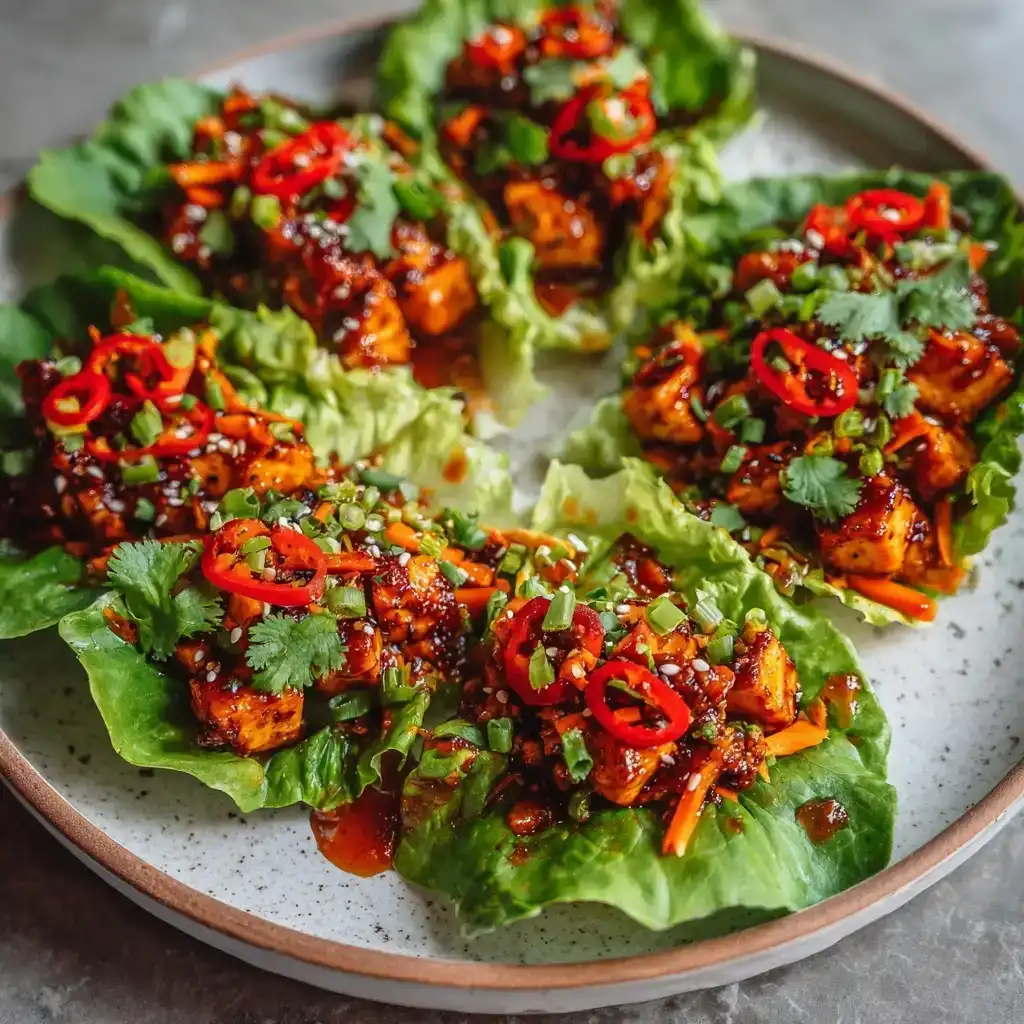
Welcome to the vibrant, bold, and refreshingly crisp world of Korean Spicy Tofu Lettuce Wraps — a modern fusion dish that masterfully bridges the fiery depth of Korean cuisine with the light, textural elegance of fresh lettuce cups. This isn’t just another tofu recipe; it’s a harmonious dance of umami-rich gochujang, silken-to-crisp tofu textures, aromatic garlic and ginger, crunchy vegetables, and cooling, buttery lettuce — all wrapped in a single, handheld bite. Whether you’re a seasoned Korean food enthusiast, a plant-based eater seeking deeply satisfying flavor, or simply someone craving a quick, healthy, and restaurant-worthy weeknight meal, these wraps deliver complexity without compromise. They’re naturally vegan (with optional adjustments), gluten-free adaptable, endlessly customizable, and stunningly balanced — spicy yet soothing, rich yet refreshing, hearty yet light. Think of them as bibimbap’s sleek, portable cousin — served cool, assembled at the table, and bursting with intentionality in every layer.
The History
Korean Spicy Tofu Lettuce Wraps don’t trace back to a single ancient royal court recipe — rather, they embody the dynamic evolution of Korean culinary tradition in the global, health-conscious, and fusion-forward 21st century. Their roots stretch across centuries: the use of fermented chili paste (gochujang) dates to the Joseon Dynasty (1392–1897), where it was developed as a nutritious, shelf-stable condiment combining soybeans, glutinous rice, salt, and red chili peppers. Tofu (dubu) has been a Korean pantry staple since the Goryeo period (918–1392), prized for its protein density and neutral canvas for bold seasonings. The practice of wrapping food in leafy greens — known as ssam — is deeply ritualized, historically tied to royal banquets and ancestral rites, where lettuce, perilla leaves (kkaennip), and steamed cabbage were used to enfold grilled meats, kimchi, and seasoned vegetables — symbolizing harmony, balance, and mindful eating. In the late 20th and early 21st centuries, Korean-American chefs and home cooks began reimagining ssam for vegetarian and vegan lifestyles, substituting marinated, pan-seared, or baked tofu for meat. The rise of Korean BBQ restaurants in Los Angeles, New York, and Toronto further popularized DIY lettuce wrap formats, while wellness trends spotlighted tofu’s nutritional virtues. Today’s Spicy Tofu Lettuce Wrap is thus a living artifact — honoring fermentation science, centuries-old ssam culture, diasporic ingenuity, and contemporary values of sustainability, flexibility, and sensory joy.
Ingredients Breakdown
Every element in this dish plays a deliberate role — no filler, no afterthought. Here’s why each ingredient matters:
- Firm or Extra-Firm Organic Tofu: Chosen for its ability to hold shape when pressed and seared, delivering a satisfying chew and excellent marinade absorption. Organic ensures non-GMO soy and cleaner processing.
- Gochujang (Korean Fermented Chili Paste): The soul of the dish — not merely “spicy,” but layered with sweet, funky, savory, and slightly smoky notes from fermentation. Its complex umami replaces the need for excessive salt or MSG.
- Gochugaru (Korean Red Chili Flakes): Adds bright, floral heat and vivid color — distinct from cayenne or paprika due to its sun-dried, seeded, and coarsely ground nature. Provides texture and aromatic lift.
- Low-Sodium Tamari or Gluten-Free Soy Sauce: Delivers deep, salty-savory umami without overpowering; tamari offers richer, smoother depth than standard soy sauce and is naturally gluten-free.
- Rice Vinegar & Toasted Sesame Oil: Rice vinegar adds clean acidity to cut richness and brighten flavors; toasted sesame oil contributes nutty aroma and mouth-coating richness — used *only* at the end to preserve its volatile fragrance.
- Fresh Aromatics (Garlic, Ginger, Green Onions): Garlic and ginger are grated (not minced) to release maximum enzymatic pungency and warmth; green onions add sharp freshness and visual pop — both white and green parts used intentionally.
- Vegetables (Carrot, Cucumber, Red Bell Pepper): Julienned for uniform crunch and easy wrapping. Carrots lend subtle sweetness and beta-carotene; cucumber adds cooling hydration; red bell pepper contributes vitamin C and vibrant color contrast.
- Bibb or Butter Lettuce Leaves: Chosen over romaine or iceberg for their tender, cup-like structure, delicate sweetness, and melt-in-the-mouth texture — essential for achieving the “wrap” experience without tearing or bitterness.
- Optional But Highly Recommended Garnishes: Toasted sesame seeds (for nuttiness and crunch), pickled radishes (for tangy brightness), nori strips (for oceanic umami), and a drizzle of lime or yuzu kosho (for citrus lift).
Step-by-Step Recipe
- Press the Tofu (20–30 min): Remove tofu from packaging and gently pat dry with clean kitchen towels. Place on a cutting board lined with 4–6 layers of paper towels or a clean cotton cloth. Top with another towel-covered weight (e.g., cast-iron skillet, heavy can). Press to expel excess water — crucial for caramelization and marinade absorption. For best results, refrigerate while pressing.
- Prep the Aromatics & Vegetables (10 min): Finely grate 3 cloves garlic and 1-inch knob of peeled ginger (use a microplane for smoothest texture). Julienne 1 medium carrot, ½ English cucumber (peeled if waxed), and ½ red bell pepper into matchstick-thin strips (~2 inches long). Thinly slice 3 green onions on a diagonal. Set aside separately.
- Make the Spicy Tofu Sauce (5 min): In a small bowl, whisk together 3 tbsp gochujang, 1½ tbsp tamari, 1 tbsp rice vinegar, 1 tsp maple syrup or brown sugar, 1 tsp toasted sesame oil, ½ tsp gochugaru (adjust to taste), and a pinch of black pepper. Taste and adjust — it should be spicy, savory, tangy, and slightly sweet. Set aside.
- Marinate & Pan-Seal the Tofu (12–15 min): Cut pressed tofu into ¾-inch cubes. Gently toss in a bowl with half the sauce until evenly coated. Heat 1½ tbsp neutral oil (like grapeseed or avocado) in a large nonstick or well-seasoned cast-iron skillet over medium-high heat. Once shimmering, add tofu in a single layer — do not crowd. Cook undisturbed for 3–4 minutes until deeply golden and crusty. Flip carefully and cook 3 more minutes. Reduce heat to medium; pour in remaining sauce. Stir gently to coat, then simmer 2–3 minutes until sauce thickens and clings glossy to tofu. Remove from heat.
- Assemble with Intention (5 min): Wash and thoroughly dry lettuce leaves — moisture is the enemy of crispness. Arrange on a wide platter. Spoon warm (not piping hot) tofu mixture into center of each leaf. Top with colorful julienned vegetables, green onions, and generous sprinkles of toasted sesame seeds. Offer garnishes family-style for customization.
Tips
- Press Like a Pro: Don’t skip pressing — even 15 minutes makes a dramatic difference. For deeper results, press overnight in the fridge wrapped in parchment and weighted.
- Don’t Rush the Sear: Let tofu develop a full golden-brown crust before flipping. Crowding the pan causes steaming instead of browning — cook in batches if needed.
- Balance Heat Gradually: Gochujang varies wildly in spiciness by brand (e.g., Chung Jung One milder, Pulmuone hotter). Start with 2 tbsp and add more after tasting the sauce. Reserve extra gochugaru for finishing.
- Texture Contrast Is Key: Ensure veggies are *cold* and *crisp*. Chill them for 15 minutes before assembling. If using cucumber, lightly salt and drain for 5 minutes to prevent sogginess.
- Sauce Consistency Matters: If sauce thickens too much during cooking, loosen with ½ tsp water or rice vinegar — never plain water alone, as it dilutes flavor.
- Lettuce Leaf Selection: Bibb is ideal, but Boston, Little Gem, or even young romaine hearts work. Avoid iceberg — too watery and bland. Always serve leaves at cool room temperature, not fridge-cold, for optimal texture.
- Make-Ahead Magic: Press tofu and prep veggies up to 1 day ahead. Sauce keeps refrigerated for 1 week. Cook tofu up to 3 days ahead — reheat gently in a skillet with 1 tsp water to restore moisture.
- Leftover Reinvention: Blend leftover tofu mixture with a splash of broth for spicy tofu “ricotta”; stir into ramen; or use as a filling for vegan tacos or grain bowls.
Variations and Customizations
This recipe thrives on personal expression — here are inspired adaptations for every palate and pantry:
- Vegan “Egg” Boost: Crumble in ¼ cup soft silken tofu mixed with 1 tsp nutritional yeast, ¼ tsp turmeric, and pinch of black salt (kala namak) for eggy aroma and richness.
- Nutty Umami Upgrade: Stir in 2 tbsp finely chopped roasted peanuts or cashews during the final simmer for crunch and deeper savory notes.
- Kimchi Fusion: Fold in ¼ cup finely chopped napa cabbage kimchi (drained) at the end for fermented tang and probiotic power — reduces need for extra gochugaru.
- Smoky Depth Version: Add ¼ tsp smoked paprika or ½ tsp Korean smoked gochujang (if available) to the sauce — pairs beautifully with grilled corn or charred scallions.
- Herb-Forward Freshness: Replace green onions with torn perilla leaves (kkaennip) — traditional, minty-anise flavor that cuts spice brilliantly.
- Protein-Powered: Add ½ cup cooked black beans, edamame, or crumbled tempeh for extra fiber and staying power.
- Gluten-Free Certified: Use certified GF tamari and verify gochujang label (some contain wheat; brands like Mother-in-Law’s or Chung Jung One GF are reliable).
- Low-Carb/Keto Adaptation: Swap maple syrup for ¼ tsp monk fruit blend; increase healthy fats with avocado slices inside the wrap or extra sesame oil.
- Kid-Friendly Mild: Halve gochujang, double tamari and rice vinegar, add 1 tsp mild miso paste, and top with shredded cheddar or mozzarella for creamy comfort.
- Deconstructed Bowl Style: Skip lettuce and serve over brown rice, quinoa, or spiralized zucchini noodles — drizzle with extra sauce and top with all garnishes.
Health Considerations and Nutritional Value
A single serving (2 large lettuce cups, ~¾ cup tofu mixture + veggies) delivers exceptional nutritional synergy:
- Plant-Based Protein Powerhouse: ~18g high-quality, complete protein from tofu — containing all nine essential amino acids, plus calcium-set tofu provides ~20% DV calcium per serving.
- Fermented Food Benefits: Gochujang contains live cultures (when unpasteurized), supporting gut microbiome diversity and digestive resilience — look for “naturally fermented” labels.
- Antioxidant-Rich Spices: Gochugaru and ginger supply capsaicin and gingerol — compounds clinically linked to reduced inflammation, improved circulation, and metabolic support.
- Low in Calories, High in Volume: At ~220–260 calories per serving, the abundance of non-starchy vegetables and lettuce promotes satiety through volume and fiber (5–7g per serving), aiding weight management.
- Heart-Healthy Fats: Toasted sesame oil provides monounsaturated fats and sesamin lignans shown to support healthy cholesterol and blood pressure.
- No Refined Sugars: Sweetness comes from minimal natural sources (maple syrup or fruit-based gochujang), avoiding insulin spikes.
- Low Sodium Potential: Using low-sodium tamari and controlling added salt keeps sodium under 450mg/serving — ideal for hypertension management.
- Vitamin & Mineral Density: Carrots (vitamin A), bell peppers (vitamin C), sesame seeds (zinc, copper), and tofu (iron, magnesium) create a broad-spectrum micronutrient profile.
- Considerations: Those with soy allergies must avoid tofu; choose tempeh or lentils instead. Gochujang contains gluten unless certified GF. For histamine sensitivity, opt for freshly made, short-fermented gochujang or reduce portion size.
Ingredients
- 1 (14–16 oz) block extra-firm organic tofu, pressed for 20–30 minutes
- 3 tbsp gochujang (Korean fermented chili paste)
- 1½ tbsp low-sodium tamari or gluten-free soy sauce
- 1 tbsp unseasoned rice vinegar
- 1 tsp pure maple syrup or coconut sugar
- 1 tsp toasted sesame oil
- ½–1 tsp gochugaru (Korean red chili flakes), to taste
- 3 cloves garlic, finely grated
- 1-inch piece fresh ginger, peeled and finely grated
- 1½ tbsp neutral high-heat oil (e.g., avocado, grapeseed, or refined coconut)
- ¼ tsp freshly ground black pepper
- 1 small carrot, julienned
- ½ English cucumber, julienned (peeled if waxed)
- ½ red bell pepper, julienned
- 3 green onions, thinly sliced on diagonal
- 1 head Bibb or butter lettuce, leaves separated, washed, and thoroughly dried
- 2 tbsp white sesame seeds, toasted
- Optional garnishes: pickled radishes, nori strips, lime wedges, yuzu kosho, crushed roasted peanuts
Directions
- Press tofu: Drain, pat dry, place between layered towels, weight down, and refrigerate 20–30 minutes.
- Prepare aromatics: Grate garlic and ginger. Julienne carrot, cucumber, and bell pepper. Slice green onions. Toast sesame seeds in a dry pan over medium-low heat until golden (1–2 min); set aside.
- Make sauce: Whisk gochujang, tamari, rice vinegar, maple syrup, sesame oil, gochugaru, and black pepper in a bowl. Taste and adjust heat/sweetness.
- Marinate tofu: Cut pressed tofu into ¾-inch cubes. Toss gently with half the sauce. Let sit 5–10 minutes.
- Cook tofu: Heat oil in large skillet over medium-high heat. Add tofu in single layer; cook 3–4 min per side until deeply golden. Reduce heat to medium. Pour in remaining sauce. Simmer 2–3 min, stirring gently, until glossy and thickened. Remove from heat.
- Assemble: Arrange dry lettuce leaves on plates. Spoon warm tofu into centers. Top with julienned vegetables, green onions, and toasted sesame seeds. Serve immediately with optional garnishes on the side.
FAQ
- Can I bake the tofu instead of pan-frying?
- Absolutely — for oil-free crispiness, toss marinated tofu with 1 tsp cornstarch, spread on parchment-lined sheet pan, and bake at 400°F (200°C) for 25–30 minutes, flipping halfway. Texture will be drier but still flavorful.
- What if I can’t find gochujang?
- It’s irreplaceable for authentic flavor — but in a true pinch, combine 2 tbsp tomato paste + 1 tbsp sriracha + 1 tsp miso + ½ tsp rice vinegar + ¼ tsp smoked paprika. Not identical, but captures savory-spicy-sweet essence.
- Is this dish gluten-free?
- Yes — if using certified gluten-free tamari and verifying gochujang (many Korean brands contain wheat). Always read labels carefully.
- Can I make it ahead for meal prep?
- Yes! Press tofu, prep veggies, and make sauce up to 3 days ahead. Cook tofu up to 3 days ahead — store covered in fridge. Reheat gently in skillet with 1 tsp water before assembling.
- Why does my sauce separate or become gritty?
- Gochujang can seize if added cold to hot tofu or if overheated. Always add sauce off-heat or at low simmer. Whisk sauce thoroughly before adding — some brands benefit from a brief warm-water soak if thick.
- Can I use soft or silken tofu?
- Not recommended for this wrap — it lacks structural integrity. However, silken tofu works beautifully blended into a creamy dipping sauce or drizzled on top as a cool contrast.
- How spicy is this really?
- Moderately spicy — approachable for most heat-tolerant palates. Gochujang provides slow-building warmth, not instant burn. Start with 2 tbsp gochujang and ½ tsp gochugaru; increase gradually.
- What lettuce alternatives work best?
- Bibb, Boston, Little Gem, and romaine hearts are top choices. Avoid iceberg (too watery), spinach (too delicate), or kale (too tough raw). Butter lettuce is the gold standard for tenderness and cup formation.
- Can I freeze leftovers?
- Tofu mixture freezes well for up to 2 months. Thaw overnight in fridge and reheat gently. Lettuce cannot be frozen — always assemble fresh.
- Is this suitable for pregnancy or breastfeeding?
- Yes — rich in folate (tofu), iron, and protein. Ensure gochujang is pasteurized if concerned about fermentation; consult your healthcare provider for personalized guidance.
Summary
Korean Spicy Tofu Lettuce Wraps are a nutritionally dense, culturally resonant, and sensorially thrilling plant-based meal — marrying centuries-old Korean fermentation traditions with modern wellness priorities and the universal joy of handheld, customizable food.
With crispy-edged, umami-glazed tofu nestled in cool, buttery lettuce cups and crowned with rainbow-crunch vegetables, this dish delivers bold flavor, vibrant texture, and effortless elegance — all in under 45 minutes, with pantry staples and zero compromises.