Introduction
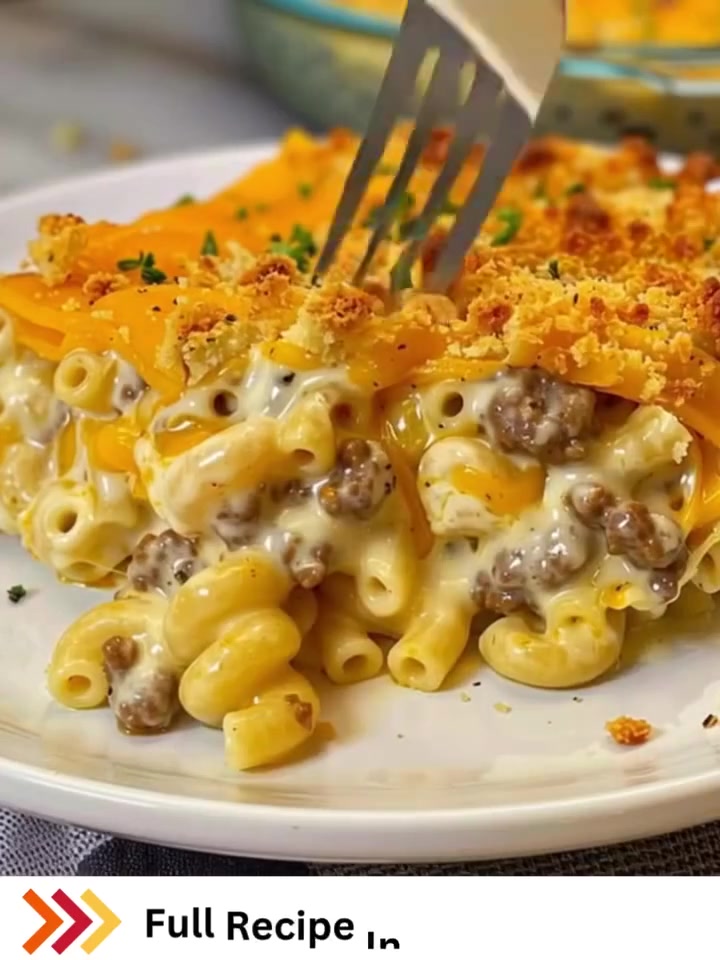
Hamburger Casserole is a beloved American comfort food classic—a hearty, one-dish meal that brings together ground beef, pasta or rice, vegetables, cheese, and creamy sauces in a golden-baked ensemble. Designed for practicality without sacrificing flavor, it’s the quintessential weeknight solution for busy families, meal preppers, potluck contributors, and home cooks seeking both nostalgia and nourishment. Its adaptability—whether baked in a 9×13-inch dish, layered in individual ramekins, or assembled ahead for freezer-to-oven convenience—makes it endlessly versatile. More than just sustenance, Hamburger Casserole embodies warmth, resourcefulness, and the quiet magic of transforming simple pantry staples into something deeply satisfying and soul-soothing.
The History
The origins of Hamburger Casserole trace back to the early-to-mid 20th century in the United States, emerging alongside the rise of convenience cooking, suburban domesticity, and post-war culinary innovation. As refrigeration improved, canned goods proliferated (think condensed soups, evaporated milk, and tomato paste), and processed ingredients like macaroni, instant rice, and shredded cheese became household staples, home cooks began experimenting with economical, time-efficient “bake-and-serve” meals. The term “casserole” itself—derived from the French word casse, meaning saucepan—evolved in America to signify not just the dish but the entire genre of oven-baked, layered, mixed dishes served in the same vessel they were cooked in.
Hamburger Casserole likely evolved from earlier meat-and-pasta bakes popularized by community cookbooks, church fundraisers, and brands like Campbell’s Soup Company, whose iconic 1950s–60s advertising campaigns featured ground beef casseroles built around their Cream of Mushroom or Cream of Celery soups. During World War II and the rationing era, ground beef was relatively affordable and stretchable—making it ideal for feeding larger families on tighter budgets. Over time, regional variations emerged: Midwestern versions leaned into tater tots or potato chips as crunchy toppings; Southern adaptations added bell peppers, onions, and Cajun seasoning; and West Coast interpretations incorporated black beans, corn, and Monterey Jack. Today, Hamburger Casserole remains a cultural touchstone—a culinary heirloom passed down through handwritten recipe cards, Facebook food groups, and generational kitchen wisdom.
Ingredients Breakdown
Every exceptional Hamburger Casserole begins with intentionality—not just in measurement, but in understanding *why* each component matters. Below is a comprehensive, chef-informed breakdown of the foundational ingredients, including functional roles, optimal substitutions, and pro-level insights:
- Ground Beef (85/15 or 90/10 lean-to-fat ratio): The protein backbone. Fat content is critical—too lean (93/7 or higher) yields dry, crumbly results; too fatty (70/30) creates greasiness. 85/15 offers ideal moisture, flavor, and binding capacity. For richer depth, consider blending ¾ lb ground beef with ¼ lb ground pork or Italian sausage.
- Aromatics (Onion, Garlic, Celery, Carrots): The “holy quartet” of savory foundations. Finely diced yellow onion provides sweetness and structure; minced garlic delivers pungent umami; celery adds subtle herbal brightness and texture; carrots contribute natural sugars and earthy balance. Sauté until translucent—not browned—to preserve freshness and avoid bitterness.
- Tomato Base (Crushed Tomatoes, Tomato Sauce, or Diced Tomatoes): Adds acidity, body, and cohesion. Crushed tomatoes offer smooth integration; tomato sauce lends thickness; fire-roasted diced tomatoes bring smoky complexity. Avoid plain ketchup—it’s overly sweet and vinegary. A 2-Tbsp splash of tomato paste, cooked for 1–2 minutes before adding liquid, deepens flavor exponentially via Maillard reaction.
- Pasta or Grain Component (Elbow Macaroni, Egg Noodles, Rotini, Brown Rice, Quinoa): Acts as the structural matrix. Traditional elbow macaroni absorbs sauce beautifully and holds shape during baking. For gluten-free needs, brown rice pasta or quinoa (pre-cooked to al dente) performs exceptionally well. Always undercook pasta by 2 minutes—residual heat and sauce absorption will finish the cooking process in the oven.
- Creamy Binder (Sour Cream, Evaporated Milk, Cream Cheese, or Bechamel): Provides richness, moisture retention, and mouthfeel. Sour cream adds tang and tenderness; evaporated milk contributes silkiness without curdling; full-fat cream cheese (whisked until smooth) imparts luxurious density. Low-fat alternatives often separate or thin out—opt for full-fat for structural integrity.
- Cheese (Sharp Cheddar, Colby Jack, Monterey Jack, Mozzarella): Melting quality, flavor intensity, and fat content matter most. Sharp cheddar delivers boldness and excellent browning; Colby Jack balances salt and melt; mozzarella adds stringy pull. Pre-shredded cheeses contain anti-caking starches that hinder melting—grate your own for seamless integration and superior browning.
- Herbs & Seasonings (Dried Oregano, Basil, Thyme, Smoked Paprika, Worcestershire Sauce, Dijon Mustard): Layered seasoning is non-negotiable. Dried herbs rehydrate best when bloomed in warm fat or liquid. Worcestershire adds fermented depth and umami; Dijon mustard contributes bright acidity and emulsifying power—both are secret weapons for complexity. Fresh parsley or basil added post-bake refreshes the entire profile.
- Topping Options (Buttered Breadcrumbs, Crushed Potato Chips, Panko, Shredded Cheese, Crispy Fried Onions): The textural crescendo. Butter-toasted panko delivers delicate crunch; crushed kettle-cooked chips add salty, malty notes; crispy fried onions offer umami-laced crispness. Always apply toppings in the final 10–15 minutes of baking—or broil briefly at the end—to prevent burning and maximize contrast.
Step-by-Step Recipe
This meticulously tested, foolproof method yields a casserole with perfect layering, consistent doneness, rich flavor development, and restaurant-quality texture—every single time.
- Preheat & Prep: Position oven rack in the center position. Preheat oven to 375°F (190°C). Lightly grease a 9×13-inch glass or ceramic baking dish with butter or nonstick spray. Set aside. Bring a large pot of salted water to a rolling boil.
- Par-Cook Pasta or Grain: Add pasta (e.g., 12 oz elbow macaroni) to boiling water. Cook for 6–7 minutes (or 2 minutes less than package directions for al dente). Drain thoroughly in a colander, rinse briefly with cool water to halt cooking, then return to pot. Toss with 1 tsp olive oil to prevent sticking. For grains like brown rice or quinoa, use 2 cups pre-cooked, cooled grains.
- Sauté Aromatics & Brown Beef: In a large Dutch oven or heavy-bottomed skillet over medium heat, warm 2 tbsp olive oil. Add 1 finely diced yellow onion, 2 minced garlic cloves, ½ cup finely diced celery, and ½ cup finely grated carrot. Sauté 5–6 minutes until softened and fragrant—but not browned. Push veggies to the edges. Add 1.5 lbs 85/15 ground beef. Break apart with a wooden spoon and cook undisturbed for 2 minutes to develop fond. Stir and continue cooking until beef is no longer pink (about 6–8 minutes total). Drain excess fat if needed—but reserve 1 tbsp for flavor.
- Bloom Tomato Paste & Deglaze: Push meat and veggies to sides. In the center, add 2 tbsp tomato paste. Cook, stirring constantly, for 1–2 minutes until brick-red and aromatic. Pour in ½ cup dry red wine or low-sodium beef broth to deglaze, scraping up all browned bits. Simmer 2 minutes until liquid reduces by half.
- Build the Sauce Base: Stir in 1 (28 oz) can crushed tomatoes, 1 (6 oz) can tomato paste, 1 tsp dried oregano, 1 tsp dried basil, ½ tsp smoked paprika, 1 tsp Worcestershire sauce, 1 tsp Dijon mustard, 1 tsp kosher salt, and ½ tsp freshly ground black pepper. Reduce heat to low. Simmer uncovered for 12–15 minutes, stirring occasionally, until thickened and deeply fragrant.
- Combine & Temper: In a large mixing bowl, whisk together 1 cup full-fat sour cream, ½ cup evaporated milk, and 4 oz softened full-fat cream cheese until completely smooth and lump-free. Gently fold in the par-cooked pasta and the warm meat-tomato mixture. Stir until evenly distributed—do not overmix. Let cool slightly (2–3 minutes) to avoid cooking the dairy.
- Layer & Top: Pour mixture into prepared baking dish. Smooth top with a spatula. Sprinkle evenly with 2 cups shredded sharp cheddar cheese. For extra decadence, dot with 2 tbsp cold butter cut into small pieces.
- Bake Covered: Cover tightly with aluminum foil (tent it slightly so it doesn’t touch the cheese). Bake for 25 minutes. This gentle steam ensures even heating and prevents surface drying.
- Bake Uncovered & Brown: Remove foil. Increase oven temperature to 400°F (200°C). Sprinkle with ½ cup buttered panko breadcrumbs or crushed kettle chips. Return to oven and bake uncovered for 15–18 minutes, until edges bubble vigorously, center is set (no jiggle), and topping is golden and crisp.
- Rest & Serve: Remove from oven and let rest for 12–15 minutes before slicing. This crucial step allows starches to set, sauces to reabsorb, and cheese to firm—ensuring clean, cohesive portions rather than a soupy collapse. Garnish with fresh chopped parsley, chives, or a drizzle of high-quality extra-virgin olive oil.
Tips
- Meat Moisture Control: Never skip draining *excess* fat after browning—but always retain ~1 tbsp. That rendered fat carries concentrated beef flavor and helps sauté aromatics without sticking or steaming.
- Dry Pasta Warning: Do NOT use uncooked pasta unless the recipe explicitly calls for “no-boil” or “oven-ready” varieties—and even then, increase liquid by ½ cup and extend covered bake time by 10 minutes.
- Dairy Stability Hack: To prevent sour cream or cream cheese from curdling or separating, always temper them: whisk cold dairy into a small amount of warm (not hot) sauce first, then gradually incorporate into the rest.
- Acid Balance: If your sauce tastes flat or overly sweet, stir in 1 tsp apple cider vinegar or lemon juice just before baking—it brightens without tasting “vinegary.”
- Freezer-Friendly Assembly: Assemble casserole *without* the cheese or breadcrumb topping. Cover tightly with foil + plastic wrap. Freeze up to 3 months. Thaw overnight in fridge, add toppings, and bake as directed—adding 5–10 extra minutes if going straight from fridge to oven.
- Reheating Wisdom: For leftovers, reheat individual portions in a toaster oven or air fryer (350°F for 8–10 min) rather than microwave—this preserves texture and prevents rubbery cheese or mushy pasta.
- Golden Cheese Trick: Brush exposed cheese edges with melted butter before baking—creates an irresistible caramelized, shatter-crisp rim.
- Flavor Layering Timeline: Sauté aromatics → bloom spices in fat → brown meat → deglaze → reduce → simmer sauce → temper dairy → combine → rest before baking. Skipping any step sacrifices dimension.
- Altitude Adjustment: Above 3,000 ft? Reduce oven temp by 25°F and add 2–3 Tbsp extra liquid to compensate for faster evaporation.
- Leftover Reinvention: Crumble chilled casserole into scrambled eggs, stuff into bell peppers, or pan-fry patties for “casserole cakes” served with sunny-side-up eggs.
Variations and Customizations
Hamburger Casserole is a masterclass in culinary flexibility—here are 12 thoughtfully developed variations, each with distinct flavor profiles, dietary accommodations, and cultural inflections:
- Southwest Fiesta Casserole: Swap tomato base for 1 cup enchilada sauce + 1 cup black beans (rinsed), add 1 cup roasted corn, 1 tsp cumin, 1 tsp chipotle powder. Top with pepper jack, pickled red onions, and cilantro.
- Mediterranean Lamb-Beef Blend: Replace ½ lb beef with ground lamb; add ½ cup crumbled feta, ¼ cup kalamata olives, 1 tsp dried mint, and 2 tbsp lemon zest. Finish with toasted pine nuts.
- Umami Bomb Vegan Version: Use 1.5 lbs lentil-walnut “meat,” ¼ cup tamari, 1 tbsp nutritional yeast, 1 tsp mushroom powder. Bind with cashew cream + white bean puree. Top with vegan mozzarella and everything bagel seasoning.
- Breakfast-for-Dinner Casserole: Replace pasta with 4 cups cubed day-old sourdough. Add 6 whisked eggs, ½ cup half-and-half, and 1 cup crumbled breakfast sausage. Top with aged gouda and chives.
- Low-Carb Zoodle Casserole: Substitute 4 cups spiralized zucchini (salted, drained, and patted dry) for pasta. Add 1 cup ricotta and extra ½ cup Parmesan for binding. Broil 2 minutes longer for texture.
- German-Inspired Spaetzle Casserole: Use homemade or store-bought spaetzle instead of pasta. Stir in ½ cup sauerkraut (well-drained), caraway seeds, and German-style mustard. Top with Emmental and crispy bacon.
- Curry-Spiced Ground Turkey Casserole: Use ground turkey; replace tomato base with 1 cup coconut milk + 2 tbsp red curry paste + 1 tbsp fish sauce. Fold in spinach and mango chutney-swirled yogurt topping.
- Buffalo Chicken-Beef Hybrid: Combine 1 lb ground beef + 1 lb shredded rotisserie chicken. Toss with ⅓ cup buffalo sauce + 2 tbsp blue cheese crumbles. Top with bleu cheese dressing drizzle and celery rib garnish.
- Asian Sesame-Ginger Casserole: Sauté with ginger and scallions; use hoisin + soy + rice vinegar base; add shiitake mushrooms and snow peas. Top with sesame-ginger slaw and wasabi mayo swirl.
- Shepherd’s Pie Style: Skip pasta entirely. Layer meat mixture in dish, top with 4 cups creamy mashed potatoes (infused with roasted garlic and chives), and broil until peaks are golden.
- Greek Pastitsio-Inspired: Use tubular pasta (like penne), enrich sauce with cinnamon and allspice, layer with béchamel infused with nutmeg, and finish with Kasseri or kefalotyri cheese.
- Dessert “Hamburger” Casserole (Playful Twist): Sweet version with ground almond-date “meat,” cinnamon-apple filling, oat crumble topping, and vanilla bean custard layer—served with bourbon caramel.
Health Considerations and Nutritional Value
A standard serving (1/8 of a 9×13-inch casserole made with 85/15 beef, whole wheat pasta, full-fat dairy, and moderate cheese) contains approximately:
- Calories: 485–540 kcal
- Protein: 28–32 g (excellent source; supports muscle maintenance and satiety)
- Total Fat: 22–26 g (of which 10–12 g saturated; balanced with monounsaturated fats from olive oil and cheese)
- Carbohydrates: 38–44 g (including 4–6 g dietary fiber when using whole grain pasta or added vegetables)
- Sodium: 620–780 mg (moderate; easily reduced by using low-sodium broth, no-salt-added tomatoes, and limiting added salt)
- Vitamins & Minerals: Rich in iron (heme iron from beef), zinc, vitamin B12, calcium (from dairy), lycopene (from tomatoes), and antioxidants (from garlic, onions, carrots).
Health-Conscious Swaps & Benefits:
- Heart-Healthy Option: Use 93/7 lean ground turkey or grass-fed beef, swap sour cream for plain Greek yogurt (2% or full-fat), and increase vegetables to 2 cups (add spinach, zucchini, or mushrooms).
- Diabetes-Friendly: Replace pasta with cauliflower rice or shirataki noodles; use sugar-free tomato products; emphasize high-fiber legumes (lentils, black beans) to lower glycemic load.
- Anti-Inflammatory Focus: Incorporate turmeric, ginger, extra virgin olive oil, walnuts, and leafy greens; choose organic, pasture-raised beef for higher omega-3s.
- Kid-Friendly Nutrition Boost: Puree carrots, spinach, or white beans into the tomato sauce—undetectable to picky eaters but packed with nutrients.
- Gluten-Free Integrity: Use certified GF pasta (brown rice, quinoa, or corn-based), ensure all seasonings and broths are GF-certified, and avoid malt vinegar or soy sauce unless tamari-based.
- Portion Control Insight: Serving size matters—pair with a large side salad dressed in lemon-tahini or apple cider vinaigrette to enhance volume and micronutrient density without excess calories.
Note: While indulgent, Hamburger Casserole can be part of a balanced diet when prepared mindfully. Its strength lies in its nutrient synergy—protein + lycopene increases antioxidant bioavailability; fat + vitamin A-rich carrots enhances carotenoid absorption. It’s comfort food with credible nutritional scaffolding.
Ingredients
- 1.5 lbs (680 g) ground beef (85% lean / 15% fat)
- 2 tbsp olive oil, divided
- 1 large yellow onion, finely diced (about 1 ½ cups)
- 3 garlic cloves, minced
- ½ cup finely diced celery
- ½ cup finely grated carrot
- 2 tbsp tomato paste
- ½ cup dry red wine or low-sodium beef broth
- 1 (28 oz / 794 g) can crushed tomatoes (preferably San Marzano)
- 1 (6 oz / 170 g) can tomato paste
- 1 tsp dried oregano
- 1 tsp dried basil
- ½ tsp smoked paprika
- 1 tsp Worcestershire sauce
- 1 tsp Dijon mustard
- 1 tsp kosher salt (plus more to taste)
- ½ tsp freshly ground black pepper
- 12 oz (340 g) elbow macaroni or short-cut pasta (whole wheat or gluten-free as needed)
- 1 cup (240 g) full-fat sour cream
- ½ cup (120 ml) evaporated milk
- 4 oz (113 g) full-fat cream cheese, softened
- 2 cups (225 g) shredded sharp cheddar cheese, divided
- ½ cup (50 g) buttered panko breadcrumbs or crushed kettle-cooked potato chips
- Fresh parsley or chives, for garnish
Directions
- Preheat oven to 375°F (190°C). Lightly grease a 9×13-inch baking dish.
- Bring 4 quarts water to boil in a large pot. Add 2 tbsp salt. Cook pasta per package instructions minus 2 minutes. Drain, rinse under cool water, toss with 1 tsp olive oil. Set aside.
- In a large Dutch oven or skillet, heat 1 tbsp olive oil over medium heat. Add onion, garlic, celery, and carrot. Sauté 5–6 minutes until soft. Push to edges.
- Add ground beef to center. Cook undisturbed 2 minutes, then break apart. Cook 6–8 minutes until no pink remains. Drain excess fat, reserving 1 tbsp.
- Push meat/veg to edges. Add tomato paste to center. Cook 1–2 minutes until darkened and fragrant.
- Pour in wine or broth. Scrape up browned bits. Simmer 2 minutes until reduced by half.
- Add crushed tomatoes, 6 oz tomato paste, oregano, basil, smoked paprika, Worcestershire, Dijon, salt, and pepper. Reduce heat to low. Simmer uncovered 12–15 minutes, stirring occasionally.
- In a bowl, whisk sour cream, evaporated milk, and cream cheese until silky-smooth.
- In a large mixing bowl, combine pasta, meat-tomato mixture, and dairy mixture. Fold gently until fully incorporated. Let cool 3 minutes.
- Pour into prepared dish. Smooth top. Sprinkle with 1 ½ cups cheddar. Dot with cold butter pieces.
- Cover tightly with foil. Bake 25 minutes.
- Remove foil. Increase oven temp to 400°F (200°C). Sprinkle with remaining ½ cup cheddar and panko/chips.
- Bake uncovered 15–18 minutes until bubbling at edges, center is set, and topping is golden.
- Let rest 12–15 minutes before serving. Garnish with fresh herbs.
FAQ
- Can I make this casserole ahead of time?
- Absolutely. Assemble completely (without topping), cover tightly, and refrigerate up to 24 hours. Add 5–10 minutes to covered bake time. For freezing, omit cheese and crumbs; wrap dish in double foil + plastic. Freeze up to 3 months. Thaw overnight, add toppings, and bake as directed.
- Why does my casserole turn out watery?
- Three common causes: (1) Pasta overcooked before baking—always undercook; (2) Insufficient sauce reduction—simmer until thick enough to coat the back of a spoon; (3) Using low-fat dairy that separates—full-fat sour cream and cream cheese are essential for stability.
- Can I use ground turkey or chicken instead of beef?
- Yes—but increase fat content for moisture. Mix 1 lb ground turkey with ¼ cup finely chopped pancetta or 2 tbsp olive oil. Add 1 tsp poultry seasoning and extra ½ tsp salt to compensate for milder flavor.
- My cheese topping didn’t brown. What went wrong?
- Browning requires direct radiant heat and dry surface. Ensure you remove foil for the final phase. If still pale, switch to broil for 1–2 minutes—watch closely! Also, avoid covering with foil again after adding crumbs.
- How do I reheat leftovers without drying them out?
- Individual portions: Place in oven-safe dish, sprinkle with 1 tsp water or broth, cover loosely with foil, and bake at 325°F for 15–20 minutes. For microwave: Cover with damp paper towel, heat at 50% power in 60-second intervals.
- Is there a way to make this gluten-free?
- Easily. Use certified gluten-free pasta (brown rice, quinoa, or corn-based) and verify all sauces, broths, and seasonings are GF-certified. Tamari replaces Worcestershire if needed. Panko must be GF-labeled.
- Can I add vegetables without changing texture?
- Yes—finely dice or grate them (zucchini, spinach, mushrooms, kale). Sauté high-moisture veggies first to evaporate water. Spinach can be stirred in raw at the folding stage—it wilts perfectly during baking.
- What’s the best cheese for melting and flavor?
- Sharp cheddar offers the ideal balance of tang, melt, and browning. For ultra-creamy results, blend 1 cup cheddar with ½ cup fontina or Gruyère. Avoid pre-shredded cheeses—they contain cellulose and won’t melt smoothly.
- Can I cook this in a slow cooker?
- Not recommended—the prolonged low heat breaks down pasta texture and causes dairy separation. However, you *can* prepare the meat sauce and pasta separately in advance, then assemble and bake just before serving for true “dump-and-go” ease.
- How do I know when it’s done baking?
- Look for vigorous bubbling around the edges, a set (non-jiggly) center when gently shaken, and a golden, crisp topping. Insert a knife into the center—it should come out mostly clean, with only a trace of creamy sauce clinging.