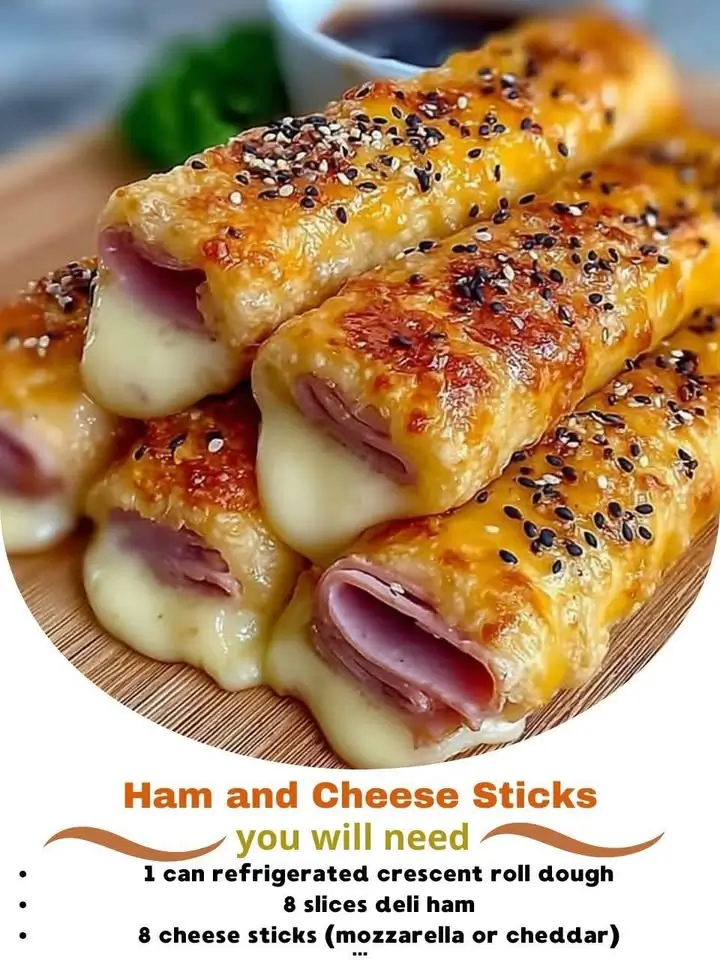
Ham and Cheese Sticks: A Savory Delight for Every Occasion
There’s something irresistibly satisfying about the perfect combination of salty ham and gooey, melted cheese wrapped in a flaky, golden pastry. Ham and cheese sticks are a beloved snack that bridges the gap between comfort food and elegant appetizer, making them ideal for parties, picnics, after-school treats, or even a quick bite on busy days. Whether you’re hosting a gathering or simply craving a savory handheld snack, these little bundles of joy deliver big on flavor and convenience.
The History of Ham and Cheese Sticks
The origins of ham and cheese sticks can be traced back to European culinary traditions, particularly in countries like France, Austria, and Germany, where puff pastry and savory fillings have long been staples. The concept of wrapping flavorful ingredients in dough—such as in sausage rolls, strudels, or turnovers—dates back centuries. In the 19th and early 20th centuries, bakers across Europe began experimenting with combinations of cured meats and cheese enclosed in light, buttery pastries, often served during festive occasions or as part of afternoon tea.
In North America, the popularity of ham and cheese rolls surged in the mid-20th century, especially with the rise of convenience foods and pre-made puff pastry. Home cooks embraced these easy-to-assemble snacks as a quick way to impress guests without spending hours in the kitchen. Over time, variations emerged—some using crescent roll dough, phyllo, or biscuit dough—but the core idea remained the same: a delicious marriage of protein, dairy, and flaky crust. Today, ham and cheese sticks are a staple at potlucks, game-day spreads, and holiday buffets around the world.
Ingredients Breakdown: What Makes These Sticks Irresistible
The magic of ham and cheese sticks lies in their simplicity and quality of ingredients. Each component plays a vital role in creating a balanced, flavorful, and texturally pleasing snack:
- Ham: Traditionally, deli-style cooked ham is used for its mild saltiness and tender texture. Smoked ham adds a deeper, more robust flavor, while honey-glazed or black forest varieties introduce subtle sweetness or smokiness. For best results, choose high-quality, thinly sliced ham without excessive moisture.
- Cheese: The cheese acts as both a flavor enhancer and a melty binding agent. Cheddar is the most popular choice due to its sharpness and excellent melting properties. However, Swiss, Gouda, provolone, mozzarella, or even cream cheese can be used depending on desired taste. Some recipes blend cheeses for complexity—like cheddar and mozzarella for extra gooeyness.
- Dough: Puff pastry is the gold standard for ham and cheese sticks because it puffs up into delicate, airy layers when baked. Alternatively, crescent roll dough offers a softer, bread-like texture, while filo dough provides a crisp, shatteringly thin wrapper. Pre-made doughs save time, but homemade versions elevate the dish further.
- Butter and Egg Wash: Butter brushed on the outside enhances richness and promotes browning. An egg wash (egg beaten with a splash of water or milk) gives the finished sticks a glossy, golden sheen and helps any added seasonings stick.
- Seasonings: While optional, additions like Dijon mustard, garlic powder, dried herbs (parsley, thyme, oregano), onion powder, paprika, or black pepper can elevate the overall flavor profile significantly.
Step-by-Step Recipe: How to Make Perfect Ham and Cheese Sticks at Home
Follow this detailed guide to create restaurant-quality ham and cheese sticks right in your own kitchen. This recipe yields approximately 24 sticks and takes about 45 minutes from prep to oven finish.
Ingredients
- 1 sheet (about 8 oz) frozen puff pastry, thawed
- 8 oz thinly sliced deli ham (about 16–20 slices)
- 8 oz shredded sharp cheddar cheese (or a mix of cheddar and mozzarella)
- 2 tablespoons unsalted butter, melted
- 1 large egg
- 1 tablespoon milk or water
- 1 teaspoon Dijon mustard (optional)
- ½ teaspoon garlic powder
- ½ teaspoon dried parsley
- ¼ teaspoon paprika
- Salt and freshly ground black pepper to taste
- Non-stick cooking spray or parchment paper
Directions
- Preheat Oven: Begin by preheating your oven to 375°F (190°C). Line a large baking sheet with parchment paper or lightly grease it with non-stick spray to prevent sticking.
- Prepare Dough: On a lightly floured surface, roll out the puff pastry sheet into a rectangle approximately 12×10 inches. If using pre-perforated crescent dough, separate into triangles or rectangles as directed on the package.
- Layer Ham: Lay the slices of ham flat on a clean surface, slightly overlapping if necessary to form large sheets. You’ll need about 2–3 slices per strip depending on size.
- Add Cheese: Sprinkle the shredded cheese evenly over the ham. For enhanced flavor, spread a thin layer of Dijon mustard onto the ham before adding cheese.
- Roll Up: Starting from one short end, tightly roll the ham and cheese into a log. Repeat until all ham-cheese portions are rolled. Alternatively, place a spoonful of cheese along the edge of each puff pastry strip and wrap the dough around a ham slice filled with cheese.
- Cut Into Sticks: Using a sharp knife, cut each roll into 1-inch thick pieces. Place them seam-side down on the prepared baking sheet, leaving about an inch of space between each stick for even baking.
- Apply Egg Wash: In a small bowl, whisk together the egg and milk (or water) to make the egg wash. Lightly brush this mixture over the tops and sides of each stick for a rich, golden crust.
- Season: Sprinkle garlic powder, dried parsley, paprika, salt, and pepper evenly over the sticks for added flavor and visual appeal.
- Bake: Bake in the preheated oven for 18–22 minutes, or until the pastry is puffed, golden brown, and fully cooked through. Rotate the tray halfway through for even browning.
- Optional Finish: Remove from the oven and immediately brush with melted butter for extra richness. Let cool slightly before serving—this allows the cheese to set just enough so it doesn’t scald your mouth.
Tips for Success: Mastering Your Ham and Cheese Sticks
- Thaw Pastry Properly: Always thaw puff pastry in the refrigerator overnight. Rushing this process at room temperature may cause the layers to fuse, resulting in dense, uneven baking.
- Don’t Overfill: Too much cheese or ham can cause leaks during baking. Keep fillings moderate and centered to maintain structural integrity.
- Seal Edges Well: If wrapping manually, pinch seams gently but firmly to prevent unrolling in the oven.
- Use Sharp Knives: A serrated knife works best for cutting filled rolls cleanly without squashing them.
- Chill Before Baking (Optional): For extra flakiness, chill assembled sticks for 15–20 minutes before baking. Cold dough holds shape better and produces superior lift.
- Avoid Sogginess: Blot excess moisture from ham with paper towels before assembling, especially if the ham feels wet or slimy.
- Watch Closely Near End: Puff pastry browns quickly. Check a few minutes before the recommended time to avoid burning.
- Serve Warm: These taste best fresh out of the oven when the cheese is molten and the crust is crisp. Reheating in a toaster oven restores texture better than microwaving.
Variations and Customizations: Make It Your Own
One of the greatest strengths of ham and cheese sticks is their adaptability. With a few tweaks, you can transform them into gourmet bites or kid-friendly snacks:
- Breakfast Version: Add scrambled eggs or crumbled cooked bacon and swap cheddar for pepper jack. Serve with hot sauce or hollandaise for dipping.
- Spicy Kick: Mix in diced jalapeños, use pepper jack cheese, or add a dash of cayenne to the filling.
- Mediterranean Twist: Replace ham with roasted red peppers and feta cheese; add oregano and olives for a Greek-inspired version.
- Veggie-Packed: Incorporate finely chopped spinach, sun-dried tomatoes, or caramelized onions for added nutrition and depth.
- Gourmet Upgrade: Use prosciutto instead of regular ham and pair with brie or goat cheese for an elegant appetizer.
- Low-Carb/Keto Option: Skip the pastry and wrap the filling in low-carb tortillas or cloud bread slices, then bake until crisp.
- Gluten-Free: Use gluten-free puff pastry or almond flour-based wraps to accommodate dietary restrictions.
- Sweet & Savory: Add a thin layer of fig jam or apple slices inside the roll for a delightful contrast.
- Mini Bites: Make smaller versions using wonton wrappers for party-friendly finger food.
- Freezer-Friendly: Assemble unbaked sticks, freeze on a tray, then transfer to bags. Bake straight from frozen, adding 5–8 minutes to cook time.
Health Considerations and Nutritional Value
While undeniably delicious, ham and cheese sticks should be enjoyed in moderation due to certain nutritional factors:
- Sodium Content: Both ham and cheese are typically high in sodium. One serving (2–3 sticks) can contain 500–800 mg of sodium, which is significant for those monitoring blood pressure or heart health. Opting for low-sodium ham and reduced-fat cheese can help mitigate this.
- Fat Levels: Depending on ingredients, these sticks can be rich in saturated fat—especially when made with full-fat cheese and butter-laden puff pastry. Using part-skim mozzarella or light cream cheese can reduce fat content.
- Calories: A typical stick contains 80–120 calories. Serving sizes matter; enjoy 2–3 as a snack rather than consuming half the batch.
- Protein Source: On the positive side, ham and cheese provide high-quality protein (about 4–6 grams per stick), supporting muscle maintenance and satiety.
- Calcium and Iron: Cheese contributes calcium for bone health, while ham offers iron and B vitamins, particularly B12 important for nerve function.
- Portion Control: Serve with a side salad, fruit, or raw veggies to balance the meal and increase fiber intake.
- Allergens: Contains common allergens such as dairy, wheat (gluten), and eggs. Always label accordingly when serving others.
To make a healthier version, consider whole-grain wraps, turkey bacon, plant-based cheeses, or increasing vegetable content within the filling.
Frequently Asked Questions (FAQ)
Can I make ham and cheese sticks ahead of time?
Yes! You can assemble them up to 24 hours in advance and refrigerate on a tray before baking. For longer storage, freeze unbaked sticks and bake directly from frozen, adding a few extra minutes to cooking time.
How do I reheat ham and cheese sticks?
For best texture, reheat in a 350°F (175°C) oven or toaster oven for 5–8 minutes until warmed through. Microwaving will soften the crust and make it less flaky.
Can I use different types of cheese?
Absolutely. Try Gruyère for nuttiness, smoked gouda for depth, or Monterey Jack for mild meltability. Avoid very hard cheeses like Parmesan alone—they don’t melt well.
Why did my sticks leak during baking?
Leaking usually happens due to overfilling, using moist ingredients, or not sealing properly. Blot ham dry and don’t overstuff.
Are ham and cheese sticks kid-friendly?
Yes! Kids love the cheesy, savory taste and fun finger-food format. Cut into smaller pieces for little hands and serve with ketchup or ranch for dipping.
Can I air fry these instead of baking?
Yes. Preheat air fryer to 360°F (180°C). Cook in a single layer for 10–12 minutes, flipping halfway, until golden and heated through.
Is there a vegetarian alternative?
Replace ham with marinated tofu slices, grilled mushrooms, or plant-based deli slices. Pair with vegan cheese for a fully meatless option.
How long do they last in the fridge?
Store cooled leftovers in an airtight container for up to 3 days. Reheat before serving.
Summary
Ham and cheese sticks are a timeless, crowd-pleasing snack that combines savory ham, melty cheese, and flaky pastry into bite-sized perfection. Easy to customize and perfect for any occasion, they’re sure to become a staple in your recipe rotation.