Introduction
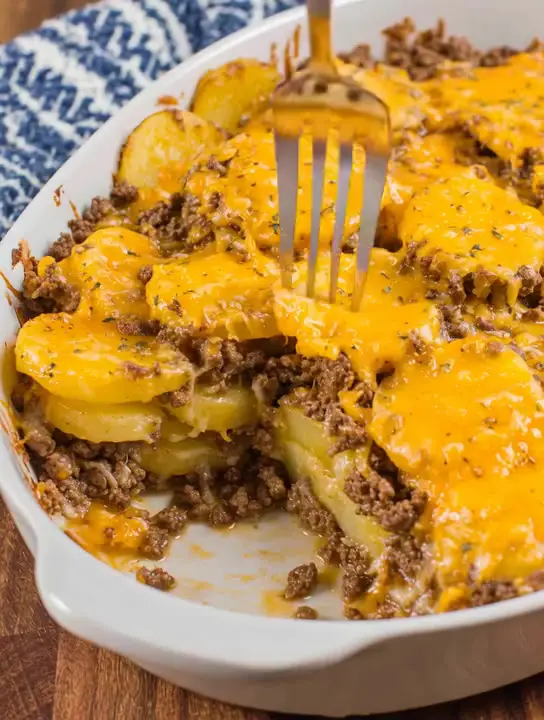
Welcome to a comforting, hearty, and deeply satisfying classic: the Ground Beef and Potato Casserole. This beloved one-dish meal brings together humble pantry staples—tender ground beef, creamy potatoes, savory onions, and rich seasonings—baked to golden perfection under a blanket of melted cheese or a crisp breadcrumb topping. Whether you’re feeding a busy family after school, hosting a casual potluck, or simply craving something soul-warming on a chilly evening, this casserole delivers unmatched flavor, texture, and nostalgia in every forkful. Its versatility, forgiving nature, and make-ahead convenience make it a cornerstone of American home cooking—and for good reason.
The History
The origins of the Ground Beef and Potato Casserole are rooted in mid-20th-century American culinary pragmatism. Emerging prominently in the 1940s–1960s, casseroles became a cultural phenomenon driven by post-war economic shifts, the rise of suburban living, widespread adoption of the electric oven, and aggressive marketing by food manufacturers (think Campbell’s Soup, Libby’s, and Kraft). Ground beef—affordable, shelf-stable when frozen, and easy to cook—paired naturally with starchy, filling potatoes, which were inexpensive, widely available year-round, and required minimal prep. Early versions often appeared in community cookbooks, church bulletins, and women’s magazines like Good Housekeeping and Ladies’ Home Journal, frequently labeled “Tuna Noodle Casserole” or “Green Bean Casserole”—but beef-and-potato iterations gained equal traction as regional adaptations flourished.
In the Midwest and South, where potatoes were grown in abundance and beef was a dietary staple, variations multiplied: Wisconsin added sharp cheddar and sour cream; Appalachia incorporated smoked paprika and leftover ham scraps; Texas embraced cumin and jalapeños; and New England often substituted Yukon Golds with boiled red potatoes layered like a gratin. By the 1980s, the dish had evolved into a freezer-friendly, weeknight-saving hero—often dubbed “Hamburger Hash Bake,” “Shepherd’s Style Potato Casserole,” or “Beefy Potato Skillet Casserole.” Today, it endures not just as comfort food—but as a canvas for creativity, cultural fusion, and mindful nutrition.
Ingredients Breakdown
Understanding each ingredient’s role ensures balance, texture, and depth—not just in flavor, but in structure and moisture control. Here’s why each component matters:
- Ground Beef (85/15 or 90/10 lean-to-fat ratio): Provides savory umami, richness, and binding structure. The fat renders during browning, keeping the casserole moist and flavorful. Too lean (93/7 or higher) risks dryness; too fatty (70/30) can pool oil and dilute seasoning.
- Potatoes: Russets offer fluffy, absorbent layers ideal for soaking up beef juices and cheese sauce; Yukon Golds bring natural butteriness and hold shape beautifully; red potatoes add waxy resilience and vibrant color. For best results, use a mix—or stick with one variety consistently. Always slice uniformly (⅛–¼ inch thick) to ensure even cooking.
- Onion & Garlic: Aromatics that build foundational savoriness. Yellow onions provide sweetness when sautéed; white onions offer sharper bite; red onions lend subtle color and freshness if added raw at the end. Fresh minced garlic is non-negotiable—avoid jarred paste unless absolutely necessary.
- Tomato-Based Liquid (diced tomatoes, tomato sauce, or crushed tomatoes): Adds acidity, body, and subtle sweetness while helping steam the potatoes and prevent drying. Low-sodium options give you full control over salt levels.
- Cheese: Cheddar (sharp or mild), Monterey Jack, Colby, or a blend adds creaminess, meltability, and salty depth. Parmesan or Romano can be stirred into the topping for nutty complexity. Avoid pre-shredded cheeses with anti-caking agents—they don’t melt smoothly.
- Dairy Elements (milk, sour cream, evaporated milk, or cream cheese): Introduce richness, tenderness, and moisture retention. Sour cream adds tang and tenderizes potatoes; evaporated milk lends silkiness without curdling; cream cheese contributes luxurious thickness.
- Herbs & Spices: Dried thyme, oregano, and basil evoke Italian-American roots; smoked paprika and cumin nod to Tex-Mex flair; Worcestershire sauce adds fermented depth; mustard powder enhances beefiness; black pepper must be freshly cracked for aromatic lift.
- Thickener (all-purpose flour, cornstarch slurry, or mashed potato “glue”): Prevents excess pooling and binds layers. A light dusting of flour tossed with browned beef works wonders; cornstarch mixed with cold liquid prevents lumps; or reserve ¼ cup of cooked potato slices, mash with a fork, and stir in to naturally thicken.
- Topping Options: Buttered panko breadcrumbs deliver crunch; crushed Ritz or saltines offer nostalgic saltiness; grated cheese + fresh herbs create elegance; crumbled cooked bacon adds smoky luxury; even a drizzle of herb-infused olive oil before baking elevates simplicity.
Step-by-Step Recipe
- Preheat & Prep: Preheat oven to 375°F (190°C). Grease a 9×13-inch (3-quart) baking dish generously with butter or nonstick spray. Line the bottom with parchment paper for foolproof release, if desired.
- Par-Cook Potatoes (Critical Step): Peel (optional) and thinly slice 2½ lbs of russet or Yukon Gold potatoes (about ⅛ inch thick) using a mandoline or sharp knife. Immediately submerge in cold water to prevent oxidation. Drain well and pat *thoroughly* dry with clean kitchen towels or paper towels—excess moisture is the #1 cause of soggy casserole. Optional but recommended: blanch slices in boiling salted water for 90 seconds, then shock in ice water and drain again. This precooks the exterior, ensuring tenderness without mushiness.
- Brown the Beef: In a large skillet over medium-high heat, add 1 tbsp neutral oil (avocado or canola). Add 1½ lbs 85/15 ground beef, breaking it apart with a wooden spoon. Cook undisturbed 2–3 minutes until deep brown crust forms, then stir and continue browning until fully cooked (no pink remaining), ~6–8 minutes total. Transfer to a bowl using a slotted spoon, leaving behind ~1 tbsp rendered fat.
- Sauté Aromatics: In the same skillet, add 1 large diced yellow onion and 4 minced garlic cloves. Sauté in reserved beef fat (or add 1 tsp more oil) over medium heat until translucent and fragrant (~4–5 minutes). Stir in 1 tbsp tomato paste and cook 1 minute to deepen flavor. Add 1 tsp smoked paprika, ½ tsp dried thyme, ½ tsp black pepper, 1 tsp Worcestershire sauce, and 1 tsp Dijon mustard—stir 30 seconds until aromatic.
- Build the Sauce Base: Return browned beef to skillet. Stir in 1 (14.5 oz) can low-sodium diced tomatoes (with juice), ½ cup tomato sauce, ¾ cup whole milk (or evaporated milk), and ¼ cup sour cream. Simmer gently 5 minutes, stirring occasionally. Season with 1½ tsp kosher salt (adjust later), ¼ tsp red pepper flakes (optional), and a splash of apple cider vinegar (½ tsp) to brighten. Taste and adjust—this should taste robust and balanced, slightly underseasoned since potatoes will mute flavors.
- Layer Strategically: In prepared baking dish, spread ⅓ of the beef mixture evenly. Overlap potato slices tightly in a single layer (slightly overlapping ensures no gaps). Sprinkle with ½ cup shredded cheddar. Repeat: another ⅓ beef mixture, potato layer, cheese. Finish with final ⅓ beef mixture, remaining potatoes, and top with 1 cup cheese. Dot surface with 2 tbsp cold butter cut into small pieces for richness and browning.
- Add Moisture & Cover: Pour ¼ cup hot water or low-sodium beef broth around the edges (not over the top) to create gentle steam. Cover tightly with aluminum foil (tent slightly so it doesn’t touch cheese).
- Bake Covered: Place in preheated oven and bake covered for 60 minutes. This steams and softens potatoes thoroughly while melding flavors.
- Uncover & Crisp: Remove foil carefully (watch for steam). Increase heat to 425°F (220°C). Sprinkle with ½ cup buttered panko or crushed crackers. Return to oven, uncovered, for 20–25 minutes—until top is deeply golden, edges are bubbling vigorously, and a paring knife slides easily into the center potato slice.
- Rest Before Serving: Let casserole rest 15 minutes before cutting. This allows starches to set, prevents runny layers, and improves slice integrity. Garnish with fresh chives, parsley, or a dollop of Greek yogurt or sour cream.
Tips
- Uniform Slicing Is Non-Negotiable: Invest in a mandoline (with hand guard!) for consistent thickness. Uneven slices = uneven doneness—some mushy, some crunchy.
- Dry Potatoes Thoroughly: Water is the enemy of browning and cheese adhesion. Lay slices on triple-layered paper towels and press gently—don’t rub.
- Brown Beef in Batches: Overcrowding the pan causes steaming instead of searing. Cook in two batches if your skillet is small.
- Season in Layers: Salt the beef while browning, season the aromatics, and adjust final seasoning *after* combining sauce—flavors evolve dramatically during baking.
- Acid Is Your Friend: A tiny splash of vinegar, lemon juice, or even a teaspoon of ketchup in the sauce balances richness and cuts through fat.
- Don’t Skip the Rest: Cutting too soon releases trapped steam and causes separation. Fifteen minutes makes all the difference in texture.
- Freeze Smart: Assemble *unbaked*, wrap tightly in plastic + foil, freeze up to 3 months. Thaw overnight in fridge, then bake as directed—add 10–15 minutes covered time.
- Reheat Gently: Leftovers reheat best in a 325°F oven covered with foil (20–25 min) or in a skillet over low heat with a splash of broth to refresh moisture.
- Fix a Runny Casserole: If liquid pools, sprinkle 1 tbsp cornstarch mixed with 2 tbsp cold water over top before uncovering—stir gently into bubbling edges.
- Boost Umami Without Meat: For vegetarian versions, use lentils + soy sauce + nutritional yeast + sautéed mushrooms to mimic depth.
Variations and Customizations
This casserole is endlessly adaptable—here are 12 thoughtfully developed variations, each tested for structural integrity and flavor harmony:
- Tex-Mex Fiesta Casserole: Swap ground beef for 50/50 beef/turkey blend; add 1 tsp cumin, 1 tsp chipotle powder, ½ cup black beans (rinsed), ¼ cup corn kernels, and 2 chopped pickled jalapeños. Top with Pepper Jack, pickled red onions, and cilantro.
- Mediterranean Herb & Feta Version: Use ground lamb or beef-lamb mix; add 1 tbsp lemon zest, 2 tbsp chopped oregano, ¼ cup chopped kalamata olives, and ½ cup crumbled feta folded in *after* baking. Finish with mint and tzatziki drizzle.
- Breakfast-for-Dinner Casserole: Replace half the potatoes with 2 cups cubed cooked breakfast potatoes or hash browns; add 6 whisked eggs + ½ cup milk to sauce; layer with cooked crumbled sausage and cheddar; bake until eggs are just set (reduce initial covered time to 45 min).
- Loaded Baked Potato Style: Layer with crispy bacon bits, green onions, extra sour cream swirl, and chives. Top with extra cheddar and broil 2 minutes at end.
- Gluten-Free & Dairy-Free: Use certified GF tamari instead of Worcestershire; substitute coconut milk or oat milk for dairy; use nutritional yeast + tapioca starch slurry for “cheesy” binding; top with gluten-free breadcrumbs + avocado oil.
- Smoky Maple-Sweet Variation: Add 1 tbsp pure maple syrup and ½ tsp liquid smoke to sauce; use sweet potatoes (½) + russets (½); top with candied pecans and goat cheese crumbles.
- Low-Carb/Keto-Friendly: Replace potatoes with thinly sliced turnips, rutabaga, or cauliflower “steaks”; increase cheese and heavy cream; add 2 tbsp almond flour to sauce as thickener.
- Irish-Inspired Boxty Casserole: Grate raw potatoes (wring dry), mix with ¼ cup mashed potato and 2 tbsp flour; layer with corned beef or Irish stew-style beef, cabbage ribbons, and Dubliner cheese.
- Asian Fusion Umami Bomb: Brown beef with ginger-garlic paste; use hoisin + soy + rice vinegar sauce; add shiitake mushrooms and bok choy ribbons; top with scallions and toasted sesame seeds.
- Vegetarian “Beefy” Lentil-Potato Casserole: Substitute 2 cups cooked green or brown lentils for beef; add 1 tbsp miso paste, 1 tsp mushroom powder, and 2 tbsp tomato paste; layer with roasted garlic and caramelized onions.
- Crunchy Tater Tot Casserole Hybrid: Replace top potato layer with 3 cups frozen tater tots; bake uncovered from start at 400°F for 45–50 min until tots are golden and center is hot.
- Gourmet Truffle & Gruyère Edition: Use grass-fed beef; deglaze skillet with dry sherry; stir in 1 tsp white truffle oil and 2 tbsp grated Gruyère into sauce; finish with shaved black truffle (optional) and microgreens.
Health Considerations and Nutritional Value
A standard serving (1/8 of a 9×13 casserole made with 1½ lbs 85/15 beef, 2½ lbs russets, 1 cup cheddar, ½ cup sour cream, and moderate oil/salt) yields approximately:
- Calories: 420–480 kcal
- Protein: 24–28 g (excellent complete protein source)
- Total Fat: 20–24 g (7–9 g saturated)
- Carbohydrates: 38–42 g (including 4–5 g fiber from potatoes and onions)
- Sodium: 580–720 mg (highly adjustable—use low-sodium tomatoes, skip added salt, rinse canned goods)
- Vitamins & Minerals: Rich in iron (heme iron from beef), potassium (potatoes—more than a banana!), vitamin C (from tomatoes/onions), B6 and B12 (beef), and resistant starch (cooled potatoes enhance gut health)
Smart Swaps for Health Goals:
- Heart-Healthy: Use 93/7 lean beef or ground turkey; replace half the cheese with ricotta or cottage cheese; add spinach or kale ribbons for folate and magnesium.
- Blood Sugar Friendly: Pair with non-starchy veggie side; reduce potato portion by 25% and add diced zucchini or cauliflower; use vinegar-based sauce to lower glycemic load.
- Anti-Inflammatory Focus: Incorporate turmeric + black pepper, extra virgin olive oil, garlic, onions, tomatoes (lycopene), and fresh herbs like rosemary and thyme.
- Kid-Friendly Nutrition Boost: Stir in finely grated carrots or butternut squash; hide spinach purée in the sauce; serve with apple slices and almond butter for balanced macros.
- Portion Control Tip: Serve in shallow bowls with a generous side salad—visually satisfying while reducing casserole density per plate.
Note: While traditionally viewed as “heavy,” this dish is nutrient-dense and satiating—supporting muscle maintenance, sustained energy, and digestive health when prepared mindfully. It’s far more nourishing than many processed convenience meals—and infinitely more customizable to dietary needs.
Ingredients
Makes 8–10 servings
- 2½ lbs (about 4–5 medium) russet or Yukon Gold potatoes, peeled or unpeeled
- 1½ lbs 85/15 ground beef
- 1 tbsp neutral cooking oil (avocado, canola, or grapeseed)
- 1 large yellow onion, finely diced (about 1½ cups)
- 4 garlic cloves, finely minced
- 1 tbsp tomato paste
- 1 tsp smoked paprika
- ½ tsp dried thyme
- ½ tsp freshly cracked black pepper
- 1 tsp Worcestershire sauce
- 1 tsp Dijon mustard
- 1 (14.5 oz) can low-sodium diced tomatoes, with juice
- ½ cup low-sodium tomato sauce
- ¾ cup whole milk or evaporated milk
- ¼ cup full-fat sour cream
- 1½ tsp kosher salt (plus more to taste)
- ¼ tsp red pepper flakes (optional)
- ½ tsp apple cider vinegar
- 2 cups shredded sharp cheddar cheese, divided
- 2 tbsp unsalted butter, cold and cubed
- ½ cup panko breadcrumbs
- 1 tbsp melted butter (for panko)
- Fresh chives or parsley, for garnish
Directions
- Preheat oven to 375°F (190°C). Generously grease a 9×13-inch baking dish and set aside.
- Prepare potatoes: Using a mandoline or sharp knife, slice potatoes into ⅛-inch-thick rounds. Place immediately in a large bowl of cold water. Soak 10 minutes, then drain and pat *extremely* dry with clean kitchen towels.
- In a large skillet over medium-high heat, heat 1 tbsp oil. Add ground beef and cook, undisturbed 2–3 minutes, until browned on bottom. Break apart and continue cooking until fully browned and no pink remains, 6–8 minutes total. Transfer to a bowl with a slotted spoon, leaving ~1 tbsp fat in pan.
- In same skillet, add onion and sauté 4–5 minutes until softened. Add garlic and cook 1 minute until fragrant. Stir in tomato paste, smoked paprika, thyme, and black pepper; cook 1 minute more.
- Return beef to skillet. Stir in Worcestershire, Dijon, diced tomatoes (with juice), tomato sauce, milk, sour cream, 1 tsp salt, red pepper flakes, and vinegar. Simmer gently 5 minutes. Taste and adjust seasoning—should be bold but balanced.
- In prepared baking dish, spread ⅓ of beef mixture evenly. Arrange ½ of potato slices in tight, overlapping layer. Sprinkle with ½ cup cheddar. Repeat layers: ⅓ beef, remaining potatoes, ½ cup cheddar. Top with remaining beef mixture, then final 1 cup cheddar. Dot with cold butter pieces.
- Pour ¼ cup hot water or low-sodium beef broth around inner edges of dish (not over top). Cover tightly with foil.
- Bake covered for 60 minutes.
- Remove foil. Increase oven temperature to 425°F (220°C). Mix panko with melted butter; sprinkle evenly over top.
- Bake uncovered 20–25 minutes until top is golden brown, edges bubble vigorously, and potatoes pierce easily with a knife.
- Let rest 15 minutes. Garnish with fresh chives or parsley before serving.
FAQ
- Can I make this ahead of time?
- Absolutely. Assemble completely (unbaked), cover tightly with plastic wrap + foil, and refrigerate up to 24 hours. When ready to bake, remove plastic, cover with fresh foil, and add 10 minutes to covered baking time. For longer storage, freeze unbaked for up to 3 months—thaw overnight in fridge before baking.
- Why did my casserole turn out watery?
- Most commonly due to wet potatoes (not dried thoroughly), skipping the par-cook/blanch step, using high-moisture cheese (like fresh mozzarella), or substituting sour cream with plain yogurt (which separates). Fix: blot potatoes aggressively, use evaporated milk instead of regular milk, and always cover while baking initially to trap steam—not release it.
- Can I use frozen hash browns?
- Yes—but only *plain*, unseasoned, frozen shredded potatoes (not patties or seasoned varieties). Thaw completely, then squeeze *every drop* of moisture out using cheesecloth or a clean towel. Expect slightly softer texture than fresh-sliced.
- Is there a way to make it crispy on top *and* creamy inside?
- Yes! The two-stage bake (covered then uncovered) is key. Also, adding buttered panko *after* uncovering ensures maximum crunch without burning. For extra crispness, broil 1–2 minutes at the very end—but watch constantly.
- What’s the best cheese for melting and flavor?
- Sharp cheddar offers bold flavor and reliable melt. For ultra-creamy results, blend 1 cup cheddar with ½ cup Monterey Jack or Fontina. Avoid pre-shredded cheeses—they contain cellulose and won’t melt smoothly.
- Can I cook this in a slow cooker?
- Yes—with adjustments. Brown beef and sauté aromatics first. Layer *raw* (not blanched) potato slices tightly in slow cooker. Pour sauce over top—do not stir. Cook on LOW 6–7 hours until potatoes are tender. Add cheese in last 30 minutes. Note: Texture will be more stew-like than baked-crisp.
- How do I reheat leftovers without drying them out?
- Best method: Place portions in an oven-safe dish, sprinkle with 1 tsp broth or water, cover with foil, and bake at 325°F for 20–25 minutes. Stovetop: Warm gently in a covered skillet over low heat with a splash of milk or broth, stirring occasionally.
- Can I add vegetables?
- Yes! Sautéed mushrooms, bell peppers, zucchini ribbons, spinach (wilted and squeezed dry), or broccoli florets (blanched 2 minutes) integrate beautifully. Add sautéed veggies with the beef mixture. Avoid watery raw veggies like tomatoes or cucumbers.
- Is this recipe gluten-free?
- As written—yes, assuming all packaged ingredients (tomato sauce, Worcestershire, etc.) are certified GF. Double-check labels—many Worcestershire sauces contain malt vinegar (barley-derived). Use GF tamari or coconut aminos as safe alternatives.
- Can I use ground turkey or chicken instead?
- Yes—but increase fat content for moisture: add 1 tbsp olive oil when browning, and include 2 tbsp full-fat cream cheese or ¼ cup grated Parmesan in the sauce. Turkey benefits from extra umami—add 1 tsp fish sauce or soy sauce.
Summary
Ground Beef and Potato Casserole is a timeless, adaptable, and deeply comforting dish rooted in practicality and flavor-first philosophy—where humble ingredients transform into a harmonious, oven-baked masterpiece through thoughtful technique and layered seasoning. Whether you’re seeking nostalgia, nutrition, crowd-pleasing ease, or culinary creativity, this casserole delivers with unwavering reliability and endless possibility.