Gluten-Free Fried Cheese Curds – Crispy, Gooey, and Irresistible
Introduction
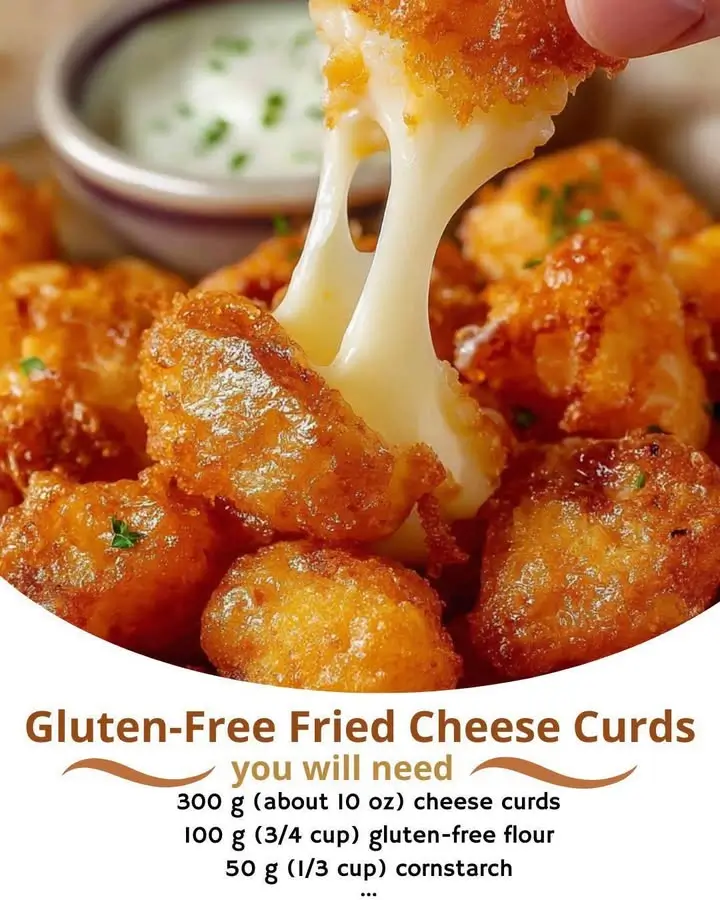
There’s something undeniably magical about the sizzle of cheese hitting hot oil, the golden crunch of a perfectly crisp exterior giving way to a molten, gooey center. That’s exactly what you get with gluten-free fried cheese curds—crispy on the outside, irresistibly melty on the inside, and completely free of gluten so everyone can enjoy this beloved Midwest classic without compromise. Whether you’re hosting game day snacks, looking for a show-stopping appetizer, or simply craving comfort food with a gourmet twist, these gluten-free fried cheese curds deliver big flavor in every bite. Made with careful attention to texture, taste, and dietary needs, they prove that going gluten-free doesn’t mean sacrificing indulgence.
The History
Fried cheese curds are a culinary staple of the American Midwest, particularly Wisconsin—the self-proclaimed “Dairy State.” Fresh cheese curds, known for their squeaky texture when bitten into, have long been a regional favorite. While eating them plain is delightful, frying them elevates the experience entirely. The tradition of deep-frying cheese curds likely emerged in local diners, county fairs, and family-run restaurants during the mid-20th century as a fun, indulgent treat. Over time, fried cheese curds became synonymous with Wisconsin pride and Midwestern hospitality.
As awareness of celiac disease and gluten sensitivity grew, so did the demand for gluten-free versions of classic comfort foods. Traditional breading uses wheat flour, which isn’t suitable for those avoiding gluten. But thanks to modern gluten-free flours and binding techniques, it’s now possible to recreate that same crispy, golden crust without any wheat products. Today, gluten-free fried cheese curds aren’t just an alternative—they’re a delicious innovation embraced by home cooks and chefs alike, bringing this iconic snack to a wider audience than ever before.
Ingredients Breakdown
The secret to perfect gluten-free fried cheese curds lies in using high-quality ingredients that mimic the texture and flavor of traditional versions while remaining safe for gluten-sensitive diets. Here’s a detailed look at each component:
- Fresh Mozzarella Cheese Curds: The star of the dish. Look for real, fresh cheese curds that “squeak” when you chew them. If unavailable, small cubes of low-moisture mozzarella can work, though the texture won’t be quite the same. Avoid pre-shredded mozzarella—it contains anti-caking agents that prevent proper melting.
- Gluten-Free All-Purpose Flour Blend: Choose a reputable brand like Bob’s Red Mill, King Arthur, or Cup4Cup. These blends typically contain rice flour, potato starch, and xanthan gum, which help replicate the elasticity and browning properties of wheat flour.
- Eggs: Used as a binder to help the coating adhere to the cheese. For best results, use large eggs at room temperature.
- Gluten-Free Panko Breadcrumbs: Essential for achieving that ultra-crispy, crunchy texture. Brands like Ian’s or Schar make excellent gluten-free panko-style crumbs. Regular breadcrumbs often contain hidden gluten, so always double-check labels.
- Buttermilk (or Dairy-Free Alternative): Adds tanginess and helps tenderize the coating. If you’re dairy-free, use unsweetened almond milk mixed with a tablespoon of lemon juice or apple cider vinegar.
- Seasonings: Garlic powder, onion powder, smoked paprika, salt, and freshly ground black pepper enhance the flavor profile without overpowering the cheesy goodness.
- Cornstarch (Optional): Some recipes include a light dusting of cornstarch before dredging to improve crispness and prevent sogginess.
- Frying Oil: Use a neutral oil with a high smoke point—canola, vegetable, avocado, or peanut oil works well. Avoid olive oil due to its lower smoke point and strong flavor.
Step-by-Step Recipe
- Preparation: Begin by setting up a three-stage breading station: one bowl with gluten-free flour (seasoned with garlic powder, onion powder, salt, and pepper), a second with beaten eggs mixed with buttermilk, and a third with gluten-free panko breadcrumbs (you can add extra seasoning here too).
- Chill the Cheese: Place your cheese curds in the freezer for 15–20 minutes. This step is crucial—it firms up the cheese so it doesn’t melt prematurely during frying.
- Dredge Each Curd: Working one at a time, coat each chilled curd first in the seasoned flour (shaking off excess), then dip into the egg mixture, and finally press into the panko crumbs, ensuring full coverage. Place back on a plate or tray.
- Double Coating (Optional for Extra Crunch): For an even crispier result, repeat the egg and breadcrumb steps for a double layer. This creates a thicker, more robust shell.
- Chill Again: Return the coated curds to the freezer for another 10–15 minutes. This helps the coating set and reduces the chance of it falling off during frying.
- Heat the Oil: In a heavy-bottomed pot or deep fryer, heat 2–3 inches of oil to 350°F (175°C). Use a thermometer for accuracy—too cool and the breading will absorb oil; too hot and the outside burns before the inside melts.
- Fry in Batches: Carefully lower 4–6 curds at a time into the hot oil using a slotted spoon or spider strainer. Do not overcrowd the pot. Fry for 45–60 seconds per batch, or until golden brown and floating.
- Drain and Serve: Remove with a slotted spoon and place on a wire rack over paper towels to drain excess oil. Sprinkle lightly with sea salt while still hot. Serve immediately for maximum gooeyness.
Tips
- Keep Everything Cold: Warm cheese melts too quickly. Chilling both the curds and the coated pieces ensures the filling stays intact.
- Don’t Skip the Buttermilk: The acidity helps create a tender crust and improves adhesion between layers.
- Use a Wire Rack, Not Just Paper Towels: Placing fried curds directly on paper towels can trap steam and make them soggy. A wire rack allows air circulation for optimal crispness.
- Fry at the Right Temperature: Maintain oil between 340°F and 360°F. Adjust heat as needed between batches to stabilize temperature.
- Avoid Overcooking: These cook fast! Overfrying leads to burst curds and greasy results.
- Make Ahead Prep: You can bread the curds up to 24 hours in advance and store them frozen on a tray before transferring to a sealed container. Fry straight from frozen—just add 10–15 seconds to cooking time.
- Serve Immediately: Like all fried cheese dishes, these are best eaten within minutes of frying. Reheating tends to soften the crust and leak the cheese.
Variations and Customizations
While classic fried cheese curds are delicious on their own, feel free to get creative! Here are some popular twists:
- Spicy Kick: Add cayenne pepper, chili flakes, or smoked chipotle powder to the flour and breadcrumbs. Serve with a cooling ranch or blue cheese dipping sauce.
- Herb-Infused: Mix chopped fresh parsley, dill, or chives into the egg wash or breadcrumbs for a garden-fresh flavor.
- Parmesan Crust: Combine gluten-free panko with finely grated Parmesan cheese for a nuttier, umami-rich crust.
- Buffalo Style: Toss fried curds in buffalo sauce and serve with celery sticks and blue cheese dip for a spicy appetizer mash-up.
- Stuffed Curds: For a next-level version, insert a small cube of jalapeño or cooked bacon into a mozzarella ball before breading.
- Baked Option: For a lighter version, spray breaded curds with olive oil and bake at 425°F for 10–12 minutes, flipping halfway. Results are less crispy but still tasty.
- Dipping Sauces: Pair with marinara, honey mustard, garlic aioli, sriracha mayo, or a tangy dill ranch for added flavor variety.
Health Considerations and Nutritional Value
Gluten-free fried cheese curds are undeniably indulgent, but understanding their nutritional profile helps you enjoy them mindfully:
- Calories: One serving (about 4–5 medium curds) contains approximately 280–350 calories, depending on size and oil absorption.
- Fat Content: High in saturated fat due to cheese and frying oil. Using heart-healthy oils like avocado or canola can reduce unhealthy fat intake slightly.
- Protein: Provides around 10–12 grams of protein per serving, thanks to the cheese and egg coating.
- Carbohydrates: About 18–22 grams per serving, mostly from gluten-free flour and breadcrumbs. Opting for almond flour or crushed gluten-free cornflakes may lower carb content.
- Sodium: Can be high due to cheese, seasoning, and breadcrumbs. Use low-sodium cheese and limit added salt if needed.
- Dietary Notes: Naturally gluten-free when made correctly, but always verify ingredient labels. Not suitable for vegan or dairy-free diets unless substitutes are used (e.g., vegan cheese, flax eggs, plant-based milk).
- Moderation is Key: Best enjoyed occasionally as part of a balanced diet. Pair with a fresh salad or roasted vegetables to round out the meal.
Ingredients
- 1 cup fresh mozzarella cheese curds (or small cubes)
- 1/2 cup gluten-free all-purpose flour blend
- 1 tsp garlic powder
- 1 tsp onion powder
- 1/2 tsp smoked paprika
- 1/2 tsp salt
- 1/4 tsp black pepper
- 2 large eggs
- 1/4 cup buttermilk (or dairy-free alternative)
- 1 cup gluten-free panko breadcrumbs
- 1 tbsp grated Parmesan (optional, for extra flavor)
- Vegetable, canola, or avocado oil (for frying)
- Additional salt (for finishing)
Directions
- In a shallow bowl, mix gluten-free flour, garlic powder, onion powder, smoked paprika, salt, and pepper.
- In a second bowl, whisk together eggs and buttermilk until smooth.
- In a third bowl, combine gluten-free panko breadcrumbs and optional Parmesan.
- Place cheese curds on a plate and freeze for 15–20 minutes.
- Set up your breading station: flour → egg mixture → breadcrumbs.
- Dredge each curd: coat in flour, shake off excess; dip in egg mixture; press into breadcrumbs to fully coat. Place on a tray.
- (Optional) Repeat egg and breadcrumb steps for a double coating.
- Freeze breaded curds for another 10–15 minutes.
- Heat oil in a deep pot or fryer to 350°F (175°C).
- Fry curds in small batches for 45–60 seconds, until golden brown and floating.
- Remove with a slotted spoon and drain on a wire rack.
- Sprinkle lightly with salt while warm.
- Serve immediately with your favorite dipping sauce.
FAQ
Can I use regular cheese instead of curds?
Yes, but fresh curds have a unique texture. Low-moisture mozzarella cubes work best. String cheese cut into chunks is another option.
Are gluten-free fried cheese curds safe for celiacs?
Yes, provided all ingredients are certified gluten-free and no cross-contamination occurs during prep or frying.
Why did my cheese leak out during frying?
Likely causes: cheese wasn’t cold enough, oil was too hot, or the coating wasn’t sealed properly. Chilling thoroughly helps prevent this.
Can I air fry these?
Yes! Spray breaded curds generously with oil and air fry at 390°F for 6–8 minutes, shaking halfway. Results are less gooey but still satisfying.
How do I reheat leftovers?
Reheating is not recommended—cheese often leaks and crust softens. If necessary, use an oven at 375°F for 5 minutes, but expect texture changes.
Can I make them ahead of time?
Yes! Bread and freeze uncooked curds up to 1 month in advance. Fry straight from frozen, adding 10–15 seconds to cook time.
What oil is best for frying?
Choose a neutral oil with a high smoke point: canola, vegetable, peanut, or avocado oil.
Are there dairy-free options?
Yes, use vegan mozzarella sticks or homemade cashew cheese balls. Note that melting and texture will differ.
Summary
Gluten-free fried cheese curds offer the perfect harmony of crispy, golden exteriors and molten, gooey centers—all without a trace of gluten. Easy to customize and impossible to resist, they’re the ultimate crowd-pleasing snack for any occasion.