Introduction
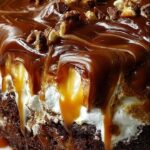
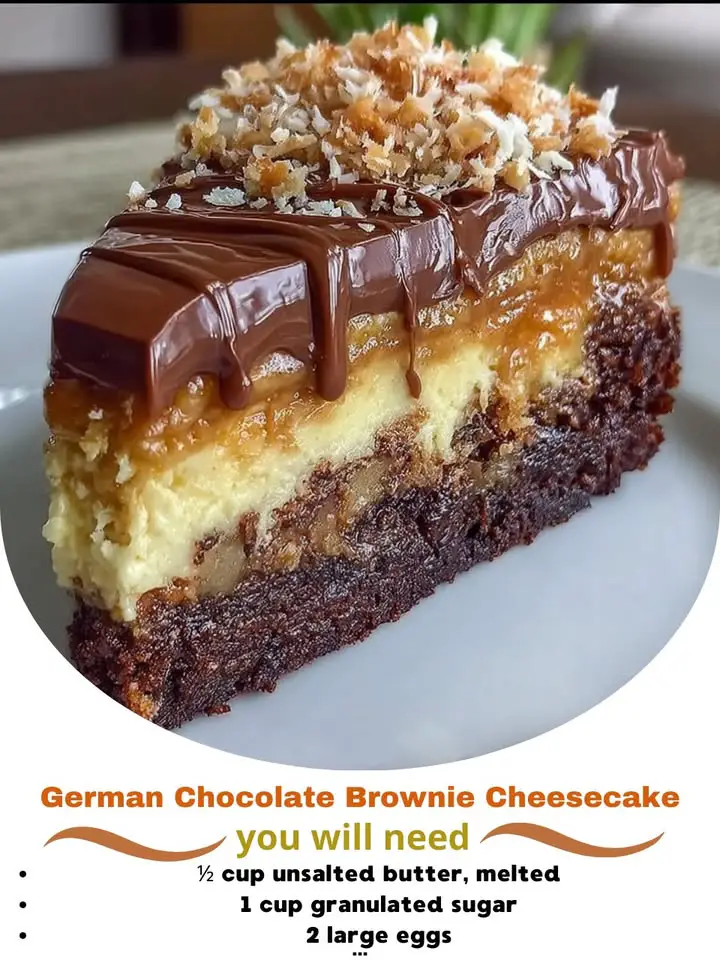
Welcome to the decadent, dreamy, and deeply satisfying world of the German Chocolate Brownie Cheesecake: The Ultimate Triple-Layer Dessert — a masterful fusion that marries the rich, fudgy depth of classic brownies, the velvety luxury of New York–style cheesecake, and the nostalgic, caramel-kissed allure of German chocolate cake. This isn’t just a dessert — it’s an experience. A symphony of textures and flavors where dense cocoa intensity meets creamy tang, all crowned with toasted coconut-pecan praline that crackles with buttery warmth and subtle molasses sweetness. Whether you’re planning a milestone celebration, impressing guests at a dinner party, or simply treating yourself to something extraordinary (and yes — absolutely worth every calorie), this triple-layer marvel delivers on grandeur, nostalgia, and technical elegance. It’s the dessert equivalent of a standing ovation — rich, resonant, unforgettable.
The History
To truly appreciate the German Chocolate Brownie Cheesecake, we must trace its lineage across three iconic American desserts — each with its own storied past.
German Chocolate Cake — despite its name, has no ties to Germany. It was named after Samuel German, an English-American chocolatier who developed “Baker’s German’s Sweet Chocolate” in 1852 for Baker’s Chocolate Company. The cake itself rose to national fame in 1957 when a Dallas homemaker, Mrs. George Clay, submitted her recipe featuring the distinctive coconut-pecan filling to the Dallas Morning News. The recipe went viral — literally, by mid-century standards — sparking a nationwide love affair with its lush, gooey, nutty-sweet topping.
Brownies emerged in the late 19th century as a happy accident — possibly born from forgotten baking powder or over-mixed cake batter — and were first published in the 1896 Boston Cooking-School Cook Book by Fannie Farmer. Their dense, chewy, intensely chocolatey identity solidified over decades, evolving from simple squares into layered, swirled, and studded masterpieces.
Cheesecake, meanwhile, boasts ancient roots (think Greek honey-sweetened cheese cakes served at Olympic games), but the modern American version — especially the dense, baked, cream-cheese-driven New York style — took hold in the early 20th century, popularized by Jewish bakers on New York’s Lower East Side and later perfected at institutions like Junior’s and Lindy’s. Its luxurious mouthfeel and balanced tartness make it the ideal foil to both chocolate and caramelized nuts.
The German Chocolate Brownie Cheesecake is thus a deliciously logical evolution — a 21st-century dessert alchemy that honors tradition while daring to layer, elevate, and reimagine. It first appeared in specialty baking blogs and food magazines around 2012–2014, gaining traction on Pinterest and Instagram for its photogenic striations and “wow factor.” Today, it stands as a beloved showstopper in bakeries, wedding menus, and competitive dessert challenges — a testament to how far American comfort food has come.
Ingredients Breakdown
Every layer is carefully calibrated not only for flavor but for structural integrity — because nobody wants a collapsed cheesecake or a soggy brownie base. Here’s why each ingredient matters:
- For the Brownie Base: Unsalted butter (for richness and proper melt-in-the-mouth texture), granulated sugar (for structure and crust formation), light brown sugar (adds moisture and molasses depth), large eggs (for binding and lift without airiness), pure vanilla extract (enhances cocoa notes), all-purpose flour (just enough for stability — no excess!), unsweetened cocoa powder (Dutch-process preferred for deeper color and smoother bitterness), salt (to balance sweetness), and a secret touch — a tablespoon of brewed strong coffee (enhances chocolate flavor without tasting like coffee).
- For the Cheesecake Layer: Full-fat brick-style cream cheese (room temperature — non-negotiable for smoothness), sour cream (adds tang and prevents cracking), full-fat Greek yogurt (for extra silkiness and protein-based stability), granulated sugar (fine-grained for seamless incorporation), large eggs (again, room temp — cold eggs cause lumps), pure vanilla extract, and a whisper of lemon zest (brightens richness without detectable citrus).
- For the German Chocolate Topping: Light corn syrup (for glossy sheen and chew-resistant texture), granulated sugar and brown sugar (dual-sugar blend ensures both caramelization and moisture retention), evaporated milk (the traditional base — richer than regular milk, less watery than heavy cream), unsalted butter (for nutty depth and emulsification), large egg yolks (for thickening and custard-like body), sweetened shredded coconut (toasted for aroma and crunch), coarsely chopped pecans (preferably toasted and cooled), and a pinch of flaky sea salt (to cut through sweetness and elevate complexity).
- Optional Garnishes: Flaky sea salt flakes, extra toasted coconut, candied pecans, dark chocolate shavings (70% cacao), edible gold dust (for special occasions), or a drizzle of warm dulce de leche for added dimension.
Note: Ingredient temperatures matter profoundly — especially for the cheesecake layer. Cold cream cheese leads to lumps; cold eggs cause curdling; melted butter that’s too hot will scramble eggs. Patience here yields perfection.
Step-by-Step Recipe
This is a deliberate, methodical process — not rushed, but deeply rewarding. Plan for 3 hours active prep and bake time, plus 12–16 hours of refrigeration. Do not skip chilling — it’s essential for clean slicing and layered harmony.
- Prepare the Pan: Line a 9-inch springform pan with two overlapping strips of parchment paper (cut to extend 2 inches above the rim), then lightly grease the sides and bottom. Wrap the *outside* of the pan tightly with two layers of heavy-duty aluminum foil — this prevents water seepage during the crucial water bath step.
- Bake the Brownie Base: Preheat oven to 350°F (175°C). Melt butter with sugars over low heat, stirring until fully combined and glossy. Cool slightly (2 minutes), then whisk in eggs one at a time, followed by vanilla. Sift together flour, cocoa, and salt; gently fold in until *just* combined — do not overmix. Pour into prepared pan and spread evenly. Bake for 18–22 minutes — it should be set at the edges but still slightly soft and shiny in the center (it will firm up as it cools). Let cool completely on a wire rack — at least 45 minutes.
- Make the Cheesecake Layer: While brownie cools, beat cream cheese with a stand mixer fitted with paddle attachment on medium-low until ultra-smooth and creamy (2–3 min). Scrape bowl. Add sour cream and Greek yogurt; beat until fully incorporated and lump-free. Add sugar gradually; beat 2 more minutes until dissolved and glossy. Add eggs one at a time, beating *just* until yolk disappears (overbeating = cracks). Stir in vanilla and lemon zest by hand. Pour gently over cooled brownie base. Tap pan firmly on counter 3x to release air bubbles.
- Water Bath Setup: Place springform pan inside a larger roasting pan. Carefully pour hot (not boiling) water into the roasting pan until it reaches halfway up the sides of the springform. This gentle, even heat prevents cracking and ensures silky texture.
- Bake the Cheesecake: Bake at 325°F (165°C) for 75–85 minutes. The edges should be set and lightly puffed; the center should jiggle *slightly*, like firm Jell-O — not liquid. Turn off oven, crack door open 2 inches with a wooden spoon, and let cool inside for 1 hour. Remove from water bath, run a thin knife around the edge to loosen, then cool completely at room temperature (1.5 hrs), then refrigerate uncovered for at least 12 hours — preferably overnight.
- Prepare the German Chocolate Topping: In a heavy-bottomed saucepan, combine corn syrup, sugars, evaporated milk, and butter. Cook over medium heat, stirring constantly, until mixture comes to a full, rolling boil. Boil exactly 5 minutes, stirring continuously. Remove from heat. Whisk in egg yolks *one at a time*, then stir in toasted coconut and pecans. Cool 10 minutes — it will thicken slightly but remain pourable.
- Assemble & Finish: Once cheesecake is thoroughly chilled and firm, gently pour warm topping over surface, tilting pan to spread evenly. Sprinkle with flaky salt. Refrigerate uncovered for at least 3 more hours — or overnight — to fully set the topping. For clean slices: dip a sharp, thin-bladed knife in hot water, wipe dry, and cut between slices. Wipe and reheat before each cut.
Tips
- Room Temperature Is Non-Negotiable: All dairy and eggs must be at true room temperature (68–72°F / 20–22°C) — take them out 2+ hours ahead. Cold ingredients cause separation, lumps, and uneven baking.
- Toasting Nuts & Coconut Makes All the Difference: Spread pecans on a parchment-lined sheet pan and toast at 350°F for 6–8 minutes until fragrant and golden. Toast coconut separately for 3–4 minutes — it burns easily. Cool completely before folding in.
- No Overmixing: Especially with the brownie batter and cheesecake — once flour or eggs are added, mix only until incorporated. Overmixing develops gluten (tough brownies) or incorporates too much air (cracked cheesecake).
- Water Bath Wisdom: Use hot tap water — not boiling — to avoid shocking the pan. Ensure foil wrapping is tight and double-layered. If water seeps in, don’t panic — just pat the bottom dry and continue chilling. A little moisture won’t ruin flavor.
- Patience With Chilling: Rushing the chill leads to smearing, sliding layers, and imprecise cuts. The 12+ hour refrigeration allows the cheesecake to contract away from the pan, the brownie to hydrate and deepen in flavor, and the topping to set with a tender-chewy bite.
- Knife Technique Matters: A long, thin, non-serrated knife works best. Heat under hot running water, dry thoroughly, and slice with slow, confident downward pressure — no sawing. Clean, dry, and reheat before each cut.
- Freezing Friendly: This dessert freezes beautifully for up to 3 months. Wrap tightly in plastic wrap, then foil. Thaw overnight in the fridge — never at room temperature — to preserve texture and prevent condensation.
- Prevent Browning Runoff: If your brownie layer appears overly dark on top before adding cheesecake, it may bleed color upward during baking. To avoid, chill the brownie base for 20 minutes before pouring cheesecake batter — this sets the top crust.
Variations and Customizations
This triple-layer canvas invites creativity — whether you’re accommodating dietary needs, seasonal ingredients, or personal flair. Here are chef-tested, crowd-approved variations:
- Vegan Version: Replace brownie base with flax eggs (3 tbsp ground flax + 9 tbsp water), vegan butter, and coconut sugar. Use cashew-based “cream cheese” (soaked raw cashews blended with lemon juice, apple cider vinegar, and coconut oil). For topping, substitute coconut milk for evaporated milk and use maple syrup + coconut sugar instead of corn syrup and granulated sugar. Toasted macadamia nuts add luxury.
- Gluten-Free: Swap all-purpose flour in brownie layer for 1:1 GF baking blend (with xanthan gum). Ensure cocoa powder and all other ingredients are certified GF. Almond flour *is not recommended* here — it adds grit and alters density.
- Espresso-Infused: Add 1 tsp instant espresso powder to brownie batter and ½ tsp to cheesecake batter. Deepens chocolate notes and adds aromatic sophistication — perfect for coffee lovers.
- Spiced German Chocolate: Stir ¼ tsp ground cinnamon, ⅛ tsp ground nutmeg, and a pinch of cayenne into the topping base before boiling. Warm, complex, and subtly thrilling.
- Boozy Twist: Fold 1 tbsp bourbon or dark rum into the cooled topping just before pouring. Adds roundness and warmth — reduce evaporated milk by 1 tsp to compensate.
- Mini Mason Jar Edition: Layer in 4-oz wide-mouth mason jars: 2 tbsp brownie crumble, 3 tbsp cheesecake, 1 tbsp topping, garnish. Bake brownie layer individually (12–14 min at 350°F), then assemble chilled. Ideal for parties and portion control.
- White Chocolate Swirl: Melt 4 oz high-quality white chocolate, cool slightly, and dollop over cheesecake batter before baking. Use a toothpick to marble gently — creates stunning visual contrast and creamy sweetness against dark chocolate base.
- Seasonal Fruit Accent: Top individual slices with fresh blackberries in summer, spiced poached pears in fall, or blood orange segments in winter — acidity cuts richness beautifully.
Health Considerations and Nutritional Value
Let’s be honest: this is a celebratory dessert — rich, indulgent, and intentionally unapologetic. That said, mindful preparation and informed choices can enhance its nutritional profile without sacrificing soul-satisfying joy.
Nutrition Snapshot (per standard slice, 1/16th of recipe):
Calories: ~520 | Total Fat: 32g (19g saturated) | Carbohydrates: 54g (42g sugars) | Protein: 7g | Fiber: 2g | Sodium: 210mg
What’s Working in Its Favor:
- Dark Cocoa Power: Unsweetened cocoa is rich in flavonoids — antioxidants linked to improved circulation and reduced inflammation. Dutch-process retains more polyphenols than alkalized alternatives.
- Pecans’ Heart-Healthy Fats: Pecans provide monounsaturated fats, vitamin E, magnesium, and zinc — supporting cardiovascular health and metabolic function.
- Probiotic Potential: Using full-fat, live-culture Greek yogurt introduces beneficial bacteria — though heat during baking reduces viability, residual enzymes may aid digestibility.
- No Artificial Additives: When made from scratch with whole-food ingredients, it avoids preservatives, artificial colors, hydrogenated oils, and high-fructose corn syrup found in commercial versions.
Considerations & Mindful Modifications:
- Sugar Awareness: The topping contains significant added sugars (corn syrup, brown + granulated). Reduce total sugar by 15% in topping without compromising texture — or replace corn syrup with brown rice syrup for a lower-glycemic option (note: slightly less glossy finish).
- Fat Sources: Opt for grass-fed butter and organic cream cheese when possible — higher in omega-3s and CLA (conjugated linoleic acid).
- Portion Mindfulness: Serve smaller slices (1/18 or 1/20) with a side of fresh berries or mint — enhances satisfaction without excess calories.
- Allergen Notes: Contains dairy, eggs, tree nuts (pecans), and coconut. For nut-free versions, substitute sunflower seeds or roasted pumpkin seeds — ensure they’re toasted for maximum flavor impact.
- Not Suitable For: Those with severe lactose intolerance (though aged cheddar-style cream cheeses contain less lactose), strict keto diets (too high in net carbs), or histamine-sensitive individuals (fermented dairy and aged nuts may trigger responses).
Remember: Nutrition is deeply personal. Enjoying this dessert with presence — savoring each layer, sharing it with loved ones, honoring the craft behind it — contributes meaningfully to holistic well-being. Balance isn’t about restriction — it’s about intention, variety, and joy.
Ingredients
For the Brownie Base:
- ¾ cup (170g) unsalted butter
- 1 cup (200g) granulated sugar
- ½ cup (100g) light brown sugar, packed
- 3 large eggs, room temperature
- 2 tsp pure vanilla extract
- 1 cup (125g) all-purpose flour
- ¾ cup (75g) Dutch-process unsweetened cocoa powder
- ½ tsp fine sea salt
- 1 tbsp strong brewed coffee, cooled
For the Cheesecake Layer:
- 24 oz (680g) full-fat brick-style cream cheese, room temperature
- 1 cup (240g) full-fat sour cream
- ½ cup (120g) full-fat plain Greek yogurt
- 1 cup (200g) granulated sugar
- 3 large eggs, room temperature
- 2 tsp pure vanilla extract
- 1 tsp finely grated lemon zest
- ¼ tsp fine sea salt
For the German Chocolate Topping:
- ½ cup (120ml) light corn syrup
- ½ cup (100g) granulated sugar
- ½ cup (100g) light brown sugar, packed
- 1 cup (240ml) evaporated milk
- 6 tbsp (85g) unsalted butter
- 3 large egg yolks
- 1 ⅓ cups (100g) sweetened shredded coconut, toasted
- 1 cup (115g) pecans, coarsely chopped and toasted
- ½ tsp flaky sea salt
Garnish (Optional):
- Flaky sea salt
- Extra toasted coconut
- Dark chocolate shavings (70% cacao)
- Fresh raspberries or blackberries
Directions
- Prep Pan & Oven: Preheat oven to 350°F (175°C). Grease a 9-inch springform pan, line bottom and sides with parchment paper (with overhang), and wrap exterior tightly with two layers of heavy-duty foil.
- Bake Brownie Base: In a medium saucepan over low heat, melt butter with granulated and brown sugars, stirring until smooth and glossy (~4–5 min). Cool 2 minutes. Whisk in eggs one at a time, then vanilla. Sift flour, cocoa, and salt; fold in until *just* combined. Stir in coffee. Pour into pan and spread evenly. Bake 18–22 min — edges set, center slightly soft. Cool completely on wire rack (45+ min).
- Make Cheesecake Batter: Reduce oven to 325°F (165°C). In stand mixer with paddle, beat cream cheese on medium-low 2–3 min until creamy. Add sour cream and yogurt; beat until smooth. Gradually add sugar; beat 2 min until dissolved. Add eggs one at a time, mixing *only* until incorporated. Stir in vanilla, lemon zest, and salt by hand. Pour over cooled brownie. Tap pan firmly to release air.
- Water Bath & Bake: Place springform pan in large roasting pan. Carefully pour hot water into roasting pan until halfway up springform sides. Bake 75–85 min — edges set, center jiggles slightly. Turn off oven, crack door open 2″, and cool inside 1 hr. Remove from water bath, run knife around edge, cool to room temp (1.5 hrs), then refrigerate uncovered ≥12 hrs.
- Make Topping: In heavy saucepan, combine corn syrup, sugars, evaporated milk, and butter. Cook over medium heat, stirring constantly, until mixture reaches full rolling boil. Boil exactly 5 min, stirring continuously. Remove from heat. Whisk in egg yolks one at a time. Stir in toasted coconut and pecans. Cool 10 min.
- Finish & Chill: Gently pour warm topping over chilled cheesecake. Sprinkle with flaky salt. Refrigerate uncovered ≥3 hrs — ideally overnight — to fully set topping.
- Serve: Run thin knife around edge. Release springform collar. Dip sharp knife in hot water, dry thoroughly, and cut into 16 even slices. Wipe and reheat knife between cuts. Serve chilled. Store covered in fridge up to 5 days.
FAQ
- Can I make this without a springform pan?
- No — a springform is essential for clean removal and serving. Attempting with a regular cake pan will result in broken layers and frustration. If you must adapt, use a 9-inch square pan lined *very* generously with parchment (all sides), and expect rustic presentation — cut directly in pan and lift out with parchment sling.
- Why does my cheesecake crack?
- Most commonly: cooling too quickly, overmixing batter, or opening oven door too soon. Our water bath + gradual oven-cooling method virtually eliminates cracking. Also ensure eggs and dairy are room temperature — cold ingredients cause uneven emulsification.
- Can I use store-bought brownie mix?
- We strongly advise against it. Boxed mixes often contain stabilizers and emulsifiers that interfere with cheesecake adhesion and create textural inconsistencies (e.g., greasy separation or gummy layers). Homemade brownie base ensures optimal density and flavor synergy.
- My topping didn’t set properly — it’s runny!
- Two likely causes: insufficient boiling time (must boil full 5 minutes), or using low-fat or “fat-free” evaporated milk (which lacks the necessary solids). Also ensure you used light — not dark — corn syrup; dark corn syrup contains molasses and alters setting properties.
- How far ahead can I make this?
- It improves with time! Assemble up to 3 days ahead and keep refrigerated. For longer storage, freeze unbaked brownie base for up to 1 month; thaw overnight, then proceed. Fully assembled dessert freezes beautifully for up to 3 months — thaw overnight in fridge before serving.
- Can I omit the coconut or pecans?
- You can — but you’ll lose the defining German chocolate character. For allergies, try toasted sunflower seeds + unsweetened shredded coconut (toasted separately), or crushed pretzels for salty crunch. Avoid substituting with walnuts — their tannic bitterness clashes with molasses notes.
- Is there a way to make the brownie layer more fudgy?
- Absolutely: reduce flour to ¾ cup (95g) and add 2 tbsp (10g) cocoa powder. Also, pull brownie out of oven at 18 minutes — err on the side of underdone, as residual heat continues cooking.
- Can I bake this in a regular oven without convection?
- Yes — our instructions assume conventional baking. If using convection, reduce temperature by 25°F and check 5–10 minutes earlier. Convection fans can dry out the top — monitor closely.
- What if I don’t have evaporated milk?
- There’s no perfect substitute — but in a pinch, simmer 1¼ cups whole milk until reduced to 1 cup (about 12–15 min). Cool completely before using. Do not use condensed milk — it’s sweetened and will overwhelm the topping.
- Can kids help make this?
- Yes! They’ll love measuring coconut, stirring the topping (with supervision near heat), sprinkling salt, and pressing brownie batter. Assign age-appropriate tasks — and always supervise stove and oven use. Baking together builds confidence, math skills, and lasting memories.
Summary
The German Chocolate Brownie Cheesecake is a triumphant, meticulously engineered dessert that honors the soul of three American classics — delivering dense, molasses-kissed chocolate, luxuriously smooth cheesecake, and a crown of toasted coconut-pecan praline that shatters with buttery grace.
With careful attention to ingredient temperature, precise timing, and patient chilling, this showstopping triple-layer marvel becomes not just achievable, but deeply joyful to create — and utterly unforgettable to serve.