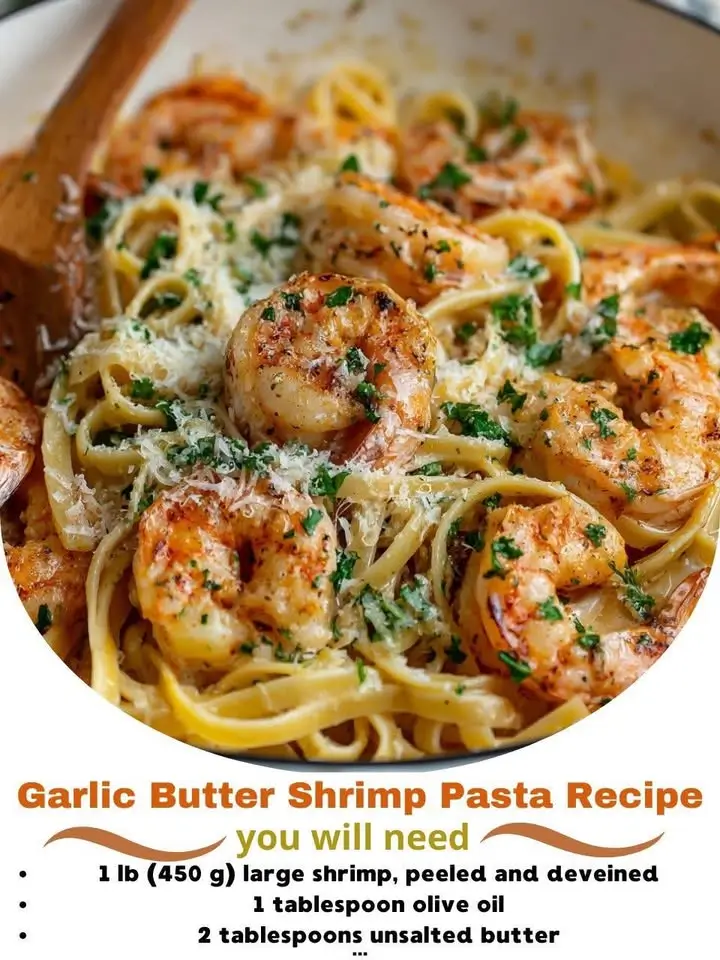
Garlic Butter Shrimp Pasta Recipe – A Rich, Creamy, and Flavor-Packed Delight
The History of Garlic Butter Shrimp Pasta
The origins of garlic butter shrimp pasta can be traced back to the coastal regions of Italy and France, where fresh seafood has long been a culinary staple. While traditional Italian cuisine emphasizes simplicity—using high-quality ingredients like olive oil, garlic, and tomatoes—the infusion of rich butter into seafood dishes is more characteristic of French cooking, particularly in preparations like crevettes à l’ail et au beurre. Over time, as global palates evolved and fusion cuisine gained popularity, American home cooks and chefs began blending these traditions, creating a hybrid dish that marries the elegance of Italian pasta with the decadence of French-style garlic butter sauce.
Shrimp, being quick-cooking and delicately flavored, became an ideal candidate for this luxurious treatment. The dish rose to prominence in mid-20th century American bistros and Italian-American restaurants, often served over linguine or fettuccine. Today, garlic butter shrimp pasta is beloved worldwide not only for its sumptuous taste but also for its ease of preparation, making it a go-to recipe for weeknight dinners, romantic meals, and dinner parties alike. Its enduring appeal lies in the alchemy of simple ingredients transforming into something deeply satisfying and restaurant-worthy.
Ingredients Breakdown: What Makes This Dish Shine
The magic of garlic butter shrimp pasta lies in its harmonious blend of high-quality, complementary ingredients. Each component plays a crucial role in building flavor, texture, and aroma:
- Fresh Shrimp: Preferably wild-caught, medium to large-sized (31–40 per pound), peeled and deveined. Freshness is key—look for firm, translucent flesh with a mild ocean scent.
- Unsalted Butter: Provides a silky richness and carries the flavor of garlic. Using unsalted allows you to control the salt level precisely.
- Garlic: The star of the show. Freshly minced garlic delivers a pungent, aromatic depth that cannot be matched by pre-minced or powdered versions.
- Olive Oil: Used in conjunction with butter to prevent burning and add a fruity, herbal note. Extra virgin olive oil enhances the overall complexity.
- Dry White Wine: Such as Sauvignon Blanc or Pinot Grigio. It deglazes the pan, lifts flavorful browned bits, and adds acidity and brightness.
- Fresh Parsley: Flat-leaf parsley adds a vibrant pop of color and a clean, slightly peppery freshness that balances the richness.
- Lemon Juice and Zest: Brightens the dish and cuts through the fat, enhancing the shrimp’s natural sweetness.
- Crushed Red Pepper Flakes: Introduce a subtle heat that elevates the overall flavor profile without overwhelming.
- Salt and Black Pepper: Essential seasonings used throughout cooking to layer flavor at each step.
- Pasta: Linguine or fettuccine are classic choices due to their ability to hold onto sauces. High-quality dried or freshly made pasta works best.
- Parmesan Cheese (optional): Adds umami and a creamy finish when stirred in at the end or grated on top.
- Heavy Cream (optional variation): For a richer, creamier version, a splash of heavy cream can be added to create a luxurious sauce base.
Together, these ingredients form a symphony of flavors—savory, buttery, garlicky, tangy, and slightly spicy—that define this modern classic.
Step-by-Step Recipe: Crafting the Perfect Garlic Butter Shrimp Pasta
- Prepare the Ingredients: Begin by peeling and deveining the shrimp, then pat them dry with paper towels to ensure they sear properly. Mince 4–6 cloves of garlic (depending on preference), chop a small handful of fresh parsley, zest one lemon, and juice half. Measure out ½ cup of dry white wine, 4 tablespoons of unsalted butter, 2 tablespoons of olive oil, and have your crushed red pepper flakes ready.
- Cook the Pasta: Bring a large pot of generously salted water to a rolling boil. Add 8 ounces of linguine or your preferred pasta and cook according to package instructions until al dente. Reserve 1 cup of pasta water before draining. Do not rinse the pasta—this removes starch needed for sauce adherence.
- Heat the Skillet: While the pasta cooks, place a large skillet or sauté pan over medium heat. Add 2 tablespoons of olive oil and 2 tablespoons of butter. Allow the butter to melt and combine with the oil.
- Sauté the Garlic: Add the minced garlic and a pinch of red pepper flakes. Sauté for about 30–60 seconds, stirring constantly, until fragrant but not browned. Burnt garlic turns bitter, so careful monitoring is essential.
- Cook the Shrimp: Increase the heat to medium-high. Add the shrimp in a single layer and season lightly with salt and black pepper. Cook for 1–2 minutes per side, until the shrimp turn pink and opaque. Avoid overcooking, as shrimp become rubbery when exposed to heat too long. Remove the shrimp from the pan and set aside.
- Build the Sauce: In the same pan, pour in the white wine. Use a wooden spoon to scrape up any browned bits (fond) from the bottom of the pan—this is flavor gold. Let the wine simmer for 2–3 minutes to reduce by half.
- Emulsify with Butter: Reduce the heat to low. Stir in the remaining 2 tablespoons of cold butter, one piece at a time, swirling the pan to create a smooth, glossy emulsion. This technique, known as monter au beurre, gives the sauce its luxurious texture.
- Add Lemon and Herbs: Stir in the lemon juice, zest, and chopped parsley. Taste and adjust seasoning with salt, pepper, and additional red pepper flakes if desired.
- Combine Pasta and Sauce: Add the drained pasta directly to the skillet. Toss well to coat every strand with the sauce. If the sauce seems too thick, gradually add reserved pasta water, ¼ cup at a time, until the desired consistency is reached.
- Reintroduce the Shrimp: Return the cooked shrimp to the pan, gently tossing to reheat for 30 seconds. Avoid vigorous stirring to prevent breaking the shrimp.
- Serve Immediately: Plate the pasta, garnish with extra parsley, a sprinkle of lemon zest, and freshly grated Parmesan cheese if using. Serve with crusty bread and a crisp green salad for a complete meal.
Tips for Success: Elevating Your Garlic Butter Shrimp Pasta
- Don’t Overcook the Shrimp: Shrimp cook quickly. They’re done when they turn opaque and form a loose “C” shape. A tight “O” means they’re overcooked.
- Use Cold Butter for Emulsification: Adding cold butter at the end helps create a silky, cohesive sauce rather than a greasy separation.
- Reserve Pasta Water: The starchy liquid acts as a binder, helping the sauce cling to the pasta. Always save at least 1 cup.
- Prep Everything in Advance: Since this dish comes together quickly, having all ingredients prepped (mise en place) ensures smooth execution.
- Balance Acidity: Taste before serving. If the dish feels heavy, a touch more lemon juice can brighten it instantly.
- Choose Quality Pasta: High-protein durum wheat semolina pasta holds up better and absorbs sauce more effectively than lower-quality alternatives.
- Don’t Crowd the Pan: When searing shrimp, use a large enough skillet to avoid steaming instead of browning.
- Let the Wine Reduce: Allowing the wine to simmer and reduce concentrates flavor and removes raw alcohol taste.
Variations and Customizations
One of the greatest strengths of garlic butter shrimp pasta is its adaptability. Here are several popular variations to suit different tastes and dietary needs:
- Creamy Version: Stir in ¼ to ½ cup of heavy cream or half-and-half after reducing the wine for a velvety, indulgent sauce. Some add a tablespoon of cream cheese for extra richness.
- Spicy Arrabbiata Style: Double the red pepper flakes and add a dash of smoked paprika or cayenne for a fiery kick.
- With Vegetables: Add sautéed spinach, sun-dried tomatoes, artichoke hearts, or roasted bell peppers for added nutrition and color.
- Gluten-Free Option: Use gluten-free pasta such as brown rice or chickpea-based linguine. Ensure all other ingredients are certified gluten-free.
- Dairy-Free/Vegan Twist: Replace butter with vegan butter or olive oil, omit Parmesan, and use plant-based shrimp alternatives for a compassionate version.
- Herb Variations: Swap parsley for basil (for a summery twist) or dill (for a Scandinavian flair).
- Protein Swaps: Try scallops, chicken breast strips, or even flaked salmon for a different protein profile.
- Asian Fusion: Add soy sauce, ginger, and sesame oil, finishing with green onions and toasted sesame seeds for an umami-rich twist.
- Tomato-Infused: Add diced cherry tomatoes or a spoonful of tomato paste when sautéing garlic for a briny-sweet contrast.
- Wine-Free Version: Substitute white wine with low-sodium chicken or vegetable broth mixed with a splash of apple cider vinegar or white wine vinegar.
Health Considerations and Nutritional Value
While undeniably delicious, garlic butter shrimp pasta can be adapted to align with various health goals. Here’s a breakdown of its nutritional components and how to make it healthier:
- Shrimp: Low in calories and high in protein (about 20g per 3 oz), shrimp is also rich in selenium, vitamin B12, iodine, and omega-3 fatty acids. However, it does contain dietary cholesterol, though recent studies suggest it has minimal impact on blood cholesterol for most people.
- Butter: High in saturated fat and calories. To reduce fat content, substitute half the butter with olive oil or use a light butter blend.
- Pasta: A source of carbohydrates. Opt for whole grain, legume-based (like lentil or chickpea), or fiber-rich alternatives to increase satiety and improve glycemic response.
- Calorie Control: A typical serving (with cream and full butter) can range from 600–800 calories. Lighter versions using less butter, no cream, and more vegetables can come in under 500 calories.
- Sodium: Be mindful of salt, especially if using store-bought broth, canned shrimp, or pre-grated cheese. Use low-sodium options and season to taste.
- Heart Health: The combination of olive oil, garlic, and omega-3s from shrimp may support cardiovascular health when consumed in moderation.
- Balanced Meal Tip: Serve with a side salad or steamed vegetables to increase fiber and micronutrient intake.
For those managing specific conditions (e.g., hypertension, diabetes, or high cholesterol), portion control and ingredient modifications are key to enjoying this dish guilt-free.
Ingredients
- 8 oz (225g) linguine or fettuccine
- 1 lb (450g) large shrimp, peeled and deveined
- 4 tbsp unsalted butter, divided
- 2 tbsp extra virgin olive oil
- 4–6 garlic cloves, minced
- ½ cup dry white wine (e.g., Sauvignon Blanc)
- ½ tsp crushed red pepper flakes (adjust to taste)
- Juice of ½ lemon (about 2 tbsp)
- Zest of 1 lemon
- ¼ cup fresh parsley, finely chopped
- Salt and freshly ground black pepper, to taste
- Optional: ¼ cup grated Parmesan cheese
- Optional: ¼ cup heavy cream (for creamy version)
- 1 cup reserved pasta water
Directions
- Bring a large pot of salted water to a boil. Add pasta and cook until al dente. Reserve 1 cup of pasta water, then drain and set aside.
- In a large skillet over medium heat, combine olive oil and 2 tbsp butter. Once butter melts, add garlic and red pepper flakes. Sauté 30–60 seconds until fragrant.
- Increase heat to medium-high. Add shrimp in a single layer, season with salt and pepper, and cook 1–2 minutes per side until pink and opaque. Transfer to a plate.
- Pour white wine into the skillet, scraping up browned bits. Simmer 2–3 minutes until reduced by half.
- Reduce heat to low. Whisk in remaining 2 tbsp butter, one piece at a time, until sauce is smooth and glossy.
- Stir in lemon juice, zest, and parsley. Adjust seasoning with salt and pepper.
- Add cooked pasta to the skillet and toss to coat. Gradually add reserved pasta water as needed to loosen the sauce.
- Return shrimp to the skillet and warm through for 30 seconds.
- Serve immediately, garnished with extra parsley, lemon zest, and Parmesan if desired.
FAQ
Can I use frozen shrimp?
Yes, but thaw them first in the refrigerator overnight or under cold running water. Pat dry thoroughly before cooking to prevent excess moisture.
What wine should I use?
Choose a crisp, dry white wine you’d enjoy drinking—Pinot Grigio, Sauvignon Blanc, or Chardonnay work well. Avoid “cooking wine” as it contains added salt and preservatives.
Can I make this ahead of time?
Best served fresh, but components can be prepped in advance. Cook pasta just before serving, and reheat shrimp gently to avoid toughness.
How do I store leftovers?
Store in an airtight container in the refrigerator for up to 2 days. Reheat gently in a skillet with a splash of water or broth to revive the sauce.
Why did my sauce break?
Sauces break when the emulsion separates, often due to excessive heat or adding butter too quickly. Keep heat low and whisk in cold butter gradually.
Is this dish gluten-free?
Only if you use gluten-free pasta and ensure all other ingredients (like wine and broth) are certified gluten-free.
Can I skip the wine?
Yes. Substitute with low-sodium broth and a splash of vinegar or lemon juice for acidity.
Summary
Garlic butter shrimp pasta is a luxurious yet simple dish that combines tender shrimp, al dente pasta, and a rich, aromatic sauce made from butter, garlic, wine, and lemon. Quick to prepare and endlessly customizable, it’s a gourmet-feeling meal perfect for any occasion.