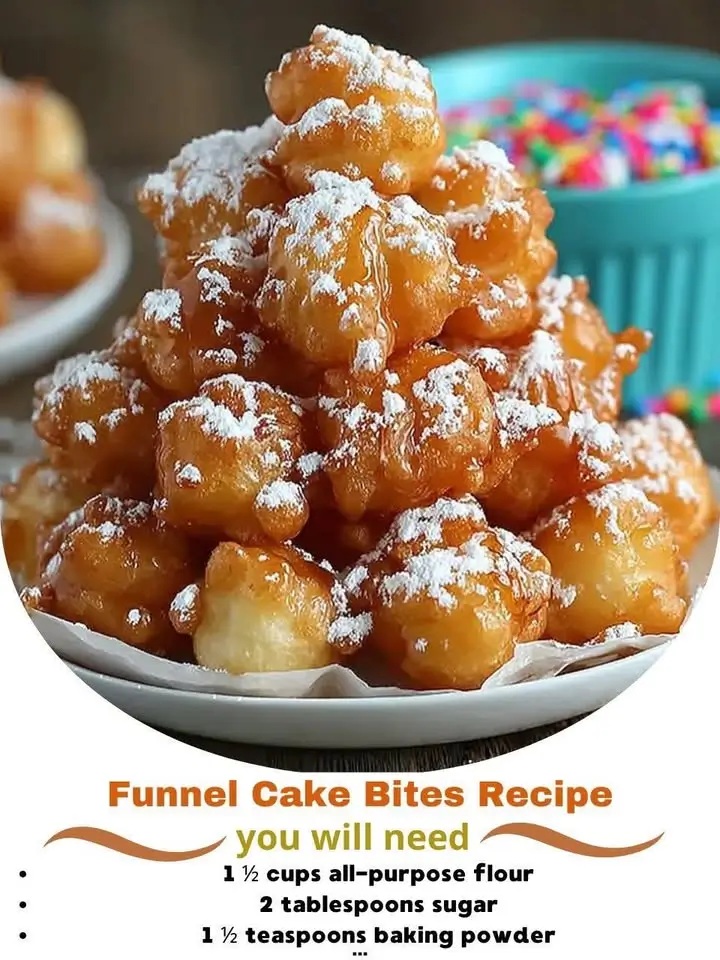
Funnel Cake Bites Recipe: The Ultimate Fairground Treat You Can Make at Home
If you’ve ever strolled through a county fair, amusement park, or carnival, you’ve likely been drawn in by the irresistible aroma of funnel cake—golden, crispy, sugary clouds of fried dough that melt in your mouth. Now, imagine enjoying that same magical flavor in bite-sized pieces, perfect for snacking, sharing, or serving as a crowd-pleasing dessert. Enter Funnel Cake Bites—a modern twist on a classic favorite that’s fun to make, fun to eat, and even more fun to customize.
In this comprehensive guide, we’ll take you deep into the world of Funnel Cake Bites, from their historical roots to the science behind the perfect batter, step-by-step cooking instructions, expert tips, creative variations, nutritional insights, and frequently asked questions. Whether you’re a seasoned home baker or trying your hand at frying for the first time, this article will equip you with everything you need to create golden, puffy, sugar-dusted delights that rival any fairgrounds version—right in your own kitchen!
The History of Funnel Cakes: From European Roots to American Icon
Funnel cakes have a surprisingly rich history that traces back centuries and spans continents. While they’re now synonymous with American fairs and carnivals, their origins can be found in European traditions, particularly among German and Scandinavian communities.
The earliest versions of funnel cake were known by various names such as Aarekuche (Swiss-German for “river cake”), drechslkuechle, or fazuelos in Sephardic Jewish communities. These desserts involved pouring batter through a funnel into hot oil, creating intricate latticed patterns as the dough fried into crisp, delicate layers.
German immigrants brought these recipes to Pennsylvania in the 1700s, where they evolved into what we now recognize as funnel cake. Over time, especially during the 20th century, the treat became a staple at state fairs, amusement parks, and outdoor festivals across the United States. Its popularity soared due to its affordability, visual appeal, and indulgent taste.
Fast forward to today, and funnel cakes have undergone countless reinventions—from stuffed versions to mini “bites” served in paper cones. Funnel Cake Bites, in particular, emerged as a convenient, mess-free alternative ideal for parties, food trucks, and home kitchens alike. Their compact size makes them easy to serve and eat, while preserving all the joy of the original.
Ingredients Breakdown: What Makes Funnel Cake Bites So Irresistible?
The magic of funnel cake lies in its simplicity. With just a handful of pantry staples, you can whip up a batter that transforms into a crispy-on-the-outside, fluffy-on-the-inside delight when fried. Let’s break down each ingredient and explore its role in achieving the perfect texture and flavor.
- All-Purpose Flour: The foundation of the batter, providing structure and the right amount of gluten for a tender yet sturdy bite.
- Baking Powder: Acts as the leavening agent, helping the bites puff up slightly during frying for that airy interior.
- Sugar: A small amount is added to the batter to enhance browning and add a subtle sweetness. Most of the sugar, however, comes later as a dusting.
- Salt: Balances the sweetness and enhances overall flavor.
- Eggs: Bind the ingredients together and contribute richness and color to the final product.
- Milk: Provides moisture and helps create a smooth, pourable batter. Whole milk is preferred for its fat content, which adds tenderness.
- Vanilla Extract: Adds a warm, aromatic note that complements the sugary finish.
- Vegetable Oil (for frying): Neutral in flavor and high in smoke point, making it ideal for deep-frying without overpowering the dough.
- Powdered Sugar (for coating): The crowning glory! It melts slightly on warm bites, creating a sweet glaze-like finish.
Optional additions include cinnamon, nutmeg, or citrus zest in the batter for extra depth, and toppings like chocolate drizzle, fruit compote, whipped cream, or sprinkles for presentation.
Step-by-Step Recipe: How to Make Perfect Funnel Cake Bites at Home
Ready to recreate the carnival experience? Follow this detailed, foolproof recipe to make light, golden Funnel Cake Bites that are crispy on the outside and pillowy within.
Ingredients
- 1 ½ cups (190g) all-purpose flour
- 2 teaspoons baking powder
- 2 tablespoons granulated sugar
- ¼ teaspoon salt
- 1 large egg
- ¾ cup (180ml) whole milk
- 1 teaspoon vanilla extract
- Vegetable, canola, or peanut oil (for frying; about 4–6 cups)
- ½ cup (60g) powdered sugar (plus more for dusting)
- Optional: ½ teaspoon ground cinnamon or lemon zest
Directions
- Prepare the Batter: In a large mixing bowl, whisk together the flour, baking powder, granulated sugar, salt, and any optional spices (like cinnamon). In a separate bowl, beat the egg, then whisk in the milk and vanilla extract until well combined.
- Combine Wet and Dry Ingredients: Gradually pour the wet mixture into the dry ingredients. Whisk gently until just combined. Avoid overmixing—small lumps are okay. The batter should be smooth and slightly thicker than pancake batter but still easily pourable.
- Heat the Oil: Pour 2–3 inches of oil into a heavy-bottomed pot or Dutch oven. Heat over medium-high heat until it reaches 350°F–375°F (175°C–190°C). Use a deep-fry or candy thermometer for accuracy. Too cool, and the bites will absorb oil; too hot, and they’ll brown too quickly without cooking through.
- Form the Bites: While the oil heats, transfer the batter to a piping bag, a plastic zip-top bag with a corner snipped off, or a squeeze bottle. This allows for precise control when dropping the batter into the oil.
- Fry the Bites: Once the oil is ready, carefully pipe or drop small circles or freeform blobs (about 1-inch diameter) into the hot oil. Don’t overcrowd the pot—work in batches. Fry for 1–2 minutes per side, using a slotted spoon or tongs to flip them once golden brown.
- Drain Excess Oil: Remove the cooked bites and place them on a wire rack set over a baking sheet or on paper towels to drain. This keeps them crisp and prevents sogginess.
- Dust with Sugar: While still warm, transfer the bites to a large bowl, add powdered sugar, and gently toss until evenly coated. For an extra touch, use a fine-mesh sieve to dust additional powdered sugar on top.
- Serve Immediately: Funnel Cake Bites are best enjoyed fresh and warm. Serve in a basket lined with parchment or in a decorative bowl with dipping sauces or toppings on the side.
Pro Tips for Success: Mastering the Art of Funnel Cake Bites
To elevate your Funnel Cake Bites from good to extraordinary, keep these expert tips in mind:
- Consistency is Key: Your batter should resemble thick cream. If it’s too thick, add a splash of milk. If too thin, sprinkle in a bit more flour.
- Temperature Matters: Maintain oil temperature between 350°F and 375°F. Use a thermometer and adjust the heat as needed between batches.
- Don’t Skip the Rest: Letting the batter sit for 5–10 minutes allows the flour to hydrate fully, resulting in a smoother texture.
- Uniform Size: Keep the bites consistent in size so they cook evenly. Aim for dime-to-quarter-sized drops.
- Avoid Overcrowding: Frying too many at once lowers the oil temperature and leads to greasy bites.
- Use a Wire Rack: Draining on a wire rack instead of paper towels prevents steam buildup and keeps the bottom crispy.
- Sugar Timing: Dust with powdered sugar immediately after frying so it adheres well. Re-dust just before serving if needed.
- Stay Safe: Never leave hot oil unattended. Keep a lid nearby to smother flames, and have a fire extinguisher accessible.
Variations and Customizations: Make It Your Own!
One of the joys of Funnel Cake Bites is how easily they adapt to different tastes and occasions. Here are some creative twists to inspire your next batch:
- Cinnamon Sugar Bites: Mix ½ cup powdered sugar with 1 tablespoon cinnamon and a pinch of nutmeg. Toss warm bites in this spiced blend for a fall-inspired treat.
- Lemon Glaze Bites: After dusting with powdered sugar, drizzle with a simple glaze made from powdered sugar, lemon juice, and zest.
- Chocolate-Dipped Bites: Dip half of each bite in melted chocolate or white chocolate, then sprinkle with crushed nuts, sprinkles, or sea salt.
- Fruity Funnel Bites: Top with fresh berries, banana slices, or a warm berry compote. Add whipped cream for a deconstructed funnel cake sundae.
- Savory Version: Omit sugar from the batter and add herbs like rosemary or chives. Serve with garlic aioli or marinara for dipping—perfect for appetizers!
- Gluten-Free Option: Substitute all-purpose flour with a 1:1 gluten-free baking blend. Ensure your baking powder is gluten-free certified.
- Vegan Funnel Cake Bites: Replace egg with a flax egg (1 tbsp ground flaxseed + 3 tbsp water), use plant-based milk, and ensure sugar is vegan-friendly.
- Holiday-Themed Bites: Use colored sugars, holiday sprinkles, or themed drizzles (peppermint, pumpkin spice) for festive flair.
Health Considerations and Nutritional Value
Let’s be honest—Funnel Cake Bites are a treat, not a health food. However, understanding their nutritional profile can help you enjoy them mindfully.
Nutritional Breakdown (per 5–6 bites, approx. 1 serving):
- Calories: ~280–320 kcal
- Total Fat: 14–18g (mostly from frying oil)
- Saturated Fat: 3–5g
- Carbohydrates: 38–42g
- Sugars: 18–22g (mostly from powdered sugar)
- Protein: 4–5g
- Sodium: ~150–200mg
Health Tips:
- Portion Control: Serve in small cups or on skewers to encourage moderation.
- Healthier Frying Oils: Use heart-healthy oils like avocado or high-oleic sunflower oil, which are more stable at high temperatures.
- Baking Option (Air Fryer): While not traditional, you can try air-frying battered balls at 375°F for 8–10 minutes, spraying with oil. Results will be less crispy but lower in fat.
- Reduce Sugar: Use less powdered sugar or substitute with monk fruit-sweetened powdered erythritol for a lower-glycemic option.
- Balanced Pairing: Serve with fresh fruit or Greek yogurt to add nutrients and balance the indulgence.
Frequently Asked Questions (FAQ)
Q: Can I make funnel cake bites ahead of time?
A: They’re best fresh, but you can reheat leftovers in a 350°F oven for 5 minutes to restore crispness. Note that texture may soften over time.
Q: What can I use instead of a piping bag?
A: A plastic sandwich bag with a corner cut off works perfectly. You can also use a spoon to drop small dollops, though shapes will be less uniform.
Q: Why are my funnel cake bites soggy?
A: Likely causes include oil that’s too cool, overcrowding the pot, or not draining properly. Always fry in batches and maintain proper oil temperature.
Q: Can I freeze funnel cake bites?
A: Yes! Freeze unfrosted bites on a tray, then store in an airtight container. Reheat in oven or air fryer. Add powdered sugar after reheating.
Q: Are funnel cake bites the same as beignets?
A: Similar, but not identical. Beignets are typically square, yeast-raised, and associated with New Orleans cuisine. Funnel cake bites are quicker, chemically leavened, and often more lacy in texture.
Q: Can I use a funnel for this recipe?
A: Absolutely! The name “funnel cake” comes from using an actual funnel to drizzle batter into hot oil in spiral patterns. For bites, simply swirl and cut with scissors or tongs as it fries, then break into pieces.
Q: Is there a non-fried version?
A: While frying gives the authentic texture, you can bake small mounds on a greased sheet at 400°F until puffed and golden (~10 mins), though they’ll lack the signature crunch.
Summary
Funnel Cake Bites are a joyful, nostalgic dessert that brings the excitement of the fair straight to your kitchen. With a simple batter, hot oil, and a dusting of powdered sugar, you can create golden, airy morsels that delight kids and adults alike.
Easy to customize, fun to make, and unforgettable in flavor, these bite-sized treats are perfect for parties, holidays, or whenever you need a sweet escape.