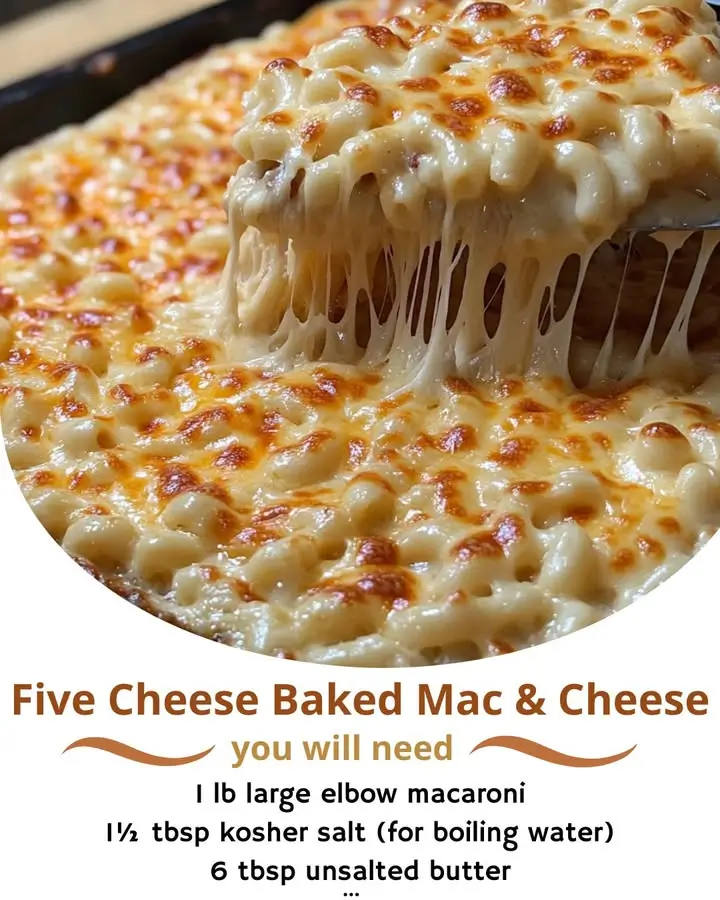
Five Cheese Baked Mac & Cheese: The Ultimate Comfort Food Extravaganza
The History of Mac and Cheese
The story of macaroni and cheese stretches back centuries, blending culinary traditions from Italy, Europe, and America into the beloved comfort dish we know today. While pasta dishes with cheese can be traced to 13th-century Italy—where de lasanis, a precursor to lasagna, featured strings of dough layered with grated cheese—the concept evolved dramatically over time. Thomas Jefferson famously encountered “macaroni and cheese” during his diplomatic tenure in France and later popularized it in the United States, serving it at a state dinner in 1802. He even imported a macaroni machine from Naples, helping spark early American interest in pasta.
By the early 20th century, boxed mac and cheese emerged as a Depression-era staple due to its affordability and shelf stability. Kraft Foods introduced its iconic blue box in 1937, selling for just 19 cents and providing a quick meal during wartime rationing. However, the homemade baked version has always held a special place in family kitchens, especially in Southern U.S. cuisine where rich, creamy casseroles are central to holiday feasts and Sunday dinners. Today’s Five Cheese Baked Mac & Cheese represents the pinnacle of this evolution—a decadent, gourmet upgrade that transforms humble ingredients into a luxurious centerpiece dish worthy of any dinner table.
Ingredients Breakdown: Why Each One Matters
What sets Five Cheese Baked Mac & Cheese apart is not just the number of cheeses but the thoughtful selection and role each ingredient plays in creating depth, creaminess, texture, and flavor balance. Let’s dive deep into every component:
- Elbow Macaroni (or Cavatappi/Fusilli): These short, tubular pastas are ideal because their nooks and crannies trap sauce beautifully. Durum wheat semolina provides firmness when cooked al dente, ensuring the pasta holds up during baking without turning mushy.
- Unsalted Butter: Using unsalted butter gives you full control over sodium levels. It also contributes richness and helps form the roux base essential for thickening the cheese sauce.
- All-Purpose Flour: Acts as a thickening agent in the roux (butter + flour), which stabilizes the milk and prevents separation while adding body to the sauce.
- Whole Milk: Adds creaminess and smooth mouthfeel. Lower-fat milks may curdle under heat or result in a thinner sauce, so whole milk is preferred for optimal texture.
- Heavy Cream: This luxurious addition enhances silkiness and allows the cheese to melt evenly without graininess. It also promotes browning on top during baking.
- Dijon Mustard: A small amount brightens the entire dish with tangy complexity, cutting through the fat and enhancing the umami notes of the cheeses.
- Garlic Powder & Onion Powder: Provide subtle aromatic depth without overpowering the cheese. Fresh garlic can burn easily, so powdered versions offer consistent flavor distribution.
- Nutmeg (freshly grated if possible): Just a pinch elevates dairy-based sauces by adding warmth and balancing sweetness—a classic trick in French and Italian cuisine.
- Salt and Black Pepper: Essential seasonings; freshly cracked pepper adds aromatic spice that complements the cheese blend.
Now let’s explore the star of the show—the five cheeses:
- Sharp Cheddar (aged 12 months): Offers bold, tangy flavor and excellent melting properties. Real aged cheddar—not pre-shredded—melts smoothly and contributes color and depth.
- Gruyère: A Swiss Alpine cheese known for its nutty, slightly sweet profile. Melts luxuriously and adds sophistication and complexity often found in fondue.
- Mozzarella (low-moisture, block form): Provides that irresistible stretch and gooey texture. Avoid pre-shredded mozzarella, which contains anti-caking agents that hinder melting.
- Parmesan (Parmigiano-Reggiano preferred): Salty, savory, and umami-rich. Grated finely, it intensifies the overall flavor and aids in browning the crust.
- Ricotta (whole milk, full-fat): Often overlooked in mac and cheese, ricotta adds luscious creaminess and lightens the sauce slightly while contributing mild sweetness and body.
For the topping:
- Panko Breadcrumbs: Japanese-style crumbs that toast up crispier and lighter than regular breadcrumbs, giving a golden, shatteringly crunchy contrast to the soft interior.
- Extra Butter (melted): Tossed with panko to ensure even browning and rich flavor in the crust.
- Reserved Parmesan: Boosts umami and helps create a deeply flavorful golden-brown finish.
Step-by-Step Recipe: Crafting Perfection One Layer at a Time
Ingredients
- 16 oz (about 4 cups) dry elbow macaroni or cavatappi
- ½ cup (1 stick) unsalted butter
- ½ cup all-purpose flour
- 3 cups whole milk
- 1 cup heavy cream
- 1 tbsp Dijon mustard
- 1 tsp garlic powder
- 1 tsp onion powder
- ¼ tsp freshly grated nutmeg
- 2 tsp kosher salt (adjust to taste)
- 1 tsp freshly ground black pepper
- 8 oz sharp white cheddar, shredded
- 6 oz Gruyère, shredded
- 6 oz low-moisture mozzarella, shredded
- ½ cup freshly grated Parmesan, divided
- 1 cup whole-milk ricotta cheese
- 1 cup panko breadcrumbs
- 2 tbsp melted butter (for topping)
Directions
- Preheat Oven & Prepare Pasta: Preheat your oven to 375°F (190°C). Bring a large pot of salted water to a boil. Add the pasta and cook according to package instructions until al dente (usually 8–9 minutes). Drain well and set aside. Do not rinse—residual starch helps the sauce cling better.
- Make the Roux: In a large, heavy-bottomed saucepan or Dutch oven, melt ½ cup (1 stick) of butter over medium heat. Once foamy, whisk in the flour and cook for 2–3 minutes, stirring constantly, until the mixture turns pale golden and smells slightly nutty. This cooks out the raw flour taste and forms the foundation of your béchamel sauce.
- Build the Béchamel: Gradually pour in the milk while continuously whisking to prevent lumps. Add the heavy cream next. Continue cooking and whisking for another 5–7 minutes until the mixture thickens enough to coat the back of a spoon (around 165°F on a thermometer).
- Add Seasonings: Stir in the Dijon mustard, garlic powder, onion powder, nutmeg, salt, and black pepper. Mix thoroughly and remove from heat briefly before adding cheeses.
- Incorporate the Cheeses: Begin adding the shredded cheeses one type at a time, starting with cheddar, then Gruyère, followed by mozzarella. Stir after each addition until fully melted and smooth. Do not return to high heat—gentle warmth prevents oil separation.
- Mix in Ricotta: Dollop the ricotta into the sauce and gently fold in with a spatula until swirled throughout. Don’t overmix—this preserves pockets of creamy texture.
- Combine with Pasta: Add the drained cooked pasta to the cheese sauce. Use a wooden spoon or silicone spatula to gently fold everything together until every noodle is coated. Taste and adjust seasoning if needed.
- Transfer to Baking Dish: Pour the mac and cheese into a greased 9×13-inch ceramic or glass casserole dish (or cast iron skillet for rustic presentation). Smooth the top with a spatula.
- Prepare Topping: In a small bowl, combine panko breadcrumbs, 2 tablespoons melted butter, and 2 tablespoons of reserved Parmesan. Mix until moistened and crumbly.
- Add Crunchy Topping: Sprinkle the breadcrumb mixture evenly over the surface of the mac and cheese. Then dust lightly with remaining Parmesan for extra browning and flavor.
- Bake Until Golden and Bubbly: Place dish in preheated oven and bake for 25–30 minutes, or until the edges are bubbling and the top is deep golden brown. For extra browning, switch to broil for the last 2–3 minutes—but watch closely to avoid burning.
- Rest Before Serving: Remove from oven and let rest for 10 minutes. This allows the sauce to settle, making it easier to scoop and serve cleanly.
Pro Tips for Perfect Five Cheese Baked Mac & Cheese
- Grate Your Own Cheese: Pre-shredded cheeses contain cellulose and starches to prevent clumping, which can make your sauce grainy or oily. Always shred blocks yourself using a box grater.
- Cook Pasta Al Dente: Overcooked pasta becomes mushy during baking. Undercook by 1 minute compared to package directions to account for residual cooking in the oven.
- Low and Slow Sauce: Never rush the roux or add cold milk too quickly—it causes lumps. Warm the milk slightly beforehand for smoother incorporation.
- Avoid High Heat When Melting Cheese: Excessive heat breaks down emulsifiers in cheese, leading to separation. Melt cheeses off direct heat or on very low simmer.
- Let It Rest: Allowing the casserole to sit post-bake firms up the texture and improves sliceability—especially important if serving as a plated entrée.
- Use Room-Temperature Dairy: Cold milk or cream added to hot roux can cause temperature shock and uneven thickening. Let ingredients sit out for 20–30 minutes first.
- Double the Topping (Optional): For an ultra-crispy crown, double the breadcrumb layer and press gently halfway through baking to encourage structural integrity.
Variations and Customizations: Make It Yours
This recipe is incredibly versatile. Here are some creative ways to personalize your Five Cheese Baked Mac & Cheese:
- Smoky Version: Add ½ tsp smoked paprika and stir in ¾ cup crumbled cooked bacon or smoked ham. Top with smoked Gouda instead of mozzarella.
- Spicy Kick: Mix in 1–2 tbsp sriracha, diced jalapeños, or a dash of cayenne pepper. Chipotle powder adds smokiness along with heat.
- Vegetable Boost: Fold in steamed broccoli florets, sautéed mushrooms, caramelized onions, roasted red peppers, or thawed frozen peas for added nutrition and color.
- Lobster or Crab Mac: Elevate it into a seafood casserole by folding in 1–2 cups of cooked lobster meat or lump crabmeat before baking.
- Truffle Indulgence: Drizzle with truffle oil before serving or mix in 1 tsp truffle paste into the sauce for earthy luxury.
- Gluten-Free Option: Substitute gluten-free pasta (like brown rice or chickpea elbows) and use cornstarch or gluten-free flour blend in place of AP flour.
- Vegetarian Protein Upgrade: Stir in cooked lentils, chickpeas, or plant-based sausage crumbles for heartier texture.
- Dairy-Free / Vegan Alternative: Use cashew cream, nutritional yeast, vegan cheeses (like almond-based cheddar and mozzarella), and olive oil-based roux. Coconut cream works well too, though it imparts slight sweetness.
- Breakfast Mac: Add scrambled eggs, breakfast potatoes, and sausage crumbles—then bake for a brunch twist.
- Individual Portions: Bake in ramekins for elegant single servings. Reduce baking time to 18–22 minutes.
Health Considerations and Nutritional Value
While Five Cheese Baked Mac & Cheese is undeniably indulgent, understanding its nutritional profile helps you enjoy it mindfully:
| Nutrient | Per Serving (approx. 1/8th of recipe) |
|---|---|
| Calories | ~580 kcal |
| Total Fat | 38g (Saturated Fat: ~22g) |
| Cholesterol | 115mg |
| Sodium | 720mg (varies with cheese brands) |
| Total Carbohydrates | 39g (Dietary Fiber: 2g, Sugars: 6g) |
| Protein | 21g |
| Calcium | Approx. 50% DV |
| Vitamin A | Approx. 30% DV |
Key Health Notes:
- High in Saturated Fat: Due to multiple full-fat dairy products, this dish should be enjoyed in moderation, especially for those monitoring heart health.
- Sodium Levels: Can be reduced by choosing lower-sodium cheeses, omitting added salt, or increasing herbs like thyme or parsley for flavor without salt.
- Portion Control: Serve smaller portions alongside a fresh green salad or roasted vegetables to balance the meal.
- Protein Powerhouse: With over 20 grams of protein per serving, it can serve as a satisfying main course, particularly for growing children or athletes.
- Calcium-Rich: An excellent source of bone-supporting calcium thanks to the variety of dairy cheeses used.
- Digestibility: Some people may find multiple cheeses hard to digest. If sensitive, consider reducing total cheese quantity or substituting part with pureed cauliflower or butternut squash for creaminess.
To lighten the recipe:
- Replace half the heavy cream with evaporated skim milk.
- Use part-skim mozzarella and reduced-fat cheddar (though texture may suffer slightly).
- Increase vegetable content to boost fiber and nutrients.
- Serve in smaller ramekins to naturally limit portion size.
Frequently Asked Questions (FAQ)
Q: Can I make this ahead of time?
A: Absolutely! Assemble the mac and cheese completely (including topping), cover tightly, and refrigerate for up to 24 hours. When ready to bake, let it come to room temperature for 30 minutes, then bake as directed—add 5–10 minutes if going straight from fridge to oven.
Q: How do I reheat leftovers without drying it out?
A: Place individual portions in an oven-safe dish, add a splash of milk or cream, cover with foil, and warm at 325°F for 15–20 minutes. Microwaving works too—use 50% power and stir halfway through.
Q: Why did my sauce turn grainy?
A: Graininess usually results from overheating the cheese sauce or using pre-shredded cheese with fillers. Always melt cheese slowly off direct heat and grate your own.
Q: Can I freeze baked mac and cheese?
A: Yes, though texture may soften slightly upon thawing. Freeze before baking for best results: wrap unbaked dish tightly in plastic and foil. Thaw overnight in fridge and bake as usual, adding 10–15 minutes. Reheated baked mac freezes less well due to moisture changes.
Q: What pasta shapes work best?
A: Any short, ridged, or hollow pasta traps sauce well—try cavatappi, shells, rigatoni, penne, or fusilli. Long noodles like spaghetti aren’t ideal.
Q: My top isn’t browning—what should I do?
A: If the center is hot but the top lacks color, switch to broil for 2–3 minutes at the end. Keep a close eye to prevent burning.
Q: Can I use different cheeses?
A: Definitely! Try Fontina for silkiness, Monterey Jack for mild meltability, or blue cheese for boldness (use sparingly). Maintain a balance of melty, sharp, and hard cheeses for best results.
Q: Is there a way to make it creamier after baking?
A: Stirring in a tablespoon of cream cheese or sour cream into the sauce before baking enhances creaminess and helps retain moisture during reheating.
Summary
Five Cheese Baked Mac & Cheese is the ultimate celebration of creamy, cheesy, comforting indulgence—crafted with sharp cheddar, nutty Gruyère, stretchy mozzarella, umami-rich Parmesan, and velvety ricotta for unmatched depth and texture. Baked to golden perfection with a buttery panko crust, it’s a show-stopping dish perfect for holidays, potlucks, or cozy weeknight dinners.