Introduction
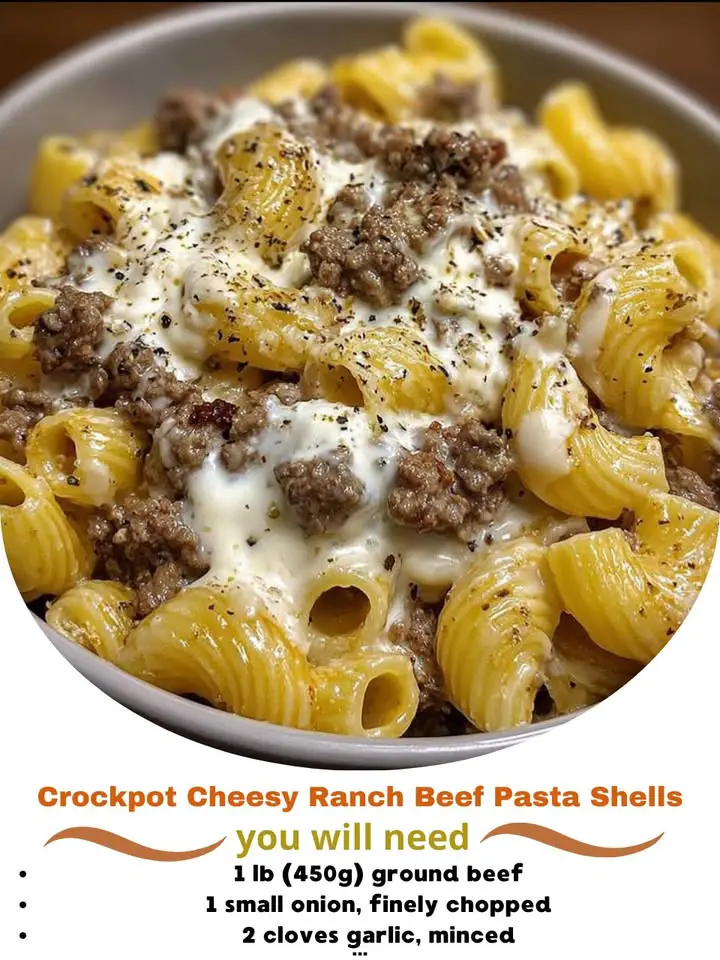
Welcome to the ultimate comfort food experience—Crockpot Cheesy Ranch Beef Pasta Shells! This slow-cooked, one-pot wonder combines tender ground beef, al dente pasta shells, creamy melted cheese, and the unmistakable zing of ranch seasoning into a rich, savory, and deeply satisfying dish that’s perfect for busy weeknights, potlucks, family dinners, or meal prep. Unlike traditional stovetop versions that require constant stirring and precise timing, this crockpot adaptation does the heavy lifting for you: it infuses layers of flavor over hours, yields consistent texture, minimizes cleanup, and delivers restaurant-quality depth with pantry-friendly ingredients. Whether you’re a seasoned slow-cooker enthusiast or a beginner looking for foolproof, crowd-pleasing recipes, this dish checks every box—flavorful, hearty, adaptable, and endlessly comforting.
The History
While the exact origin of “Cheesy Ranch Beef Pasta” is undocumented in culinary archives, its roots trace back to the mid-to-late 20th century convergence of three American food movements: the rise of convenience cooking, the ranch dressing boom, and the proliferation of slow cookers. In the 1970s, electric slow cookers like the Crock-Pot® became household staples, inspiring home cooks to reimagine classic casseroles and skillet meals for hands-off preparation. Around the same time, Hidden Valley Ranch—first sold as a dry mix in 1959—exploded in popularity, transitioning from salad dressing to a versatile seasoning for dips, meats, and baked goods. By the 1990s and early 2000s, online recipe communities and food blogs began blending these trends: using ranch seasoning not just as a garnish but as a foundational flavor enhancer in ground beef dishes. The addition of pasta shells (a shape prized for its ability to cradle sauce and cheese) alongside sharp cheddar and cream cheese created a textural and flavor harmony that went viral on Pinterest and Facebook recipe groups. Today, Crockpot Cheesy Ranch Beef Pasta Shells stands as a beloved modern classic—a testament to how humble ingredients, slow transformation, and nostalgic flavor profiles can evolve into an enduring staple across generations.
Ingredients Breakdown
Every element in this recipe plays a purposeful role—not just in taste, but in texture, moisture balance, and structural integrity during the long, gentle cook. Below is a detailed analysis of each ingredient’s function:
- Ground Beef (85/15 or 90/10): Provides rich umami depth and protein backbone. The slight fat content ensures moisture retention throughout the 4–6 hour cook; leaner blends (93/7 or higher) may yield drier results unless extra liquid or dairy is added.
- Yellow Onion & Garlic: Aromatics that form the flavor foundation. Sautéing them briefly before adding to the slow cooker unlocks sweetness and reduces raw bite—critical for layered complexity.
- Ranch Seasoning Mix (Dry): Not just flavor—it contains buttermilk powder (for tang), garlic/onion powders (for savoriness), herbs (dill, parsley, chives), and citric acid (for brightness). Opt for sodium-conscious or homemade versions to control salt levels without sacrificing depth.
- Beef Broth (Low-Sodium Recommended): Acts as both cooking liquid and flavor carrier. Its collagen-rich base helps tenderize meat while preventing pasta from absorbing all available moisture too quickly. Low-sodium broth allows precise seasoning control later.
- Crushed Tomatoes or Tomato Sauce: Adds subtle acidity, body, and natural sugars that balance ranch’s tang and enhance browning reactions in the meat. Avoid whole tomatoes unless crushed—seeds and excess water can dilute flavor and thin the sauce.
- Pasta Shells (Medium or Large, Durum Wheat): Chosen for their cup-like shape that traps cheesy sauce and holds up better than macaroni or penne under prolonged heat. Use uncooked, dried shells—pre-cooked pasta will disintegrate. Barilla or De Cecco brands are especially reliable for slow-cook integrity.
- Cream Cheese (Full-Fat, Cubed & Room Temperature): Melts into a velvety, tangy-rich base that binds ingredients and adds luxurious mouthfeel. Cold cream cheese can create lumps; room-temp cubes disperse evenly.
- Sharp Cheddar Cheese (Shredded, Block-Shredded Preferred): Delivers bold, nutty, slightly salty notes and superior meltability. Pre-shredded cheeses contain anti-caking agents (e.g., cellulose) that inhibit smooth melting and may result in graininess or oil separation.
- Heavy Cream or Full-Fat Sour Cream: Adds finishing richness and balances acidity. Sour cream contributes a pleasant tang that complements ranch; heavy cream lends silkiness. Both should be stirred in during the last 15–30 minutes to prevent curdling.
- Fresh Herbs (Optional but Recommended): Chopped chives or parsley added at the end provide aromatic brightness and visual appeal—cutting through richness without overpowering.
- Black Pepper, Cayenne (Pinch), Worcestershire Sauce: Subtle background enhancers—Worcestershire adds fermented umami depth; cayenne gives a whisper of warmth; freshly cracked black pepper brings aromatic pungency that elevates every other note.
Step-by-Step Recipe
- Prep the Aromatics: Finely dice 1 medium yellow onion (about 1 cup) and mince 3 cloves of garlic. Heat 1 tbsp olive oil in a large skillet over medium heat. Sauté onions for 4–5 minutes until translucent and fragrant, then add garlic and cook 60 seconds more—just until aromatic. Remove from heat and set aside.
- Brown the Beef: In the same skillet, increase heat to medium-high. Add 1.5 lbs ground beef, breaking it apart with a wooden spoon. Cook until no pink remains and edges begin to crisp (8–10 minutes), stirring occasionally to ensure even browning. Drain excess fat *only if pooling visibly*—a tablespoon of rendered fat enhances flavor and prevents sticking in the slow cooker.
- Combine Base Ingredients: In your 6-quart (or larger) slow cooker, combine the browned beef, sautéed aromatics, 1 (1.4 oz) packet dry ranch seasoning, 1 (15 oz) can crushed tomatoes, 1.5 cups low-sodium beef broth, 1 tsp Worcestershire sauce, ½ tsp freshly cracked black pepper, and a pinch (⅛ tsp) of cayenne. Stir thoroughly to distribute seasonings and liquids evenly.
- Add Uncooked Pasta: Gently stir in 8 oz (about 3 cups) uncooked medium pasta shells. Ensure all shells are fully submerged beneath the liquid mixture. If needed, press down lightly with a spoon—this prevents drying out or uneven cooking. Do *not* pre-boil or soak the pasta.
- Slow Cook (Low & Slow Method): Cover and cook on LOW for 4 hours. At the 4-hour mark, carefully stir the mixture—scraping any settled pasta from the bottom and redistributing liquid. Check pasta tenderness: it should be *almost* al dente (slightly firm in the center). If still very hard, continue cooking 15–30 minutes longer, checking every 15 minutes.
- Incorporate Dairy: Once pasta reaches near-perfect doneness, reduce heat to WARM (if your slow cooker has it) or turn OFF. Let rest 5 minutes. Add 8 oz full-fat cream cheese (cubed, room temperature) and 2 cups shredded sharp cheddar. Stir vigorously with a heatproof spatula or wooden spoon until completely melted and creamy—about 2–3 minutes of consistent folding.
- Finish with Creaminess: Stir in ½ cup full-fat sour cream or heavy cream. Taste and adjust: add salt only if needed (ranch and broth contribute sodium), a squeeze of fresh lemon juice (¼ tsp) for brightness, or extra black pepper. Let sit covered for 10 minutes to thicken slightly.
- Serve: Ladle generously into warmed bowls. Garnish with extra shredded cheddar, a sprinkle of fresh chives or parsley, and a light drizzle of ranch dressing (optional, for presentation and extra zing).
Tips
- Prevent Mushy Pasta: Never exceed 4.5 hours on LOW. Overcooking causes starch leaching, leading to gummy, disintegrated shells. Set a timer—and check at 3h 45m.
- Layering Matters: For ultra-even cooking, layer ingredients in this order: broth/tomato mixture first, then beef/aromatics, then ranch seasoning sprinkled *on top*, and finally pasta shells gently placed over everything. This minimizes clumping.
- Thickening Hack: If sauce seems too thin after adding dairy, mix 1 tsp cornstarch with 1 tbsp cold water and stir in during the final 5 minutes on WARM setting. Simmer uncovered for 3 minutes.
- Slow Cooker Size Is Crucial: Use a 6-quart or larger pot. A 4-quart cooker crowds ingredients, causing uneven heating and pasta sticking to the sides.
- Room-Temp Dairy Only: Adding cold cream cheese or sour cream directly to hot mixture causes separation and lumps. Always bring dairy to room temperature and cut cream cheese into ½-inch cubes.
- Stirring Technique: Use a silicone spatula with a wide, flexible edge—not a whisk—to fold and lift from the bottom. Aggressive stirring breaks shells.
- Rest Before Serving: Letting the dish sit covered for 10 minutes post-dairy addition allows residual heat to finish cooking pasta and lets flavors meld seamlessly.
- Freezer-Friendly Base: Prepare the beef/broth/tomato/ranch mixture (without pasta or dairy) up to 3 days ahead and freeze in a labeled quart container. Thaw overnight, then proceed with pasta and dairy steps.
- Acid Balance: If dish tastes flat after cooking, brighten it with a small splash of apple cider vinegar (½ tsp) or lemon juice—not more ranch seasoning.
- Grease the Insert: Lightly coat your slow cooker bowl with non-stick spray or a thin film of olive oil before adding ingredients—especially helpful for preventing shell adhesion to the ceramic surface.
Variations and Customizations
This recipe is incredibly versatile—ideal for dietary preferences, seasonal produce, pantry swaps, or themed meals. Here are 12 tested, chef-approved adaptations:
- Vegetarian Version: Replace beef with 1.5 cups cooked lentils (green or brown) + 1 cup diced portobello mushrooms (sautéed until moisture evaporates). Boost umami with 1 tbsp soy sauce or tamari in place of Worcestershire.
- Spicy Southwest Ranch: Add 1 diced jalapeño (seeds removed), 1 tsp smoked paprika, ½ tsp chipotle powder, and top with pickled red onions and crumbled queso fresco.
- Cheeseboard Upgrade: Swap cheddar for a blend: 1 cup Gruyère (nutty depth), ½ cup fontina (creamy melt), and ½ cup aged white cheddar (bold tang). Finish with grated Parmigiano-Reggiano.
- Green Goddess Twist: Stir in 1 cup blanched, chopped broccoli florets and ½ cup thawed frozen peas during the last 30 minutes. Garnish with basil ribbons and lemon zest.
- Keto/Low-Carb Option: Omit pasta entirely. Replace with 3 cups roasted cauliflower florets (tossed in olive oil, salt, and roast at 425°F for 20 mins before adding). Reduce broth to 1 cup and add 2 tbsp almond milk with cream cheese for silkiness.
- Breakfast-for-Dinner Ranch: Stir in 6 scrambled eggs (tempered with 2 tbsp warm sauce) during the last 10 minutes. Top with crispy bacon bits and sliced scallions.
- Italian Ranch Fusion: Substitute ranch mix with 2 tsp Italian seasoning + 1 tsp dried oregano + 1 tbsp nutritional yeast. Use marinara instead of crushed tomatoes and add ¼ cup chopped fresh basil at the end.
- Creamy Mushroom & Swiss: Sauté 8 oz sliced cremini mushrooms with onions. Replace ranch with 1 tbsp Dijon mustard + 1 tsp thyme. Use Gruyère and Emmental instead of cheddar.
- Buffalo Ranch Hybrid: Whisk ⅓ cup Frank’s RedHot into the broth mixture. After adding cheese, swirl in ¼ cup blue cheese crumbles and top with celery ribbons.
- Gluten-Free Friendly: Use certified GF ranch seasoning and gluten-free pasta shells (Barilla GF or Jovial work best). Confirm broth and Worcestershire are GF-certified.
- Meal-Prep Power Bowls: Portion into 5-compartment containers: base of pasta shells, then roasted sweet potatoes, black beans, avocado slices, cherry tomatoes, and a side of ranch drizzle.
- Smoky BBQ Ranch: Add 1 tsp liquid smoke and 2 tbsp Kansas City–style BBQ sauce to the base mixture. Top with crispy fried onions and coleslaw.
Health Considerations and Nutritional Value
A standard serving (1.5 cups, approximately 320g) provides roughly:
- Calories: 485 kcal
- Protein: 32g (excellent source—supports muscle repair and satiety)
- Total Fat: 24g (includes 13g saturated fat—primarily from cheese and beef; moderate intake recommended)
- Carbohydrates: 34g (of which 2g fiber and 3g natural sugars—mainly from tomatoes)
- Sodium: ~890mg (varies widely based on broth and ranch brand—can range from 650–1,200mg per serving)
- Vitamins & Minerals: Rich in iron (from beef), calcium (cheddar), vitamin A (tomatoes, cheese), B12 (beef, dairy), and zinc (beef, cheese)
Health Notes & Smart Swaps:
- Sodium Management: Use low-sodium or no-salt-added broth, make your own ranch seasoning (combine 2 tbsp buttermilk powder, 1 tsp garlic powder, 1 tsp onion powder, 1 tsp dried dill, ½ tsp dried parsley, ¼ tsp black pepper, and omit salt), and rinse canned tomatoes if using regular-crushed variety.
- Fat-Conscious Tweaks: Substitute 93% lean ground turkey or chicken breast for beef; use reduced-fat cheddar (though full-fat melts better); replace cream cheese with Neufchâtel (⅓ less fat); swap heavy cream for half-and-half or whole milk (add 1 tsp cornstarch to prevent thinning).
- Fiber Boost: Stir in 1 cup cooked spinach or kale during the last 15 minutes—or add ¼ cup uncooked quick oats to the base mixture for soluble fiber and creamier texture.
- Digestive Wellness: The combination of probiotic-rich ranch seasoning (if made with real buttermilk powder) and gut-supportive garlic/onions promotes microbiome health. Pair with fermented sides (kimchi, sauerkraut) for synergy.
- Allergen Awareness: Contains dairy (cheese, cream cheese, sour cream), gluten (in most commercial ranch mixes—verify labels), and potential soy (in Worcestershire). For dairy-free, use vegan cheddar shreds, coconut cream cheese, and cashew-based sour cream—but expect altered melt and texture.
- Balanced Meal Pairing: Serve with a large mixed green salad dressed in lemon-tahini vinaigrette, roasted asparagus, or apple-walnut slaw to add enzymes, antioxidants, and contrasting textures.
Ingredients
- 1 tbsp olive oil
- 1 medium yellow onion, finely diced (about 1 cup)
- 3 cloves garlic, minced
- 1.5 lbs ground beef (85/15 or 90/10 recommended)
- 1 (1.4 oz) packet dry ranch seasoning (low-sodium or homemade preferred)
- 1 (15 oz) can crushed tomatoes (no added sugar or herbs)
- 1.5 cups low-sodium beef broth
- 1 tsp Worcestershire sauce
- ½ tsp freshly cracked black pepper
- ⅛ tsp cayenne pepper (optional, for subtle heat)
- 8 oz dried medium or large pasta shells (uncooked, durum wheat)
- 8 oz full-fat cream cheese, cubed and brought to room temperature
- 2 cups shredded sharp cheddar cheese (block-shredded, not pre-shredded)
- ½ cup full-fat sour cream or heavy cream
- Fresh chives or parsley, for garnish
- Extra shredded cheddar and ranch drizzle (optional, for serving)
Directions
- Heat olive oil in a large skillet over medium heat. Add diced onion and sauté for 4–5 minutes until soft and translucent. Add minced garlic and cook 60 seconds more until fragrant. Transfer to a 6-quart slow cooker.
- In the same skillet, increase heat to medium-high. Add ground beef and cook, breaking apart with a wooden spoon, until fully browned and no pink remains (8–10 minutes). Drain excess fat only if pooling heavily. Add beef to slow cooker with onions and garlic.
- Add ranch seasoning, crushed tomatoes, beef broth, Worcestershire sauce, black pepper, and cayenne to the slow cooker. Stir well to combine.
- Gently stir in uncooked pasta shells, ensuring they’re mostly submerged. Press down lightly with a spoon if needed.
- Cover and cook on LOW for 4 hours. At the 4-hour mark, carefully stir—scraping the bottom and sides—and check pasta texture. It should be just shy of al dente. If needed, cook 15–30 minutes longer, checking every 15 minutes.
- Turn slow cooker to WARM or turn OFF. Let rest 5 minutes. Add room-temperature cream cheese cubes and shredded cheddar. Stir vigorously until fully melted and creamy (2–3 minutes).
- Stir in sour cream or heavy cream. Taste and adjust seasoning—add salt only if needed, or a splash of lemon juice for brightness.
- Cover and let stand 10 minutes to thicken slightly. Garnish with fresh chives or parsley, extra cheese, and optional ranch drizzle. Serve warm.
FAQ
- Can I use ground turkey or chicken instead of beef?
- Yes—ground turkey (93% lean) or chicken breast works well. Because poultry is leaner, add 1 extra tbsp olive oil or 2 tbsp unsalted butter when browning to maintain moisture. You may also reduce broth by ¼ cup to compensate for less rendered fat.
- Why do my pasta shells turn mushy?
- Mushiness almost always results from overcooking or using too much liquid. Stick strictly to 4 hours on LOW, check early, and avoid extending time unless absolutely necessary. Also confirm your slow cooker isn’t running hotter than labeled—older models often do. A digital thermometer probe can help monitor internal temp (ideal range: 195–205°F at 4 hours).
- Can I prepare this the night before and refrigerate overnight?
- Yes—but *do not add pasta*. Combine all base ingredients (beef, aromatics, broth, tomatoes, ranch, etc.) in the slow cooker insert, cover tightly, and refrigerate up to 12 hours. In the morning, stir in uncooked pasta and proceed with cooking. Cold-start cooking may add 15–20 minutes to total time.
- Is it safe to cook raw pasta in a slow cooker?
- Absolutely—when properly submerged and balanced with adequate liquid, dried pasta rehydrates and cooks safely within the slow cooker’s temperature range (190–210°F on LOW). This method meets USDA food safety guidelines for time/temperature control.
- Can I double this recipe?
- You can double the ingredients—but only if using an 8-quart or larger slow cooker. Do *not* double in a 6-quart pot—it will overflow, steam improperly, and cook unevenly. When doubling, increase cook time by only 15–20 minutes max, and stir at 4 hours as usual.
- What if I don’t have ranch seasoning? Can I substitute something else?
- Yes—you can make a simple homemade version: combine 2 tbsp buttermilk powder, 1 tsp garlic powder, 1 tsp onion powder, 1 tsp dried dill weed, ½ tsp dried parsley, ¼ tsp black pepper, and ¼ tsp salt (omit salt if watching sodium). Or use 2 tsp Italian seasoning + 1 tsp garlic powder + 1 tsp onion powder + 1 tbsp buttermilk powder.
- Can I freeze leftovers?
- Yes—with caveats. Freeze within 2 days of cooking. Portion into airtight, freezer-safe containers, leaving ½-inch headspace. Thaw overnight in the fridge and reheat gently on the stovetop over low heat with a splash of broth or milk to restore creaminess. Do not refreeze after thawing.
- Why does my cheese sauce look greasy or grainy?
- Greasiness occurs when cheese overheats or is added to overly hot mixture—causing fat separation. Graininess usually stems from cold dairy, pre-shredded cheese (with cellulose), or vigorous high-heat stirring. Solution: use room-temp, block-shredded cheese; stir gently off-heat; and add dairy gradually while folding—not whisking.
- Can I cook this on HIGH?
- Not recommended. HIGH setting (typically 275–300°F) causes rapid starch release from pasta, resulting in gluey texture and inconsistent melting of cheese. LOW (190–210°F) provides gentle, even hydration and ideal protein denaturation for tenderness.
- What sides pair best with this dish?
- Light, acidic, or crunchy contrasts shine: simple arugula salad with lemon vinaigrette; roasted Brussels sprouts with balsamic glaze; honey-glazed carrots; garlic toast points; or chilled cucumber-dill salad. Avoid heavy, cheesy, or overly rich sides that compete with the dish’s decadence.
Summary
Crockpot Cheesy Ranch Beef Pasta Shells is a masterclass in slow-cooked comfort—melding savory browned beef, herb-kissed ranch seasoning, tender pasta shells, and luxuriously creamy, sharp cheddar into a single, stress-free, deeply flavorful meal that satisfies picky eaters and gourmet palates alike.
With smart prep tips, customizable variations for every diet and occasion, nutrition insights, and troubleshooting expertise built into every step, this recipe isn’t just dinner—it’s a reliable, joyful, and endlessly adaptable cornerstone of modern home cooking.